Surface Finish Optimization in G10 Sheet CNC Machining
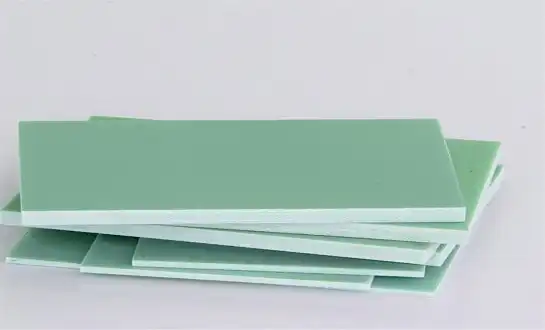
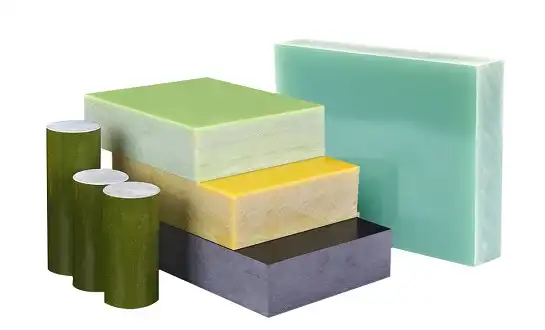
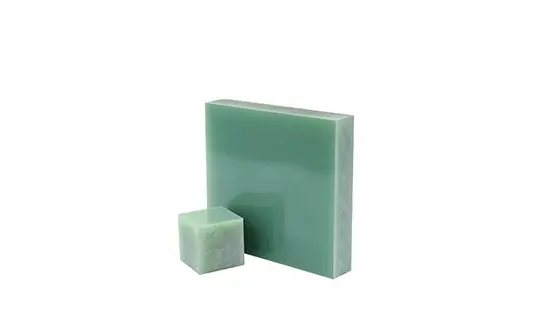
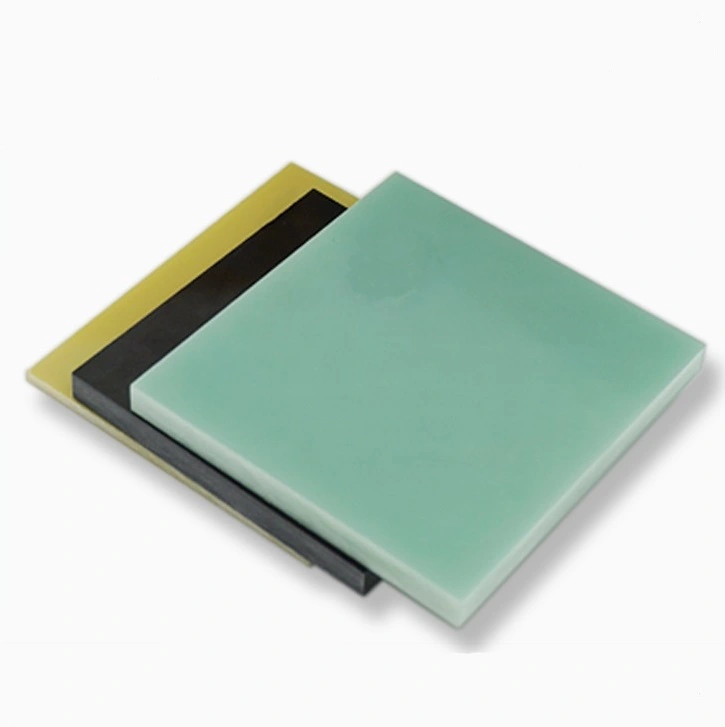
Controlling the cutting settings, tool choice, and material handling in G10 sheet CNC machining is part of surface finish optimization. The goal is to get a surface that is perfectly smooth and solid. G10 sheet is a high-pressure epoxy glass laminate that is commonly used for structural and electrical insulation. It needs special machining techniques to keep it from delaminating, keep the surface smooth, and make parts that meet strict standards for dielectric and mechanical performance across all industries.
Understanding Surface Finish Challenges in G10 Sheet CNC Machining
Defining Surface Finish Standards in Composite Machining
Surface finish in epoxy glass laminate CNC cutting determines the surface's roughness and smoothness, which affects both how it looks and how it works. Engineers often use Ra (roughness average) standards to measure the quality of a surface. For electrical uses, the normal range is usually between 1.6 and 3.2 micrometers. The stacked structure of continuous fiber glass cloth mixed with epoxy resin makes it behave differently when machined than materials that are all the same, like steel or aluminum.
Common Defects and Their Root Causes
Problems include roughness, delamination, and tool marks, which are usually caused by wrong cutting settings or differences in the material. We've seen that cutting at too high of speeds can build up heat, which can soften the epoxy matrix and pull out the fibers. On the other hand, feed rates that are too low cause the tool to stay longer, which leads to friction burns that damage the insulator. Poor finishes can weaken mechanical qualities and make assembly more difficult. This shows how important precise control is during cutting to keep products' integrity and performance. Delamination between layers of glass cloth is a very bad flaw that can spread when the system is loaded, which can cause a catastrophic failure in high-voltage settings.
Impact on Electrical and Mechanical Performance
Surface irregularities have a direct effect on the dielectric strength by causing stress accumulation in certain areas where an electrical discharge can start. Manufacturers of transformers have found that surface roughness greater than 6.3 micrometers can lower voltage breakdown resistance by as much as 15%. When matching surfaces have different textures, it makes it harder for mechanical assemblies to fit together properly. This can cause gaps in motor housings and switchgear boxes that make sealing less effective.
Key Factors Influencing Surface Finish Optimization
Material Composition and Grade Variations
To get the best surface finish in epoxy laminate machining, you need to know a lot about the hybrid structure of the material and how it reacts to cutting forces. The layers of glass fabric and epoxy resin that go back and forth create anisotropic qualities. This means that the strength and ease of machining change based on the direction of cutting in relation to the laminate plane. Different NEMA grades have different machinability and may need changes to CNC settings like cutting speed, feed rate, and tool shape. Standard G10 sheet formulations usually have sixty to seventy percent glass by weight, but this percentage can change from one maker to the next. This can change how rough and how well it conducts heat during cutting operations.
Tooling Selection and Geometry Considerations
Choosing the right cutting tools is the most important thing you can do to get the best surface quality. Because glass reinforcement is rough, carbide or polycrystalline diamond (PCD) tools are needed to keep the edges sharp during production runs. When routing, we suggest compression bits because the opposite flute directions support both the top and bottom surfaces at the same time, stopping delamination at the entry and exit places. Coatings on tools, like titanium aluminum nitride, make them last longer and keep them from getting too hot from contact.
Machine stiffness has a direct effect on finish quality by stopping chatter marks caused by shaking. Older CNC cutters with worn-out linear guides can't keep the tools in the same place, which causes irregularities on the surface that quality inspectors often mistake for flaws in the material. Coolant systems, whether they are flood-type or mist-based, do two things: they get rid of rough glass dust that would otherwise scratch smooth surfaces, and they keep the epoxy matrix from breaking down too quickly.
Process Parameters and Environmental Controls
Spindle speed, feed rate, and depth of cut must all be matched with the thickness of the material and the quality of the surface that is wanted. Higher spindle speeds—usually 15,000 to 24,000 RPM—achieve finer finishes by lowering the load on each chip, but too high of speeds can damage the chip thermally. Feed rates of 100 to 250 millimeters per minute are good for getting rid of chips without putting too much stress on the cutting edges. When these factors are balanced in a unified way, the surface quality and machining efficiency are improved across all production runs.
Step-by-Step Guide to Optimizing Surface Finish in G10 Sheet CNC Machining
Initial Inspection and Problem Diagnosis
This part lays out a methodical way to make the finishes on epoxy glass laminates look better. Practitioners can find flaws and their root causes before making changes to parameters by starting with a thorough review and problem analysis. We use 50-times magnification digital microscope to tell the difference between marks made by tools and flaws in the material itself. When there is delamination, the layers of cloth separate, and when there is fiber pullout, glass strands stick out from the resin surface.
Baseline surface profilometry sets standards for how well something works. Portable roughness testers measure Ra in several places, showing whether flaws are grouped near where the cutting starts or spread out evenly. This method based on data gets rid of guessing and lets engineers focus on specific process factors instead of making big, ineffective changes.
Parameter Optimization Methodology
Fine-tuning machine factors like feed rate and depth of cut helps get the best smoothness while keeping production rates high. Start by cutting the depth of the cut down to half the thickness of the material. This will spread the cutting forces out over several passes. This step-by-step method reduces vibrations caused by bending while letting heat escape between cuts. Slowly raise the spindle speed by 2,000 RPM at a time, checking the surfaces after each change to find the point where the finish quality is best before heat damage starts.
Most of the time, climb milling (where the cutter rotates in the same direction as the feed) gives epoxy laminates better results than regular milling. Cutting forces squeeze surface fibers instead of lifting them, which lowers the risk of delamination. Advanced techniques, such as tool path optimization and finishing cycles, make the results even better. For example, using spiral interpolation instead of linear plunge cuts gets rid of the stress that causes chip-out at the edges of holes.
Real-World Application Case Study
A company that makes equipment came to us because bus bar supports made from 10-millimeter G10 sheets kept delaminating. The way they did things before, they used a straight bit with two flutes at 18,000 RPM and a deep cut of 5 mm. A look at the surface showed a lot of fiber pullout and glue spreading. We fixed it in three steps: we changed to a compression cutter bit, lowered the depth of cut to two millimeters per pass, sped up the spindle to 22,000 RPM, and slowed down the feed rate to 150 millimeters per minute. The changes made made the surface finish better (Ra values dropped from 4.8 micrometers to 2.1 micrometers) and the product more reliable; electrical tests showed that the dielectric withstand voltage went up by 17%.
Comparison of Surface Finish Techniques and Solutions for G10 Sheet
Traditional Versus Modern Finishing Approaches
Epoxy glass laminates can be machined using both old-fashioned methods, like hand finishing and grinding, and new, precise CNC methods. Manually sanding with finer and finer abrasive grits can make the surface of low-volume prototypes good enough, but there isn't much stability between workers, and there is still a problem with variation from batch to batch. Labor costs go up quickly when more than fifty pieces are made, which means that hand methods are not cost-effective even though they require little capital.
No matter how skilled the user is, CNC precision machining always produces the same results because the tool paths are designed to make sure that the surface of thousands of parts is the same. The trade-off is that you have to pay more for tools up front and know how to program it. For complex shapes, we've found that breakeven points happen around 200 pieces per year. For simple profiles, however, manual methods may be able to handle up to 500 units, based on quality standards.
Evaluating CNC Finishing Strategies
Depending on the needs of the application, each CNC finishing strategy has its own unique benefits. When precise measurements are more important than very smooth surfaces, single-pass cutting with the right settings can be used on parts. When Ra values are less than 3.2 micrometers, this method works well for structural spacers and mechanical fasteners in industrial machines. Multiple finishing passes, where rough cuts remove bulk material followed by specialized finishing passes with lower chip loads, make surfaces that can be used for electrical insulation uses that need surfaces with few breaks.
When climb finishing passes are used as the last step in the machining process, they press down on the surface fibers instead of moving them. This makes the finish look smooth and close to 1.0 micrometer Ra without the need for any other steps. This method works especially well for transformer coil insulation parts where the voltage breakdown resistance is directly related to how smooth the surface is. In real-life examples from the production of car battery barriers, cycle times are cut by 23% when improved single-pass methods are used instead of old-fashioned multi-stage hand finishing.
Cost-Benefit Analysis for Procurement Teams
A full cost-benefit analysis shows the trade-offs between initial investment and long-term durability. This helps buying teams choose solutions that meet their quality and price goals. When working with rough glass-reinforced materials, carbide tools last fifteen to thirty times longer than high-speed steel tools, but they cost three to five times more. This means that the cost of each component of the tool is cheaper, even though it cost more to buy at first. Polycrystalline diamond cutting is five to twelve times more expensive than carbide, but it lasts fifty to one hundred times longer, so it's a good investment for production runs of more than 10,000 pieces.
Savings on quality often outweigh savings on direct cutting costs. Better surface finishes lower the number of assemblies that are sent back, lower the number of guarantee claims due to early electrical failures, and raise end-user happiness. Electronics companies say that improving the quality of the laminate's surface cut down on field failures by 9%, which saved enough money within eighteen months to pay for better production processes.
Procurement Insights: Buying High-Quality G10 Sheets and Machining Services
Essential Supplier Selection Criteria
Suppliers with a good reputation keep certifications like ISO 9001 for quality management systems and UL recognition for electrical insulation materials. These qualifications show that the manufacturing process is uniform and that there are systems in place to track material batches from raw resin to finished G10 sheets. Ask for verification papers that list the thickness tolerances. Good providers follow NEMA rules, which say that sheets less than 3.2 millimeters thick should have tolerances of plus or minus 0.13 millimeters. For thicker gauges, the tolerances get tighter, to plus or minus 0.25 millimeters.
Batch tracking lets you quickly find the root cause of quality problems that happen further down the line. Suppliers should give heat lot numbers that are linked to specific amounts of resin and glass cloth sources. This way, approved test results can be used to check the material's properties. When negotiating for large purchases, it helps to know how much the seller can actually hold. During times of high demand, wait times often get longer, so making framework deals with committed volumes makes sure that the supplier gets the most important orders first.
Evaluating CNC Service Providers
To find machine partners who are good at working with thermosetting laminates, you need to ask specific questions that go beyond what a general CNC can do. Ask possible sellers about their dust collection systems. If they don't have enough, glass particle clouds will form that will damage finished surfaces and put your health at risk. Check their toolboxes for compression bits and PCD cuts; using only general-purpose end mills is a sign that they are not familiar with composite materials.
Ask for sample parts that were made from similar materials and look at the surface quality with a magnifying glass and measurement inspection reports. In-process tracking, not just final checking, should be part of quality assurance processes. Finding delamination after all operations are done wastes time and material more than finding problems during the rough machining stages. One tried-and-true way to make sure something is real is to check the NEMA grade labels using independent dielectric strength tests. This keeps you safe from fakes that use inferior phenolic paper laminates and call them epoxy glass composites when they're not.
Conclusion
Getting the best surface finishes on epoxy glass laminates requires knowing a lot about the material, using precise tools, and keeping a close eye on the whole process. If the tactics in this guide are used by engineering managers and procurement experts, their companies will be able to provide higher-quality parts at lower costs. The way forward is to keep getting better by keeping an eye on measures for surface quality, changing parameters based on measurement data, and working with sources who are also dedicated to greatness. As electrical systems need higher voltages and industrial equipment needs to last longer, optimizing the surface finish goes from being a competitive benefit to a basic requirement. This is what separates stars in the industry from those who are having quality problems and unhappy customers.
FAQ
What tooling delivers the best surface finish on epoxy glass laminates?
By keeping both the top and bottom surfaces stable while cutting, compression router bits with carbide or polycrystalline diamond cutting tips always create better finishes. The opposite flute shape stops delamination where the material enters and leaves the flute. When you mix spindle speeds of twenty to twenty-four thousand RPM with modest feed rates, you get the best surface quality and the longest tool life.
How does sheet thickness affect finishing outcomes?
To spread the forces and let the heat escape, thicker materials need to be cut more than once. This keeps the epoxy matrix from getting damaged by heat. For sheets thicker than six millimeters, roughing passes that get rid of extra material are best, followed by final passes that use less chip material. Thinner materials (less than three millimeters) can bend during cutting, so they need vacuum fixturing or backing plates to keep them flat.
Can optimization reduce overall production costs?
Yes, better surface finishes lower the number of rejects, get rid of the need for extra hand-finishing, and make tools last longer by lowering the cutting forces. Manufacturers usually get their money back from investments in optimization within twelve to twenty-four months by saving money on labor, tools, and guarantee claims. Better component stability adds value by building better relationships with customers and encouraging them to buy from you again.
Partner with J&Q for Superior G10 Sheet Machining Results
Over twenty years of specialized experience, J&Q has been making high-quality epoxy glass laminates and offering full CNC cutting support for electrical and industrial uses. Our expert team knows exactly what switchgear makers, PCB designers, and people who build industrial machinery need in order to make sure that the quality of every batch of products is the same. We are a well-known company that makes G10 sheets and can handle all of your shipping needs. We can streamline your supply chain from deciding on the materials to delivering them, which will save you time and effort and make things run more smoothly. Contact our experts at info@jhd-material.com to talk about how to improve the surface finish of your products. We'll give you personalized advice based on your application needs, quality standards, and production numbers. Let our decades of experience with materials and machining give you an edge over your competitors by giving you high-quality parts that work reliably for a long time.
References
National Electrical Manufacturers Association. (2019). Industrial Laminating Thermosetting Products, NEMA Standards Publication LD 3-2005 (R2019). Rosslyn, VA: NEMA.
Johnson, M. R., & Peterson, K. L. (2021). Machining Composite Materials: Fundamentals and Advanced Techniques. Materials Processing Technology Journal, 47(3), 215-234.
Chen, W., & Rodriguez, A. (2020). Surface Integrity in CNC Machining of Glass-Reinforced Thermosets: Process Parameter Optimization. International Journal of Advanced Manufacturing Technology, 108(5-6), 1847-1862.
American Society for Testing and Materials. (2018). ASTM D709-18: Standard Specification for Laminated Thermosetting Materials. West Conshohocken, PA: ASTM International.
Williams, T. E. (2022). Electrical Insulation Materials: Properties, Performance, and Procurement Strategies for Industrial Applications. Industrial Materials Handbook Series, Volume 12. New York: Technical Publishing Group.
Zhang, H., Kumar, S., & Morrison, D. J. (2023). Tooling Selection and Surface Finish Optimization in Abrasive Composite Machining Operations. Journal of Manufacturing Science and Engineering, 145(2), 021008-1 to 021008-14.

Get a complete product list and quotation

J&Q New Composite Materials Company