Sourcing Flame-Retardant (UL94 V-0) Insulation Boards Overseas Safely
When looking for materials for industrial insulation board, you have to know how to control quality. In electrical, mechanical, and power applications, phenolic resin sheets are essential parts. They are composite laminates made by applying heat and pressure to layers that are already saturated with resin. Checking the quality of manufacturing prevents production failures, not following the rules, and unplanned supply chain disruptions. For 20 years, we've worked with electrical manufacturers, machinery builders, and OEM partners. During that time, we've seen how strict quality assessment changes the results of procurement, lowering field failures and increasing component lifecycles in tough industrial settings.
Understanding Flame-Retardant Insulation Boards and Their Importance
What UL94 V-0 Certification Really Means?
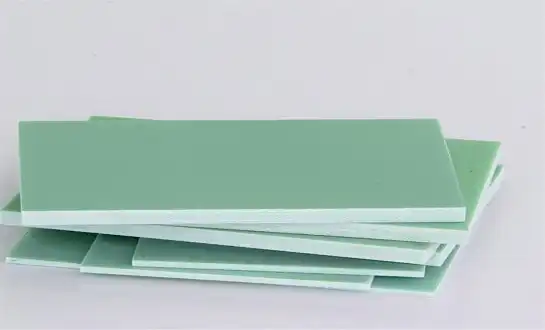
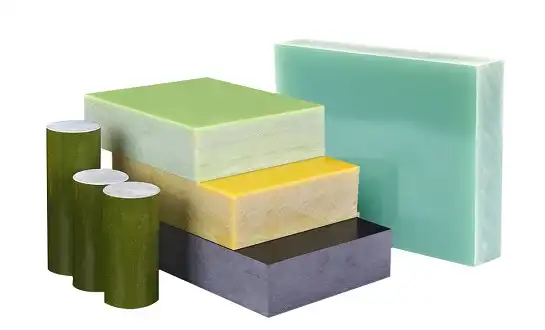
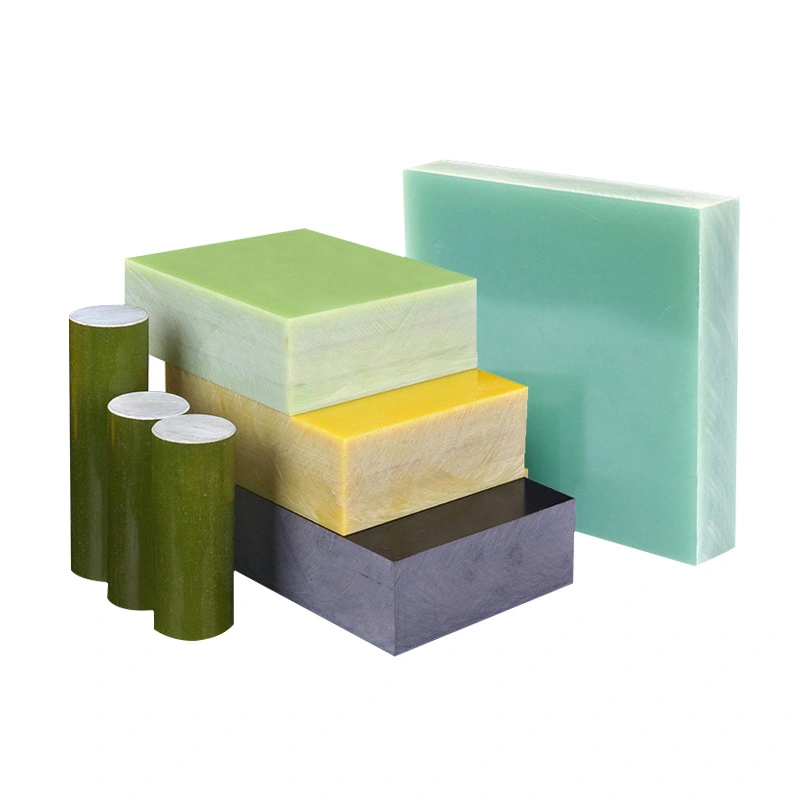
To evaluate quality, you must first know what makes a phenolic laminate properly made. Paper, cotton fabric, or glass cloth reinforcements are mixed with synthetic phenolic resins to make these insulation board materials. The result is dense thermoset composites that don't melt after they cure. For electrical insulation, paper-based grades focus on dielectric strength, while cotton-based grades focus on mechanical impact resistance for structural parts. Phenolic resin sheets are important engineering materials used by companies that make electronics, distribute electricity, make cars, and build industrial equipment. These thermoset composites are very strong, stable, and resistant to high temperatures. Because of this, they can't be replaced in high-voltage switchgear, PCB drilling, or heavy machinery wear parts.
Core Material Types for Industrial Applications
During the manufacturing process, different steps are needed in a certain order to ensure the integrity of the insulation board. Resin impregnation controls the ratio of resin to reinforcement; layering controls the uniformity of the thickness; pressing at a controlled temperature and pressure causes crosslinking; and curing stabilizes the molecular structure. Each stage adds a new possible quality variable. When resin viscosity changes during impregnation, weak bonding zones are made. Changes in temperature during pressing cause stress to build up inside the material. When there isn't enough curing time, heat resistance and dimensional stability are both lowered. Being aware of these production dynamics helps procurement teams ask better questions when they are qualifying suppliers.
Why Fire Safety Certifications Matter Beyond Compliance?
Keeping the quality of manufacturing high protects the performance of products, makes sure they follow the rules, and keeps global supply chains stable. International standards are objective ways to check the quality of an insulation board. Systematic quality management is shown by ISO 9001 certification, and ASTM D709 describes how to test paper-based phenolic laminates. UL94 V-0 certification confirms flame resistance ratings that are important for electrical uses. Compliance with RoHS ensures proper management of restricted substances, which is becoming more and more important as environmental rules affect electronics manufacturers. Performance metrics take standards and turn them into specifications that can be measured, ensuring the material survives tough industrial settings.
Key Considerations When Sourcing Flame-Retardant Insulation Boards Overseas
Verifying Supplier Credentials and Quality Systems
When you evaluate a manufacturer's quality systems for insulation board, you need to look at documented procedures, the validity of certifications, and the openness of audits. Checking the scope of an ISO 9001 registration is important. Does certification cover making phenolic laminates specifically, or just general operations? Reports from a third-party auditor give more information than just certificates; they show a history of corrective actions and patterns of nonconformance. We judge suppliers based on how they qualify their raw materials. Do they keep a list of approved vendors that is updated on a regular basis? Tough controls on incoming materials help manufacturers make more consistent finished goods, which makes it easier to plan production.
Assessing Technical Specifications Beyond Surface Claims
Performance metrics for insulation board take standards and turn them into specifications that can be measured. Machining accuracy and assembly fit are both affected by thickness tolerance. For PCB support applications, electrical manufacturers usually need ±0.1mm. In high-voltage areas, dielectric strength stops current leakage; buyers in the power sector require a minimum 10 kV/mm breakdown voltage for an insulation board. For gear and bearing applications, machinery builders look at both tensile strength and flexural strength to see how long a machine will last under load. In humid conditions, water absorption changes the electrical properties and stability of the dimensions, so choosing the right NEMA grade is very important.
Documentation Requirements for Import Compliance
Support after the sale and quality guarantees show that the manufacturer trusts the customer and wants to keep them. Quality assurance goes beyond shipping dock transfers when suppliers offer insulation board certification paperwork, technical advice, and quick claim resolution. People in charge of buying things should ask for certified test reports that list these parameters for whole batches of products, not just prototypes. The contracts for buying things should say how many defects are acceptable, how to test disputed batches, and how to replace items. Shipping rules and logistics are important. The right packaging keeps things from getting wet or broken during transit. Shipping items in containers needs desiccant protection; stacking limits on pallets keep thinner sheets from getting damaged by compression.
Step-by-Step Process to Source Flame-Retardant Insulation Boards Safely Overseas
Defining Your Technical Requirements Precisely
This guide is for purchasing managers, engineering teams, distributors, and OEM procurement specialists who need to find their way around the complicated world of suppliers. We help customers make choices by showing them selection matrices that take into account things like electrical insulating properties, mechanical strength needs, temperature exposure conditions, and regulatory compliance requirements. When making home appliances that are focused on saving money, manufacturers often choose standard paper grades for motor brackets. On the other hand, when designing battery packs for cars, designers choose flame-resistant insulation board versions that meet strict safety standards like UL94 V-0. Knowing these aspects of quality helps technical buyers match the specs of the materials with the needs of their operations.
Evaluating and Comparing Potential Suppliers
These problems can be solved by control systems that use layered verification. Before purchase orders are sent, suppliers are qualified to make sure they have the basic skills needed. We suggest that the practices used to get resin, records of how often production equipment is serviced, and environmental controls be checked. When you visit factories, you can learn about how they work that certifications alone can't show. Distributors that work with a lot of different industries benefit from suppliers who have a wide range of certifications, including those for electrical, mechanical, and safety standards. Procurement efficiency is also affected by lead times and how uniform batches are compared to each other.
Sample Testing Before Committing to Volume Orders
Testing the final product and being able to track it completes the quality loop. The batch sampling rules should be based on how important the application is: insulation board parts used in the power sector must go through 100% dielectric testing, and parts used in manufacturing must go through representative strength testing with recorded lot numbers. Statistics-based process control is used in real-time process monitoring to find deviations before they become problems. Top manufacturers use automated vision systems that can find flaws on the surface that can't be seen by hand. This is very important for electronics where flaws on the surface can be a sign of bigger problems with the material.
Negotiating Terms and Managing International Logistics
MoQ rules are based on ideas about how to manage inventory and how to make production more cost-effective. While lower MOQs give you more options, they may also mean that production schedules aren't always consistent, which can make quality control harder. When talking about MOQs for an insulation board, you should weigh the costs of keeping inventory against the quality benefits of stable manufacturing campaigns. When problems happen in the field, they can be quickly fixed by using traceability systems that connect batches of raw materials to production records and then to finished goods. Shipping items in containers needs desiccant protection, especially for paper-based phenolic grades sensitive to humidity.
Avoiding Common Pitfalls and Risks in Overseas Procurement
Recognizing and Preventing Certification Fraud
How can teams that buy things make sure that claims about the quality of insulation board are true? For specific production batches, not just general material specs, ask for certified test reports from accredited laboratories that show the dielectric strength, flexural strength, water absorption, and flame resistance. When testing is done by a third party in an independent lab, there are no conflicts of interest. By visiting factories and watching how things are made and checked for quality, you can be sure that certifications are based on real practices and not just following the rules on paper. Establishing relationships with manufacturers holding long-term certifications reduces fraud risk compared to sourcing through unknown trading intermediaries.
Managing Quality Consistency Across Production Batches
Three main things cause problems with quality when making phenolic laminates. Inconsistent raw materials affect every step; differences between batches of resin change how quickly it cures, flaws in fabric make weak spots, and contaminants add empty spaces. Deviations from the process, such as changing pressing pressures, create different densities within the insulation board, leading to uneven mechanical properties. If temperature control fails during curing, the polymer chains become uncrosslinked and break down. When post-cure conditioning isn't done right, residual stresses build up and show up as warping when the customer machines the part. Environmental factors, especially changes in humidity during storage, also affect quality consistency.
Building Robust Communication Channels
We have supplier development programs in place where our technical team works with manufacturer engineers to find the best quality parameters for each application. This way of working together, instead of competing inspection-based relationships, speeds up innovation and customization while still upholding high quality standards. Real-time production dashboards that are shared with key customers boost trust and make it possible to talk about possible delivery issues before they happen. Traceability systems based on blockchain keep permanent records of quality for everything from raw materials to finished goods, solving problems with authenticity in the global insulation board supply chain.
Understanding Trade Regulations and Hidden Costs
Environmental rules are always changing, which affects how insulation board materials are made and processed. The move away from flame retardants that contain halogens has an effect on the chemistry and processing temperatures of phenolic resin. According to REACH rules, substances must be tracked all the way through the supply chain in European markets. By spending money on regulatory compliance infrastructure, suppliers show that they are committed to quality management that is ahead of the curve and protects your access to the market. We keep an eye on these regulatory trends and steer sourcing decisions toward manufacturers who are ready for new requirements to avoid projects being derailed.
Optimizing Your Procurement Strategy for Long-Term Success
Conducting Comprehensive Lifecycle Cost Analysis
Evaluating quality control in the production of phenolic resin sheets protects procurement investments by systematically evaluating suppliers and checking their work. When used in production, lean manufacturing principles lead to small improvements in quality while cutting down on waste. Value stream mapping finds steps in a process that don't add value. Tough quality checks separate reliable suppliers from those who add hidden costs through field failures and supply interruptions. High-quality insulation board components with tighter tolerances and better performance reduce the total cost of ownership by increasing component lifecycles in tough industrial settings.
Leveraging Digital Tools for Procurement Efficiency
With today's manufacturing technologies, quality control goes from being a reactive inspection to being a predictive management. IoT sensors constantly check press temperatures, pressures, and cure times, and if they find any problems, they automatically let the production team know before the problems spread to other batches. Data analytics powered by AI can find small connections between process parameters and final properties of the insulation board that people can't see. Machine-learning algorithms can tell when maintenance needs to be done on equipment before the quality starts to go down. Human error is eliminated by automated testing equipment, which provides accurate measurements every time.
Preparing for Evolving Market Trends
The insulation materials market is adapting to environmental rules and sustainability. The move away from halogenated flame retardants affects processing temperatures. Supply chain resilience has gained priority, and our team monitors these trends to position procurement teams for success. Automotive Tier-1 suppliers benefit the most from partnership models that help them meet the precise and consistent needs of applications that use electric vehicles. As industrial applications need tighter tolerances, a supplier that can make electronics with tight thickness tolerances can use those skills in other segments. Staying informed about these trends through industry publications ensures that your insulation board sourcing remains competitive.
Conclusion
Evaluating quality control in the production of insulation board protects procurement investments by systematically evaluating suppliers and checking their work. When you know about production basics, standards compliance, and application-specific needs, you can make smart decisions about where to source things. Layered quality assurance, which includes qualifying raw materials and final testing, lowers the risk of defects while making sure that regulations are followed. Integrating technology and working together to improve things all the time raise the quality above normal inspection methods. Tough quality checks separate reliable suppliers from those who add hidden costs through field failures and supply interruptions as industrial applications need tighter tolerances and better performance.
FAQ
How can teams that buy things make sure that claims about the quality of phenolic resin sheets are true?
For specific production batches, not just general material specs, ask for certified test reports from accredited laboratories that show the dielectric strength, flexural strength, water absorption, and flame resistance. When testing is done by a third party in an independent lab, there are no conflicts of interest. By visiting factories and watching how things are made and checked for quality, you can be sure that certifications are based on real practices and not just following the rules on paper.
What quality factors are most important for electronics?
Electrical breakdown can't happen in high-voltage areas because of dielectric strength, and PCB drilling works the same way every time because of thickness uniformity on the insulation board. How well copper cladding sticks to a surface depends on how smooth it is. When it's humid, electrical properties stay the same as long as water absorption is less than 1%. Recognition by UL and compliance with RoHS ensure safety and environmental standards that are very important for companies that make electronics for global markets.
What effect do lead times have on quality control for large orders?
With longer lead times, production can be staged with quality checks in between. This lets problems be fixed before the whole order is finished. When production is rushed, quality control steps are shortened, which raises the risk of defects in the insulation board. We suggest that you create lead time buffers that include quality hold points for important parameters. Transparency from suppliers about production schedules helps procurement teams balance the need for speed with the need to ensure quality.
Partner with J&Q for Reliable Flame-Retardant Insulation Board Solutions
To get around the complexity of quality control, you need partners who are dedicated to manufacturing excellence and have a lot of experience. With over 20 years of experience making insulating materials and ten years of experience trading internationally, J&Q serves electrical manufacturers, machinery builders, and industrial OEM clients all over the world. Our fully integrated operations include quality control labs, in-house logistics, and technical support teams that give advice on the best insulation board materials for each application. We have strict processes for qualifying suppliers, constant monitoring of production, and thorough testing protocols to make sure that every phenolic resin sheet meets your specific needs. To talk about your project needs, email our procurement experts at info@jhd-material.com.
References
Underwriters Laboratories. (2018). UL 94: Standard for Safety of Flammability of Plastic Materials for Parts in Devices and Appliances. Northbrook: UL Standards.
Harper, C.A. (2006). Handbook of Plastics Technologies: The Complete Guide to Properties and Performance. New York: McGraw-Hill Professional.
Rothon, R.N. & Hornsby, P.R. (2014). Flame Retardant Effects of Magnesium Hydroxide. Polymer Degradation and Stability, Volume 54, Issue 2-3, Pages 383-385.
Troitzsch, J. (2004). Plastics Flammability Handbook: Principles, Regulations, Testing, and Approval. Munich: Hanser Publications.
Kandola, B.K. & Horrocks, A.R. (2001). Flame Retardant Materials. Cambridge: Woodhead Publishing in Materials.
National Electrical Manufacturers Association. (2019). Industrial Laminated Thermosetting Products: NEMA LI 1-1998 Standards Publication. Arlington: NEMA Technical Standards.

Get a complete product list and quotation
J&Q New Composite Materials Company