Evaluating Quality Control in Phenolic Resin Sheet Manufacturing
When looking for industrial insulation materials, you have to know how to control quality. Phenolic resin sheet products are basic parts in electrical, mechanical, and power applications. They are made by applying heat and pressure to layers that are already saturated with resin. Evaluating the quality of manufacturing protects against production failures, not following the rules, and unplanned problems in the supply chain. For twenty years, we've worked with electrical manufacturers, machinery builders, and OEM partners. During that time, we've seen how strict quality assessment changes the results of procurement, lowering field failures and increasing component lifecycles in tough industrial settings.
Understanding Quality Control in Phenolic Resin Sheet Manufacturing
Material Properties and Production Fundamentals
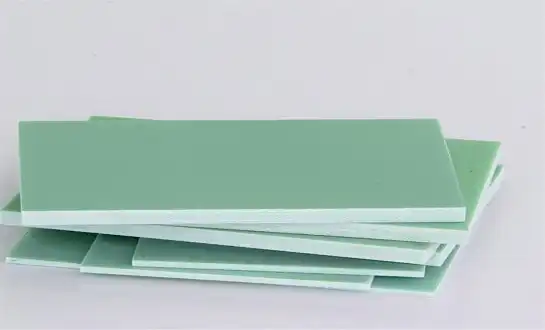
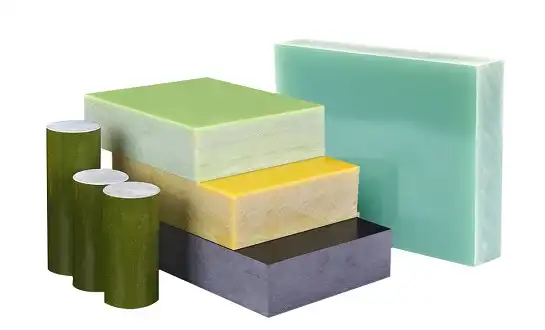
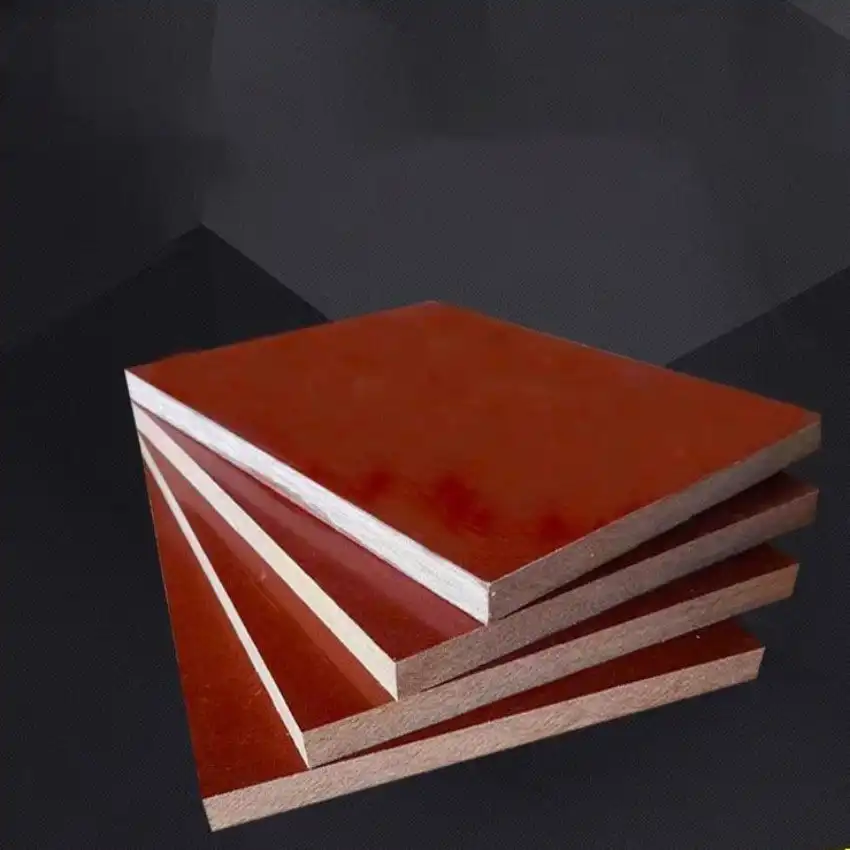
To start judging quality, you need to know what makes a phenolic resin sheet properly made. These materials use synthetic phenolic resins and reinforcements made of paper, cotton fabric, or glass cloth to make dense thermoset composites that don't melt after curing. Paper-based grades focus on dielectric strength for electrical insulation, while cotton-based grades focus on mechanical impact resistance for building parts.
The steps in manufacturing are as follows: resin impregnation controls the ratio of resin to reinforcement; layering controls the uniformity of thickness; pressing at a controlled temperature and pressure causes crosslinking; curing stabilizes the molecular structure. At each stage, possible quality variables are introduced. Weak bonding zones are made when the viscosity of the resin changes during impregnation. During pressing, changes in temperature cause concentrations of internal stress. Not enough curing time lowers the resistance to heat and the stability of the shape. Knowing about these changes in production helps procurement teams ask better questions of suppliers during the qualification process.
Standards Compliance and Performance Metrics
International standards give us objective ways to check the quality of something. ISO 9001 certification shows that quality management is done in a planned way, and ASTM D709 describes how to test paper-based phenolic laminates. Flame resistance ratings are very important for electrical applications, and UL certification proves this. ROHS compliance verifies the management of restricted substances, which is becoming more and more important as environmental rules apply to electronics manufacturers.
Performance metrics turn standards into specifics that can be measured. The tolerance for thickness affects how precisely things are machined and how well they fit together. For example, electrical manufacturers usually need ±0.1mm for PCB support applications. Dielectric strength stops current leakage in high-voltage areas; buyers in the power sector require a breakdown voltage of at least 10 kV/mm. Tensile strength shows how long a machine will last under load. For gear and bearing applications, machinery builders look at this along with flexural strength. When it's humid, water absorption changes the electrical properties and stability of the dimensions, so choosing the right NEMA grade is very important. People who work in procurement should ask for certified test reports that list these parameters for production batches, not just prototypes.
Systematic Approach to Evaluating Quality Control Challenges
Identifying Root Causes of Manufacturing Defects
Problems with quality in the production of phenolic resin sheet products come from three main places. Inconsistencies in the raw materials affect every step after they are used. For example, differences between batches of resin change how quickly they cure, flaws in the reinforcement fabric make weak spots, and contaminants add empty spaces. We've seen cases where materials with what seemed to be the same specs had different thermal performance because the resin suppliers changed the formulation chemistry without telling us.
Process deviations for phenolic resin sheet are another very important type of risk. Changes in pressing pressure create differences in the density of sheets, which leads to uneven mechanical properties. If the temperature control fails during curing, the polymer chains become uncrosslinked and break down at normal working temperatures. If you don't do enough post-cure conditioning, residual stresses build up and show up as warping when the customer machines the part. Dimensional stability is affected by the environment, especially changes in humidity during storage, long before the material gets to the production lines.
Quality Assurance Framework Implementation
Using layered verification, good control systems deal with these problems. Before purchase orders start to flow, suppliers are qualified to make sure they have the basic skills needed. We suggest that you check the practices used to get resin, the records of how often you maintain production equipment, and the environmental controls. Going to factories and seeing how they work can reveal things about operations that certifications alone can't show.
Statistical process control is used in real-time process monitoring to find deviations before they become problems. Temperature profiling during pressing, testing the resin content on reinforced materials that have been impregnated, and measuring thickness at different stages of the pressing process can all help find problems early on. Leading manufacturers use automated vision systems that can find flaws on the surface that can't be seen by hand. This is very important for electronics applications where flaws on the surface can be a sign of bigger problems with the material.
The quality loop is finished when the final product is tested and can be tracked. Batch sampling protocols should be based on how important the application is: parts used in the power sector must be tested for 100% dielectric loss, and parts used in manufacturing must be tested for representative strength and have lot numbers recorded. Traceability systems that connect batches of raw materials to production records and then to finished goods make it possible to quickly figure out what went wrong when problems happen in the field. Automotive suppliers really like this feature because it helps them handle possible recall situations.
Quality Control from a Procurement Perspective
Supplier Evaluation and Certification Verification
To evaluate a phenolic resin sheet manufacturer's quality systems, you need to look at documented procedures, the validity of certifications, and the openness of audits. Scope verification should be part of ISO 9001 registration. Does certification cover making phenolic laminates specifically, or just general tasks? Third-party audit reports give more information than certificates alone because they show patterns of nonconformance and corrective actions that have been taken in the past.
We rate suppliers based on how they qualify their raw materials. Do they keep approved vendor lists that are updated on a regular basis? Are the viscosity, gel time, and filler content of new resin batches checked? How do they make sure the weight and weave consistency of the reinforcement fabric? Manufacturers who strictly control the incoming materials make finished goods that are more consistent, which makes it easier to plan your production.
Having a certification shows that you know your market and have technical skills. To get UL recognition, you have to spend money on flame resistance testing and keep an eye on your compliance—this is very important for companies that make electrical products. NEMA grade certifications show that you understand the North American market and the industrial standards that machinery builders usually follow. Suppliers with a wide range of certifications in electrical, mechanical, and safety standards are good for distributors who work with many industries.
Production Consistency and Supply Chain Considerations
Lead times, minimum order quantities, and the consistency of batches all have a direct effect on how efficiently procurement works. Manufacturers who keep enough raw materials on hand and extra press capacity can meet urgent needs more quickly without sacrificing quality. We've seen that suppliers with more than one production line are more flexible during times of high demand, which keeps them from having to rush production, which can lead to mistakes.
MOQ rules for phenolic resin sheet are based on ideas about how to manage inventory and how to make production more cost-effective. Lower MOQs give you more options, but they may also mean that production schedules aren't always consistent, which can make quality control harder. When MOQs are higher, production runs are usually more dedicated and process controls are tighter. When negotiating MOQs, you should weigh the costs of keeping inventory against the quality benefits of stable, focused manufacturing campaigns.
Quality guarantees and support after the sale show that the manufacturer trusts the customer and wants to keep them. Suppliers who offer material certification paperwork, technical advice, and quick claim resolution show that they care about quality in more ways than just shipping dock transfers. Agreements for buying things should spell out what kinds of defects are acceptable, how to test disputed batches, and how to replace items. Logistics and shipping rules are important. The right packaging keeps things from getting wet or broken while they're in transit. Desiccant protection is needed for shipments in containers, and stacking limits on pallets keep thinner sheets from getting damaged by compression.
Advanced Strategies to Optimize Quality Control and Procurement Decisions
Technology Integration for Enhanced Quality Assurance
Quality control has changed from reactive inspection to predictive management thanks to new technologies in phenolic resin sheet manufacturing. IoT-enabled sensors constantly check the temperatures, pressures, and cure times of the press, automatically signaling any problems before they spread through production batches. We've worked with manufacturers who have put these systems in place and seen defect rates drop by more than 40% compared to manual monitoring methods.
AI-powered data analytics find small connections between process parameters and final properties that people can't see. Machine learning algorithms can tell when maintenance needs to be done on equipment before the quality starts to go down. Automated testing equipment takes accurate measurements every time, without any variation caused by human error. This is especially helpful for testing dielectric strength, where the way the test is done can affect the results.
These technologies make data more open, which is good for procurement relationships. Sharing real-time production dashboards with key customers boosts trust and lets you talk about possible delivery issues before they happen. Concerns about authenticity in global supply chains can be eased by blockchain-based traceability systems that keep permanent records of quality for everything from raw materials to finished goods.
Continuous Improvement and Regulatory Adaptation
When applied to the production of phenolic laminate, lean manufacturing principles lead to small improvements in quality while cutting down on waste. Value stream mapping finds process steps that don't add value and add variation without making properties better. Cross-functional collaboration at Kaizen events between production workers, quality engineers, and procurement reps solves problems with defects that keep happening.
We've set up supplier development programs in which our technical team works with manufacturer engineers to find the best quality parameters for each application. Instead of adversarial inspection-based relationships, this collaborative approach speeds up innovation and customization while still upholding high quality standards. Automotive tier-1 suppliers benefit the most from this partnership model because it helps them meet the precise and consistent needs of applications that use electric vehicles.
Environmental laws are always changing, which affects how materials are made and how they are processed. The switch to flame retardants without halogens has an effect on the chemistry and processing temperatures of phenolic resin. REACH rules in European markets require that substances be tracked all the way through the supply chain. Suppliers who put money into regulatory compliance infrastructure show that they are committed to quality management that is ahead of the curve and protects your access to the market. We keep an eye on these regulatory trends and make sure that sourcing decisions are made with manufacturers who are ready for new requirements. This way, projects don't get derailed when suppliers have to be changed in the middle of them.
Conclusion
By systematically evaluating suppliers and checking their work, evaluating quality control in the production of phenolic resin sheet products protects procurement investments. Making smart decisions about where to get things by knowing about production basics, following standards, and application-specific needs. Using layered quality assurance, from qualifying the raw materials to final testing, lowers the risk of defects and makes sure that regulations are followed. Partnerships for continuous improvement and integrating technology raise quality above and beyond traditional inspection models. Tougher quality checks separate reliable suppliers from those who add hidden costs through field failures and supply interruptions as industrial applications need tighter tolerances and better performance.
FAQ
How can procurement teams make sure that claims about the quality of real phenolic resin sheet products are true?
Ask for certified test reports from approved labs that show the dielectric strength, flexural strength, water absorption, and flame resistance for specific production batches, not just general material requirements. Testing by a third party in separate labs gets rid of any conflicts of interest. By going to factories and watching how things are made and checked for quality, you can be sure that certifications are based on real practices and not just following the rules on paper.
What quality parameters matter most for electronics applications?
Dielectric strength keeps electronics from breaking down in high-voltage areas, and thickness uniformity makes sure that PCB drilling works the same way every time. Copper cladding doesn't stick as well to smooth surfaces in laminate applications. In humid conditions, electrical properties stay the same when water absorption is less than 1%. UL recognition and ROHS compliance make sure that safety and environmental standards are met, which is very important for companies that make electronics for global markets.
How do lead times change the way quality is checked for large orders?
Longer lead times allow for staged production with quality checkpoints in between, which lets problems be fixed before the whole order is finished. Hasty production shortens the steps needed to check for quality, which raises the risk of defects. We suggest adding lead time buffers that include quality hold points for important parameters. When suppliers are clear about when they will start and finish production, it helps procurement teams balance the need for speed with the need for quality assurance.
Partner with J&Q for Certified Phenolic Resin Sheet Solutions
Navigating quality control complexity requires experienced partners committed to manufacturing excellence. J&Q combines over 20 years of insulating material production expertise with decade-long international trade experience, serving electrical manufacturers, machinery builders, and industrial OEM clients all over the world. Our vertically integrated operations include quality labs, in-house logistics, and technical support teams that give advice on the best phenolic resin sheet materials for each application.
Contact our procurement specialists at info@jhd-material.com to discuss your project requirements. As a well-known company that makes phenolic resin sheet products, we can offer custom sizes, low prices that reflect how efficiently we make them, and quality control systems that have been used in a wide range of demanding industrial settings.
References
Harper, C.A. (2006). Handbook of Plastics Technologies: The Complete Guide to Properties and Performance. McGraw-Hill Professional.
Pilato, L. (2010). Phenolic Resins: A Century of Progress. Springer-Verlag Berlin Heidelberg.
ASTM International. (2018). ASTM D709-19: Standard Specification for Laminated Thermosetting Materials. West Conshohocken, PA.
Goodman, S.H. and Dodiuk, H. (2013). Handbook of Thermoset Plastics, 3rd Edition. William Andrew Publishing.
Zhang, Y. and Park, S.J. (2020). "Quality Control Systems in Composite Manufacturing: Process Monitoring and Defect Detection." Journal of Composite Materials, 54(12), pp. 1625-1642.
International Organization for Standardization. (2015). ISO 9001:2015 Quality Management Systems—Requirements. Geneva, Switzerland.

Get a complete product list and quotation
J&Q New Composite Materials Company