Reducing Machining Errors in NEMA CE Insulation Parts
To cut down on cutting mistakes when making NEMA CE insulation parts, you need to know a lot about the qualities of the material, choose the right tools, and keep a close eye on the process. These parts are made to work continuously at temperatures up to 180°C (356°F), so they need special cutting methods to keep their excellent electrical insulation and mechanical integrity. Systematic strategies for reducing errors can boost factory output by up to 85% while making sure NEMA standards are met for important electrical uses.
Understanding NEMA CE Insulation Standards and Common Machining Challenges
What is NEMA CE Insulation Class and Its Critical Requirements?
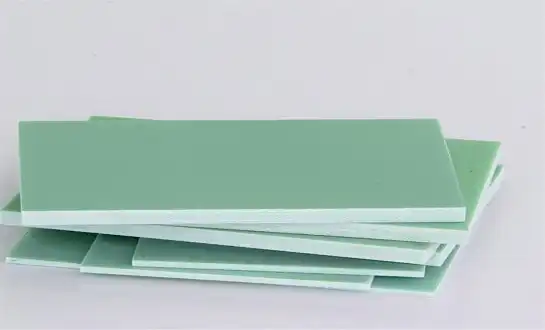
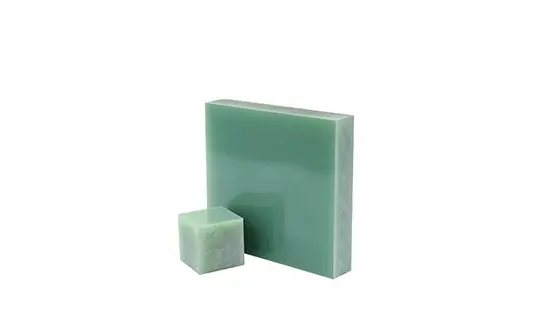
NEMA CE insulation is a special type of electrical insulation material that is made to work continuously at high temperatures while still having great thermal qualities. It is important that these materials can work at temperatures up to 180°C (356°F) without losing a lot of their electrical or mechanical properties. The CE mark means that the material meets certain thermal endurance standards that are higher than those for normal industry insulation materials.
The most important standards for NEMA CE insulation go beyond resistance to weather and include a wide range of performance factors. These materials need to have a very high dielectric strength (usually more than 14 kV/mm) and keep their shape when heated and cooled many times. The mechanical qualities include a minimum bending strength of 340 MPa and impact protection that is good for harsh industrial settings.
Manufacturers must keep thorough records of the qualities of materials during the whole production process in order to meet compliance rules for industrial uses. As part of quality assurance processes, rapid aging tests, dielectric strength measures, and mechanical property proof must be used to check for thermal endurance. Because of these strict requirements, the material must be machined in a way that keeps its natural performance qualities.
Common Types of Machining Errors in NEMA CE Insulation Parts
Dimensional standard deviations are the most common type of machine mistake that happens when making insulator components. Most of the time, these differences happen because the cutting settings aren't set up correctly to work with thermosetting materials' unique qualities. When cutting insulation materials, you need to use a special method to get stable measurement accuracy across all cutting directions, which isn't possible with solid parts.
Surface finish flaws often show up as tiny cracks, fiber pull-out, or too much roughness, which damages the electrical qualities of the material. Most of the time, these problems are caused by choosing the wrong cutting speeds or tool shapes. Because many insulation materials are made up of fibers, they need to be cut at certain angles and edges must be prepared in a certain way to get smooth, defect-free surfaces that keep their best insulating performance.
Problems with the material's integrity during processing can include delamination, thermal degradation, or stress concentrations inside the component that shorten its useful life. These issues usually happen when too much heat is made during cutting processes. When temperature-sensitive plastic systems used in NEMA CE materials are heated above their glass transition point during processing, they can change in ways that can't be undone.
Cost Impact of Machining Errors on B2B Operations
Failure of NEMA CE insulation part can cause equipment to be idle and cause upkeep costs that can reach tens of thousands of dollars per event in factories. When cutting mistakes affect the electrical qualities of insulation parts, equipment often breaks down and needs to be fixed right away, which means production has to stop for a longer time. These unexpected repair events can mess up carefully planned production plans and send ripples through whole supply lines.
When machine processes don't have enough precise rules, quality control and repair costs add up quickly. Rejected parts have to be completely remade, which doubles the cost of materials and delays delivery times. Quality problems can make the whole project cost 15 to 25 percent more than if it had been successful on the first try. This is because of the extra inspections, paperwork, and administrative work that needs to be done.
When there is a breakdown in the supply chain, it affects more than just costs. It also affects long-term business ties and the ability of companies to compete in the market. Customers who keep having problems with quality may change the suppliers they work with or make the qualifications for new suppliers stricter, which makes it harder for makers to do their jobs and lowers their profits.
Root Cause Analysis: Why Machining Errors Occur in NEMA CE Insulation Materials?
Material-Specific Challenges in NEMA CE Insulation Processing
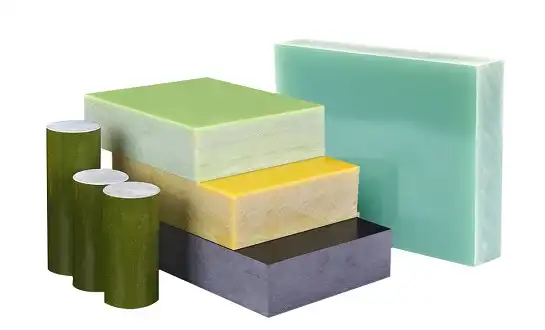
When they are processed, NEMA CE insulation materials are different from other industrial plastics and metal parts because of how they are made. These materials usually have strengthened thermosetting resin systems with glass fiber reinforcement, which changes the properties in different directions. Because these materials are not uniform, it is important to pay close attention to the direction of the fibers while they are being machined to avoid delamination and get the best surface quality.
The fact that temperature changes easily during cutting processes makes things hard for thermosetting insulation materials. When thermosets are heated to high temperatures, they go through chemical changes that can't be undone. This is different from thermoplastics, which can be broken down and reshaped. Controlling the amount of heat that is made during cutting is very important to keep the glue from breaking down, which can damage the finished part's electrical and mechanical qualities.
It's clear that the processing standards for NEMA CE materials are different from those for NEMA B and NEMA F materials when you look at the cutting factors and quality control measures. When compared to insulation types that are used at lower temperatures, NEMA CE materials usually need to be cut at 20–30% slower speeds and with more active coolant application. Higher working temperatures are possible because the material is more thermally stable. However, this makes cutting forces and tool wear rates higher, which needs to be balanced out by making the right process changes.
Equipment and Tooling Limitations
Choosing the wrong cutting tools is the main cause of machine mistakes when working with shielding materials. A lot of standard mechanical tools are made with shapes and coatings that work best with flexible materials, which don't behave at all like strengthened thermosets. Because glass fiber reinforcement is rough, it quickly dulls regular cutting edges. This causes cutting forces to rise, heat to build up, and surface quality to get worse.
Machine capability mismatches happen a lot when makers try to work with insulating materials on machines that were made to work with metal parts. Because composite insulation materials absorb vibrations differently, they need different machine dynamics and workholding techniques than regular machining tasks. Chatter, problems with the surface finish, and errors in the dimensions can all be caused by machines that aren't rigid enough or that are running at the wrong speeds.
Climate-controlled rooms, dedicated dust collection systems, and tooling systems made just for composite materials are some of the specialized tools needed to make accurate insulation parts. Many machine shops don't have these specialized skills, so they have to try to make insulation parts with equipment that isn't set up in the best way, which naturally lowers the quality levels that can be achieved.
Process Control and Quality Assurance Gaps
A lack of knowledge about the specific needs of making insulating materials for NEMA CE insulation part often leads to inadequate tracking of important machine parameters. To get consistent results with thermosetting materials, you need to add to traditional machine measures like cutting speed and feed rate things like temperature tracking, measuring cutting force, and checking the surface quality in real time.
Poor checking methods often miss small quality problems that can have a big effect on how well electricity systems work. In addition to standard physical checking methods, dielectric strength tests, measuring surface roughness, and looking at the material under a microscope for fiber damage or resin degradation are all things that must be done. These specific testing needs often go beyond what general-purpose machine shops can do.
When working by hand, human mistake is a big problem when working with materials that have small accepted parameter gaps. Because metallic materials are forgiving, mistakes made by operators are often hidden until they are used to make precision insulation components. For quality levels to stay the same, operators must be fully trained and follow standard processes.
Proven Strategies to Minimize Machining Errors
Advanced Tooling Solutions for NEMA CE Insulation Parts
Cutting tools made just for composite insulation materials have special shapes and finishing systems that make them easier to work with when handling reinforced thermosets. With their advanced carbide bases and diamond-like carbon coats, these tools have positive rake angles that keep the cutting edges sharp while minimizing cutting forces. The improvement of the shape cuts down on the production of heat and stops the fiber pull-out that usually happens with regular tools.
Using the right casting solutions can cut down on cutting errors by up to 75% and make tools last 300–400% longer than regular metalworking tools, according to our experience. When you buy specialized tools, they usually pay for themselves in the first few production runs because they increase yield rates and cut down on the need for repairs.
To choose the best tool shape, you need to carefully think about the fiber direction, material thickness, and surface finish requirements. When it comes to edge preparation, tools made for cross-grain cutting are different from those made for parallel-grain cutting. The choice of covering must strike a balance between resistance to wear and low friction, which is needed to keep heat production low during long cutting operations.
Precision Machining Parameter Optimization
To get the best speed and feed rate for NEMA CE materials, you need to follow a methodical process that strikes a balance between quality and efficiency. Cutting speeds are usually between 100 and 300 surface feet per minute, which is much slower than what is used for metals to keep the resin matrix from getting damaged by heat. Feed rates need to be carefully set so that the chip load stays the same and cutting forces don't get too high, which can cause delamination.
During grinding, controlling the temperature is a key success factor that sets high-quality sellers apart from cheap makers. To keep the cutting zone temperatures below the material's glass transition point, good thermal management uses a mix of air blast cooling, flood coolant application, and smart feed rate adjustment. Infrared temperature tracking is used in advanced facilities to give real-time feedback for process control.
Because some thermoset composites are porous, the best way to use coolants and lubricants on insulation materials is very different from how to do it on machining materials. Water-based coolants need to have biocides and rust inhibitors in them so that they don't break down over time. To make sure that the cutting zone is cooled evenly, the coolant supply system should have steady flow rates and pressures.
Quality Control Integration Throughout the Manufacturing Process
Putting in place real-time tracking systems lets you find and fix process deviations right away, before they lead to broken parts. Modern quality control systems keep an eye on the cutting force, the temperature, and the sound emissions to make sure the whole process is being watched over. These systems can change the settings of cutting automatically or stop work when certain limits are reached.
Statistical process control methods that have been adapted for making NEMA CE insulation part keep track of key quality indicators during production runs to find trends and stop quality decline. Dimensional correctness, surface finish, and electrical qualities measured through sampling procedures are some of the most important control factors. The study of the data allows for predictions that lead to changes that keep quality high while increasing output.
Coordinate measure tools, optical scanning systems, and electrical testing equipment are all examples of automated inspection technologies that can check the quality of a product completely without relying on human mistake. These devices can check all important measurements one hundred percent of the time while doing random sampling for electrical properties and surface quality traits. The technology makes sure that all jobs and workers follow the same checking standards.
Technology Solutions and Best Practices Implementation
Modern CNC Programming Techniques for Insulation Materials
Adaptive machining strategies use real-time input to change the cutting settings automatically based on how the material reacts instead of using numbers that have already been set. These systems keep an eye on cutting forces, spinning power, and shaking patterns to find the best feed rates and speeds for different types of material. The flexible method takes into account changes in the raw materials and the wear and tear on the tools, so the quality stays the same over long production runs.
CAM software that is optimized for NEMA CE materials uses special toolpath techniques that reduce the amount of heat and cutting force needed. Trochoidal milling methods spread the cutting loads over longer times of tool contact while keeping the rates of material removal high. The improved toolpaths cut down on cycle times, improve the quality of the surface finish, and make tools last longer.
Simulation and testing procedures let you test machine processes virtually before starting real production runs. Advanced modeling software models how cutting processes affect heat and can predict quality problems like thermal damage or too much tool wear. These features let you improve the process while you're writing it, which cuts down on setup time and waste.
Lean Manufacturing Principles Application
Strategies for reducing waste in the production of insulation parts focus on getting rid of the reasons why scrap is made instead of just making inspections faster. Value stream mapping finds the steps in a process that cause quality differences. This lets you make focused changes that fix the real problems. The lean method puts more emphasis on preventing problems than finding them. This leads to long-term gains in quality and lower costs.
Continuous improvement methods offer organized ways to consistently improve the quality of products and industrial processes. Cross-functional teams get together regularly at kaizen events to find and apply small changes in how things are machined, how quality is checked, and how materials are moved. The combined knowledge of workers, engineers, and quality staff is used in these group projects.
Training and skill-building programs for employees make sure that everyone knows how to handle the special needs of working with insulation materials. In-depth training includes learning about the features of materials, how to machine them, quality standards, and how to fix problems that are unique to NEMA CE uses. Regular skill tests and repeat training make sure that everyone in production meets the same high standards of work.
Industry 4.0 Integration for Error Prevention
IoT monitors placed all over machine equipment keep an eye on temperature, shaking, cutting forces, and the state of the tools, among other important process factors. Real-time process improvement and predictive repair schedules are made possible by the sensor networks. This stops quality problems before they happen. Data from several tools can be looked at together to find trends and improve the efficiency of production as a whole.
Predictive maintenance programs look at past performance data to figure out what repair needs to be done on equipment before it breaks down. These systems can tell when tool wear, spindle bearing degradation, and cooling system performance problems that hurt the quality of the work being done can happen. The predictive method cuts down on unnecessary downtime and makes sure that equipment works at its best for important quality factors.
Data analytics platforms for NEMA CE insulation part gather data from many places, like machine tracking systems, quality check results, and weather conditions, to find ways to make things better. Advanced analytics can connect factors that don't seem to be linked to find the root causes of quality problems that might not be found otherwise. The findings help people make decisions based on data so that processes are always getting better.
Supplier Selection and Partnership Strategies
Criteria for Choosing Reliable NEMA CE Insulation Part Manufacturers
Quality certification standards are basic requirements for suppliers to be qualified for important electricity uses. Getting ISO 9001:2015 approval shows that you are committed to quality management systems, and getting UL recognition shows that you can test products and set up tracking systems. Extra certifications like AS9100 or TS16949 show that the company has worked with high quality standards in aircraft or car uses before.
An evaluation of a manufacturing capability must look at both the equipment's abilities and the technical know-how needed to process insulation materials. Machine tool specs, weather settings, measurement equipment accuracy, and user skill levels are some of the most important things that are looked at when judging. As part of the evaluation, the process paperwork, quality control methods, and use of statistical process control should be looked over.
Assessing the dependability of a supply chain includes checking for financial security, planning capacity, and the ability to handle risks. Reliable providers make sure they have enough supplies, backup tools, and plans for what to do if something goes wrong. Key component supply lines are safer when they are spread out geographically and have more than one way to move goods.
Building Long-Term Partnerships with Trusted Suppliers
Collaborative efforts to improve quality create value for everyone by sharing knowledge and making the best use of resources. Joint development projects can solve specific application problems while also making the product work better and be easier to make. Working together on technology often cuts costs and improves performance, which is good for everyone.
Suppliers and buyers can work together on technology development projects that use each other's skills to make creation and production of insulation components even better. These relationships can speed up the creation of new materials, ways to handle them, and ways to check the quality of their work. When everyone invests in the growth of technology, it gives everyone a competitive edge.
Risk management and backup plans make sure that business keeps going even if there are problems in the supply chain. A thorough risk assessment finds possible failure modes and comes up with ways to reduce the impact of each one. Regular testing of business stability shows that backup plans work and shows where they can be improved.
Cost-Benefit Analysis of Quality vs. Price Considerations
When figuring out the total cost of ownership, you have to include all the direct and secondary costs that come with buying parts, such as quality control, keeping an inventory, and the possible outcomes of a failure. Premium prices for high-quality parts are often justified by fewer inspections needed, less inventory, and no longer having to pay for costs related to failure.
ROI study for top quality sources shows how spending in high-quality parts and ties with suppliers can make you money. The research should show how much money was saved by lowering the amount of scrap, the cost of inspections, making tools more reliable, and making customers happier. These perks often make the higher cost of high-quality parts worth it.
Long-term value proposal review looks at the strategic benefits of working with quality-focused suppliers, such as having access to technical knowledge, being given priority when capacity is limited, and the chance to work together on new projects. These indirect benefits can give you a big edge over your competitors, which is a good reason to work with a top provider.
Conclusion
Getting rid of cutting mistakes in NEMA CE insulation parts needs a thorough plan that includes choosing the right tools, keeping an eye on the process, and working with suppliers. Using tried-and-true methods to cut down on mistakes can greatly enhance the quality of manufacturing while cutting costs and delivery times. Successful outcomes rely on knowing the specific needs of insulation materials and using specific methods that protect their important performance features.
FAQ
What are the most important cutting factors to keep an eye on when working with NEMA CE insulating materials?
When working with NEMA CE insulation materials, temperature control is very important because too much heat can damage the thermosetting glue matrix in a way that can't be fixed. Cutting speeds should be 40–60% slower than in manufacturing uses. Cutting speeds should be between 100 and 300 area feet per minute, based on the thickness of the material and the tools used. Feed rates need to be adjusted to keep chip loads steady and stop delamination. It is also important to use flood cooling to avoid heat damage.
How do mistakes in the making of NEMA CE insulation parts affect how well the whole piece of equipment works?
When NEMA CE materials are machined incorrectly, they lose some of their basic electrical and mechanical qualities that make them good for tough jobs. Inaccurate measurements can lead to air holes that weaken the insulation and raise the risk of an electrical breakdown. Uneven surfaces on the finish act as starting points for tracking and erosion, which speed up the failure of insulation. Even small problems with the quality of the equipment can shorten its useful life by 30 to 50 percent, while also making it more dangerous and requiring more upkeep.
What kind of quality standards should I look for in a provider of NEMA CE insulation parts?
ISO 9001:2015 approval is a basic guarantee that a quality management system is being used, and UL recognition proves that the company can test materials and follow electrical safety standards. Certifications that are specific to an industry, like AS9100 for aircraft or TS16949 for cars, show that the company has experience meeting strict quality standards. Also, make sure that providers keep records of their NEMA compliance and have systems that keep track of the qualities of materials as they are being made.
Partner with J&Q for Superior NEMA CE Insulation Part Manufacturing
With more than twenty years of experience working with insulation materials and cutting-edge production tools, J&Q can provide top-notch NEMA CE insulation part options for tough industrial uses. We get rid of machining mistakes with specialized tools, better methods, and strict quality control systems that make sure the same level of performance and dependability every time. As a reliable NEMA CE insulation part provider, we offer full technical support and unique solutions that meet the strictest application needs. We also keep our prices low and our delivery times on track.
Email our technical team at info@jhd-material.com to talk about your unique needs and find out how our tried-and-true methods can help you get rid of quality problems and lower the total cost of ownership for your important insulation parts.
References
National Electrical Manufacturers Association. "Standards for Electrical Insulation Materials: NEMA CE Classification Requirements and Testing Protocols." NEMA Standards Publication EI 2-2019.
Institute of Electrical and Electronics Engineers. "Thermal Evaluation and Classification of Electrical Insulation Materials for Industrial Applications." IEEE Standard 98-2018.
American Society for Testing and Materials. "Standard Test Methods for Electrical Properties of Solid Insulating Materials." ASTM International Standards D149-09 and D257-14.
International Electrotechnical Commission. "Electrical Insulation Materials: Thermal Endurance Properties and Classification Systems." IEC Publication 60085:2007 Amendment 2:2019.
Society of Manufacturing Engineers. "Machining Composite Materials: Best Practices for Thermoset Insulation Components." SME Technical Paper MS97-224, Manufacturing Engineering Transactions Vol. 45.
Electrical Manufacturing and Coil Winding Association. "Quality Assurance Guidelines for High-Temperature Electrical Insulation Systems." EMCWA Technical Bulletin TB-2020-15.

Get a complete product list and quotation
J&Q New Composite Materials Company