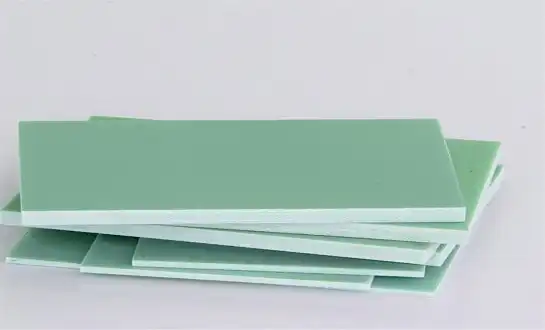
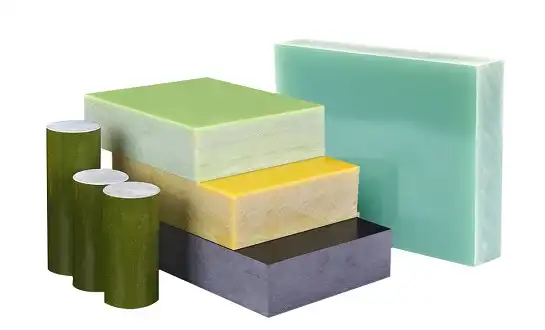
From Resin Impregnation to CNC Milling: Our FR4 Workflow
Through carefully monitored steps, our complete FR4 production cycle turns unfinished fiberglass and epoxy resin into precisely designed FR4 sheet materials. We follow strict quality standards at every step, from the initial glue impregnation to the most advanced CNC cutting processes. This way, we can provide reliable insulation materials for electronics, industrial machinery, and power uses. Our unified production method guarantees uniform material qualities, accurate measurements, and high-quality performance that meets the strict needs of today's electronics and electrical equipment.
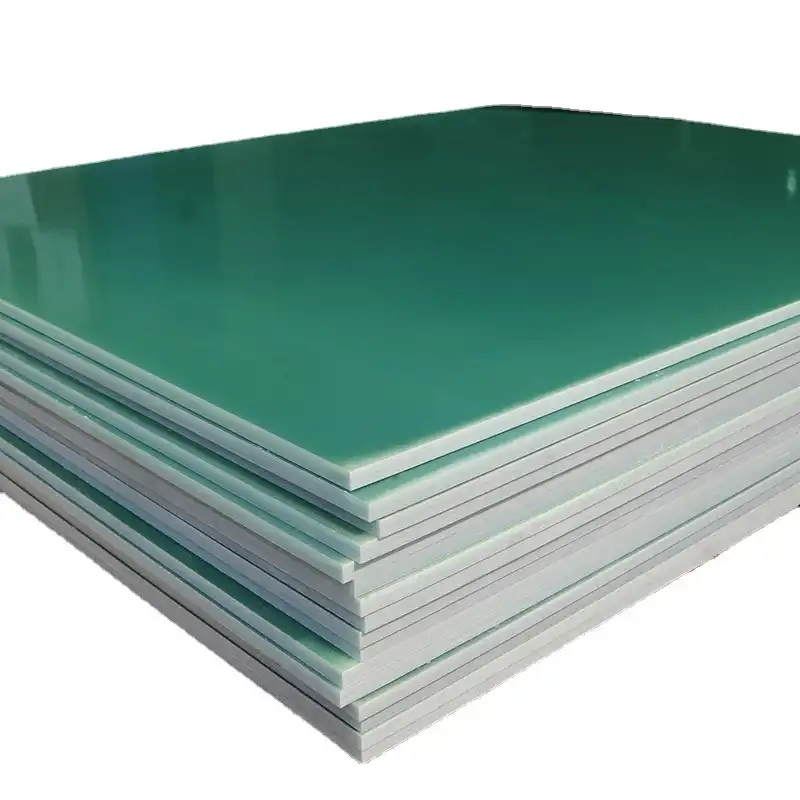
Understanding FR4 Material Properties and Manufacturing Foundation
We are very good at making things because we know a lot about the properties of FR4 material and how they affect the factors for processing. This information has a direct effect on every step of our production process, from choosing the raw materials to checking the end quality.
What Makes FR4 the Industry Standard for PCB Applications
Because they are so good at keeping electricity from flowing through them, FR4 materials are essential for making current electronics. Standard FR4 has a dielectric constant that is between 4.2 and 4.8 at 1MHz. This means that its electrical performance stays stable at different frequencies. Because of this, engineers can make circuits with known resistance properties and little signal interference.
Our FR4 goods meet UL94 V-0 standards for flame retardancy, which means they have self-extinguishing qualities that stop fires from spreading in important electrical systems. These safety features are especially important in places where electricity problems could put people or machines in great danger. Our materials keep their flame-retardant qualities even after being exposed to high temperatures and humidity for a long time.
Specifications for the glass transition temperature set the limits of FR4 materials' heat efficiency. Our standard grade FR4 stays structurally sound up to 130°C, and our high-temperature types work reliably above 170°C. This temperature stability makes it possible for steady performance in a wide range of settings, from industrial control systems to automobile uses.
Raw Material Selection and Quality Control Standards
The first step in our process for choosing materials is to carefully look at the specs and weave patterns of fiberglass fabric. We use E-glass fabrics that have controlled thickness limits and uniform properties for absorbing glue. The mechanical strength and electrical qualities of the end product are directly affected by the cloth weave pattern. This means that fiber direction and weave density must be carefully controlled.
The mixture of epoxy glue is a key factor in determining how well the end product works. Our resin systems have flame-retardant ingredients that keep working even after the resin hardens, keeping its mechanical and electrical qualities. Because of how they are chemically made, our epoxy systems stick very well to glass fibers and copper foils, so they work reliably in tough situations.
As part of quality control procedures for new materials, the glue content, cloth weight, and contamination levels are all checked in detail. Every package of raw materials goes through batch testing, and we keep thorough records that make it possible to follow the materials all the way through the production process. These strict standards make sure that the quality and performance of every production run are the same.
Stage 1 - Resin Impregnation Process: Creating the Foundation
By carefully controlling the resin's spread and hardening conditions during the resin impregnation stage, we can set the basic properties of our FR4 goods. The mechanical strength, electrical qualities, and physical stability of the finished materials are all determined by this important step in the process.
Prepreg Preparation and Resin Distribution Techniques
Our controlled resin content application methods use high-tech measuring systems that keep the resin-to-glass ratios the same across the whole width of the web. We use several application stations, each with its own flow control, so we can work with different glue formulas and cloth weights. This methodical technique makes sure that the glue is spread out evenly while reducing loss and damage to the environment.
During impregnation, careful control of temperature and pressure is needed to get the best glue penetration without affecting the structure of the cloth. Our impregnation towers work at temperatures carefully managed between 160°C and 180°C, and the pressure is changed based on the thickness of the cloth and the density of the resin. To keep the quality of the product uniform, these factors are constantly checked and changed.
Monitoring tools keep track of where the glue is by measuring its thickness in real time and using standard checking methods. During each production run, our quality control team takes regular samples to check the resin amount and make sure the spread is even. Any changes from the set settings cause instant process changes to keep the final standards.
Curing Process Control and Quality Assurance
Multi-stage heating patterns make sure that epoxy resin systems cross-link properly and stop them from breaking down at high temperatures. Our drying stoves have temperature zones that are carefully controlled so that materials fix slowly without putting them under too much heat stress. The temperature profile changes depending on the thickness of the material and the type of glue used. Typical rounds last between 15 and 45 minutes.
Timing of pressure application and force spread for FR4 sheet are very important for getting the best qualities from a material. During the first heating step, we use controlled pressure to get rid of any air pockets and make sure the glue cures completely. As the temperature changes, the pressure profile adjusts to keep the glue from bleeding and the shape stable during the hardening process.
Real-time tracking tools keep track of how the fix is going by checking the temperature all the time and testing the properties every so often. Our process control systems change the temperature and pressure settings automatically based on the recorded fix state. This makes sure that the results are the same no matter what the environment is like or how the material changes.
Common Impregnation Challenges and Our Solutions
To keep the glue from bleeding and spreading unevenly, the viscosity, temperature, and pressure must be carefully balanced. We solve these problems by carefully controlling the heating profiles and making sure that the resin formulations keep the right flow properties throughout the impregnation process. Our quality control tools find early signs of process deviation so that changes can be made quickly.
To get constant electrical qualities, it's important to keep an eye on volatile material and wetness levels. Controlled humidity levels below 50% relative humidity are kept in our buildings, and our resin storing systems keep them from absorbing moisture while they are being handled and used. By pre-heating glass fabrics, any remaining wetness is removed that could stop the resin from curing or leave holes in the end product.
During the impregnation process, quality checks include measuring the resin content, looking for flaws, and doing some basic electrical testing. Our rejecting factors include specific limits for differences in resin content, surface flaws, and precision in measurements. Materials that don't meet these standards are either reworked or thrown away according to set procedures.
Stage 2 - Lamination Process: Building Multi-Layer Structures
The lamination method takes separate prepreg layers and combines them into multi-layer structures whose thickness and electrical properties can be carefully managed. This part of the manufacturing process needs high-tech tools and process control to make sure the parts are the right size and work well enough for current electronics.
Stack-Up Design and Layer Alignment Precision
Copper foil placing depends on high-tech tools that keep aligning errors to less than 0.05 mm across the whole screen. Our lamination presses use pin registration devices and visual alignment checking to make sure that the layers are placed correctly during the pressing cycle. This level of accuracy is very important for tasks that need to control resistance and keep the signal's integrity.
The order of the pre-preg and core materials is based on designed stack-up designs that improve electrical performance while keeping the mechanical balance. Our process engineers work closely with customers to come up with stack-up arrangements that meet specific electricity needs while still being easy to make. The ordering process takes into account changes in copper weight, the need for insulating thickness, and the way heat expands.
For vacuum application and air bubble removal, high-tech vacuum devices get rid of stored air before and during the lamination cycle. During the initial heating process, our presses keep the pressure level below 1 Torr. This makes sure that all the air is gone before the resin starts to flow. This process stops voids from forming, which could hurt the electrical performance or the hardness of the material.
Press Cycle Optimization for Different FR4 Grades
To get the best qualities from standard FR4 and high Tg FR4, the temperature and pressure profiles need to be changed. Standard FR4 materials cure well at temperatures around 175°C, but high Tg versions need temperatures close to 200°C to cure completely. Because our temperature and pressure patterns can be programmed, our press processes can handle these differences.
Profiling pressure and temperature for different widths makes sure that the material cures evenly across the cross-section. To keep the glue from running out in the inner layers of thick laminates, the curing time needs to be increased and the pressure patterns need to be changed. Our process experts make shapes that are perfect for each width range. This cuts down on the time it takes to fix the material while keeping its quality.
Cooling down steps and stress release techniques keep finished laminates from warping and losing their shape. Our controlled cooling method lowers the temperature slowly while keeping the pressure the same. This stops thermal shock and the buildup of leftover stress. To get the best flatness and structural stability, the cooling rate changes depending on the width of the material and the amount of copper in it.
Post-Lamination Inspection and Quality Verification
To measure thickness and check for tolerances, precise measuring tools that are set to NIST standards are used. As part of our quality control process, we measure each panel in more than one place and use statistical analysis to find patterns or differences in the way things are done. For normal goods, thickness limits usually stay within ±10% of the stated numbers.
Surface flaws, delamination, and checking the accuracy of the dimensions are all things that can be seen during a visual review. Our trained inspectors compare each panel to set standards to find flaws that could affect how the panels work or how they are processed in later steps. Each check comes with detailed paperwork that makes it possible to track the product through the whole production process.
Protocols for electrical tests for FR4 sheet check the insulating qualities, insulator resistance, and breakdown voltage. In our testing lab, representative samples from each production lot are put through a full electrical evaluation. These tests make sure that the product meets industry standards and customer requirements. They also find any differences in the way it was processed that might affect its performance.
Stage 3 - CNC Milling Operations: Precision Machining Excellence
Laminated FR4 materials are turned into precision-machined parts that meet exact size standards by our CNC milling processes. We can get very accurate results while keeping the quality of the edges and surface finish high thanks to advanced scripting methods and specialized tools.
Advanced CNC Programming for FR4 Material Characteristics
Tool path optimization methods take into account the unique ways that glass-epoxy materials can be machined. Our computer team comes up with cutting techniques that keep delamination to a minimum while still getting smooth edges. The tool paths use improved entry/exit strategies and climb milling methods to cut down on tool wear and improve surface finish.
Feed rates and spinning speeds need to be carefully tweaked based on the thickness of the FR4 and the shape of the tool. The normal range for cutting is between 10,000 and 20,000 RPM, and the feed rates are changed to keep the chip load per tooth constant. Our process factors are always getting better based on data from how well tools work and how well finished parts are made.
CAM software that changes cutting parameters based on local shape conditions is used in adaptive machining techniques for complex designs. These methods improve the rates at which material is removed while keeping the accuracy of the measurements and the quality of the surface. To get the best results, the design method takes into account how the machine moves, how the tool bends, and the properties of the material.
Tooling Selection and Maintenance for FR4 Processing
A study of the performance of carbide and diamond-coated tools shows that diamond-coated tools are much better at cutting FR4. Diamond-coated end mills usually last 10 to 15 times longer than carbide tools that aren't covered, and they keep their edge quality better. When you buy high-quality tools at first, they save you a lot of money over time because they last longer and work better.
Systematic tracking of cutting time, material amount, and quality data is used to keep an eye on tool wear and set replacement plans. Our tool management system keeps detailed records of how well each tool works, which lets us plan ahead for replacements and keep production running as smoothly as possible. Wear patterns that could affect the quality of the part or its accuracy in terms of size are found through regular inspections.
The glass fiber dust that is made during grinding is controlled by systems that collect it and keep the work area clean. Our industrial vacuum systems get rid of dust where it starts and keep work areas clean so that people and equipment are safe. Managing dust properly also keeps finished parts from getting dirty and makes tools last longer.
Dimensional Accuracy and Surface Finish Achievement
Tolerances for different types of FR4 depend on the properties of the material and how it is machined. Most standard FR4 materials have measurement limits of ±0.05mm, but grades with a lot of glass may need different settings to get the same level of accuracy. When it comes to important uses, our process can meet accuracy needs as low as ±0.025mm.
Edge quality standards include both how the edge looks and how it measures, like how rough it is and how straight it is. Our quality standards say the highest levels of delamination, edge chipping, and surface roughness that are acceptable. These levels make sure that the products work well in customers' situations. Regular measurements and records show that these standards are being met.
Surface roughness optimization approaches choose the right tools, set the right cutting settings, and use the right finishing methods. Surface finishes usually fall between 1.6 and 3.2 μm Ra, but this can change based on the need of the application and the properties of the material. When needed for certain tasks, special finishing processes can make surfaces smoother.
Quality Control Integration Throughout Our FR4 Workflow
At every step of the manufacturing process, our complete quality management system combines features for measuring, keeping an eye on, and controlling. This methodical approach makes sure that the quality of the output stays the same and makes it easy to find and fix process differences quickly.
In-Process Monitoring and Statistical Process Control
At each step of the manufacturing process, key data places record important quality factors. Temperature, pressure, thickness, and electrical qualities are all recorded instantly by our data collection tools. This makes full process records for every output lot. This information lets you improve processes in real time and look at long-term trends.
Implementing control charts for FR4 sheet keeps track of changes in the process and spots trends before they have an impact on the quality of the product. Our statistical process control system makes control charts for important factors automatically, showing when things are out of control and need instant attention. The system keeps past data that can be used for studies of process capability and efforts to make things better all the time.
Corrective action guidelines spell out how to handle different kinds of process deviations in a certain way. Our quality team keeps full records of how to deal with common process differences. This makes sure that quality problems are fixed quickly and correctly. The guidelines include steps for finding the root cause of problems so they don't happen again.
Final Inspection and Testing Procedures
Electrical property proof testing makes sure that the dielectric strength, surface resistivity, and spark resistance meet industry standards. Our testing lab keeps its tools set so that measures are always correct and can be repeated. Protocols for testing include both regular checks and full descriptions of all the properties of new goods or processes.
Validation of mechanical strength and thermal performance includes tests for bending strength, measuring the glass transition temperature, and figuring out the thermal expansion rate. These tests make sure that finished goods meet the needs of the application and keep their qualities the same from one production lot to the next. There are both normal test methods and unique processes that we can use for specific uses.
Documentation and tracking tools keep full records from the time the raw materials are received until they are shipped out. For each product, our quality control system keeps track of its lot number, processing factors, test results, and inspection data. This detailed paperwork makes it easy to answer customer questions quickly and helps with efforts to keep getting better.
Certification and Compliance Standards We Maintain
Adherence to IPC standards includes following the rules for materials, testing methods, and paperwork. Our quality system makes sure that we follow the IPC-4101 rules for base materials and the IPC-TM-650 test methods for checking properties. Regular checks make sure that rules are being followed and find ways to make things better.
The structure of our complete quality system is based on ISO quality management integration. Our ISO 9001:2015 certification shows that we are dedicated to managing quality and always making things better. The management method covers every part of our business, from checking out suppliers to helping customers.
Customer-specific requirement adjustment takes into account the fact that many applications need testing or paperwork that goes beyond what is required by standard requirements. Our quality team works closely with customers to learn about their specific needs and come up with the best ways to check them. Because of this, we can offer a wide range of uses while still meeting our high quality standards.
Conclusion
We make sure that the quality and performance of our FR4 sheet products are always the same by carefully monitoring and controlling every step of the process, from injecting resin to using a CNC mill. The all-around method makes sure that the electrical qualities, mechanical strength, and accuracy of the dimensions meet the strict needs of current electronic uses. Our quality control systems allow us to quickly meet customer needs while also providing full tracking and proof. We keep improving FR4 processing technology to meet the changing needs of the business. We have been making things for over 20 years and have specialized skills for a wide range of uses.
FAQ
What are the biggest benefits of your in-house resin impregnation and CNC milling processing versus processes that are done by someone else?
Handoff delays and quality differences between steps of the process are gone thanks to our combined approach. During the whole production process, we have full control over how the materials are handled, the climate, and quality standards. This means that the products are more accurately measured and delivered faster. The connection lets you check the quality in real time and make changes right away when process differences happen.
How can you make sure that the qualities of FR4 material are the same from one batch of production to the next?
At every step of the routine, we use statistical process control and watch it in real time. Our method for qualifying inbound materials, along with standard working settings and regular equipment testing, makes sure that each run is the same. Before being shipped, each factory lot goes through a lot of tests, and there is a lot of paperwork that makes it possible to fully track each lot.
Is it possible for your FR4 process to handle custom requirements for unique applications?
Our production method is very adaptable, so we can make FR4 with specific formulas, copper weights, and size needs. We work closely with our customers to come up with processing factors that meet the needs of each application while still meeting high standards for quality and speed in manufacturing. During the whole creation process, our engineering team is there to help with technology issues.
What quality assurances and tracking do you offer for your FR4 products?
There are full test results for all of the goods that cover their electrical, mechanical, and heat qualities. From the lot numbers of the raw materials to the final review, we keep full track of everything. Our building has ISO 9001:2015 and IPC standards to make sure consistent quality control. Documentation and testing that are relevant to the customer can be done if needed.
Partner with J&Q for Superior FR4 Sheet Manufacturing Excellence
J&Q uses cutting-edge production technology and years of knowledge to give you the best FR4 sheet options for your most important projects. Our streamlined process, which includes resin impregnation and CNC cutting, guarantees consistent quality, accurate control of dimensions, and dependable performance. We are a reliable company that makes FR4 sheets, and we offer full technical support, detailed testing documents, and flexible production options that can meet both standard and unique needs. As part of our one-stop service, we offer specialized transportation support that makes sure products are delivered on time and in good condition. Get in touch with our engineering team at info@jhd-material.com to talk about your unique needs and see the quality difference that comes from 20 years of production experience.
References
Harper, C.A. "Electronic Packaging and Interconnection Handbook: Fourth Edition." McGraw-Hill Education, 2018.
Coombs, C.F. "Printed Circuits Handbook: Seventh Edition." McGraw-Hill Professional, 2016.
International Institute for Printed Circuits. "IPC-4101 Specification for Base Materials for Rigid and Multilayer Printed Boards." IPC Standards, 2017.National Electrical Manufacturers Association. "NEMA LI 1-1998 Industrial Laminating Thermosetting Products." NEMA Standards Publication, 2019.
Prasad, R. "Surface Mount Technology: Principles and Practice: Third Edition." Chapman and Hall/CRC, 2020.
Wang, Z.D. "CNC Machining of Composite Materials: Handbook of Manufacturing Processes." Industrial Press, 2019.

Get a complete product list and quotation

J&Q New Composite Materials Company