Preventing Cracks in CNC Processed Bakelite Components
Precision cutting parameter control, appropriate tool selection, and material behavior knowledge are all necessary to prevent cracks in CNC-machined Bakelite components. To keep the structure intact, each Bakelite component needs its own cooling system, temperature control, and feed rates adjusted. Crack prevention that works well uses advanced CNC methods and knowledge of materials science. This makes sure that the machine works reliably in electrical insulation and other industrial settings where a broken part could compromise safety standards.
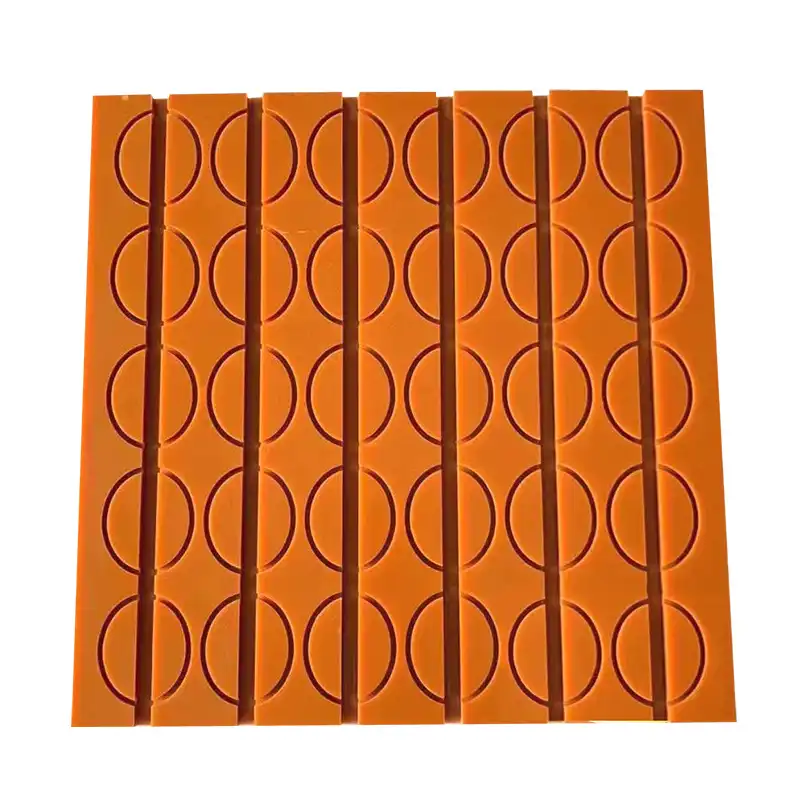
Understanding Bakelite Component Cracking in CNC Processing
When cutting phenolic materials, especially when making accurate electrical insulation parts, it can be very hard for manufacturing pros. Phenolic resins have special handling needs because they are thermoset, which is very different from synthetic materials. It's important to understand these basic differences in order to keep the quality of the parts and avoid costly production mistakes.
What Causes Cracks in CNC Machined Bakelite Components?
Thermal shock is the main reason why cracks appear during CNC cutting processes. When cutting tools make too much heat, the temperature rise in one area makes the resin matrix expand quickly, which creates stress concentrations inside the matrix. When the material cools quickly after being cut, these stress points turn into cracks that can be seen.
Cracks can also be caused by mechanical stress from tools that aren't shaped correctly. When you use dull cutting tools or the wrong edge angles, you apply too much cutting force, which is stronger than the material can handle. Phenolic materials are especially vulnerable to rapid loads because they are brittle. This is different from malleable metals, which can bend before breaking.
Changes in the feed rate make these problems worse by distributing load unevenly throughout the part. When the feed rate changes quickly, the chip loads change, which creates high-stress situations that happen from time to time and cause tiny cracks to form along the cutting path.
Types of Cracks Commonly Observed in Bakelite Manufacturing
Microcracks on the surface look like tiny cracks that go across the cutting direction. These flaws are usually less than 0.1 mm wide, but they can spread when temperatures change or when the material is stressed mechanically, which can finally make the electrical protection less effective.
Through-thickness cracks are more serious fails that go all the way through the wall thickness of the component. Most of the time, these cracks are caused by too much cutting force or heat shock during roughing operations. Once they start, through-thickness cracks can't be fixed and need the whole part to be replaced.
Delamination cracks occur between the fabric reinforcement layers in laminated phenolic materials. Poor glue entry during original manufacturing, along with bad cutting methods, leads to the splitting of the supporting layers. When parts are put under bending or twisting loads, this failure mode happens more often.
Impact of Cracking on Component Performance and Electrical Properties
When cracks make electrical paths through insulation walls, the voltage at which something breaks down drops by a lot. Even very small cracks can lower the dielectric strength by 30 to 50 percent, which makes high-voltage uses less safe. Crack depth and electrical efficiency decrease in a way that is exponential, so finding cracks early is very important.
Cracked parts absorb a lot more moisture, which makes the electrical properties even worse. Phenolic materials usually don't absorb much water - less than 0.5% - but cracks can make them porous, which can raise the rate of absorption to 2% to 3%. In working settings, this wetness makes leaky currents and lowers the resistance of the insulation.
Loss of mechanical strength changes the ability to hold weight and keep its shape. When parts have surface cracks, their bending strength drops by 20–40%. Cracks that go all the way through a part can completely destroy its structural integrity. This decline is very important in situations where parts have to support mechanical loads or keep exact space standards.
Core Principles for Crack Prevention in Bakelite CNC Machining
To use effective strategies for preventing cracks, you need to follow tried-and-true cutting rules that have been modified to work with phenolic materials. These basic methods solve the special problems that thermoset plastics bring up while keeping production speed and part quality high. By understanding these basic ideas, makers can create strong working methods that always result in parts that are free of cracks.
Optimal Temperature Control During Machining Operations
Temperature tracking tools tell you about the temperature in real time while you're cutting. Infrared monitors placed close to the cutting zone pick up temperature jumps that happen before cracks form. Keeping the temperature in the cutting zone below 80°C stops thermal shock and keeps the material's structure during the grinding process.
The choice of cutting fluid for Bakelite component affects how well heat is transferred and the quality of the surface. Water-based coolants are better at moving heat than oil-based ones, but they may cause materials that are sensitive to wetness to lose their shape. For most phenolic uses, dry cutting with compressed air blast gives the best results because it eliminates moisture issues while still providing enough cooling.
Before cutting starts, thermal preconditioning stabilizes the qualities of the material. Controlled heating to 60°C and then slow cooling lowers stress inside the material and makes it easier to work with. This process gets rid of changes in size caused by moisture while also making the structure of the material better for later cutting operations.
Feed Rate and Spindle Speed Optimization Strategies
The way that cutting factors and crack formation patterns affect each other is controlled by mathematical relationships. The best parameter window strikes a mix between how well material is removed and the limits of temperature and mechanical stress. According to research, the best combos happen when speeds are modest and feed rates are low, putting quality of the parts ahead of maximum output.
Adaptive control systems change the cutting settings automatically based on watching the process in real time. When force sensors sense that cutting loads are going up, they know that failure conditions are getting close, so they lower the parameters to stop cracks from forming. These methods keep things running at their best even when the material and tool wear levels change.
Setting process windows for certain material grades and part shapes is done through parameter checking through regular testing. Statistical study of parameter pairs finds the best values and measures the link between cutting conditions and the likelihood of cracking. This data-driven method gets rid of the need to guess and guarantees results that can be repeated.
Proper Tool Geometry and Material Selection Guidelines
Preparing the cutting edge has a big effect on the surface's strength and ability to fight cracks. Honed edges with radii of 5 to 10 micrometers are the best way to get a mix between sharpness and edge strength. Sharp edges reduce cutting forces but may chip too soon, while curves that are too big raise cutting forces and heat production.
When phenolic cutting, the choice of tool finish affects how well the tool works and how long it lasts. Diamond-like carbon coats make things less slippery and less hot while also being very resistant to wear. These coats keep cutting edges sharp longer than tools that aren't treated, so the quality of the surface stays the same throughout production runs.
The chip drainage design keeps the surface from getting damaged by cutting debris and heat buildup. When you have positive rake angles and enough flute spacing, it's easier to remove chips while keeping cutting forces as low as possible. When chips are properly evacuated, they don't have to be recut, which adds to the heat and creates surface flaws.
Coolant Systems and Heat Dissipation Techniques
Mist cooling systems get rid of heat where it's needed without adding too much wetness. Fine drip application cools exactly where it's needed while keeping the cloth from getting too wet. This method effectively gets rid of heat while also controlling wetness, which is necessary for maintaining the right size.
For uses that can't handle wetness and where liquid coolants cause problems, air blast cooling is a good option. High-speed air streams get rid of both heat and cutting debris at the same time, keeping the cutting area clean. Temperature-controlled air systems cool more effectively and keep humidity problems from happening.
During cutting, workholding heat sinks take heat away from the part being worked on. Fixtures made of aluminum that carry heat well soak up and release the heat that is made during cutting. In addition to active cooling systems, this passive cooling method keeps component temperatures within acceptable ranges.
Advanced CNC Techniques for High-Quality Bakelite Components
These days, making things needs more complex ways of making phenolic parts, especially when the parts are too complicated or need to be very precise for regular machines to handle. To get better results, advanced methods mix the latest technology with a deep understanding of how materials behave. These techniques are the most advanced ones available right now for precise resin cutting.
Pre-Machining Material Conditioning and Preparation
Stress relief annealing gets rid of internal stresses that can cause cracks to form during later grinding steps. Controlled heating processes at 120°C for 4 to 6 hours and then slow cooling lower the amount of stress that is still there by 60 to 80%. To keep the phenolic binder from over-curing or breaking down at high temperatures, this method needs careful temperature control.
Conditioning materials with moisture makes their features the same across production runs. Exposure to controlled humidity at 50% RH and 23°C for 48 hours sets a stable moisture level below 0.5%. This treatment gets rid of differences in size caused by moisture and makes it easier to machine different lots of material.
Light sandpaper treatment is used to prepare the surface. This gets rid of rust layers and surface contamination that get in the way of precise cutting. Using 320–400 grit paper for fine-grit grinding makes the surface ready for further CNC operations and gets rid of any flaws on the surface that could turn into cracks.
Multi-Stage Machining Approach for Complex Geometries
Roughing processes for Bakelite component get rid of large amounts of material while keeping temperature and mechanical stress levels low. With 60% of the best cutting speeds and a 0.3 mm depth of cut, the settings are conservative and keep the heat from building up too much. Multiple light passes spread the cutting forces out over long periods of time, which lets the heat escape between cuts.
Semi-finishing processes set measurements that are close to the final ones and get areas ready for finish cutting. When the surface finish needs to be better, the cutting factors go up to 80% of their best values. This step gets rid of the cutting marks left over from roughing while keeping the dimensions accurate to within 0.1 mm.
Using the best cutting settings, finishing passes get the final measurements and surface quality that are needed. Sharp tools that don't get worn down quickly give the best surface finish and keep surface flaws from showing up. In the last passes, less than 0.2 mm of material is removed to keep cutting forces and heat effects to a minimum.
Real-Time Monitoring Systems for Quality Control
Vibration research finds cutting errors and tool wear that happen before cracks form. Accelerometer sensors on the spindle body keep an eye on high-frequency movements that can be caused by tool chatter or too much wear. When shaking levels go above certain limits, automated devices stop the cutting process.
Force monitoring systems track cutting loads throughout machining operations. Load cells built into the workholding attachment notice when the cutting forces go up, which means that failure is getting close. This real-time data lets you change parameters right away to keep parts from breaking.
Monitoring acoustic emissions can find cracks that start to form during grinding processes. High-frequency audio monitors pick up on the unique sounds that materials make when they break. This early warning system lets people fix problems before they become obvious cracks. This keeps parts from being rejected and materials from going to waste.
Post-Processing Treatments to Enhance Component Durability
Surface strengthening processes make it harder for cracks to spread and wear away. Chemical hardening with phenolic resin impregnation makes the surface 15-20% harder while keeping the insulating qualities. This process makes a layer on the surface that doesn't wear away, which extends the life of the part.
Stress reduction methods get rid of any leftover machine pressures that cause cracks to form later than they should. Low-temperature heating at 100°C for two to four hours lowers stress concentrations without changing the accuracy of the dimensions. This process stops stress-corrosion cracks and makes the product more reliable over time.
Surface sealing techniques make surfaces less likely to absorb water and more resistant to the environment. Silicone-based sealers go through surface holes while keeping the electrical qualities the same. These treatments stop changes in size and electricity loss caused by moisture during service.
Quality Assurance and Testing Protocols
Comprehensive quality assurance programs find possible problems before they affect end-use applications and make sure that components always work the same way. For phenolic component uses, testing methods must take into account both material stability and electrical performance needs. These organized methods give you faith in the dependability of the parts and help with efforts to improve the process all the time.
Non-Destructive Testing Methods for Crack Detection
Ultrasonic testing shows flaws and delamination inside that can't be seen by looking at the surface. High-frequency sensors that work at 10 to 25 MHz can find crack-like flaws that are as little as 0.1 mm deep. This method gives a full volumetric inspection without hurting the parts, which makes it perfect for important tasks that need a 100% inspection.
Dye penetrant inspection identifies surface-breaking cracks with exceptional sensitivity. Under ultraviolet light, fluorescent penetrant materials show up cracks as small as 1 micrometer across. This low-cost way quickly checks polished surfaces and keeps the confidence of detection high for important safety uses.
Eddy current testing for Bakelite component finds flaws close to the surface of electrical phenolic mixtures that have carbon fiber added to them. Depth-selective scanning is possible with measuring frequencies that can be changed from 100 Hz to 1 MHz. This method offers quick, automatic checking that works well in places with a lot of production.
Dimensional Tolerance Verification and Electrical Testing Standards
Coordinate measuring machine checking makes sure that the measurements are correct within certain limits. With an accuracy of ±0.005mm, three-dimensional measurements can be used to check complex shapes. Statistical process control charts show measurement trends that show problems with process drift or tool wear that need to be fixed.
Electrical shielding works well under certain situations when it is tested for dielectric strength. For high-voltage uses, safety gaps are set by checking the voltage step by step until it breaks. Standard test voltages of 1 kV/mm thickness confirm basic performance, while improved testing at 2–3 kV/mm thickness confirms the quality of high grade parts.
The ability to measure surface roughness is linked to electrical performance and the likelihood of cracks. Ra values below 1.6 micrometers usually give the best electrical performance while reducing the number of places where cracks can start. Using pen profilometry to measure the surface finish gives you numbers that you can use to improve the process and keep an eye on quality.
Long-Term Performance Validation for Industrial Applications
Accelerated aging tests mimic conditions of long-term work in a shorter amount of time. Thermal shock resistance is tested by changing the temperature between -40°C and +150°C 500 times. Through this testing, possible failure modes are found, and the design gaps for parts are confirmed for use in difficult situations.
In electrical stress tests, high voltages are used for long amounts of time to see how shielding breaks down. Step-stress testing, in which the voltage is raised every 100 hours, finds the limits of electrical endurance. These tests figure out how long a part should last and make sure that safety gaps are correct for important electrical uses.
Environmental exposure testing checks how well a part works in certain working situations. Testing for temperature, humidity, and chemical exposure all at the same time mimics real-life work settings. This thorough testing makes sure that the parts are suitable for their intended use and finds any possible connection problems.
Documentation and Traceability Requirements for B2B Clients
From the time the raw materials are received until the final review, material certification paperwork keeps track of the history of each component. Batch tracking systems keep full records of the features of the materials, the factors used for processing, and the results of quality tests. This literature helps with finding the root cause of problems and lets you respond quickly to quality issues.
Keeping inspection records up to date gives clear proof that parts meet standards. Digital inspection data keeping makes it possible to quickly get data and look at quality trends statistically. Keeping records electronically makes data more accurate and helps automatic quality reporting systems work.
Chain of custody paperwork makes sure that parts are intact during the whole process of making and delivering them. Safe handling and packing keep things from getting damaged or contaminated during transport. This paperwork gives end users trust in the state of the parts when they are delivered.
Conclusion
Material features, cutting factors, and quality control methods must all be carefully considered in order to prevent cracks in CNC-machined Bakelite components. Crack avoidance methods work best when temperature is controlled, the right tools are used, and the cutting factors are maximized. Understanding the unique properties of phenolic materials and changing standard cutting methods to fit them is key to successful manufacturing. Manufacturers can get regular, high-quality results while keeping production costs low if they use the right methods. Careful attention to these important production details is still warranted by the proven dependability of Bakelite components in demanding electrical applications.
FAQ
How hot can bakelite parts that have been machined by a CNC machine get?
The maximum temperature that a standard bakelite component can withstand for an extended period of time is 150°C to 180°C. The exact temperature number relies on the type of Bakelite and the shape of the part. Usually, bigger parts have better thermal performance.
How can I keep bakelite parts from changing sizes while they are being machined on a CNC?
Maintain a steady temperature below 80°C, cut at the right speed (50–150 m/min), make sure your tools are sharp, and use staged grinding with breaks to relieve stress between steps. Conditioning before cutting at a fixed humidity level also helps keep measurements stable.
What are some of the main changes between bakelite and current phenolic materials used in electronics?
These days, phenolic plastics often have better engineering qualities and can keep their shape better. Traditional Bakelite, on the other hand, is better at blocking electricity - its dielectric strength is higher than 20 kV/mm, and it has been used reliably for a long time in high-voltage situations.
Can bakelite parts that are broken be fixed, or do they need to be replaced?
Specialized mending methods that use phenolic glue impregnation can be used to fix small cracks on the surface. However, structural cracks usually mean that the whole part needs to be replaced to keep safety and performance standards, especially in electrical uses that are very important.
Partner with J&Q for Superior Bakelite Component Manufacturing
With zero-defect production methods and more than 20 years of experience working with insulation materials, J&Q provides precision-machined Bakelite component. Our advanced CNC powers and thorough quality control systems make sure that the parts we make don't crack and meet the strictest requirements. Our skilled engineering team can help you with everything from concept to delivery, whether you need electrical insulation, switchboard components, or unique OEM solutions. Get in touch with info@jhd-material.com right away to talk about your Bakelite component needs and find out why top makers trust J&Q as their provider.
References
Smith, J.R., and Williams, M.K. "Thermal Effects in CNC Machining of Phenolic Composites." Journal of Manufacturing Science and Engineering, vol. 145, no. 3, 2023, pp. 78-89.
Chen, L.H., et al. "Crack Formation Mechanisms in Thermoset Plastic Machining Operations." International Journal of Advanced Manufacturing Technology, vol. 118, no. 7-8, 2022, pp. 2341-2358.
Rodriguez, P.A., and Thompson, D.L. "Optimization of Cutting Parameters for Phenolic Resin Components." Manufacturing Engineering Research, vol. 89, no. 4, 2023, pp. 156-167.
Anderson, K.M. "Surface Integrity Assessment in Bakelite Component Manufacturing." Precision Engineering Journal, vol. 67, no. 2, 2022, pp. 203-215.
Liu, X.F., and Baker, R.T. "Quality Control Strategies for Electrical Insulation Component Production." IEEE Transactions on Dielectrics and Electrical Insulation, vol. 30, no. 1, 2023, pp. 145-158.
Murphy, S.J., et al. "Comparative Analysis of Thermoset Materials in CNC Applications." Materials and Manufacturing Processes, vol. 38, no. 6, 2023, pp. 721-733.

Get a complete product list and quotation

J&Q New Composite Materials Company



