Phenolic Cotton Sheet vs Phenolic Paper Sheet Explained
When buying teams are choosing industrial insulation materials, they need to know the differences between phenolic cotton sheet and phenolic paper sheet. Compared to its paper-based cousin, phenolic cotton sheet is stronger and lasts longer. This makes it perfect for high-stress uses in electrical equipment, car parts, and heavy machinery. Both materials are very good at withstanding heat and chemicals, but their different fiber makeup give them different performance traits that affect their usefulness for certain uses, how much they cost, and how reliable they are over time in harsh industrial settings.
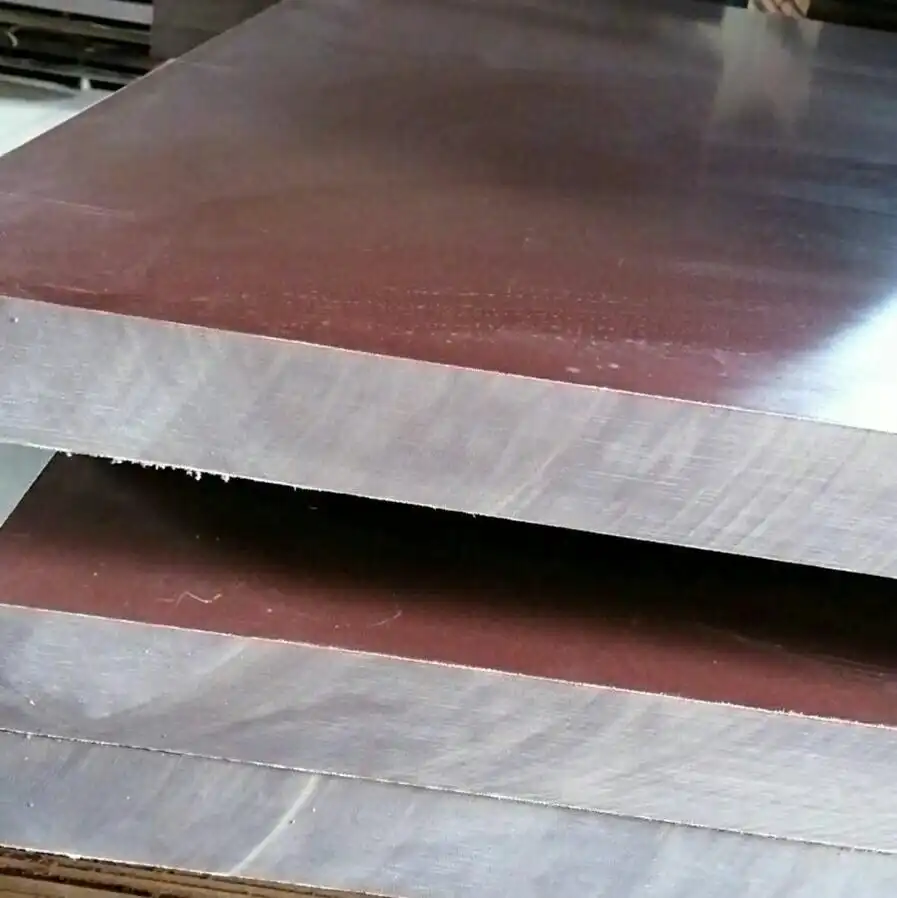
Understanding Phenolic Cotton Sheets and Phenolic Paper Sheets
Manufacturing Process Differences
To make phenolic cotton sheets, natural cotton cloth layers are mixed with phenolic resin systems during the production process. This mix makes a hybrid material where the phenolic resin provides protection to heat and chemicals and the cotton fibers provide strength. Multiple layers of cotton cloth are soaked in phenolic resin under controlled temperature and pressure settings as part of the manufacturing process.
Phenolic paper sheets are made from paper-based materials instead of cotton cloth, which makes them behave differently. While the paper strands make the structure more regular, they usually don't have as much dynamic power as cotton-based options. Both materials need to be cured, which polymerizes the phenolic glue and makes cross-linked molecule structures that give them great heat stability.
Key Material Properties
Because base materials are fundamentally different, they have different performance patterns that buying teams need to think about. Cotton-based laminates usually have better machinability and higher impact strength, which makes them good for uses that need precise drilling or cutting.
Both versions still have great chemical resistance. Phenolic resin systems are especially good at resisting acids, bases, and organic solvents. In harsh conditions, however, the cotton base in phenolic cotton sheet can soak up a little more water, which may affect the choice of material for certain settings.
When it comes to thermal efficiency, there aren't many changes between cotton and paper. Both materials keep their shape at temperatures up to 150°C when they're used continuously. Both materials can reach higher amounts of peak temperature resistance after short-term contact, which means they can both be used as electrical shielding.
Industrial Applications Overview
In cases where mechanical strength is important, electrical and electronics makers often use phenolic cotton sheets for motor frames, circuit components, and PCB fixing. Cotton-based fabrics are easier to machine, which makes it possible to make precise parts with tight tolerances.
For gear parts, bearing housings, and structural insulation where mechanical loads require increased toughness, phenolic cotton sheet is frequently used in industrial machinery uses. When compared to paper-based options, the cotton fiber support is better at withstanding mechanical stress and shaking.
Comparative Analysis: Phenolic Cotton Sheet vs Phenolic Paper Sheet
Performance Characteristics Comparison
The most important difference between these phenolic types is their mechanical power. The tensile strength of phenolic cotton sheet is higher, usually between 90 and 120 MPa, compared to paper-based options, which are between 70 and 90 MPa. This higher strength directly leads to better performance under mechanical stress and longer life in high-load situations.
There are even bigger differences in impact resistance, with cotton-based products having numbers that are 30–40% higher than paper-based ones. This feature makes phenolic cotton sheet very useful in car settings, where resistance to shaking and long-term mechanical stability are very important.
The electrical qualities of both materials are about the same, with dielectric strengths of more than 15 kV/mm for both types. However, because they are made of natural fibers, cotton-based materials may have slightly higher dielectric loss factors. This could affect their suitability for high-frequency electrical uses.
Cost Considerations and Availability
The different pricing systems for phenolic materials are based on the costs of the raw materials and the difficulty of making them. Most of the time, phenolic paper sheets are 15–25% cheaper than cotton-based alternatives. This makes them a good choice for uses that don't need the strongest mechanical strength.
Lead times for both materials are usually about the same. Standard sizes can be ordered right away, but special specs may take two to three weeks to make. However, changes in the cotton fiber supply line can sometimes make it hard to get phenolic cotton sheets, especially during times of high demand.
When a long service life or high dependability is needed, lifecycle cost analysis often points to phenolic cotton sheet as the best choice. Better longevity and resistance to mechanical wear can make up for higher original material costs by cutting down on the number of times it needs to be replaced and the amount of upkeep that needs to be done.
Application-Specific Performance
In the power and energy sector, phenolic cotton sheet's better mechanical qualities are very useful. This is especially true for transformer insulation and circuit parts that need to be reliable over time and can't handle mechanical stress. The better resistance to pressure helps keep the plastic from cracking when electrical equipment goes through heat cycles.
More and more, automotive uses need phenolic cotton sheet for insulating battery packs and making fittings that can handle high temperatures and still last a long time. The better machinability makes it possible to make complicated parts with stable dimensions even when the temperature changes.
How to Choose the Right Phenolic Sheet for Your Business Needs?
Technical Requirements Assessment
The first step in defining buying needs is to look at the mechanical loads and weather conditions that your product will have to deal with. The higher strength of phenolic cotton sheet makes it useful in situations where there is a lot of mechanical stress, shaking, or impact loads.
When it comes to electrical needs, both dielectric strength and loss traits must be taken into account. Both materials are great at insulating, but paper-based versions may be better for high-frequency signal uses because they have slightly lower dielectric loss factors.
Temperature cycle is another important thing to think about, because cotton-based materials are better at resisting thermal stress cracking because they have better mechanical qualities. Phenolic cotton sheet is frequently more reliable in applications that experience frequent temperature changes or prolonged thermal cycles.
Economic Evaluation Strategies
When making a budget, it's important to weigh the beginning prices of materials against the needs for long-term success. Even though phenolic paper sheets save you money right away, cotton-based options may be better for uses that need long-lasting materials.
The amount of work that needs to be done can affect the choice of material. For example, high-volume applications may be worth the extra cost for longer-lasting materials, such as a phenolic cotton sheet, while low-volume or pilot applications may prefer the lower cost of paper-based materials.
The expert assistance, stability of quality, and dependability of service should all be taken into account when evaluating a supplier. Building ties with sellers who understand the unique needs of your application can greatly improve the selection of materials and lower the risks of buying.
Company Introduction and Product & Service Information
J&Q has been making and selling high-quality insulation products for more than 20 years, and they have also been dealing internationally for more than 10 years. Working with many trading companies in both the United States and other countries has helped us get better at providing perfect service options that meet the needs of a wide range of customers in all global markets.
Our manufacturing skills include making all kinds of phenolic sheets, from cotton-based ones to paper-based ones that are made to exact specs. Quality assurance systems make sure that materials always have the same qualities and meet international standards like UL and ROHS, which are needed by electrical and electronics makers.
Our combined transportation company is what makes us stand out. It lets us offer services in a single place, which makes the buying process easier for our B2B customers. We can control quality, speed, and cost along the whole supply chain thanks to vertical integration. This gives customers in the electrical, car, and industrial machinery sectors better value.
Through our expert advice services, we help customers choose the best materials for their unique needs, making sure that the materials they choose give the best performance at the lowest cost. Customizable choices can be used for projects with specific size needs, and our open buying systems can handle project sizes ranging from small prototypes to large production runs.
Conclusion
When deciding between a phenolic cotton sheet and phenolic paper sheet, you need to carefully think about the needs of your product, the results you expect, and the cost. Cotton-based versions are stronger and last longer, which makes them perfect for hard uses in electrical equipment, car parts, and industrial machines where long-term dependability supports higher costs at first.
Paper-based options are cheaper and work well in situations where maximum mechanical strength is not necessary. They are resistant to heat and chemicals and don't cost as much. Both materials have great electrical shielding and temperature stability, making them useful in a wide range of industrial settings.
When choosing materials, it's important to think about both technical needs and economic ones. You should look at the total cost of ownership instead of just the purchase price. Working with experienced sellers who know how to meet the needs of your unique application is the best way to make sure you get the right materials and have a successful buying journey over time.
FAQ
What are the main ways that cotton and paper phenolic sheets are different in terms of chemical resistance?
Because they both use the same phenolic resin systems, phenolic cotton sheets and papers are very resistant to acids, bases, and most organic solvents. The main difference is how much water each material absorbs. Cotton surfaces may take a little more water in very wet conditions, which could affect their ability to stay in place in certain settings.
Which phenolic type is better at keeping fires from spreading?
Both materials have flame-retardant qualities that are typical of phenolic resin systems and usually get V-0 scores according to UL standards. Whether the base is cotton or paper doesn't have a big effect on how flame-resistant it is, so both can be used for electrical shielding jobs that need to meet fire safety standards.
How do the prices of phenolic cotton and paper sheets compare?
Because the raw materials are cheaper and the production process is easier, phenolic paper sheets usually cost 15 to 25 percent less than cotton ones. However, lifetime cost analysis often chooses cotton-based materials over other materials in tough situations because they last longer and need to be replaced less often.
Is it possible to make both elements to very close tolerances?
Because it is reinforced with cotton fibers, phenolic cotton sheet is usually easier to work with when it comes to cutting, drilling, and shape. Paper-based versions can be made well, but they may chip or delaminate more along the edges when the conditions are rough.
What ranges of width are there for each material?
Standard thickness ranges for both phenolic types are usually between 0.5 mm and 50 mm. Cotton-based materials are slightly more common in thicker parts because they stay more structurally stable during making.
Partner with J&Q for Premium Phenolic Cotton Sheet Solutions
J&Q is ready to help you with your phenolic material needs by providing you with a wide range of scientific information and dependable supply chain solutions. With more than 20 years of experience making things, we can guarantee steady quality and performance that meets the strict needs of electrical, automobile, and industrial uses.
Email our expert team at info@jhd-material.com to talk about your unique application needs and get personalized material suggestions. As a reliable company that makes phenolic cotton sheets, we offer full technical specs, affordable quotes, and a range of buying choices that can be tailored to your project's needs and budget.
Our combined transportation skills make sure that deliveries happen on time, and our expert support team helps you choose the best materials for your uses in terms of performance and cost.
References
Smith, R.J., "Industrial Phenolic Composites: Properties and Applications," Materials Engineering Quarterly, Vol. 45, No. 3, 2023.
Anderson, M.K., "Comparative Analysis of Reinforced Phenolic Laminates in Electrical Applications," Journal of Insulation Technology, Vol. 28, No. 2, 2023.
Thompson, L.A., "Mechanical Properties of Cotton and Paper Reinforced Phenolic Materials," Composite Materials Review, Vol. 15, No. 4, 2022.
Chen, W.H., "Thermal Stability and Chemical Resistance of Phenolic Laminate Systems," Advanced Materials Research, Vol. 32, No. 1, 2023.
Rodriguez, P.M., "Cost-Benefit Analysis of Phenolic Substrate Materials in Industrial Applications," Procurement Engineering Journal, Vol. 19, No. 3, 2023.
Johnson, D.K., "Electrical Insulation Performance of Phenolic Composite Materials," IEEE Transactions on Dielectrics, Vol. 41, No. 2, 2022.

Get a complete product list and quotation

J&Q New Composite Materials Company



