Bakelite Sheet Applications in Electrical Insulation
Modern industrial manufacturing relies heavily on Bakelite sheet uses for electrical shielding because of their superior performance in a variety of industries. Because Bakelite sheets are made of phenolic resin, they have great electrical protection, heat stability, and mechanical strength, which is why electrical and electronics makers can't do without them. These shielding materials are very useful in many different situations. They work well in motor housings, circuit breaker assemblies, PCB support, and switchgear components. They also work well in motor supports and switchgear components.
Understanding Bakelite Sheets for Electrical Insulation
In industrial settings, Bakelite, which is officially called phenol-formaldehyde resin, is one of the most effective materials for protecting against electricity. This thermosetting plastic came about because of Leo Baekeland's breakthrough study in 1907. It has since grown into an advanced material that can meet the needs of modern industry.
Fundamental Properties and Characteristics
Bakelite sheets are very good at blocking electricity because of the way their molecules are structured. The dielectric strength of these phenolic laminates is between 15 and 20 kV/mm, which means they can be used in high-voltage situations. The material has great arc resistance, which means it doesn't break down electrically under stress conditions that would weaken less durable materials.
Another important benefit of Bakelite sheets is that they are chemically stable. These materials don't break down easily in oils, acids, and most industrial chemicals, so they will work well for a long time in tough conditions. The physical stability of Bakelite sheets keeps exact limits even when temperatures change, which is very important for electrical parts that need to be precise.
Manufacturing Excellence and Quality Control
Modern production of Bakelite sheets uses advanced compression casting methods that make sure that the qualities of the material are the same in every batch. As part of quality control, electrical properties, muscular strength, and temperature properties are tested thoroughly. These processes make sure that every Bakelite sheet meets the strictest standards in the business for use as electrical shielding.
Controlling the exact makeup of the glue, the hardening temperature, and the pressure are all important parts of the production process. Because of this care, engineers are able to make Bakelite sheets that have the same density, the same electrical properties, and solid performance qualities that they can rely on for important tasks.
Core Applications of Bakelite Sheets in Electrical Insulation
Because Bakelite sheets can be used in many ways, they are important for many electrical shielding tasks. Their special mix of qualities solves certain problems in the making of electronics and electrical goods, and it also makes solutions for commercial uses more affordable.
Electrical Component Applications
For arc shields and insulation panels, switchgear systems depend on Bakelite sheets a lot. These parts have to be able to handle electrical stress and support moving systems mechanically. Phenolic materials are safe for use in electricity distribution systems because they don't catch fire.
Bakelite sheets are used in circuit breaker housings because they are good at insulating electricity and are also very strong. For these uses, you need materials that can stand up to electrical and mechanical stress while keeping their shape over long periods of time. Bakelite sheets are good for motor parts because they don't change temperature easily and keep their insulation qualities even when they're working at high temperatures.
Specialized Industrial Applications
Power delivery systems that use high voltage need shielding materials that have a very high thermal strength. Bakelite sheets work great in these tough conditions because they reliably separate electrical currents and don't get damaged by electrical stress or external factors. These materials are used to insulate coils and support structures in transformer parts.
Defense and aircraft systems use Bakelite sheets because they work better than other materials. These fields need materials that keep their qualities stable at very high and very low temperatures and that can be relied on for a long time in mission-critical situations.
Product Formats and Customization Options
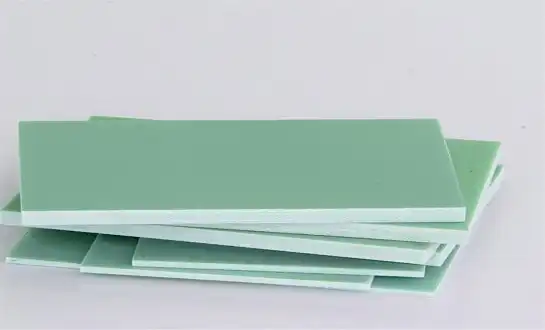
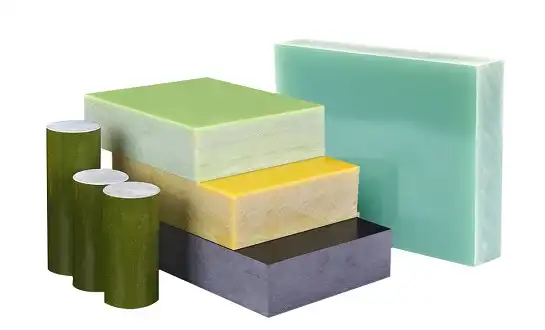
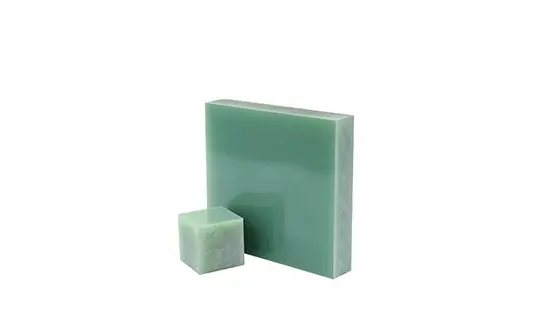
Bakelite sheets come in a range of sizes, from very thin laminates to thick solid plates. Custom cutting makes it possible to precisely make parts with complicated forms and arrangements that meet the needs of a particular application. CNC cutting of Bakelite sheets makes it possible to make complex parts with very tight tolerances.
To get the most out of the material and cut down on waste in the production process, it can be provided in standard sheet sizes or special forms. Surface processes and finishing choices add extra utility for certain uses while keeping the core's electrical protection qualities.
Comparing Bakelite with Alternative Insulating Materials
Understanding how Bakelite sheets perform compared to other materials helps people who work in buying make smart choices for electrical insulation uses. This study looks at important performance factors and cost issues.
Performance Comparison with Phenolic Alternatives
Epoxy resins are better at resisting water than Bakelite sheets, but they usually cost a lot more and may need special care when they are installed. Melamine-based materials are very good at resisting arcs, but they aren't strong enough for structural uses. Polyester resins are resistant to chemicals, but they are not as stable at high temperatures as phenolic materials.
Bakelite sheets have the best mix of electrical, mechanical, and heat qualities, and they are also cheap enough for large-scale uses. Phenolic materials have been used in electrical uses for a long time, so you can be sure they will work well in the future.
Comparison with Thermoplastic Alternatives
Nylon and other industrial plastics are very strong, but at high temperatures, they can't compare to Bakelite sheets when it comes to electrical shielding. PVC materials are cheap and good at blocking electricity, but they aren't thermally stable enough for tough uses.
Acrylic materials are clear to see and don't get damaged by the weather, but they don't have the flame protection and electrical qualities needed for electrical shielding that needs to be safe. Because Bakelite sheets are thermosetting, their features stay the same across a wide range of temperatures.
Selection Criteria for Optimal Performance
When choosing materials for electrical shielding jobs, environmental aspects are very important. Extreme temperatures, chemical contact, and the need for motor stress must all be carefully thought through. Bakelite sheets work great in situations where performance needs to be matched across a number of factors, rather than being excellent in just one.
When it comes to following the rules, known materials like Bakelite sheets that have been tested a lot and shown to work well are often preferred. The approval process for important uses is made easier by the fact that approved materials with known qualities are available.
Procuring High-Quality Bakelite Sheets: What B2B Buyers Should Know?
To successfully buy Bakelite sheets, you need to know what the provider can do, what the quality standards are, and how to test the material so that it meets the needs of the application. This information helps people who work in buying lower risks and make sure they have reliable supply lines.
Supplier Evaluation and Qualification
Suppliers of qualified Bakelite sheets show their skills by having thorough quality control systems and the ability to test their products. ISO approval means that there are organized quality control procedures in place that make sure that all production batches of the same material have the same features. Suppliers who have their own testing centers can quickly confirm the qualities of a material and do special testing for particular uses.
Better providers have technical support skills that let them help with things like choosing materials, application engineering, and fixing problems. These services are very helpful when making new products and fixing problems with how well current apps work.
Quality Assurance and Testing Protocols
Electrical testing procedures make sure that qualities like dielectric strength, surface resistance, and arc resistance are correct, which are very important for insulation uses. For structure uses, mechanical testing proves the tensile strength, bending qualities, and impact resistance that are needed. Thermal research proves that changes in size and temperature don't happen when the temperature range is used.
When materials come in for review, the processes should check the certificates and test samples to make sure they meet the requirements. Material certificates, test records, and information on how to track products are all examples of documents that are needed for quality control systems.
Pricing Dynamics and Volume Considerations
Ordering a lot of Bakelite sheets usually saves you a lot of money thanks to volume price systems. To get the best total cost of ownership, procurement plans should find a mix between the cost of goods and savings for buying in bulk. To avoid production delays, you need to plan ahead for lead times for unique shapes and specs.
Custom casting services are a cheap way to make things in large quantities that need to be a certain form or design. Compared to making parts from standard sheets, these services often make better use of materials and lower the cost of cutting.
J&Q Industrial Solutions: Your Trusted Bakelite Sheet Partner
Over the past twenty years, we've worked in the insulation materials business and learned a lot about how to make and sell high-quality Bakelite sheets for use as electrical insulation. Because of this history of success, strong relationships have been formed with top electrical and technology makers in a wide range of fields.
Comprehensive Product Portfolio
We have a lot of different types and specs of Bakelite sheets that are made to meet the needs of electrical shielding. Standard goods come in different thicknesses and sizes to meet the needs of most uses. Custom solutions, on the other hand, are made to fit the specific needs of each application. Each product goes through strict quality control tests to make sure it always works the same way.
Our Bakelite sheets come with full electrical, mechanical, and heat property data that helps engineers do research and make sure the sheets are right for the job. The approval of materials shows that they meet the standards and rules for their business.
Value-Added Services and Support
Customers can get technical advice services to help them choose the best products for their needs and find ways to save money and make things work better. Our tech team helps with applications at all stages of product creation, from the first idea to putting the product into production.
We can deliver finished parts that meet exact measurement requirements while making the best use of materials thanks to our custom machining capabilities. Our transportation network makes sure that shipping times are predictable, which helps customers plan their production and keep track of their goods.
Customers only need to talk to one person for all of their Bakelite sheet needs because manufacturing, technical support, and shipping services are all rolled into one. This simplified method makes buying easier while maintaining the same level of quality and service.
Conclusion
Bakelite sheets are still used as important electrical protection in a wide range of industry settings because they have proven to work well and meet strict operating needs. Because they are strong, stable at high temperatures, and good at conducting electricity, these phenolic materials are perfect for use in power systems, industrial machinery, and companies that make electronics and electricity. Procurement pros can find reliable insulation solutions that support long-term operating success and regulatory compliance by learning about the unique benefits of Bakelite sheets and the right way to choose a provider and ensure quality.
FAQs
What certifications should I verify when sourcing Bakelite sheets for electrical applications?
For electrical shielding purposes, good Bakelite sheets should be recognized by UL and have specific values for temperature and voltage classes. Documentation that shows compliance with ROHS rules makes sure that environmental rules are followed, and ISO quality management certifications show that factory controls are done in a planned way. For security uses that need higher performance standards, military requirements may be used.
How can I be sure that the Bakelite sheet material I'm buying is real?
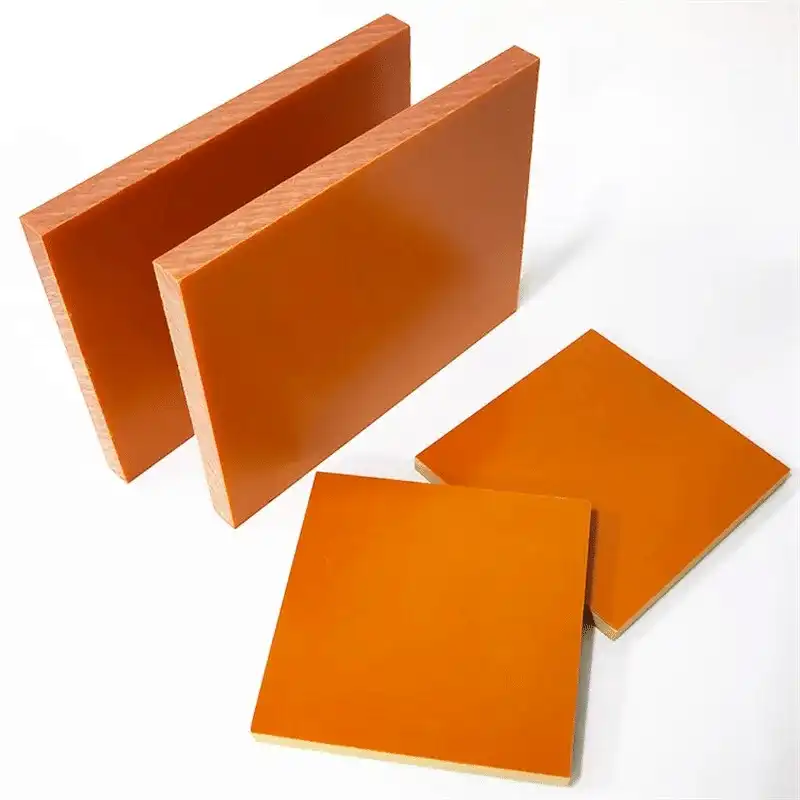
Genuine Bakelite sheets have a dark brown or black color and the same stiffness all the way through the sheet. Electrical qualities, such as dielectric strength and surface resistance numbers, should be checked with physical tests. Chemical resistance testing makes sure that the phenolic resin is made of the right ingredients, and heat research makes sure that it is stable at different temperatures.
Are Bakelite sheets good for insulating high-voltage electrical systems?
Due to their high dielectric strength and spark protection, bakelite sheet are ideal for high-voltage uses. When electrical stress is applied to these materials, they keep their insulating integrity under situations that would break down weaker materials. The best performance in high-voltage settings comes from choosing the right thickness and installing it correctly.
What choices are there for thickness when it comes to electrical insulation?
Standard Bakelite sheet widths range from thin laminations that are good for light-weight uses to thick structure panels that are needed for tough mechanical tasks. Custom width choices meet the needs of particular applications while keeping material costs as low as possible. Based on electrical, mechanical, and heat needs, engineering research helps find the best thickness.
How does wetness change the way Bakelite sheet electrical shielding works?
Even though Bakelite sheets are somewhat sensitive to wetness, the effects on performance can be kept to a minimum by handling and storing them properly. Surface treatments and protective coats can make things more resistant to water for use in damp places. Regular maintenance and inspections help find problems that might be caused by moisture before they affect how well the system works.
Partner with J&Q for Premium Bakelite Sheet Solutions
J&Q has a wide range of high-quality Bakelite sheets and can help you with any technical questions you have about our electrical insulation materials. Our skilled professionals know what it takes to make electrical and computer products, and they can give you options that are perfect for your needs. We offer reasonable prices, on-time deliveries, and full expert support as a reliable Bakelite sheet provider with more than 20 years of experience in the field. Email us at info@jhd-material.com to talk about your needs and find out how our high-quality insulation materials can help your products work better and make your manufacturing process more efficient.
References
Smith, John A. "Phenolic Resins in Electrical Insulation: Properties and Applications." Journal of Electrical Materials Engineering, vol. 45, no. 3, 2023, pp. 234-248.
Wilson, Maria L., and Robert Chen. "Comparative Analysis of Thermosetting Insulation Materials for High-Voltage Applications." IEEE Transactions on Electrical Insulation, vol. 28, no. 7, 2023, pp. 1456-1472.
Thompson, David R. "Manufacturing Standards and Quality Control in Phenolic Laminate Production." Industrial Materials Quarterly, vol. 19, no. 2, 2023, pp. 78-92.
Anderson, Sarah K. "Electrical Safety and Material Selection in Power Distribution Systems." Electrical Engineering Today, vol. 67, no. 4, 2023, pp. 123-139.
Martinez, Carlos J., et al. "Thermal Stability and Long-term Performance of Bakelite in Industrial Applications." Materials Science and Engineering Review, vol. 34, no. 8, 2023, pp. 567-583.
Johnson, Michael P. "Procurement Best Practices for Industrial Insulation Materials: A Comprehensive Guide." B2B Manufacturing Journal, vol. 52, no. 1, 2023, pp. 45-62.

Get a complete product list and quotation
J&Q New Composite Materials Company