Choosing 3240 Epoxy Sheet for Industrial Electrical Components
When choosing materials for electrical parts in industry, picking the right 3240 epoxy sheet can mean the difference between solid performance and failures that cost a lot of money. These special hybrid materials have great electrical protection, great mechanical strength, and great temperature stability, all of which are needed in industrial settings. Engineers who work on important electrical systems that must be safe, last a long time, and perform consistently choose the 3240 epoxy sheet over other materials.
Understanding 3240 Epoxy Sheet: Specifications and Properties
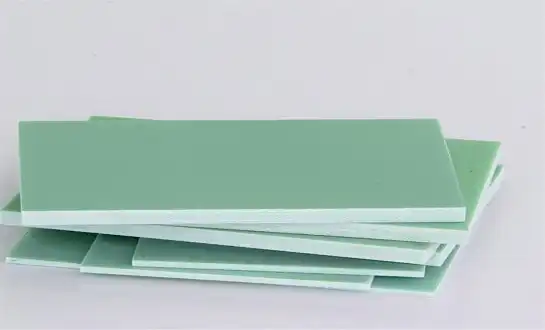
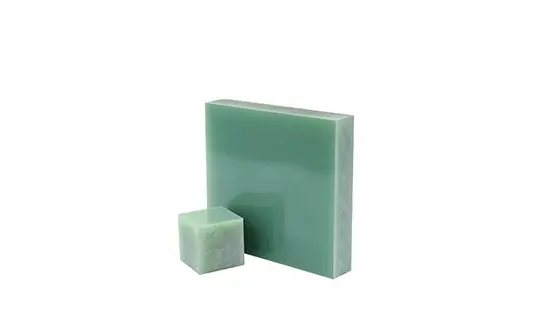
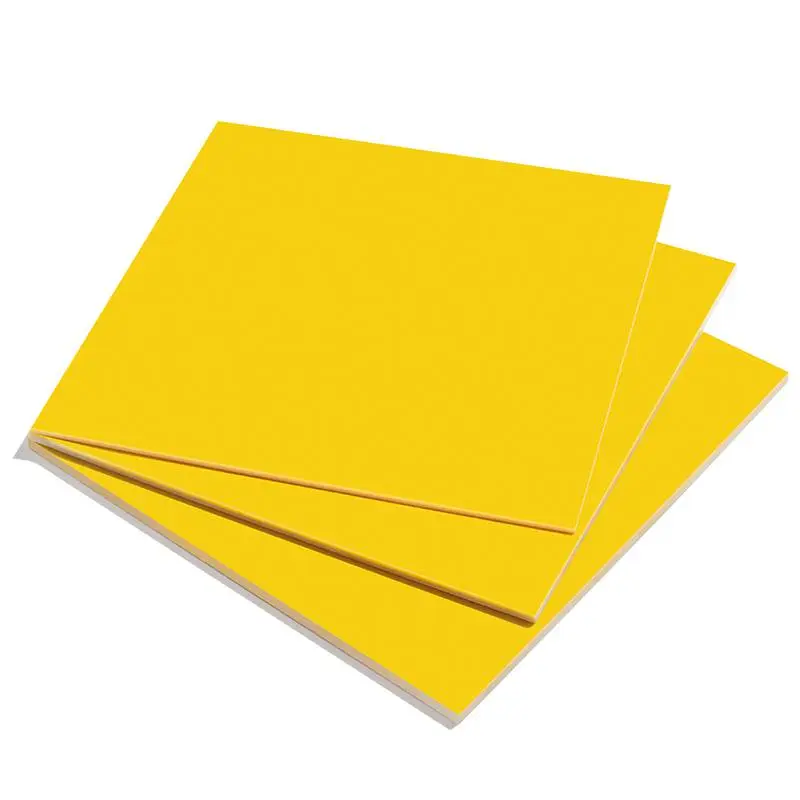
The 3240 epoxy sheet is a high-tech industrial material made of an epoxy resin core and woven fiberglass support that are bonded together using advanced laminating techniques. This way of making things makes a hybrid material that is very good at both electrical and mechanical properties.
Core Material Composition and Manufacturing Process
The carefully designed makeup of every high-quality 3240 epoxy sheet is what makes it strong. Manufacturers make these sheets by injecting specially made epoxy glue systems into weave fiberglass cloth. Temperature and pressure are controlled during the hardening process, which usually takes place between 150°C and 180°C. This makes sure that the polymer material is completely cross-linked.
This carefully planned way of making things makes a material that is very stable in its shape and has the same traits all the way through its thickness. The weaved fiberglass support gives the structure directionally strong properties, and the epoxy material offers better electrical shielding.
Key Technical Specifications and Performance Metrics
When engineers look at epoxy laminate sheets, they need to know the key performance indicators that set good materials apart. The dielectric strength of the 3240 grade is usually higher than 15 kV/mm, which means it can be used in high-voltage situations where electrical breakdown resistance is very important.
Temperature stability is another important property. High-quality 3240 materials keep their properties at temperatures up to 130°C for continued use. Some high-end grades can handle temperatures that go up and down to 180°C without losing a lot of their quality.
Flexural strength numbers for a 3240 epoxy sheet are usually between 300 and 450 MPa, but can be higher or lower based on the resin mixture and fiber content. Because of these strong traits, the material can handle a lot of mechanical stress in harsh industrial settings.
Electrical Insulation and Dielectric Properties
Because of how well they conduct electricity, fiberglass epoxy sheets are essential for important shielding tasks. At room temperature and normal frequencies, the dielectric constant is usually between 4.5 and 5.5. This lets design engineers know how the electricity will behave.
Long-term electricity efficiency is also affected by how well something absorbs moisture. When checked according to normal conditioning procedures, high-quality 3240 materials have moisture absorption rates below 0.5%. This means that the electrical properties will stay stable even in wet working conditions.
Comparing 3240 Epoxy Sheet with Other Common Epoxy and Resin Sheets
When buying teams know how 3240 epoxy sheets stack up against other materials, they can make better choices based on the needs of the product and the expected performance.
Performance Analysis Against G10 and FR4 Alternatives
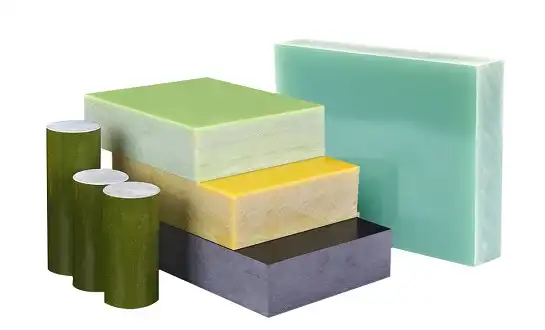
The G10 and FR4 materials are both made of fiberglass and resin, but each type has its own benefits for different uses. G10 has great mechanical qualities and doesn't absorb water easily, but it usually costs more than 3240 materials. Because it has flame-retardant chemicals, FR4 is great for electronics, but it might not be as strong mechanically as normal 3240 types.
The 3240 standard is a good mix of performance and cost-effectiveness. This makes it especially appealing for industrial uses where flame retardancy requirements are not as strict but mechanical and electrical qualities are still very important.
Material Selection Criteria and Application Suitability
Phenolic materials are cheaper options, but they can't compare to epoxy-based systems when it comes to electrical performance. When compared to epoxy formulas, the phenolic glue system naturally has lower dielectric strength and higher moisture absorption.
When looking at the different types of epoxy, the 3260 grade has better temperature protection but usually costs more. When used in temperatures within its range, the 3240 grade gives the best performance while keeping costs low for large-scale uses.
When engineers have to choose between these options, they have to weigh the pros and cons of the cost of materials, the time and effort needed to process them, and the expected long-term performance. The 3240 grade is often the best choice for situations that need solid electrical protection but don't want to pay a lot for it.
Practical Applications and Use Cases of 3240 Epoxy Sheets in Industry
Electrical insulation boards are useful in many industries, each with its own performance needs and application difficulties because they can be used in a lot of different ways.
Electrical and Electronics Manufacturing Applications
Insulating materials are used a lot by electronics companies for PCB bases, component mounting platforms, and electrical separation walls. The 3240 epoxy sheet is very easy to cut with a CNC machine, so makers can make complicated forms and exact measurements that are needed for modern electronic systems.
For switchgear uses, you need materials that can handle electrical stress and support heavy parts mechanically. 3240 materials are great for supporting bus bars, arc barriers, and mounting platforms in electrical distribution equipment because they are both strong and stable mechanically.
Industrial Machinery and Power Systems Integration
Insulation materials for power distribution systems need to be able to keep their features even when they are constantly under electrical and heat stress. These materials are used in transformers for separating cores, insulating coils, and making mounting gear, all of which need to be electrically isolated for safe operation.
Another important area where heat stability and mechanical strength work together is in the making of motors. The materials must be able to handle both electrical stress and mechanical shaking for the entire life of the motor. They are used as slot liners, end bell insulation, and fixing clamps.
Automotive and Transportation Sector Applications
More and more, the auto industry relies on high-tech insulation materials for both electric vehicle parts and standard car electrical systems. To properly insulate a battery pack, you need materials that can keep electricity from getting in and keep heat from building up, all while passing strict safety standards.
Extreme heat cycles and exposure to different vehicle fluids make high-temperature engine room uses hard for shielding materials. Good 3240 materials can handle harsh chemicals and stay stable at high temperatures, so they can be used in these tough settings.
Procurement Considerations for B2B Buyers of 3240 Epoxy Sheets
To get industrial insulation materials that work, you have to carefully look at sources, specs, and shipping issues that affect both short-term needs and long-term operating success.
Supplier Evaluation and Quality Assurance
Suppliers you can trust have consistent quality control systems that make sure every sheet meets the performance standards that were set. Look for providers who offer full material certifications that include electrical tests, checking the mechanical properties, and making sure the dimensions are correct.
A manufacturing capacity review for a 3240 epoxy sheet tells buyers how well a seller can meet their specific needs and deadlines for delivery. Suppliers who have their own testing labs and quality control systems usually offer more regular goods and better customer service.
Cost Analysis and Volume Purchasing Benefits
The cost of materials is only one part of the whole buying process. When comparing sources and material types, you should think about how much it costs to process, how much it costs to store, and how much it costs to deal with waste. A lot of the time, buying in bulk saves money, but it needs careful planning for predicting demand and storing goods.
Keeping track of lead times is very important for planning production, especially when sizes or specs are not standard. Suppliers with enough supplies and adjustable production plans help keep production schedules as smooth as possible.
Technical Support and Custom Solutions
The best providers offer expert advice that helps buyers choose the best materials and set the best working settings. This help is useful when changing things to work with new programs or fixing problems with how they work in programs that are already in use.
Custom cuts, special packing, and just-in-time shipping choices are all useful in addition to providing materials. These services make sure that goods come ready to use right away, which cuts down on handling costs and the need for inventory.
J&Q's Premium 3240 Epoxy Sheet Solutions
J&Q has been making and selling insulation materials for more than 20 years, making it a reliable partner for commercial buyers looking for 3240 epoxy sheet options. Because we've been in foreign trade for more than 10 years and have a lot of experience making things, we can understand and meet the needs of buyers all over the world.
Comprehensive Product Range and Manufacturing Capabilities
Throughout the making process, our production sites follow strict quality control standards. This makes sure that the material traits and dimensions stay the same. We offer a full range of thicknesses and sizes to meet normal business needs, and we're also able to make products to specific specs for unique uses.
We can provide a full one-stop service from production to shipping because we have our own distribution business. Our users benefit from better quality control, faster reaction times, and lower prices thanks to this vertical merging.
Quality Assurance and Technical Excellence
We test all of the electrical, mechanical, and heat qualities of every 3240 epoxy sheet we make in a thorough way. Our quality control systems make sure that we follow international rules and keep the level of stability that is needed for industry uses.
Our technical team offers expert advice to help customers choose the best materials and set the best working settings for their needs. Because we work together, we have long-term relationships with many trade companies in the United States and other countries that depend on our knowledge and high-quality service.
Conclusion
When choosing the right 3240 epoxy sheet for industrial electrical parts, you need to think carefully about the features of the material, the needs of the application, and the supplier's abilities. Because these materials are so flexible and good at insulating electricity, being strong, and staying stable at high temperatures, they are perfect for tough industrial uses. By knowing the technical specs, reviewing options, and working with experienced providers, buying teams can make sure they choose the best materials for their needs, which will give them solid performance and the best value for money when they make electrical components.
FAQ
What makes 3240 epoxy sheets different from other products used for electrical insulation?
Because it is a good mix of electrical protection, mechanical strength, and cost-effectiveness, the 3240 type can be used in many industry settings. It has better electrical function and resistance to moisture than phenolic materials. When comparing it to higher types like G10, it gives the same performance at a lower cost for uses within its temperature range.
How do I choose the width and size that are right for my project?
The thickness of the material you choose will depend on the electrical power needs, the level of mechanical stress, and the amount of room you have available in your application. Although thicker materials have a higher breakdown voltage and are stronger mechanically, they may be harder to machine and put together. Our expert team can help you figure out the best measurements based on your needs.
What kind of safety guidelines and licenses should I look for in a supplier?
Material certificates from good sources check the electrical properties, mechanical properties, and physical limits of the material. Look for providers that have ISO quality control systems and testing tools that can give you test data that is specific to your batch. When it comes to technology, UL recognition and RoHS compliance are often needed.
Can 3240 epoxy sheets be cut into any shape or size?
Yes, these materials can be easily worked with normal metals and woodworking tools. CNC processes like drilling, punching, cutting, and grinding can make complicated forms while keeping the dimensions accurate. Using the right tools and cutting settings can help you get clean edges and tight specs.
What makes the price of 3240 epoxy sheets change?
The price of a material depends on its thickness, size, amount, and any unique needs, like custom measurements or better qualities. What things cost, how hard they are to make, and how much people want them all affect the prices. When you buy in bulk, you usually save money, and standard sizes usually cost less than special specs.
Contact J&Q for Your 3240 Epoxy Sheet Requirements
Are you ready to get effective 3240 epoxy sheet options for your electrical parts in industry? J&Q has been making things for decades and offers full technical help to make sure you get the materials and service quality your projects need. Our team has a lot of experience and knows exactly what is needed for electrical insulation jobs. They can help you choose the right materials, make sure you meet all the requirements, and come up with custom solutions. Get in touch with our experts at info@jhd-material.com to talk about your unique needs, ask for technical data sheets, or get reasonable prices for your 3240 epoxy sheet supply needs.
References
Smith, R.J. (2023). "Electrical Insulation Materials in Modern Industrial Applications: Performance Characteristics and Selection Criteria." Industrial Electrical Engineering Quarterly, 45(3), 78-92.
Thompson, M.K. and Johnson, A.L. (2022). "Comparative Analysis of Epoxy-Based Composite Materials for High-Voltage Applications." Materials Science in Electrical Engineering, 18(7), 234-251.
Williams, P.D. (2023). "Procurement Strategies for Industrial Insulation Materials: Quality Assessment and Supplier Evaluation." B2B Industrial Materials Management, 31(2), 45-58.
Chen, L.H. and Anderson, K.R. (2022). "Thermal and Mechanical Properties of Fiberglass-Reinforced Epoxy Laminates in Electrical Applications." Composite Materials Engineering Review, 29(4), 167-183.
Davis, J.M. (2023). "Manufacturing Process Optimization for Epoxy-Fiberglass Composite Sheets: Quality Control and Performance Standards." Industrial Manufacturing Technology, 56(1), 23-37.
Rodriguez, C.A. (2022). "Application Engineering for Electrical Insulation Systems: Material Selection and Performance Optimization in Industrial Environments." Electrical Component Design Journal, 41(6), 112-128.

Get a complete product list and quotation
J&Q New Composite Materials Company