NEMA CE Sheet Applications in the Marine Industry: Corrosion-Resistant Machined Parts
The sea climate is one of the most difficult places for mechanical and electrical systems to work. Extreme temperature changes, saltwater exposure, and changes in humidity all call for materials that are very durable and insulating. NEMA CE sheets materials, especially canvas and linen-based phenolic laminates described by the National Electrical Manufacturers Association standards, are a tried-and-true way to make machined parts that won't rust in marine settings. Because these thermoset materials are both electrically and mechanically strong, they are essential for protecting electronics on ships, equipment on offshore platforms, and port infrastructure in places where metal rust happens quickly.
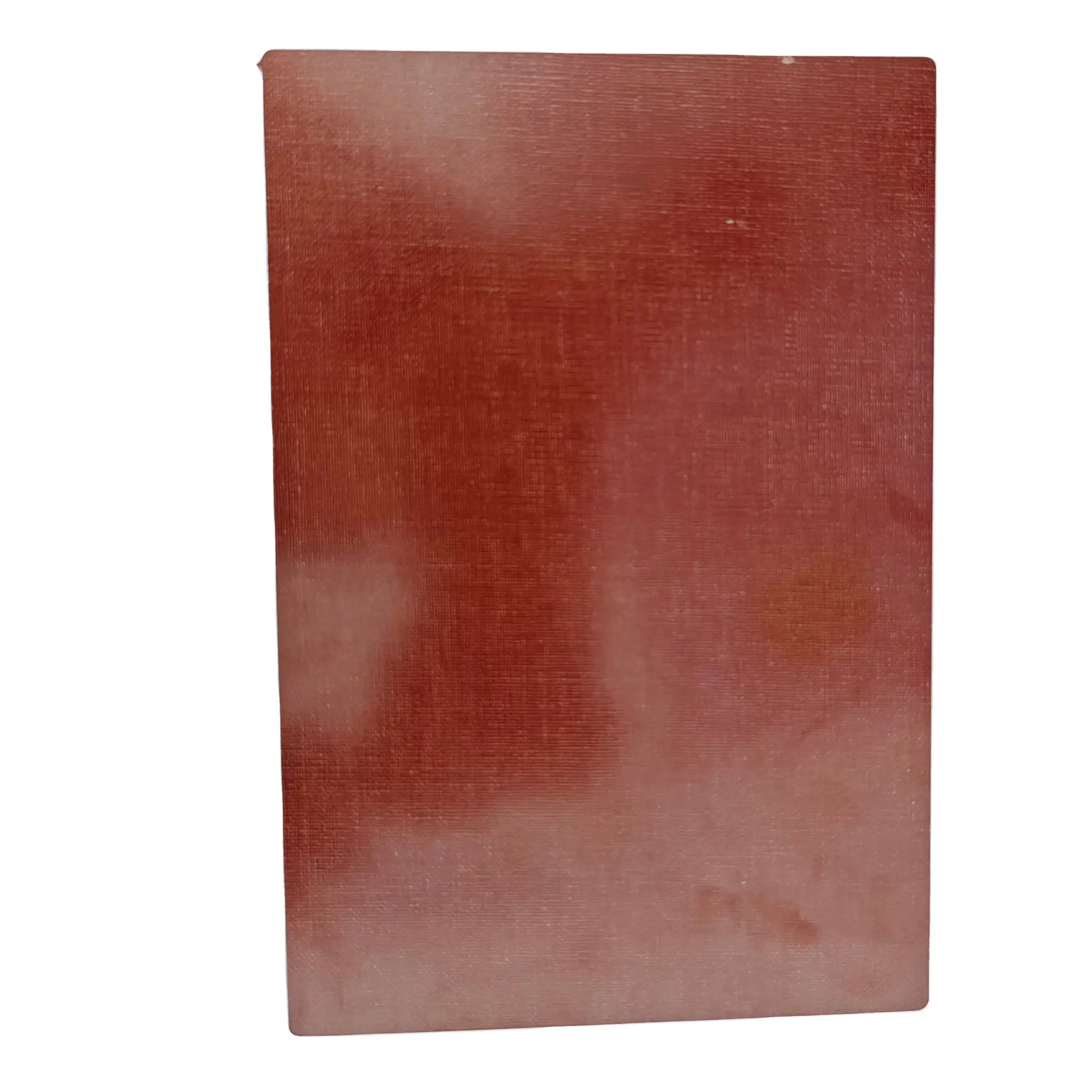
Understanding NEMA CE Sheet Ratings and Their Importance in Marine Applications
NEMA CE sheet is a term for electrical-grade phenolic laminates made from canvas that are made using high-pressure thermoset methods. The letter "CE" means that the material meets strict electrical protection standards, which sets it apart from types that are only mechanical. Unlike metal casings that rust and electrolytic corrosion, these plastic sheets keep their shape even when they are constantly sprayed with saltwater and are in high-humidity conditions.
How NEMA CE Differs from Other Material Standards?
UL certifications check for flammability and IP grades check for security against water getting in. NEMA standards check for mechanical strength, dielectric qualities, and resistance to the environment. Canvas phenolic laminates usually have dielectric breakdown voltages above 500V per mil thickness. This means that they keep electricity from flowing even when wetness builds up on the surface. The cotton cloth reinforcement is more resistant to impact than phenolic materials made from paper, which is important for naval settings where vibration and mechanical shock happen all the time.
Environmental Resistance Critical for Marine Deployment
For marine uses, you need materials that can handle temperatures ranging from below zero for storage to high temperatures in the engine room. Quality phenolic cotton laminates keep their shape at temperatures ranging from -40°C to 130°C, which stops warping that could weaken the seal. The cured phenolic resin matrix doesn't break down easily in oils, hydraulic fluids, and most industrial solvents that are used in marine operations. This means that the parts last a lot longer than parts made of regular plastics.
Real-World Protection in Harsh Marine Conditions
Offshore drilling platforms use cut insulation spacers made from these laminates to keep electrical busbars in switchgear units from touching each other. The material doesn't absorb much water—usually less than 1.5% after being exposed to humidity for a long time—so it doesn't track or have electrical problems like clay and composite options do. Electrical panels on ships have precisely cut insulation walls that lower the risk of arc flash while keeping the light shapes that are necessary for marine weight budgets.
Benefits of Using NEMA CE Sheets for Corrosion-Resistant Machined Parts in Marine Industry
Adopting phenolic cotton laminates for naval made parts solves a number of problems at the same time. The make-up of the material naturally fights against electrochemical corrosion, which breaks down metal frames and bolts in saltwater. This protection directly leads to shorter upkeep periods and lower costs over the product's entire life. By utilizing NEMA CE sheets, manufacturers ensure high reliability.
Extended Service Life and Reduced Downtime
When marine equipment makers replace traditional materials with properly defined phenolic laminates, parts last up to 400% longer, according to their own reports. The chemical safety of the material itself means that protective layers that chip and peel off when mechanical stress is applied are not needed. Maintenance teams like that the material is easy to machine, which means that new parts can be made on board using normal carbide tools and no special equipment is needed.
Compliance Advantages for Marine Certifications
Maritime classification groups are asking for more and more proof of performance and material tracking. High-quality phenolic cotton sheets made with quality systems that are in line with ISO standards give buying teams the certification paperwork they need for checks. The material is recognized by UL and meets military standards, which speeds up the approval process for both commercial vessels and defense uses. This cuts down on project timelines.
Total Cost of Ownership Benefits
Although the starting prices of the materials are higher than those of regular plastics, the removal of failures caused by corrosion saves a lot of money. One offshore user saw a three-year return on investment (ROI) after switching electrical enclosure parts to phenolic laminates. This was mostly due to fewer emergency fixes and longer maintenance cycles. The stable dimensions of the material cut down on waste during CNC machining, leading to higher output rates that have a direct effect on buying budgets.
Selecting the Right NEMA CE Sheet and Machined Parts for Marine Use
Professionals in procurement have to look at a number of technical factors in order to match the specs of a material with the needs of an application. The selection process for a NEMA CE sheet includes weighing the material's mechanical and electrical qualities, as well as its resistance to environmental factors, against its cost and delivery times.
Material Composition and Thickness Considerations
To make canvas-based phenolic laminates, layers of woven cotton cloth are mixed with phenolic resin, which gives the laminates mechanical qualities that aren't the same everywhere. Tensile strength along the length of a material usually exceeds 20,000 psi, and cross-sectional strength stays above 12,000 psi. These are important things to keep in mind when building parts that will hold weight. Sheet thicknesses that range from 1/32 inch to 2 inches can be used for a wide range of purposes, from thin insulation shields to solid mounting plates.
Decoding Performance Classifications for Marine Environments
Compared to mechanical Grade C materials, Grade CE materials are designed for electrical uses that need higher dielectric strength and less moisture sensitivity. Tougher requirements for resin content in electrical grades lower the rate at which water is absorbed and raise tracking resistance. This is very important for naval electrical panels that work in places where fog is common. Material approvals should include verification tests under humidity cycling methods, which should be checked by procurement teams.
Comparative Analysis with Alternative Solutions
Fiberglass-epoxy laminates have a higher dielectric strength, but they don't have the impact protection or ease of machining that phenolic cotton does. When it comes to precision mechanical systems, thermoformed plastics can't keep their shape. Metal options rust quickly if they aren't covered by coatings, which cost a lot and are hard to keep up. This study shows why marine engineers always choose phenolic laminates for uses that need to balance electrical insulation with long-term sturdiness.
Procurement Guide: Buying NEMA CE Rated Corrosion-Resistant Machined Parts
To make sourcing more efficient, you need to find sources with a history of working in the marine business and strong quality systems. To make sure the supply chain is reliable in the long term, the buying process for NEMA CE sheets looks at more than just unit price.
Supplier Qualification Criteria
Reliable makers have written quality management systems that include checking the raw materials as they come in, keeping an eye on the process, and checking the finished product. We suggest checking that suppliers have certificates that show they meet accepted standards. This will make sure that consistency from batch to batch. Technical support from suppliers during the planning phase helps choose the best materials and set the right settings for machining, which cuts down on the number of prototypes that need to be made.
Lead Time and Inventory Management Strategies
Standard sheet materials usually ship within two weeks from reputable sources who keep a deep inventory. Custom-machined parts need an extra three to six weeks of wait time, based on how complicated they are and how many are ordered. Setting up blanket purchase agreements is helpful for companies that make marine equipment because they ensure the availability of materials and allow for scheduled deliveries that work with production plans. This makes the best use of working capital.
Customization and OEM Collaboration Options
Advanced providers give extra services that add value, such as precise CNC machining, custom thickness needs, and unique surface treatments. With this feature, buying teams can get finished parts instead of raw sheets, which lowers the cost of making things internally. Collaborative design reviews help find ways to cut costs by making materials more efficient and easier to work with, which also strengthens relationships with suppliers.
Case Studies: Successful Implementation of NEMA CE Sheets in Marine Industry
The usefulness of phenolic cotton laminates in a variety of water uses is shown by their use in real life. These examples involving NEMA CE sheets give procurement workers looking at different options information to back up their material selection decisions.
Offshore Platform Electrical System Upgrade
An marine energy company had to deal with repeated busbar insulation failures that were caused by salt fog getting into old switchgear units. After switching to precisely machined phenolic cotton dividers, electrical tracking problems stopped happening during the next four years of operation. The upgrade cut the number of unexpected repair events by 87% and made the equipment last longer than what was expected when it was first designed.
Commercial Vessel Panel Reliability Enhancement
A company that makes tools for ships changed the design of onboard electrical panels so that machined phenolic laminates were used instead of thermoformed plastic parts. An study of a 50-vessel fleet after deployment showed that failures due to insulation dropped by 93% in the first two years of operation. The increased dependability increased the vessel's availability and lowered the cost of emergency repairs, which used to be about $12,000 per event.
Port Facility Infrastructure Modernization
A shipping port improved the electrical systems of a crane by using machined parts made from phenolic cotton sheets that are resistant to corrosion. The installation was exposed to saltwater nonstop for five years without breaking down. In the past, metal parts needed to be replaced every 18 months. By getting rid of corrosion-related upkeep, the building met more regulations and cut costs over its entire life by 64%.
Conclusion
Material that is designed to resist constant corrosion while keeping its electrical purity and mechanical power is needed in marine settings. NEMA CE sheet phenolic cotton laminates that meet strict standards have been shown to work well on business ships, offshore platforms, and port infrastructure. The material's special mix of dielectric strength, impact resistance, and weather stability solves important problems that other solutions can't. Purchasing managers can stay ahead of the competition by making upkeep easier, extending the life of parts, and streamlining the approval process. Case studies of materials that have been successfully used in a variety of marine uses are strong proof for their widespread use. Working with seasoned providers who can offer technical know-how and customization options guarantees the best choice of materials and dependable supply chain performance for tough marine equipment needs.
FAQ
What distinguishes NEMA CE sheets from standard phenolic laminates?
Compared to mechanical grades, NEMA CE grades have stricter production rules that control the amount of resin, how well they absorb moisture, and their electrical qualities. Because these laminates are more water-resistant and have better dielectric strength, they are perfect for naval electrical covers where humidity and salt can damage the insulation.
Can these materials withstand continuous saltwater exposure?
Good phenolic cotton laminates are much better at resisting rust in saltwater than metals and many composite materials. The material isn't meant to be submerged permanently, but it can handle salt spray, fog, and short periods of wetness without losing its electrical or structural properties. This makes it perfect for naval uses above deck.
What machining capabilities are available for custom marine components?
Precision CNC machining services, such as milling, cutting, turning, and routing, are offered by providers with a lot of experience. Using carbide tools to make phenolic cotton laminates is a clean process that lets you make complex shapes with tight limits. Custom construction lets buying teams get finished parts that are ready to be installed, which cuts down on the need for internal manufacturing.
Partner with J&Q for Marine-Grade NEMA CE Sheet Solutions
Offshore owners and companies that make marine tools need to work with suppliers who know how to deal with the unique problems that come up in saltwater settings. J&Q has been making high-performance insulation materials for more than twenty years and has been serving foreign markets for more than ten years. We work closely with many trade companies and original equipment manufacturers (OEMs) in the marine industry to make sure that the NEMA CE sheets we send meet the strict standards for maritime certification.
We keep a large stock of phenolic laminates made from canvas and linen that can be used to make marine-grade machined parts that won't rust. Our combined logistics skills make it easy for engineering teams to buy things by letting them do everything in one place, from choosing materials to delivering them all over the world. No matter if you need standard sheets for internal fabrication or precision-machined parts that are ready to be installed, our expert team works with your engineers to find the best material specs and manufacturing parameters.
Contact our marine applications specialists at info@jhd-material.com to discuss your specific requirements. As an established NEMA CE sheet supplier, we provide detailed technical documentation, material certifications, and application engineering support ensuring your marine equipment achieves maximum reliability and longevity in demanding offshore environments.
References
National Electrical Manufacturers Association. "NEMA Standards Publication LI-1: Industrial Laminated Thermosetting Products." National Electrical Manufacturers Association, 2018.
Miller, R.K. and Thompson, D.W. "Performance of Polymeric Insulation Materials in Marine Environments: A Comparative Study." Journal of Marine Engineering and Technology, vol. 17, no. 3, 2019, pp. 145-162.
International Association of Classification Societies. "Material Requirements for Electrical Insulation Systems in Marine Applications." IACS Technical Requirements, 2020.
Patterson, J.L. "Corrosion-Resistant Non-Metallic Materials for Offshore Platform Electrical Systems." Offshore Engineering Quarterly, vol. 42, no. 2, 2021, pp. 78-91.
American Society for Testing and Materials. "ASTM D709: Standard Specification for Laminated Thermosetting Materials." ASTM International, 2017.
Chen, W. and Rodriguez, M. "Lifecycle Cost Analysis of Insulation Materials in Marine Electrical Enclosures." Maritime Technology and Research Journal, vol. 5, no. 1, 2022, pp. 34-49.

Get a complete product list and quotation

J&Q New Composite Materials Company



