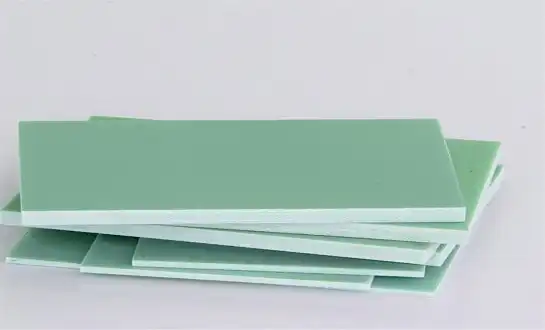
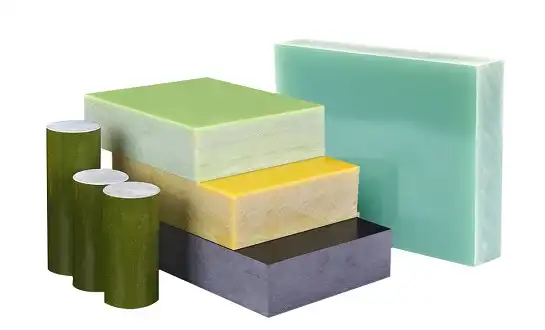
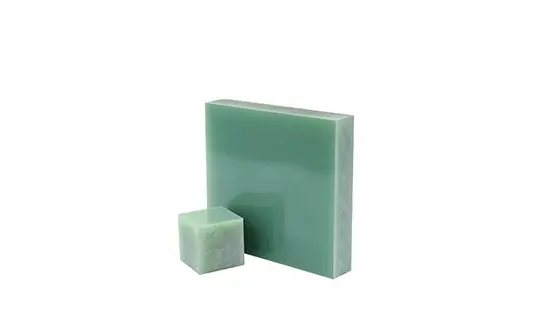
Mechanical Strength vs. Electrical Insulation: Finding the Balance with Bakelite Sheets
When engineers and purchasing managers choose materials for industrial uses, they often have to make a tough choice: they have to choose between how well the materials resist mechanical damage and how well they block electricity. Both of these qualities can be found in one piece of Bakelite sheet, which has great insulating properties as well as solid mechanical strength. This phenolic resin-based material has been used for more than one hundred years in fields from heavy machinery to electrical manufacturing because it doesn't make you give in. For your next project, knowing how to use its two strengths can make the result more reliable while keeping costs low.
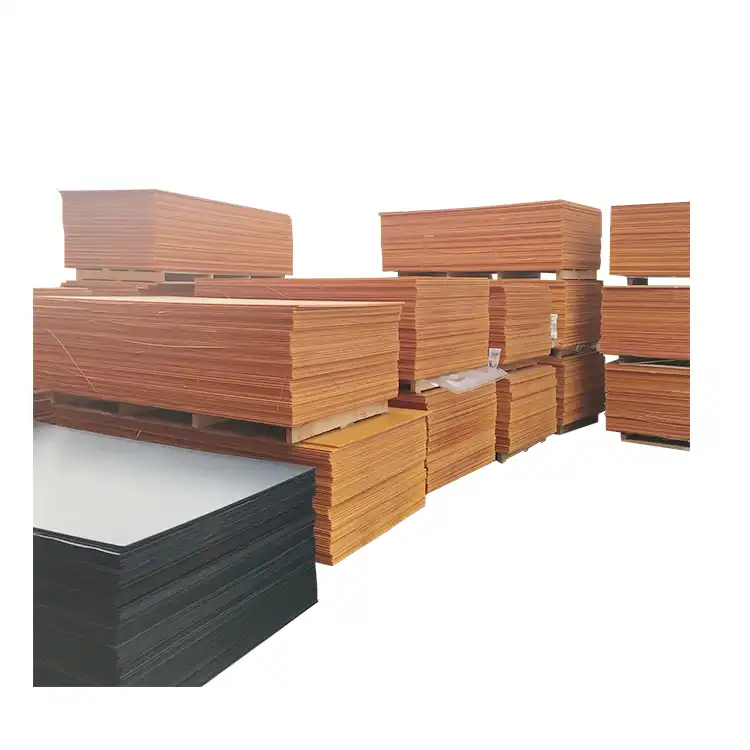
Understanding Bakelite Sheets: Properties and Applications
What Makes Bakelite Sheet Unique Among Industrial Materials?
Due to its thermosetting chemistry, Bakelite sheet sets itself apart from other plastics. This phenol formaldehyde glue cures into a stable, cross-linked molecular structure that keeps its shape even in tough conditions, unlike thermoplastics that soften when heated. Tensile strength of the material is usually between 40 and 60 MPa, and hardness is between 75 and 95 Shore D, based on the type of reinforcement used in the production process.
What makes this material unique is its dielectric strength, which is usually between 15 and 20 kV/mm and keeps electricity from breaking down in high-voltage areas. Electrical experts have told us that phenolic laminates are the best material for switchgear parts that work at levels above 10 kV, where cheaper materials would fail horribly. The material keeps these insulating qualities over a wide temperature range. In ongoing service up to 120°C, it usually works well.
Core Mechanical Attributes That Matter in Real Applications
Choosing the right reinforcements can make a big difference in how well phenolic laminates work mechanically. Paper-reinforced grades are great for cutting and pressing in the production of electrical parts because they are moderately strong and have a very smooth surface. Fabric-reinforced versions are better at resisting impacts and bending, so they can handle mechanical loads in bearing housings and structural spaces where movement needs to be kept to a minimum under long-term pressure.
Builders of industrial machines like the material because it doesn't wear down easily, which makes frictional parts like gears and guide plates last longer. Because the compression strength is often higher than 150 MPa, thin pieces can hold heavy loads without permanently deforming. Because of these qualities, OEM designers keep choosing phenolic laminates for uses where metal would be too heavy and thermoplastics wouldn't be stable enough in terms of shape.
Electrical Insulation Performance Across Industrial Sectors
Electrical features are still very important for distributing power and making gadgets. Good phenolic laminates usually have a volume resistance of more than 10^12 ohm-cm, which stops leaking currents that could damage the circuit. Even in wet places, where moisture absorption stays below 1% by weight after 24-hour immersion tests, this performance stays the same.
The arc resistance of the material is important to transformer makers because it stops tracking, which is the formation of conductive carbon lines, when electrical discharges happen on the surface. This trait has been shown to be very important in arc chutes and coil dividers, where short-term problems must not lead to long-term failure modes. The low dissipation factor (usually less than 0.05 at 1 MHz) keeps energy loss to a minimum in high-frequency uses. This means that phenolic laminates can still be used for some RF insulation needs, even though there are newer polymer options.
Balancing Mechanical Strength and Electrical Insulation: Technical Insights
How Phenolic Resin Matrix Determines Performance Balance
A condensation reaction between phenol and formaldehyde makes the phenolic resin matrix. This reaction makes a three-dimensional polymer network that can't be melted back together. This thermosetting behavior turns stiffening fibers like paper, cotton fabric, or glass cloth into a hard structure that spreads mechanical loads while keeping conductive parts electrically separate from each other.
The mechanical-electrical balance is directly affected by the amount of resin present. Higher resin ratio grades are better at resisting water and electricity, but they lose some of their mechanical toughness. With a resin makeup of about 35 to 40 percent, Grade XXX specifications work great in damp electrical settings. Grade X versions have less resin and more support, so they are better for structural uses where electricity requirements are not as strict.
Material Trade-Offs: When to Prioritize Strength or Insulation
When designers choose phenolic laminate types, they have to make real trade-offs. When making motor parts, Grade X or XX materials are often needed because they are more hard than they need to be for best insulating performance. When mounting clamps need to survive vibration and changes in temperature without cracking, the fabric reinforcement gives them better impact resistance.
On the other hand, PCB support systems and terminal blocks need Grade XXX or a similar high-resin type. Here, keeping the electricity from breaking down between wires that are close together is more important than mechanical loading, which is still pretty low in most electronic systems. It's better to make specification choices based on which failure mode is most likely to happen—mechanical fracture versus electrical breakdown—than to try to maximize both qualities at the same time.
Testing Standards That Verify Performance Claims
The ASTM D229 standard sets the rules for testing solid Bakelite sheet and plate materials that are used as electrical insulation. It also sets the standard ways to measure dielectric breakdown voltage, surface resistance, and dimensional stability. Procurement teams should make sure that sellers confirm that their products meet relevant ASTM standards, since differences in test methods can lead to inaccurate results when comparing vendors.
ISO 14125 sets standards for testing the flexural properties of fiber-reinforced plastic materials. These standards provide mechanical performance guidelines. When comparing different sellers, these guidelines make it possible to compare them on an equal basis. UL 94 flammability ratings—usually V-0 or V-1 for good phenolic laminates—make sure that electrical cabinets and power transfer equipment are flame resistant. Documentation that meets RoHS requirements makes sure that limits on dangerous substances are followed. This is especially important for companies that make goods for controlled markets.
Comparison of Bakelite Sheets with Alternative Materials
Phenolic Laminates Versus Epoxy-Based Alternatives
These days, most PCBs are made with FR4 epoxy glass laminates, which are better at keeping their shape and working at higher temperatures than normal phenolic grades. Because the glass support gives FR4 its high mechanical strength (flexural strength often exceeds 400 MPa), it is the best choice for uses that need precision and heat endurance above 130°C. However, phenolic laminates have clear benefits in cost-effective situations where mild working temperatures are needed and punching is chosen over CNC machining.
Epoxy phenolic blends try to fill this gap by mixing the machinability of phenolic resin with the thermal performance of epoxy. These specific grades are useful for certain tasks, but they usually cost more than other grades, which reduces their economic benefit. We've found that procurement managers get better value by making it clear that FR4 is best for high-performance electrical applications and that standard phenolic laminates are better for mechanical and general shielding uses.
Cost-Performance Analysis for Budget-Conscious Procurement
The cost of materials per unit area for phenolic laminates is usually 30 to 50 percent less than for similar FR4 grades. This saves a lot of money when making a lot of them. When it comes to manufacturing, this cost advantage grows: phenolic materials punch neatly with normal tools, but FR4 is so hard and abrasive that it usually needs CNC machining. Because phenolic standard can lower the cost of each part over time, it can be used in situations where FR4's technical performance would normally seem better.
This business fact is especially good for companies that make home appliances. Premium materials aren't needed for motor insulation frames, terminal boards, and heat barriers in products because phenolic materials work just fine for those jobs. The important thing is to correctly figure out what your application really needs in terms of speed, instead of over-specifying, which cuts into profits without actually making things more reliable.
Distinguishing Authentic Phenolic Materials from Substitutes
Problems with quality assurance happen when sellers use lower-quality materials or lie about the grade standards. Real phenolic laminates have a dark or black color that comes from the hardened resin, but surface finishes can sometimes hide this. When the material is cut or heated, it gives off a strong phenolic smell that can only be picked up by experienced procurement testers.
Density tests give us a way to be sure of the numbers. The density of paper-reinforced phenolics is usually between 1.30 and 1.45 g/cm³, and the density of cloth grades is between 1.25 and 1.40 g/cm³. Values that are very far outside of these categories should be looked into. By asking for certified test results that follow ASTM guidelines and having third parties test given materials on a regular basis, you can keep specifications from changing, which could affect how well the product works in the field.
Procurement Considerations for Bakelite Sheets: Guidance for B2B Buyers
Evaluating Supplier Credibility and Manufacturing Capability
Supplier selection for Bakelite sheet is more than just looking at unit prices. It also looks at things like quality control systems and how consistent the process is. Although ISO 9001 certification doesn't ensure subject matter knowledge, it does provide basic security of documented processes. Suppliers who work with tier-1 automakers or are authorized to make power distribution equipment usually keep tighter process controls. This is because these industries have strict qualification standards that make total operational discipline higher.
When your number needs change, production ability becomes important. When compared to batch methods, suppliers who use continuous laminating tools can keep thickness tolerances that are ±0.1mm or better. This consistency cuts down on waste during later steps of the process and problems with assembly fitting. When evaluating a source, we suggest asking for standard material certifications along with process capability data (Cpk values) for important measurements.
Strategic Thickness Selection and Bulk Purchasing Benefits
The thicknesses that are usually available are between 0.5 mm and 50 mm, but prices and wait times change a lot across this range. Most well-known sources have standard thicknesses (1mm, 2mm, 3mm, 5mm, and 10mm) in stock and ready to ship. However, custom measurements need to be made in dedicated production runs with minimum order amounts that may be higher than the total needs of smaller projects. Planning designs around standard widths speeds up shipping and makes prices more competitive.
There are several ways that bulk buying lowers per-unit costs: suppliers of materials don't have to make as many changes to the production line, shipping costs are cut by combining freight, and suppliers can make the best use of their raw material inventory by seeing what commitments are being made. We've been able to strike bulk deals that cut landed costs by 15–20% compared to spot purchases. However, these deals depend on being able to accurately predict demand and having enough storage space to handle larger shipments.
Navigating International Logistics and Lead Time Variables
The supply lines for phenolic laminates go through many factories around the world, but most of the production is in China, Europe, and North America. Chinese sellers usually have the best prices, but procurement managers need to be aware of the longer wait times (usually 6 to 8 weeks from order to delivery) and the fact that quality may vary from supplier to supplier. North American providers based in North America charge higher prices but can meet urgent needs faster and make contact easier.
Problems with moving containers in the past few years have shown how weak the supply chain is. Keeping qualified suppliers in two or more areas is called dual-sourcing. This strategy protects against transportation problems, but it needs more resources for managing suppliers. Lead times can change, which is why safety stock policies should take that into account. This is especially true for materials that support ongoing production lines, where running out of stock causes expensive downtime.
Best Practices for Using Bakelite Sheets in Mechanical and Electrical Applications
Machining Techniques That Preserve Material Properties
Phenolic laminates are easy to work with carbide tools, but high-speed steel bits quickly become dull because they are rough. Spindle speeds should be 15–25% faster than similar processes in aluminum, and feed rates need to be moderated to keep the exit edges from chipping. With climb milling, the edge quality is better than with regular milling, so you don't have to do as many extra deburring processes.
Getting rid of dust is much more important than just having the house clean. Fine particles are made during phenolic machining. These particles can be harmful to your lungs and can start a fire if they get close to sources of burning. HEPA-filtered industrial vacuums should be able to pick up dust right where it is being made. Some machinists like to cut without coolant because they don't have problems with water absorption, while others use little air blast cooling to make tools last longer during long production runs.
Handling and Storage Guidelines for Long-Term Performance
Phenolic materials take in water from the air around them, but high grades don't change in size when the humidity changes normally. When things are stored in climate-controlled spaces (40-60% relative humidity, 15-25°C), they don't go through extreme changes in wetness that can cause thin parts to warp. Materials should be kept in their original packaging until they are used. This is because protective wrapping keeps surfaces clean and prevents damage from handling.
Vertical storing racks keep bigger Bakelite sheets from sagging due to gravity, which is important for keeping them flat during precise manufacturing. Using first-in, first-out rules to rotate goods keeps materials from going bad too quickly, but phenolic laminates will still work for years if they are kept properly. Suppliers usually promise a shelf life of 12 to 24 months as long as the product is stored properly. After that time, a visual review and spot checks of the electrical properties prove that the product is still suitable.
Maintenance Approaches That Extend Installed Service Life
Placing phenolic parts in place doesn't need much upkeep, but checking them on a regular basis can find problems before they become functionally unusable. Surface tracking, which can be seen as darkened or carbonized paths between conductors, means that the material is under too much electrical stress for its arc resistance to hold up. Parts that show signs of tracking should be changed during regular repair windows, since tracking gets worse over time until it breaks.
Pay close attention if you are exposed to chemicals from cleaning products or process fluids. Most chemicals and oils can't damage phenolic laminates, but strong oxidizing acids and concentrated alkalis can damage the resin core. Maintenance instructions should list allowed ways to clean that don't damage the material. When mechanical wear happens on bearing or guide surfaces, gaps get bigger. Replacing worn parts before dimensional standards get worse keeps mating parts from getting damaged in the second place.
Conclusion
When phenolic laminates are properly defined, you don't have to choose between mechanical strength and electrical insulation performance. Knowing the connection between the amount of glue, the choice of reinforcement, and the needs of the application lets engineers choose the best material for the job. The material's 100-year history in a wide range of businesses shows that it can be trusted when grade standards are met by real-world service conditions. Because they are cost-effective and have been shown to work, phenolic laminates will continue to be useful even as new materials and plastics are developed.
FAQ
What determines whether Grade X or Grade XXX phenolic laminate suits my application better?
The difference is between electrical efficiency and mechanical force. Grade X has less resin and more support, so it is best for making mechanical parts like gears, spacers, and structural braces that need high tensile and flexural strength. Higher resin ratios are used in Grade XXX, which increases the dielectric strength and moisture protection that are needed for electrical shielding in damp places. Motor terminal boards are one example of an application that needs both mechanical stress and electrical insulation. These boards often benefit from middle grades (XX) that balance both qualities. Check the technical datasheet that comes with your provider to make sure that the grade specs match your load needs and voltage levels.
Can phenolic laminates withstand continuous outdoor exposure?
Long-term UV exposure breaks down phenolic resin slowly, resulting in surface chalking, darkening, and loss of electrical qualities over time. The material works well in commercial settings inside and for short periods of time outside. However, it should be avoided in situations where it will be in full sunlight for a long time. Instead, UV-stabilized materials or protective coatings should be used. Often, phenolic internals are used behind UV-resistant housings in outdoor electrical cabinets. This gives the thermal benefits of phenolic with the weathering protection of UV.
What cutting parameters prevent edge chipping during fabrication?
It is important to use carbide or diamond-coated tools with sharp edges because dull ones cause crooked exits and internal delamination. When getting close to the exit edges, slow down the feed rates by 30 to 40 percent compared to aluminum, and hold the workpiece tightly to stop chipping caused by shaking. Putting backing material under the cut line reduces the pressure of the tool when it breaks through, which greatly improves the quality of the edge. The results are better when you climb mill than when you cut in the usual way.
Partner with J&Q for Superior Bakelite Sheet Solutions
J&Q gives to every Bakelite sheet project more than 20 years of experience in production and ten years of experience in foreign trade. Our expert team works directly with your engineering and purchasing departments to make sure that the materials you buy meet all of your mechanical and electrical needs. This way, you don't have to pay extra for unnecessary specifications, and the quality of the materials you get is still high. As part of our committed transportation operation, we keep a large stock of standard grades and thicknesses. This makes sure that delivery to your building goes smoothly. Whether you're a well-known Bakelite sheet manufacturer seeking consistent supply or a new application developer who needs to customize the material, our quality assurance systems and quick technical help will make sure your project works. Get in touch with us at info@jhd-material.com to talk about your unique needs and find out how our bundled services can make your supply chain easier.
References
Harper and C.A. (2006). The Handbook of Plastics Technologies: The Complete Guide to Properties and Performance. McGraw-Hill Professional.
Laun, H.M. & Schmidt, G. (2015). Rheology and Processing of Thermoset Molding Compounds. Springer International Publishing.
Salamone, J.C. (1996). Polymeric Materials Encyclopedia, Volume 1. CRC Press.
American Society for Testing and Materials. (2018). ASTM D229-19: Standard Specification for Rigid Sheet and Plate Materials Used for Electrical Insulation.
Peters, E.N. & Arisman, R.K. (2011). Flame Retardancy of Polymeric Materials: Methods and Mechanisms. Taylor & Francis.
Biron, M. (2013). Thermoplastics and Thermoplastic Composites: Technical Information for Plastics Users. Elsevier Science.

Get a complete product list and quotation
J&Q New Composite Materials Company