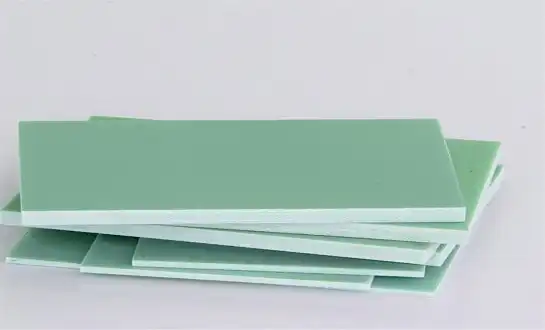
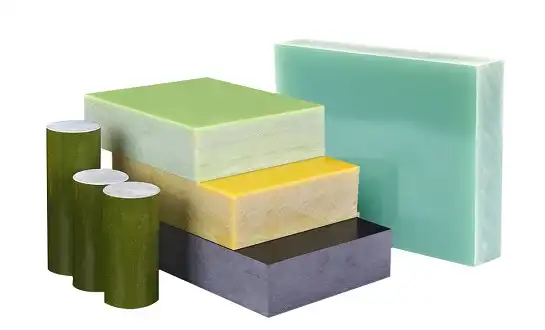
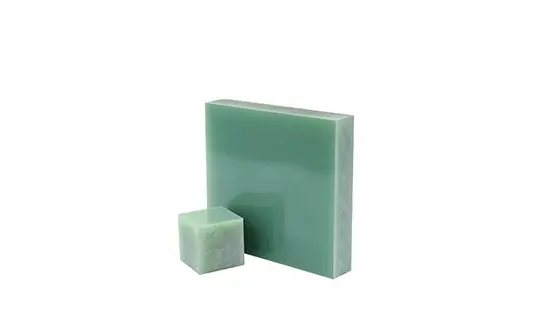
Manufacturing Electrical Insulation Parts from NEMA CE Sheets
To make electrical insulation parts from NEMA CE sheets, high-pressure phenolic cotton laminates must be turned into precisely designed parts that meet strict standards for electrical and mechanical performance. The National Electrical Manufacturers Association LI-1 standard describes NEMA CE sheet as a material made of layers of cotton cloth and phenolic resin. This makes a material that is both good at insulating and very easy to work with. It's important to pay close attention to the material choice, machining parameters, and quality checks during this process to make sure that the parts work well in switchgear systems, motor housings, and industrial machines where electrical isolation and structural stability are important.

Understanding NEMA CE Sheets and Their Role in Electrical Insulation
What Defines NEMA CE Phenolic Cotton Laminates
The NEMA CE sheet is a type of phenolic laminate that was specifically made for electrical uses that need a modest level of dielectric strength along with good mechanical properties. Multiple layers of cotton cloth were soaked in phenolic resin and then dried under controlled heat and pressure to make a thick, uniform composite. The cotton weave is better at resisting impacts and keeping its shape during heat cycles than phenolic grades made from paper. The "CE" label means that it can be used for electrical-grade tasks, which is different from mechanical-grade materials that don't have the polished resin formulation needed for reliable dielectric performance.
The process of making it makes a material that naturally lubricates itself. This makes it very useful in gear and bushing uses where metal-to-metal contact is not allowed. This property comes from the structure of the cotton fiber, which holds tiny pockets of resin that slowly release during contact. This makes the wear rate much lower than with metal options.
Key Performance Characteristics for Industrial Applications
When checking phenolic cotton laminates for making insulation parts, there are a number of technical factors that directly affect how well they work for the job. Dielectric strength is usually between 300 and 400 volts per mil thickness, which is good enough for most low- to medium-voltage barriers but not enough for high-voltage transformer uses, where epoxy glass grades are needed. The material works consistently in a temperature range of up to 130°C (Class B insulation grade), so it can be used for motor parts and switchgear that are subject to moderate thermal loads.
Taking in moisture is still a very important thing to think about. During 24-hour immersion tests, standard phenolic cotton laminates take about 1.5% of their weight in water. This can make them less effective as dielectrics in damp places. When buying these materials for marine or outdoor barriers, procurement teams should ask for extra surface treatments or look into types that are resistant to water with modified resin systems.
Phenolic cotton sheet is different from other options that are easy to break, like paper phenolics or ceramics, because of its mechanical qualities. Flexural strength is higher than 10,000 psi across standard thicknesses, which ensures structural stability in insulation uses that carry weight. When the right tools are used, the material can be machined smoothly without delamination, which is needed for automatic assembly processes that need to support tight tolerances.
Comparing NEMA Standards with International Specifications
While NEMA standards are the most common in North America, knowing how they compare to foreign methods keeps everyone in the supply chain from getting confused. The NEMA LI-1 standard and IEC 60893 names for thermosetting laminates are very similar, but there are some differences in the way they are tested and the sizes that can be used. European producers usually use EN standards, which are similar to NEMA grades but use metric measurements.
Components that are going to be used in consumer gadgets and appliances must now meet UL and RoHS standards. Modern phenolic formulations get rid of dangerous brominated flame retardants while keeping the ability to put out fires on their own by using different chemical packages. Buyers shouldn't just trust what the source says about the licensing paperwork; they should also check it themselves, since fake goods do get into the distribution pathways.
A lot of people get confused about the difference between NEMA shelter standards and material grades. NEMA enclosure rates (1–6) describe the amount of safety an entire system has against environmental intrusion, while material grades like CE describe the laminate makeup. It is possible for a component made from NEMA CE sheet to help make a NEMA-rated container, but the component itself does not have an enclosure rating.
Manufacturing Electrical Insulation Parts: Process and Best Practices
Material Preparation and Cutting Operations
Proper material adaptation is the first step in making a successful component. To keep the least amount of shrinkage during processing, phenolic laminates should be left to adjust to the shop temperature and humidity for at least 24 hours before they are cut. Sheets that come straight from cold storage have internal pressures that release in unpredictable ways when they are cut, which causes finished parts to twist.
Carbide-tipped saw blades or waterjet systems are used for primary cutting tasks, based on the amount of work that needs to be done and how complicated it is. Cutting with a waterjet gets rid of heat-affected zones and mechanical stress, but it also adds wetness that needs to be dried later. Conventional sawing that collects dust properly keeps the purity of the material while allowing for higher output rates. Choosing the right blade is very important. Tooth shapes made for plastics instead of wood keep edges from chipping and burning.
Secondary processes like drilling, milling, and contouring are done by CNC machine tools. Cutting speeds between 200 and 400 surface feet per minute, feed rates of 0.005 to 0.010 inches per tooth, and sharp tools to avoid fiber pullout work well for phenolic cotton materials with only minor changes. The use of coolants is still up for debate. Some makers prefer dry grinding to keep parts from absorbing water, while others use air blast cooling to get rid of dust without adding liquids.
Quality Assurance and Compliance Verification
Checking limits for thickness, flatness, and edge quality against engineering models is what dimensional inspection methods do. Phenolic laminates naturally have small differences in thickness across big sheets, usually within ±10% of their nominal size for industrial grades. For more precise tasks that need tighter control, grinding processes after cutting are needed or high-quality materials with better manufacturing controls must be chosen.
Through high-potential breakdown assessment, dielectric testing verifies how well electrical systems work. Voltage ramping tests are done on parts that are going to be put together with switches to make sure the insulation is still good. Usually, two to three times the predicted service voltage is used as a pass mark. Visual inspection finds flaws on the surface, such as resin holes, fibers that are showing, or contamination that affects performance.
In environmental preparation tests, samples are put through chemical resistance tests, changes in temperature, and changes in humidity that are similar to what they will be used for. A company that makes power distribution components that we recently helped set up rapid aging methods that showed problems with delamination in a competitor's material. This made them switch to our controlled-source phenolic laminates. Field failures that would have cost a lot in insurance claims and hurt the company's image would not have happened because of this proactive testing.
Real-World Application: Transformer Terminal Insulation
A local transformer maker came to us and asked for help making special terminal insulators for medium-voltage equipment. Their old clay insulators were weak and broke easily when they were being installed, which slowed down production. We suggested precision-machined parts made from electrical-grade phenolic cotton laminate after looking at mechanical loads, power needs, and weather exposure.
CNC turning was used to make sure that the parts were perfectly centered, and then precise cutting was used to mount the hardware. Before being shipped, each part was put through a 15kV dielectric test to make sure the protection was still good. The change from ceramic to phenolic reduced installation damage by 85% while keeping the equipment's full electrical performance for the full rated service life. As assembly workers got better at working with the more forgiving material, production speed went up.
Selecting the Right NEMA CE Sheet for Your Electrical Insulation Parts
Evaluating Mechanical Properties Against Application Demands
Before choosing a material, it's important to look at the stresses that the parts will be under during their working life. NEMA CE sheet and other phenolic cotton laminates work great in situations where they need to protect against electricity and handle some mechanical stress. The material is strong and easy to work with, which makes it good for gears, spacers, and structural insulators. Its compressive strength is usually higher than 30,000 psi, which means it can handle strong clamping forces in busbar systems and terminal blocks.
Cotton-base phenolics are different from fragile options because they can withstand impact. The cloth support can handle shock loads that would break paper phenolics or ceramics. This makes it a good choice for parts that are vibrating or getting small mechanical hits every once in a while. When used in transportation and manufacturing machinery that has to work in harsh situations, this durability comes in handy.
Temperature stability within the rated range of the material keeps the dimensions stable over time. The thermal expansion coefficient stays low compared to plastics that aren't reinforced. This keeps press-fit parts from coming apart or multi-component insulation systems from being out of line. Applications that are close to or above the constant rate of 130°C should look at other materials, such as epoxy glass laminates, that can keep their properties at high temperatures.
Material Grade Comparison for Specific Use Cases
Phenolic cotton laminates are a good compromise between industrial grades and high-end electrical laminates in terms of performance. Paper-based phenolic types are cheaper, but they don't hold up well against impacts or water, so they can only be used in dry indoor settings with little mechanical stress. Epoxy glass laminates, such as FR4, have better dielectric strength and temperature capability, but they cost a lot more to make and are harder to machine because they are reinforced with rough glass.
Phenolic cotton is cost-effective and easy to work with, which makes it ideal for indoor switchgear uses where the air is controlled. The material has enough insulating strength for voltages below 1000V and can also be used for structural purposes in panel structures. Surface sealants or better resin mixtures are needed to make things more resistant to wetness in outdoor shelters or places with a lot of humidity.
New uses for phenolic laminates include motor shielding and battery shields for cars. These uses pit them against newer thermoplastic materials. Thermoplastics are easier to shape and recycle, but phenolic thermosets stay more stable in their shape under heat and don't shrink over time.
Procurement Considerations and Supplier Assessment
To find good laminate materials, you need to look at more than just price when comparing suppliers. Consistency in manufacturing has a direct effect on your output rate and the dependability of your parts. Reliable providers keep statistical process controls on resin content, cure cycles, and lamination pressure to make sure that the quality of each batch is the same. Ask for information on the process's capabilities and material certificates that show it meets NEMA LI-1 standards.
Lead times vary a lot depending on how readily available materials are and how the seller stores their stock. Standard thicknesses can be shipped quickly from distributor stock, but special formulas or non-standard measurements need mill production runs, which take a lot longer. Supply problems can be avoided by building relationships with sellers who keep key materials in stock or offer consignment inventory programs.
As regulations get stricter, certification paperwork becomes more and more important. Make sure that sellers give you full material traceability, which includes UL markings, RoHS certificates, and REACH substance statements. Sometimes fake goods get into the market, especially when they are sold by illegal sellers at prices that seem too good to be true. Checking the supplier's permission through the manufacturer's methods stops quality problems that cost a lot of money.
Benefits of Using NEMA CE Certified Sheets for Electrical Insulation
Enhanced Safety Through Standards Compliance
When electrical protection fails, it can cause problems ranging from damage to devices to injuries to people. These risks are lowerened by parts made from certified NEMA CE sheets that meet NEMA standards. This is because these parts have reliable, tested performance traits. Standardized testing methods used for NEMA grades make sure that dielectric strength, tracking resistance, and flame spread behavior are all checked in a controlled environment. This gives engineering teams accurate data for making safety estimates.
When insulation parts come into contact with electrical flaws or outside sources of ignition, self-extinguishing qualities stop the fire from spreading. Phenolic resins naturally burn instead of continuing to burn, making a protective layer that keeps heat damage to a minimum. This trait is especially useful in sealed electrical panels, where it keeps equipment next to it safe from fire and stops catastrophic breakdowns.
Arc resistance stops surface tracking that happens when carbonized pollution tracks form between conductors. High-quality phenolic formulas don't break down in this way because they use stable resin chemistry that keeps their insulating qualities even when surface contamination builds up during normal use.
Cost Efficiency and Lifecycle Value
The cost of materials is only one part of the total costs of owning. Phytochemical cotton laminates are valuable because they last longer, need less upkeep, and are easy to machine, which lowers the cost of production. The naturally lubricating nature of the material means that gears and bearings don't need to be oiled on a regular basis. This cuts down on upkeep times and labor costs over the life of the equipment.
The power to machine directly affects how well and how often things are made and wasted. Phenolic cotton fabrics can be machined smoothly with standard tools, so parts can be made that are the right size without the need for special tools or methods. Because they are easy to get to, component makers can make insulation parts in-house instead of sending them to specialty contractors. This cuts down on lead times and helps keep costs down.
Durability under practical pressures keeps replacement processes from happening too soon. When properly defined, phenolic components keep their shape and size over the standard service periods, unlike plastics that creep under long-term loads or ceramics that break from mechanical shock. This dependability cuts down on guarantee claims and calls for field service, both of which hurt profits.
Supply Chain Reliability and Sustainability
The supply of materials affects how production schedules are made and how inventory is managed. Phenolic laminates have established supply lines with various manufacturing sources across North America. This makes them less vulnerable to problems with a single source. The stable base of technologies means that the materials will always be available, without the problems with distribution that come up with newer specific materials when demand goes up.
Environmental duty is becoming more and more important in purchasing decisions. For phenolic resins, formaldehyde and phenol sources that can be used over and over again can be made using environmentally friendly chemical methods. The thermoset curing method makes materials that are chemically solid and don't break down easily. This keeps dangerous substances from leaking out during disposal. Even though phenolic materials can't be recycled through normal plastics recovery processes, they can be responsibly disposed of by burning them for energy recovery.
Compared to subtractive manufacturing methods like cutting solid blocks, the processes used to make phenolic laminates produce very little trash. The sheet style makes it easy to nest components so that the most material is used. Depending on the shape of the part, yield rates of 70 to 85% are common. Material that has been thrown away can be used again as filler or support in less demanding situations.
Conclusion
To make electrical insulation parts out of phenolic cotton laminates, you have to find the right balance between the material's features and the needs of the application while still meeting strict quality standards. NEMA CE sheet is used for electrical and mechanical tasks in many fields, from power exchange equipment to car parts. To be successful, you need to know what your materials can do, use the right manufacturing methods, and get your materials from sources you can trust to deliver regular quality. The material is easy to work with, doesn't cost much, and has been shown to work well in the past. This makes it a good choice for parts that need to be electrically insulated while still being strong. As rules change and concerns about ecology become more important, phenolic laminates continue to adapt by making composition and manufacturing improvements that keep them useful in modern electrical systems.
FAQ
What kinds of thicknesses do NEMA CE phenolic cotton laminates come in?
Standard widths for industrial use range from 1/32 inch to 2 inches, with 1/16, 1/8, 1/4, 1/2, and 1-inch steps being the most popular. Special mill runs with minimum order sizes make it possible to get widths that aren't available in stock. For stamped parts and flat insulators, thinner sizes work best, while thicker pieces are better for structural uses like busbar supports and equipment mounting blocks.
How are wait times for stock materials and materials made to order?
Usually, natural grade commodity widths can be shipped within days from the distributor's stock. It takes 4 to 8 weeks to plan and make products that aren't standard sizes, have special formulas, or are made from specific materials. Manufacturers can prepare for longer wait times for important materials with the help of strategic inventory plans and blanket purchase orders.
What surface treatments improve moisture resistance?
Conformal coats made of epoxy or polyurethane seal off edges and areas that aren't covered, making it much harder for water to get in. Using mechanical polishing followed by chemical binding makes the surface layers thicker and less porous. Upgrading materials to phenolic formulas that don't react with water gives them built-in security that can be used outside or in the water without the need for extra coatings.
Partner with J&Q for Your NEMA CE Sheet Requirements
For your electrical insulation component needs, J&Q has more than 20 years of experience making things and 10 years of experience trading internationally. Our vertically integrated operations include in-house transportation, which means that we can provide a real one-stop service from sourcing materials to delivering parts. We have strong relationships with some of the best manufacturers in the United States and other countries. This way, we can always get certified NEMA CE sheet materials that meet your needs. Our expert team works with your engineering staff to find the best materials and ways to make them. This cuts down on development time and improves the performance of the parts. Email our experts at info@jhd-material.com to talk about your unique needs, ask for material certifications, or look into volume prices for NEMA CE sheet suppliers who can help you meet your production plans. We offer custom solutions that come with thorough quality guidelines and quick expert help throughout the entire lifecycle of your project.
References
National Electrical Manufacturers Association. (2021). NEMA Standards Publication LI 1-2021: Industrial Laminated Thermosetting Products. Rosslyn, VA: NEMA.
Harper, C.A. (2018). Handbook of Plastics, Elastomers, and Composites (5th ed.). New York: McGraw-Hill Education.
American Society for Testing and Materials. (2020). ASTM D709-19: Standard Specification for Laminated Thermosetting Materials. West Conshohocken, PA: ASTM International.
Underwriters Laboratories. (2019). UL 94: Standard for Safety of Flammability of Plastic Materials for Parts in Devices and Appliances. Northbrook, IL: UL LLC.
Zweben, C. & Beaumont, P. (2017). Comprehensive Composite Materials II: Volume 4 - Thermoset Matrix Composites. Oxford: Elsevier Science.
International Electrotechnical Commission. (2019). IEC 60893-3-1: Insulating Materials - Industrial Rigid Laminated Sheets Based on Thermosetting Resins for Electrical Purposes. Geneva: IEC Central Office.

Get a complete product list and quotation
J&Q New Composite Materials Company