CNC Milling Techniques for NEMA CE Mechanical Components
Precision machining and strict obedience to National Electrical Manufacturers Association standards are combined in CNC milling methods for NEMA CE mechanical components, making it a specialized production discipline. To get the dielectric strength, dimensional tolerances, and surface consistency needed for electrical and industrial uses, these parts—which are made from things like phenolic cotton sheets and epoxy laminates—need advanced tooling techniques and parameter optimization. When makers learn these skills, they can make insulation barriers, structural supports, and mechanical spacers that meet strict safety standards and stay cost-effective in high-volume production settings.
Understanding NEMA CE Mechanical Components
What Defines NEMA CE Standard Materials
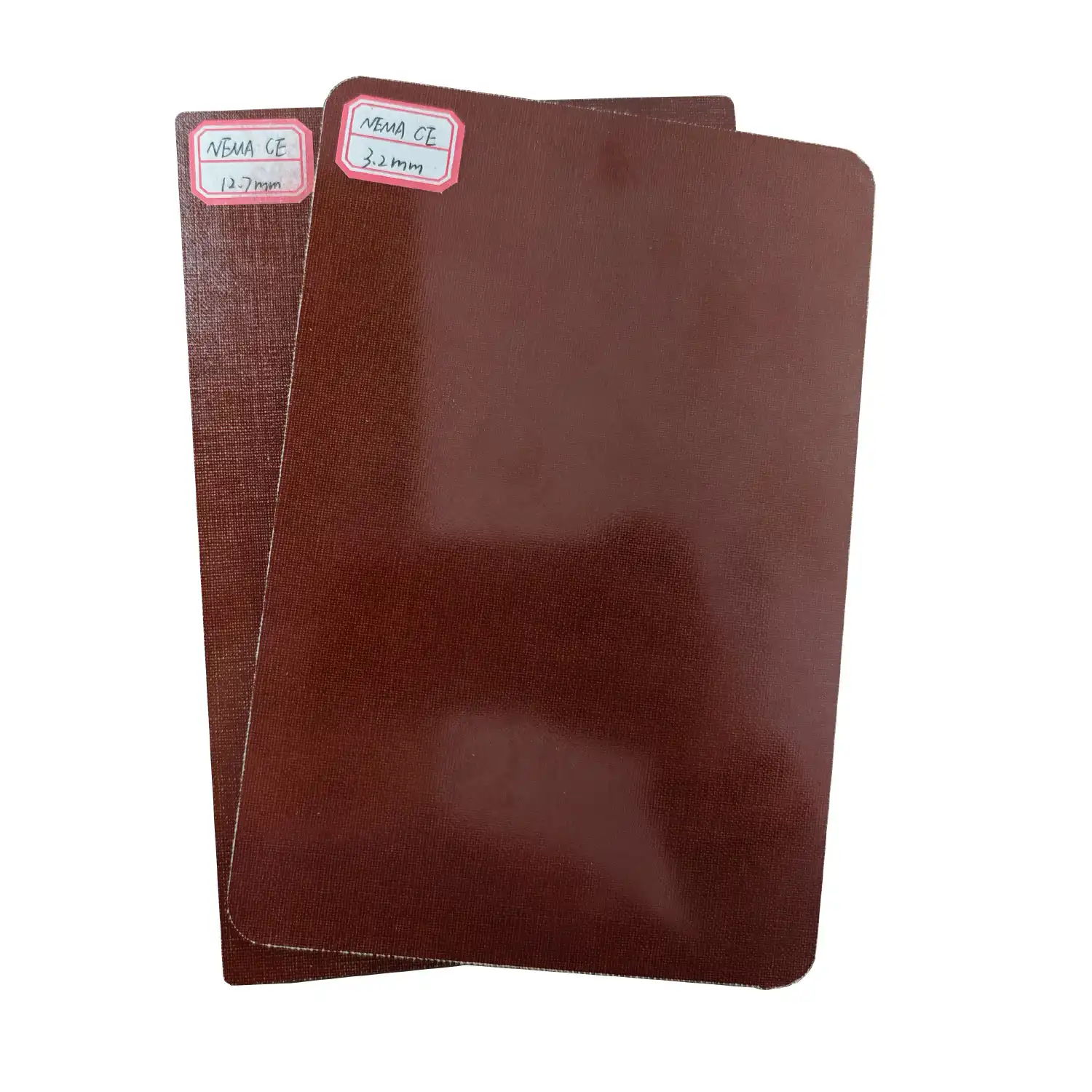
When controlled heat and pressure are used to soak layers of cotton cloth in phenolic resin, NEMA CE mechanical components are made. These parts are high-pressure thermoset laminates. The letter "CE" stands for "Canvas Electrical," which means that it has better electrical protection qualities than regular industrial grades. As a result of their high mechanical toughness and stable dielectric performance, these laminates are essential in situations where electrical separation and structure load-bearing requirements must coexist.
Common Applications Across Industries
Manufacturers of electrical equipment use these parts in motor junction boards, switchgear phase dividers, and transformer mounting brackets to keep electricity from tracking. They are used by people who make industrial machines as wear-resistant gears, slide bearings, and structural spaces that have to be able to handle repeated mechanical stress without deforming. NEMA CE laminates are used in the automobile industry for thermal separation walls and battery pack insulation frames in electric vehicle systems. These materials are used in arc shields and coil shielding in power distribution systems. If they fail, they could cause major machine harm. For motor housings and control panel backing plates, home device makers like how they can handle heat and be machined easily. In contrast to grades that are only functional, NEMA CE materials are put through a lot of tests to see how well they handle breakdown voltage, surface resistivity, and arc resistance.
Certification Requirements That Matter
When buying parts for foreign markets, it's important to know the difference between NEMA, UL, and IEC regulations. NEMA standards set grades based on the type of foundation and resin system used, as well as the makeup of the material and how well it works under electrical stress. Through destructive testing procedures, UL approval verifies the traits of flammability and thermal durability. IEC guidelines stress the importance of consistent dimensions and resistance to external aging. Teams in charge of buying things must make sure that sellers have recorded quality systems that are in line with ISO 9001 standards. This way, everything can be tracked from choosing the raw materials to the final inspection. Parts that are going to be used in key infrastructure usually need third-party testing certificates that show they meet the requirements of more than one standard body at the same time.
CNC Milling Techniques Tailored for NEMA CE Mechanical Components
Why Conventional Methods Fall Short
Because the cloth is rough and the finished phenolic resin is brittle, traditional milling methods don't work well with phenolic cotton laminates. Standard high-speed steel tooling goes out quickly, causing differences in size between runs of production and rough surface finishes that hurt the performance of electrical components. When machines are run by hand, feed rates and depths of cut can vary depending on the person using them. This makes the quality of the edges uneven and causes tools to break down often. When cutting with the wrong forces, the fibers base tends to separate, leaving parts with holes inside that weaken them mechanically and let water in. When there is friction, heat can build up and break down plastic in certain areas, which can change the material's electrical qualities in unpredictable ways.
Advanced Multi-Axis Machining Strategies
The way we make NEMA CE mechanical components has changed a lot since the advent of modern CNC cutting centers with four and five axes. Multi-axis positioning lets you machine complicated shapes at the same time without having to move the workpiece, which gets rid of the setting mistakes that are common with older methods. Adjusting the tool's direction all the time keeps the cutting angles at their best on curved surfaces, which stops fibers from pulling out and gives edges better clarity. When compared to separate three-axis processes, these systems can make complex features like undercuts and angled mounting holes in a single operation, which cuts production time by up to 40%.
Using high-speed cutting methods with carbide or polycrystalline diamond tools directly solves the problem of abrasiveness. Spindle speeds of over 20,000 RPM and the right amount of chips on the spindle create a clean shearing action that doesn't tear the cloth base. These adaptive feed control systems keep an eye on the cutting forces in real time and change the settings automatically when they see changes in the density of the laminate structure. This smart method keeps tools from getting too heavy while keeping the rate of material removal constant across entire production runs.
Material-Specific Tooling Considerations
To choose the right cutting tools, you need to know about the architecture of phenolic cotton laminate. Compression-cut end mills with dual helix angles work especially well because they apply controlled axial forces that stop both top-surface delamination and bottom-edge splitting at the same time. When working with glass-reinforced materials, diamond-coated equipment has a tenfold longer service life than uncoated carbide. However, the higher initial investment means that a cost-benefit study must be done for each production volume. Picking the right coolant is very important. Fluids made of oil can get into the plastic structure and cause it to swell, but air blast cooling gets rid of heat without adding moisture.
We've improved our tooling methods by working with companies that make electrical equipment. Now, we can get limits of plus or minus 0.5 millimeters for sheet thicknesses ranging from 3 to 50 millimeters. For a job involving a transformer part, 200 arc barrier parts had to be machined every week with no delamination problems. We cut cycle time from eighteen minutes per part to eleven minutes by switching from traditional three-axis milling to five-axis simultaneous contouring with adaptive toolpaths. This made edge straightness measurements better, going from two millimeters off to four millimeters off. Because the dimensions stayed the same, the assembly line worked more efficiently because parts could now be put together with mounting tools without having to go through extra steps of fitting.
Performance Optimization of CNC Milled NEMA CE Mechanical Components
Identifying Manufacturing Bottlenecks
Inefficient production usually comes from three places: not holding the work properly, which causes chattering due to vibrations; not setting the tool paths correctly, which wastes time on air-cutting; and not having enough quality checks, which lets flaws spread through batch runs. Chatter lines on finished surfaces show that cutting forces and the structure of the machine are vibrating back and forth, which damages the finish and speeds up tool wear. Longer moves that don't cut during tool changes and shifting make cycle times longer without adding any value. Finding mistakes in the measurements only during the final check loses machine time and raw materials.
Process Control Methodologies
CAM software modeling finds inefficient moves and improves cutting patterns as the first step in tool path refinement. Trochoidal milling techniques keep the tools engaged all the time, which spreads the heat evenly and stops rapid changes in load that cause chatter. By attaching tuned-mass dampers to spindle housings and reducing vibrations, the amplitude at troublesome resonant frequencies is lowered. Statistical process control tracking keeps an eye on important dimensions across production runs and sends out alerts when data start to move too close to the acceptable limits, but not quite there yet.
Getting rid of waste in a planned way is possible by applying lean manufacturing concepts to CNC processes. Single-Minute Exchange of Die methods cut down on the time it takes to set up different types of parts. This lets smaller batches be made, which speeds up the turnaround of inventory. Visual management tools show machine usage and quality data in real time, so workers can fix problems right away. Standardized work directions with pictures of how to set up tools make sure that everything is the same between shifts and when staff members change.
Verification and Testing Protocols
Dimensional verification employs coordinate measuring tools that record three-dimensional geometry with micrometer-level precision are used for dimensional verification. Electrical tests using high-potential voltage confirms the dielectric strength, showing that the machining methods haven't damaged the insulation. Visual inspection with a magnifying glass finds tiny cracks and exposed fibers that might not affect the assembly right away but could lead to early failures in the field. Documentation systems connect each NEMA CE mechanical component to a specific set of production factors. This lets you figure out what went wrong if a customer has problems months after the product was delivered.
Comparative Analysis: NEMA CE Components vs Other Standards in CNC-Milled Parts
Performance Metrics That Differentiate Standards
When it comes to bending strength, NEMA CE materials are usually between 150 and 100 megapascals, which puts them between paper-based phenolics and glass-epoxy composites. Their resistance to contact is higher than that of brittle clay insulators, but they are still stiff enough for structural uses. UL-recognized materials focus on being resistant to fire and often include flame-retardant chemicals that can slightly lower their mechanical qualities. IEC-compliant laminates stress climatic stability by showing little to no change in size when temperature and humidity levels change, which is very important for precision parts.
Practical differences can be seen in how long something lasts under constant mechanical stress. In gear uses, NEMA CE mechanical components keep their structural integrity even after millions of compression cycles, while materials made only for electrical purposes may slowly deform. The way phenolic systems age over time shows that they keep 80% of their room-temperature strength at 130 degrees Celsius. This means that they can be used in moderately hot places but not in very hot places, where glass-epoxy laminates do better.
Cost and Procurement Realities
The way things are priced shows how complicated they are and where the market is positioned. Flame-resistant glass-epoxy options usually cost twenty to thirty percent more than NEMA CE laminates, but they sell for more than regular paper phenolics. Lead times depend a lot on the thickness and size of the sheet. Standard sizes ship in two weeks, but orders for special thicknesses may take six to eight weeks for the resin to be mixed and pressed. Bulk buying saves money because of economies of scale. For quarterly contracts that cover more than 1,000 kilograms, bulk savings can reach 15%.
Real Feedback From Industrial Buyers
Professionals in procurement say that source dependability is just as important as unit price. Consistent thickness standards across packages stop CNC program changes and lower the amount of scrap that is made. Established producers with approved quality systems lower the chance of getting materials that are contaminated with moisture or haven't fully cured, which only shows up during the machining process. Being close to suppliers cuts down on supply lines and makes just-in-time inventory tactics possible, which lowers the need for operating capital. Engineering managers always stress that machinability has a direct effect on the total cost of production. Materials that cause tools to wear out quickly or that need to be finished more than once raise the cost of production beyond the initial savings from the materials. Mechanical engineers like well-characterized materials because they are predictable. This is because recorded property data lets them do accurate finite element analysis during the design process. Supply chain managers give more weight to suppliers who offer expert support, especially when it comes to helping with optimizing machining parameters when switching to new part shapes.
Procurement Insights: How to Source CNC-Milled NEMA CE Mechanical Components
Selecting Qualified Suppliers
To find trustworthy manufacturers, start by making sure they follow written quality control systems. Certified facilities keep track of all the materials they use, from resin batch numbers to serial numbers on finished NEMA CE mechanical components. This lets them respond quickly to problems that happen in the field. Site checks show if sellers buy up-to-date CNC machines with closed-loop feedback systems that keep the machines accurate over long production runs. Technical skills are very important. Suppliers should be able to show they know how to use fixturing techniques for thin-walled parts and have a wide range of tools to meet different material requirements.
Suppliers can learn about pricing trends and material availability from their long-term ties with many domestic and foreign trade partners. Because of this network effect, they can get better access to raw materials when supplies are low and offer reasonable prices by buying in bulk. When a manufacturer has its own logistics section, it makes shipping planning easier. This makes procurement teams' jobs easier and gives them a single point of responsibility for delivery performance.
Ordering Logistics and Customization Options
Expected lead times must take into account both getting the materials and the finishing work. It usually takes ten to fifteen business days to ship standard parts that are made from stock sheet material. Custom shapes that need special fixturing or tools production add four to six weeks to the lead time. For an extra fee, you can get rush services that shorten plans by moving jobs faster through production lines. Large orders allow for specialized production runs with optimized sets, which lowers the cost of each piece while maintaining stability from batch to batch through nonstop machining campaigns.
Full-service providers are different from basic distributors because they can customize their products. Complex three-dimensional profiling, precise cutting patterns with location accuracy to within 0.1 millimeters, and surface finishing operations that reach certain roughness values can all be done in modern CNC facilities. Digital file entry through safe websites speeds up the quote process, and automated nesting algorithms make the best use of materials to cut down on waste and costs. Prototype numbers let you test the design before committing to production tools. This lowers the risk of having to make costly redesigns after finding problems with the assembly.
Post-Purchase Considerations
The warranty should make it clear which problems are material flaws and which are machining mistakes. Under standard rules, parts are guaranteed to be free of delamination, moisture contamination, and size differences that are too big or too small. Most of the time, remedies include free new parts and, if a supplier's mistake disrupts the production line, paying back the acceptable costs that came up as a result. Shipping insurance and the right packing keep things from getting damaged in transit. Parts should come in moisture-barrier wrapping with enough padding to keep the edges from chipping.
Support after the sale is what sets long-term relationship providers apart from transactional vendors. Customers can lower their own production costs even after receiving the parts by getting technical help with optimizing the cutting parameters. Customer service teams that are responsive take care of quality issues quickly and arrange for faster new orders when necessary. Business reviews done on a regular basis keep track of quality trends and look for ways to cut costs, such as by improving design for manufacture or using different types of materials that offer the same performance at lower prices.
Conclusion
To master CNC cutting methods for NEMA CE mechanical components, you need to know a lot about materials science and be good at making stuff. From traditional three-axis milling to multi-axis adaptable cutting, the change has made production much more efficient and greatly improved the quality of the parts. People who work in procurement can't just look at a supplier's piece-part prices; they also need to look at all of their skills, such as their certified quality systems, current tools, expert support, and ability to coordinate logistics. The comparison shows that NEMA CE materials are a good compromise because they offer better electrical protection than mechanical-grade laminates while still being cheaper than premium glass-epoxy options. Whether buying parts becomes a competitive benefit or a source of frequent production delays depends on whether strategic sourcing partnerships are made with well-known makers who offer consistent quality and quick service.
FAQ
What distinguishes NEMA CE from other phenolic grades?
NEMA CE uses a cotton fabric base that is saturated with electrical-grade phenolic resin. This gives it better dielectric strength and spark protection than mechanical-grade canvas phenolics. The electrical designation guarantees uniform insulation performance, which is important for switchgear and transformer uses where voltage isolation keeps equipment from breaking down.
How does moisture affect CNC milling quality?
Phenolic cotton laminates don't absorb much water—less than 4% at most—but if they are stored incorrectly in damp places, they become unstable in their shape. Pre-conditioning material in climate-controlled areas for 48 hours before machining makes sure that it cuts evenly and stops post-machining measurement shift that makes it harder to put the parts together.
Can NEMA CE components withstand high-temperature applications?
Standard phenolic systems can work continuously at temperatures up to 130 degrees Celsius without losing their mechanical integrity. This makes them perfect for most industrial motor and transformer uses. For uses above this limit, glass-epoxy options with higher temperature ratings are needed, but they cost more in materials.
What machining parameters optimize tool life?
To get the best mix between output and tool life, use carbide tools with spindle speeds between 12,000 and 18,000 RPM and feed rates that make chip loads close to zero, or seven millimeters per tooth. To keep noise and deflection from happening, the axial depth of cut should not be more than fifty percent of the tool's width.
Partner With J&Q for Precision-Machined NEMA CE Mechanical Component Solutions
If you need NEMA CE mechanical components, J&Q can help. They have been making high-quality products for over 20 years and have been trading internationally for 10 years. Our combined production plant has advanced multi-axis CNC milling centers and strict quality control methods. This lets us make parts that meet the strictest electrical and dimension requirements. We are a well-known NEMA CE seller of mechanical parts, and we keep a large inventory of materials on hand so that we can quickly turn around prototypes and large production runs. Our in-house transportation department handles everything from placing an order to delivering it, so there aren't any of the problems that come with multi-vendor supply lines. Engineering support teams work with your technical staff to make plans easier to make, which cuts costs and improves performance. Get in touch with our purchasing experts at info@jhd-material.com to talk about your unique application needs and find out how our track record with electrical equipment makers, industrial machinery builders, and clients in the power sector can help you finish your projects faster.
References
National Electrical Manufacturers Association. "NEMA Standards Publication LI 1-2019: Industrial Laminating Thermosetting Products." National Electrical Manufacturers Association, 2019.
Patel, R.K. and Singh, M. "Optimization of CNC Milling Parameters for Thermoset Composite Materials: A Comprehensive Review." Journal of Manufacturing Processes, vol. 58, 2020, pp. 789-812.
Thompson, A.L. "Electrical Insulation Materials: Properties and Performance in High-Voltage Applications." IEEE Electrical Insulation Magazine, vol. 36, no. 4, 2020, pp. 45-59.
Zhang, W. and Liu, J. "Advanced Machining Techniques for Fiber-Reinforced Phenolic Composites." International Journal of Advanced Manufacturing Technology, vol. 115, 2021, pp. 2341-2358.
American Society for Testing and Materials. "ASTM D709-20: Standard Specification for Laminated Thermosetting Materials." ASTM International, 2020.
Chen, Y. and Rodriguez, M. "Quality Control Methodologies in Precision Machining of Electrical Insulation Components." Quality Engineering, vol. 33, no. 2, 2021, pp. 267-283.

Get a complete product list and quotation

J&Q New Composite Materials Company