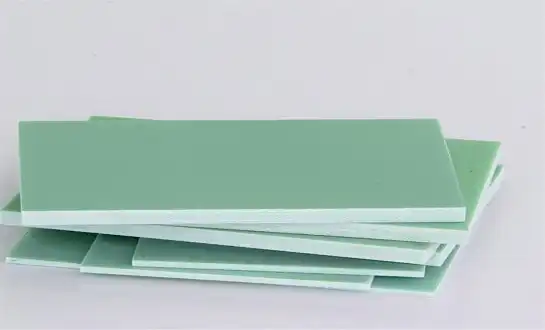
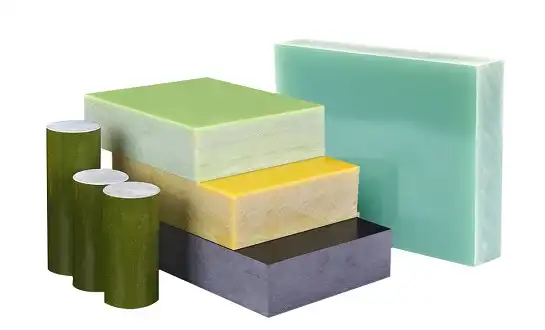
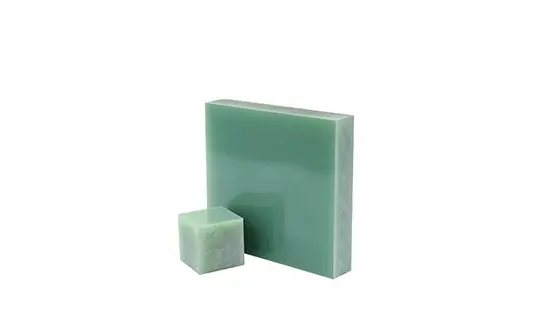
How to Achieve Tight Tolerances When Machining FR4 Insulation Parts?
To get close tolerances when cutting FR4 insulation parts, you need to choose the right material, use the right machining settings, and keep an eye on the surroundings. Because FR4 is a hybrid material made of woven fiberglass cloth mixed with flame-retardant epoxy resin, it needs special tools and exact feed rates to keep it from delaminating and chipping at the edges. Using sharp carbide or diamond-coated tools and keeping the shop's temperature and humidity under control will keep the dimensions stable. Real-time tracking systems and statistical process controls make sure that the accuracy is even better, down to the micron level. This is necessary for PCB boards, switchgear insulation, and other important electrical uses where size directly affects safety and performance.
Understanding the Challenges of Machining FR4 Insulation Parts
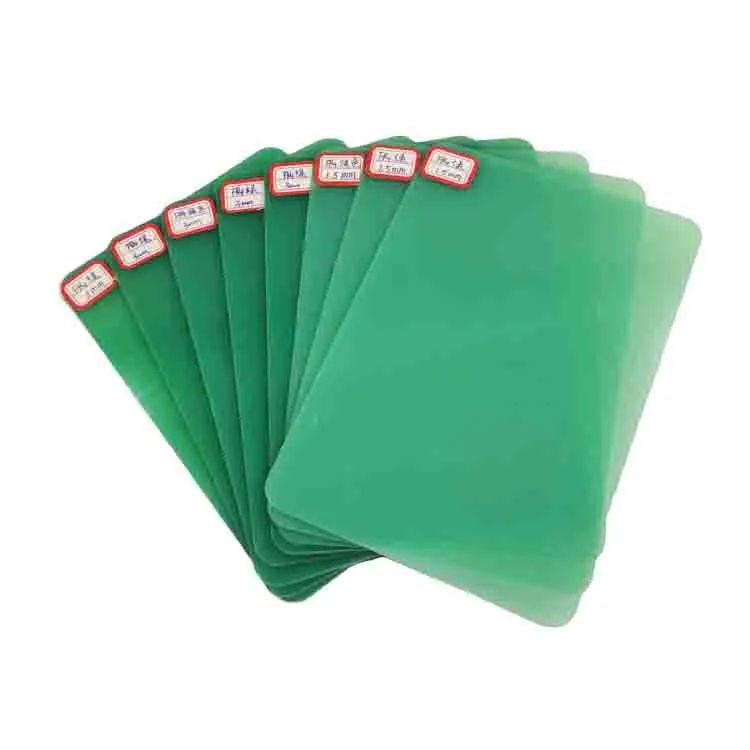
Every day, engineering managers and sourcing specialists have to deal with unique problems when they try to machine FR4 insulation parts to micron-level standards. Continuous filament glass cloth bound with epoxy resin makes the hybrid structure naturally complicated. FR4 doesn't behave the same way as homogeneous metals; its qualities change based on which way the woven fiberglass layers are machined.
Why FR4 Composite Structure Complicates Precision Machining
When cutting, the glass-epoxy multilayer structure presents some unique problems. When tools hit the surface, they run into a mix of hard glass threads and a softer resin substance. This difference makes tool movement uncertain and speeds up wear. Because glass reinforcement is rough, cutting edges get dull very quickly. This means that cutting forces need to be raised, which can lead to measurement drift or part distortion during long production runs.
Common Defects That Compromise Dimensional Accuracy
One of the most common problems is still warping, which can happen when internal stress is released during cutting or when moisture is absorbed before processing. When cutting forces are higher than the bond strength between laminate layers, delamination happens. This causes the layers to separate, which weakens both the structure and its stability. Edge chipping happens a lot at entry and exit places, where fibers that aren't supported break instead of shearing neatly. When the cutting conditions aren't right for the grade of FR4 being worked on, these flaws get worse.
Material Variability and Environmental Factors
The consistency of raw materials changes between sources and output batches. The amount of resin, the tightness of the glass weave, and the drying profile all have an effect on how easy it is to machine and how stable the dimensions are. Conditions in the environment are also very important. For example, humidity makes materials absorb water up to their 0.1% maximum, which causes them to expand and change their size. When the temperature changes, the thickness expands and contracts at different rates. This is especially difficult when working with large panels or complicated shapes that need more than one setting.
Core Principles for Achieving Precise Machining of FR4 Insulation Parts
Setting up a base for accuracy begins a long time before the first cutting tool hits the material. Tight standards can be reached and repeated across large production numbers if the right decisions are made about procurement, process planning, and setting up the environment. Establishing this foundation ensures the repeatable machining of FR4 insulation parts.
Selecting Certified High-Grade FR4 Materials
The success of cutting is directly related to the quality of the material. We suggest that you find FR4 insulation boards that meet the standards set by NEMA FR-4, MIL-I-24768/27, and IEC 60893. These approvals make sure that the resin content stays the same, the glass fabric is spread out evenly, and the mechanical qualities stay the same. When you look at scientific datasheets, you can see that the following factors are very important: flexural strength above 340 MPa, breakdown voltage above 40 kV, and water absorption below 0.1%. These requirements show the right way to cure and check the quality of laminates while they are being made.
When making safety-critical parts for switches or car battery barriers, being able to track the materials used becomes very important. It is possible to be sure that new materials will meet the basic requirements for precision machining by looking at batch certificates that show thickness tolerances, dielectric strength tests, and flame retardance proof (UL94 V-0 compliance). When suppliers offer material approvals, it shows that they are serious about making, which leads to more regular results when machining.
Optimizing Cutting Parameters for Composite Materials
When choosing machining parameters, you have to find a balance between efficiency, surface quality, and tool life. FR4 is usually cut at speeds between 100 and 300 meters per minute, though this depends on the tool material and the shape of the part. Care must be taken to adjust the feed rates so that they don't cause too much heat or mechanical stress. On the other hand, too little rubbing speeds up tool wear and results in bad surface finishes.
Both precision and flaw rates are affected by the depth of the cut. Shallow passes lower the cutting forces and heat production, which makes it easier to control the dimensions but makes the cycle times longer. For critical dimensions, multi-pass strategies work best. Roughing processes remove large amounts of material, and then precise finishing passes at lower feed rates are made. Using coolant, like in air blast or mist systems, gets rid of chips and controls how much they expand during the cutting process.
Environmental and Process Controls
Controlled temperature cutting conditions keep the dimensions stable during the whole process. Keeping the shop temperature between 20°C and 22°C, with an error of 2°C, stops thermal expansion that could change limits. Controlling the humidity between 45 and 55% relative humidity stops changes in dimensions caused by wetness and stops static electricity from building up, which brings rough dust to finished surfaces.
Vacuum chip evacuation systems constantly remove waste, which stops chip re-cutting that ruins the finish and breaks tools. Using the right workholding spreads the binding forces out evenly, which keeps the part from warping while it's being machined. Fixtures that are made to work with FR4's compression strength keep clamp points from breaking and keep the workpiece in place during bi-directional operations. These controls over the surroundings and the process make the stable base needed for repeated accuracy at the micron level.
Advanced Techniques and Technologies for Tight Tolerance Machining
Three-axis grinding isn't the only way that modern production can be done. FR4 insulation part machining goes from being an art to a controlled, repeatable science when high-tech tools and process tracking are used together.
Multi-Axis CNC Automation and Thermal Compensation
Five-axis CNC machining centers can make complicated shapes while keeping the right tool contact angles. This lowers side loads, which leads to deflection and deviation from tolerance. Automated tool changes with length measurement systems adjust cutting paths to keep dimensions accurate during production runs to account for tool wear in real time. Modern CNC controls have thermal adjustment routines that adjust for the frame of the machine expanding. This keeps the positional accuracy even when the temperature outside changes or when spindle heat affects structural parts.
Specialized Tooling for Composite Machining
When working with rough glass-reinforced laminates, diamond-coated end mills and cutters make tools last a lot longer. Diamond cutting surfaces are much harder than glass fibers, so they don't wear down as quickly. This keeps the cutting edges sharp so that the material is sheared cleanly instead of torn or crushed. Optimized shapes in carbide tools, such as specific helix angles and chip exit flutes, lower cutting forces while increasing the efficiency of chip removal.
Making tool path plans is just as important as choosing the right tool. When you use climb milling, the cutter spins in the same way as the feed motion. This makes the edges better than when you use normal milling. Adaptive toolpaths that keep the radial contact constant lower load changes that lead to chatter and uneven dimensions. Investing in high-quality tools and optimizing programming leads to measurable gains in both the accuracy of the tolerances and the efficiency of output.
Real-Time Monitoring and Statistical Process Control
In-process measurement systems that use laser scales or touch tools check dimensions without taking parts off of their fixtures. This lets problems be fixed right away if trends show that they are moving toward tolerance limits. Vision systems check the quality of the edges and can find delamination or chipping that a person might miss, especially in situations where a lot of products need to be made.
Statistical Process Control methods turn unprocessed measurement data into useful information that can be used. When you look at trends in key measurements across production batches, you can see signs of tool wear, material variation, or process instability. With the right control limits and control charts, predictive maintenance and process changes can be made before problems happen. This lowers the amount of waste and makes the equipment work better overall. This method is based on data and is very helpful when checking out new sources or making sure that changes to the process work.
Best Practices for Procurement and Supplier Collaboration
Achieving regular tight standards takes more than just machining on-site. You also need to choose sources who know how to do precision manufacturing and keep strict quality systems for each FR4 insulation part.
Evaluating Supplier Capabilities and Certifications
Checking the supplier's important certifications is the first step in evaluating them. ISO 9001 quality management systems show that they have written process controls and a mindset of always making things better. Certifications that are specific to an industry, like IATF 16949 for car suppliers or AS9100 for aircraft, show that the company has met strict tolerance standards in a controlled setting before. Ask for proof that the measurement system works, like inspection equipment that has been calibrated and can be traced back to national standards and written estimates of measurement error.
A manufacturing capacity review shows providers if they can increase production without lowering quality. When you can, visit the sites and look at the conditions of the machines, the controls for the surroundings, and how the operators are trained. Look at customer references from similar projects and pay special attention to how they dealt with keeping the same dimensions across multiple orders. Suppliers who can machine FR4 epoxy laminates and phenolic sheets in-house show that they know their stuff, which leads to better results.
Leveraging Technical Collaboration and Customization
Getting sources involved early in the planning process has big benefits. Experts in FR4 insulation part machining can suggest design changes that make it easier to make the part without affecting its usefulness. For example, they might suggest radiused internal corners that get rid of stress points or specific surface finishes that can be achieved with standard tools. Custom manufacturing services that are made to your exact specs get rid of the need for extra steps and longer lead times that come with handling things more than once.
Before agreeing to a production order, ask for samples to be sent to you. Coordinate measuring tools are used to check the supplier's ability to meet print standards by measuring samples' sizes. A cross-sectional look shows the internal quality, which includes proper laminating consolidation, no gaps, and layers of the same thickness. Material testing makes sure that the electrical qualities match the datasheet requirements. This is especially important for high-voltage insulation uses in transformers and switches.
Navigating Pricing, Lead Times, and Compliance Requirements
The prices of precision components are based on the cost of materials, the difficulty of the manufacturing process, and the money spent on quality assurance. Priority pricing is often unlocked by making large orders, but you should look at the total cost of ownership, which includes things like the amount of waste, the need for repairs, and how reliable the delivery is. Shorter wait times can sometimes explain higher prices if they keep production from being held up during time-sensitive product launches.
Regulatory compliance is important for global trade chains. Check that gadgets sold in regulated areas are compliant with RoHS. Flame retardance meets safety standards for electrical tools when FR4 insulator boards are recognized by UL. IPC guidelines set the rules for making PCBs. Suppliers who provide clear information about the materials they use, where they come from, and safety certifications can make the process of certifying your products easier and lower the risk of regulatory action.
Conclusion
To get close tolerances when cutting FR4 insulation parts, you need to pay attention to the quality of the material, the cutting settings, the surroundings, and working together with your suppliers. Because glass-reinforced epoxy laminates are composites, they come with their own problems that can only be solved with special tools, better cutting techniques, and real-time process tracking. When purchasing managers choose suppliers with proven FR4 knowledge, strong quality systems, and advanced manufacturing skills, they set their companies up for success in demanding electrical, automotive, and industrial settings where exact measurements affect how well products work and how safe they are.
FAQ
What factors most significantly affect FR4 machining tolerances?
The quality of the material is the most important factor; changes in the resin content or the glass cloth make the machining behavior of the FR4 insulation part uncertain. Changes in the environment, especially in temperature and humidity, cause changes in dimensions that make them less accurate. The state of the tool has a direct effect on its accuracy because worn cutting edges increase the forces that bend tools and warp parts. Lastly, the rigidity and thermal stability of the machine decide whether set tool paths lead to accurate finishing measurements.
How does FR4 compare to alternative insulation materials for tight tolerance applications?
FR4 is more stable in terms of its shape than phenolic paper laminates, especially in damp places where paper-based materials tend to soak up water. FR4 films are stronger and easier to work with than polyimide films when it comes to making structure parts, but polyimide films are better for uses that need to withstand high temperatures. CEM-1 materials are less expensive, but their electrical and mechanical qualities are not always the same. Because it has the right amount of electrical insulation, mechanical efficiency, and flame retardance, FR4 is the most popular choice for precision electrical uses.
What should I specify when requesting custom FR4 fabrication quotes?
Give full-size models with exact tolerances for dimensions, surface finish needs, and edge quality standards. Find the important factors that need statistical process control data. List the standards for the material grade, such as its thickness, electrical qualities, and any certificates of compliance that are needed. Make the production amounts and release dates clear. Give providers information about the product so that they can suggest improvements based on their experience with FR4 machining.
Partner With J&Q for Precision FR4 Insulation Part Manufacturing
For more than 20 years, J&Q has been making high-quality FR4 insulation parts with the tight standards that your uses need. We know how to make electrical insulation epoxy resin fiberglass sheets, glass epoxy laminates, and custom-machined parts that meet UL94 V-0 flame retardance and NEMA FR-4 standards. As a well-known company that makes FR4 insulation parts, we keep strict quality systems and environmental controls in place that make sure all of our production runs are accurate to the micron level. Our in-house transportation services make it easy for us to handle everything, from choosing the materials to delivering them. Email our engineering team at info@jhd-material.com to talk about your unique tolerance needs, look over technical datasheets, and get a quote that is made just for your project.
References
National Electrical Manufacturers Association. (2021). NEMA Standards Publication LI 1-2020: Industrial Laminating Thermosetting Products. Rosslyn, VA: NEMA.
Institute of Printed Circuits. (2018). IPC-4101D: Specification for Base Materials for Rigid and Multilayer Printed Boards. Bannockburn, IL: IPC.
Mallick, P.K. (2020). Fiber-Reinforced Composites: Materials, Manufacturing, and Design (4th ed.). Boca Raton, FL: CRC Press.
Society of Manufacturing Engineers. (2019). Machining Composite Materials: Technical Reference Guide. Dearborn, MI: SME.
Underwriters Laboratories. (2017). UL 94: Standard for Safety of Flammability of Plastic Materials for Parts in Devices and Appliances. Northbrook, IL: UL LLC.
Teti, R. (2019). Advanced monitoring of machining operations in composite materials. CIRP Annals - Manufacturing Technology, 68(2), 643-666.

Get a complete product list and quotation

J&Q New Composite Materials Company