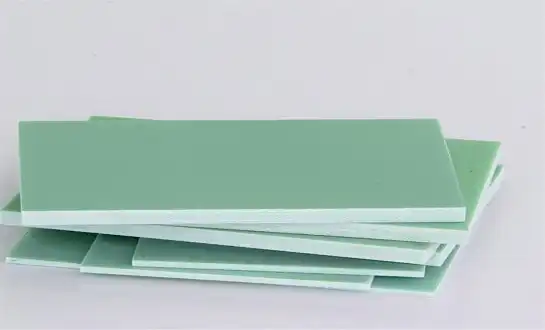
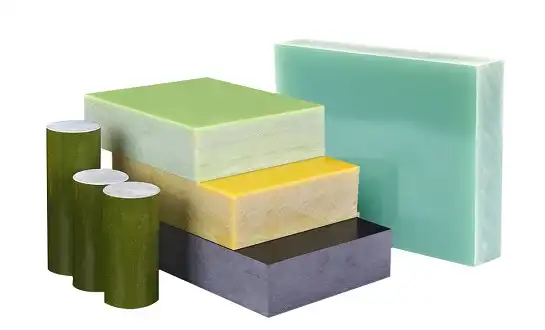
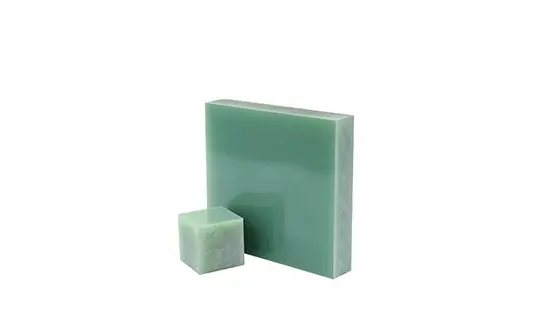
How Phenolic Cotton Sheets Are Processed into Precision Components
Using complex manufacturing methods, phenolic cotton sheet materials are turned into perfect parts that have a direct effect on how well the parts work. CNC controlled grinding, precise cutting, and surface finishing methods are used to turn raw laminated sheets into important industrial parts. This change keeps the material's natural mechanical strength, ability to insulate against electricity, and temperature stability while meeting the tight size requirements of many businesses, from making electrical equipment to making cars.
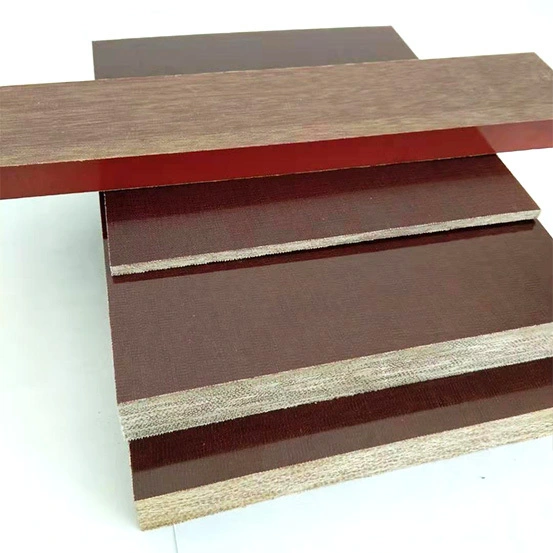
Understanding Phenolic Cotton Sheets: Properties and Applications
Cotton fabric-reinforced phenolic laminates are a special kind of thermoset composites that are made by pressing layers that are saturated with resin together under high pressure. When it comes to tough mechanical settings, the cotton canvas or linen material is much stronger and more resistant to damage than paper-based options.
Core Material Characteristics
Under heat and pressure, the production process joins several layers of cotton cloth with phenolic resin. This makes a thick composite that is usually between 1.35 and 1.45 g/cm³. This structure has a bending strength of more than 100 MPa, which means that its parts can handle heavy mechanical loads. The cotton reinforcement effectively absorbs shocks, which makes these laminates very useful in situations where noise reduction is important, like in textile or papermaking machines with quiet gears.
Industrial Applications Across Sectors
These materials are used a lot to make quiet gears, pinions, and pulleys for heavy-duty mechanical motion systems. When compared to metal-on-metal contact, the composite connects easily with metal mating gears and makes a lot less noise during operation. When used in stern tube bearings and rudder bushes, the material works well in marine settings because it can be lubricated with water or oil instead of grease.
Another important area of application is electrical structure components. In low- to medium-voltage systems, the material is used for terminal boards, busbar supports, and switchgear panels because it is strong mechanically and has good insulation qualities. Even though these laminates don't have the same dielectric performance as FR4 epoxy glass, they work great when mechanical actuation and structure stability are important.
The Processing Journey: From Raw Phenolic Cotton Sheets to Precision Components
To turn sheet stock into final parts, careful planning and execution are needed at several stages of production. Each step affects the quality, accuracy of the dimensions, and function of the finished part.
Material Inspection and Quality Verification
Incoming sheet checking is the basis for making sure that parts are made correctly. Manufacturers inspect phenolic cotton sheet for surface condition, looking for delamination, holes, or areas that are high in resin that could make cutting or performance worse. Measurements of thickness make sure that the material meets the requirements, since differences can affect both the machining settings and how the end part works. Checking the moisture level stops problems with processing, since too much moisture can cause damage during later steps.
Precision Cutting and Machining Methods
CNC cutting is the most common way to make parts today because it can be done over and over again and keep very tight tolerances. The roughness of phenolic resin can be handled by carbide-tipped or diamond-tipped tools, which also make clean lines and accurate measurements. Cutting speeds need to be carefully optimized. Too fast of speeds can burn the resin matrix, and too slow of speeds could cause delamination at the cut edges.
Laser cutting is useful for making things with complicated shapes that are hard to reach with tools. The directed energy beam makes fine lines and complicated designs without putting stress on the machine. But afterward, edge binding might be needed to keep water out of the cotton fibers that are still visible.
Water jet cutting is an option for designs that can't handle heat or when edge quality is very important. The cold cutting method gets rid of heat stress and resin breakdown, but it works more slowly than mechanical grinding methods.
Surface Treatment and Finishing Operations
Often, areas that have been machined go through extra steps to improve their performance. Light sanding gets rid of machining lines and makes the surface roughness even. Some uses benefit from treatments that close off open cotton fibers, which stops them from absorbing water and makes the electricity performance better in damp places.
Edge chamfering stops chipping and stress buildup during operation or assembly. Rounded edges also make electrical performance better by getting rid of sharp places where corona discharge could happen in close-by high-voltage uses.
Quality Assurance and Testing Protocols
Dimensional checking makes sure that parts that have been made match the requirements in the drawing. Coordinate measuring tools (CMM) can measure important measurements with accuracy down to the micron level, and optical comparators are good at checking profiles.
Measuring the dielectric strength may be part of functional testing, especially for uses like electrical shielding. By checking typical parts destructively to get samples of their mechanical properties, we can be sure that processing has not changed the way the material works. Visual inspection finds flaws, contamination, or harm on the surface of a part that could affect how reliable it is.
Comparing Phenolic Cotton Sheets with Alternative Materials for Precision Components
Material choice has a big effect on how well a part works, how much it costs, and how efficiently it is made. Understanding the pros and cons of each choice helps procurement teams make the best specs.
Phenolic Cotton versus Phenolic Paper Laminates
Paper-reinforced phenolic sheets are better at keeping electricity from flowing and can be used to make surfaces that are smoother. Their tighter weave structure makes polished areas that are smoother, which is great for precise electrical uses. In contrast, phenolic cotton sheet has much higher impact strength and mechanical toughness. When parts are subjected to shock loads, shaking, or mechanical stress, the cotton reinforcement keeps them from breaking easily like paper-reinforced surfaces might.
Performance Against Epoxy Glass Composites
FR4 epoxy glass is the standard for printed circuit boards because it has great electrical qualities and doesn't absorb water. In many harsh settings, it is more resistant to chemicals than phenolic materials. However, cotton phenolic laminates are easier to make, which means that tools wear out less quickly and cycle times are shorter. Because cotton composites don't need to be oiled, they wear better than FR4 in bearing and gear situations where FR4 would break quickly.
Trade-offs with Fiberglass Reinforced Materials
Fiberglass laminates work great in places with harsh chemicals and high temperatures. Their ability to keep their shape over a wide range of temperatures is helpful for accurate builds. Cotton phenolic materials are better at resisting wear and tear, costing less, and working better in oily situations. The choice depends on whether the product needs chemical and thermal protection or mechanical performance and low cost.
How to Choose the Right Phenolic Cotton Sheet Supplier and Product
Picking a supplier isn't just about price; it's also about technical know-how, quality processes, and the chance of a long-term relationship. For strategic buying to work, you need to look at many aspects of a supplier's success.
Certification and Quality System Assessment
Compliance with NEMA LI-1 makes sure that products meet normal performance requirements. The canvas-based grades C and CE are used for rough mechanical tasks, while the linen-based grades L and LE give precision parts a smoother surface. ISO 9001 recognition means that quality management is being done in a planned way, but it's more important to check that real process controls are being used than just having badges.
For parts of electrical equipment sold in controlled markets, UL approval is essential. RoHS compliance is about following environmental rules, especially for markets in Europe but also for markets around the world. If the requirements say that compliance must be confirmed, ask for proof of certification and check recognition numbers directly with the awarding bodies.
Production Capacity and Technical Support
Lead times, minimum order flexibility, and cost structure are all affected by the size of the factory. Larger businesses usually have better prices on large sales, but they might need higher MOQ guarantees. Smaller, more specialized makers give you more options for custom specs and sample numbers.
The ability to provide technical help sets sellers apart in a big way. Engineers who know what the application needs can suggest the best grades, make design changes that make it easier to make, and fix problems with performance. This knowledge is especially useful when making a new product, because the choice of material has a direct effect on how well the design works.
Sample Evaluation and Testing
Specification mismatches can be avoided by asking for example samples before placing big orders. Check the quality of the surface, the uniformity of phenolic cotton sheet dimensions, and its ability to be machined with the tools and methods you already have. Do tests that are specific to the application, like dielectric strength for insulation, wear resistance for mechanical parts, or thermal cycle for parts that will be exposed to high temperatures.
Under the same test settings, compare samples from different sources. Systematically record results to help make realistic decisions that go beyond price concerns. The cheapest material that doesn't work in the application costs a lot more than slightly more expensive stock that does work regularly.
Best Practices and Tips for Procurement and Use of Phenolic Cotton Sheets in Precision Components
Getting and handling materials in the best way possible increases value while minimizing quality risks and practical delays.
Strategic Supplier Relationships
Long-term relationships with reliable providers have more benefits than just lower prices. When you have established ties with providers, they can better predict your needs and keep the right amount of inventory on hand. Being a "preferred customer" usually means getting things faster when supplies are low and getting better payment terms.
Continuous improvement projects are easier to carry out when people work together. Suppliers learn more about what your product needs and can offer ways to make the material or process better. Technical conversations can help you find ways to cut costs by improving specifications or using different ways to make things.
Material Handling and Storage Guidelines
To keep their shape and working properties, phenolic laminates need to be stored in a controlled environment. Controlling humidity stops wetness from absorbing, which can change the size of things and make them hard to machine. Keep sheets flat and supported so they don't bend, and keep the surfaces from getting mechanical damage that could lower the quality of the parts.
Get the material used to the shop conditions before cutting it, especially if the temperature or humidity in the storage area is very different from the temperature or humidity in the production area. As a result, there is less change in size between the machining process and the final check. This leads to higher output rates and less need for repairs.
Waste Reduction and Sustainability Practices
Nesting optimization software gets the most use out of rectangular pieces of material, which directly lowers costs and has a positive effect on the environment. Even small gains in how efficiently nesting works add up over a lot of production runs.
Combining orders lowers the amount of wasteful packaging and shipping that affects the earth. Work with your sellers to come up with returnable shipping boxes for normal packages. Some makers will take scrap metal to be ground up and used as filler. This creates a circular flow of materials that is good for both cost and environment.
Conclusion
To turn phenolic cotton sheet materials into precise parts, you need to know about the features of the materials, how they can be made, and who the suppliers are. In some industrial settings, cotton-reinforced phenolic laminates are the only ones that can provide the right mix of mechanical strength, impact protection, noise reduction, and electrical shielding. A good procurement process finds the right mix between the needs of the application and the standards of the materials being used. It also builds relationships with suppliers that meet both short-term needs and long-term production security. Strategic sourcing looks at more than just price. It also looks at expert help, consistent quality, and the dependability of the supply chain. Companies can get the performance benefits of these specialized laminates by carefully choosing the materials they use and working with suppliers to form partnerships.
FAQ
What distinguishes NEMA CE from LE grade laminates?
Canvas-based CE grade uses a coarser cotton weave to give gears and other mechanical parts that are subject to shock loading the most impact strength. Linen-based LE grade has a finer weave structure that gives made parts a better finish and makes them more resistant to moisture. Choose CE when toughness is important for tough mechanical uses. Choose LE when surface quality and dimensional stability in wet conditions are most important.
Can these materials perform in oil-immersed applications?
Mineral oils, hydraulic fluids, and greases don't stick to cotton phenolic laminates very well, which is why they are commonly used for oil-soaked switchgear parts and hydraulic wear pads. The phenolic resin binder stops oil from getting through, and the cotton base keeps the structure strong. Strong acids and alkalis can break down the bonding system and make it less strong, so keep it away from them.
How does machinability compare with metallic and FR4 materials?
These materials can be machined a lot faster and with a lot less tool wear than steel. FR4 epoxy glass wears down tools more quickly than cotton phenolic, but it also lets you remove more material at a faster rate. Controlling heat production is the most important thing to think about when grinding. Cutting at too high of speeds burns the resin, which results in a bad edge. Carbide tools work well with mild abrasiveness and keep their sharp cutting edges during production runs.
What thermal limitations should designers consider?
The constant operation temperature is limited to about 120°C by the Class E insulation grade. Short temperature changes between 150°C and 170°C are usually fine, but long-term contact makes the cotton base carbonize and the resin become less flexible. Because of these temperature limits, the material can be used for switches, motor parts, and mechanical parts that will be used in mild temperatures. When temperatures stay above 130°C for a long time, you need to use different materials with higher heat values.
Partner with J&Q for Reliable Phenolic Cotton Sheet Supply
J&Q has been making electrical insulation products for more than twenty years and has also been trading internationally for more than ten years, helping a wide range of industries. Our combined logistics skills make buying things easier by coordinating everything from placing an order to delivering it through a single source. We keep a large stock of NEMA-grade phenolic cotton sheet materials in a range of thicknesses that are ready to ship right away or can be processed to your specific requirements. Consistent material properties and accurate measurements are important for making precision parts, and quality control methods make sure they happen. Email our scientific team at info@jhd-material.com to talk about your needs, get samples of the material, or get full specs. Our phenolic cotton sheet supplier can help your manufacturing success from the first review to continued production, no matter how many prototypes you need or how many you need for production.
References
National Electrical Manufacturers Association. "NEMA Standards Publication LI 1-1998: Industrial Laminating Thermosetting Products." National Electrical Manufacturers Association, 1998.
Harper, Charles A. "Handbook of Plastics, Elastomers, and Composites." Fourth Edition, McGraw-Hill Professional, 2002.
Mallick, P.K. "Fiber-Reinforced Composites: Materials, Manufacturing, and Design." Third Edition, CRC Press, 2007.
Richardson, Terry. "Composites: A Design Guide." Industrial Press Inc., 1987.
Goodman, Stuart H. "Handbook of Thermoset Plastics." Second Edition, Noyes Publications, 1998.
Chawla, Krishan K. "Composite Materials: Science and Engineering." Third Edition, Springer Science, 2012.

Get a complete product list and quotation
J&Q New Composite Materials Company