How to Minimize Tool Wear When Cutting G10 Fiberglass Sheets?
To keep tool wear to a minimum when cutting G10 fiberglass sheet, you must first understand how rough it is and then use smart grinding techniques. You can make tools last a lot longer by choosing ones that are treated in carbide or diamond, making sure that the feed rates and cutting speeds are optimized, installing good cooling systems, and keeping the machine settings stable. Purchasing departments can cut costs while keeping accuracy and throughput high in electrical, aerospace, and industrial uses by working with experienced sources who provide consistent material quality and expert advice.
Understanding the Challenges of Cutting G10 Fiberglass Sheets
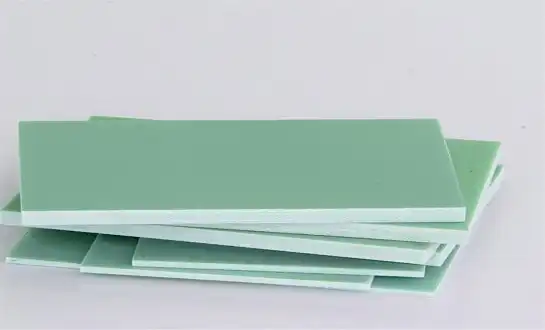
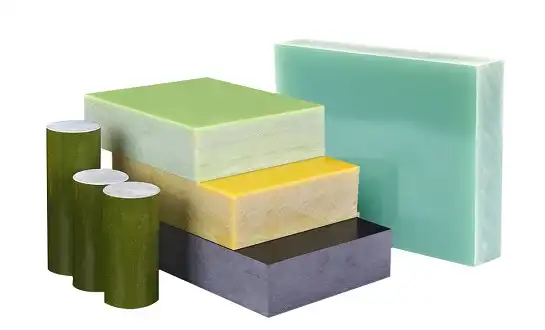
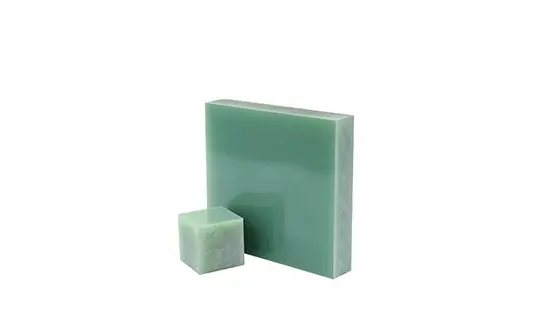
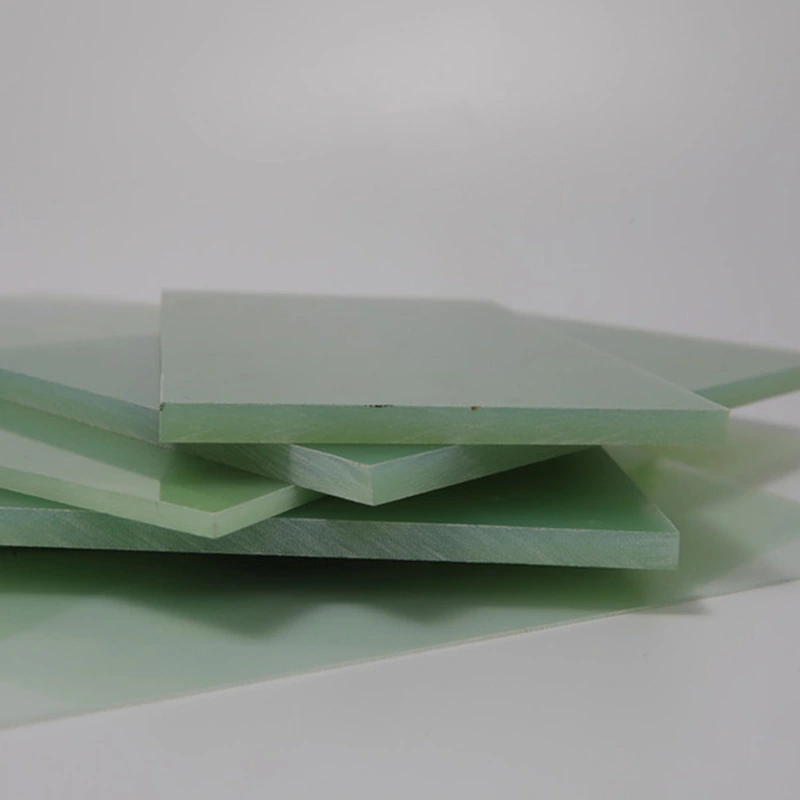
G10 fiberglass sheet is made of continuous thread glass cloth that is mixed with an epoxy resin binder. It is a high-quality high-pressure thermoset industrial material. When this combination material sets under a lot of heat and pressure, it forms a solid, non-conductive structure that is very strong, stable at high temperatures, and good at blocking electricity. These performance qualities are used in many important ways in industries ranging from aerospace to electronics making.
Why G10 Poses Unique Machining Difficulties
The very qualities that make G10 fiberglass sheet so useful also make it very hard to machine. The rough fiberglass fibers and hard epoxy resin matrix make the tool wear out faster while it's being used to cut. G10 fiberglass sheet doesn't change shape or break when put under a lot of mechanical stress like soft metals or plastics do. This means that cutting edges wear down quickly. For electrical insulation parts, the surface needs to be flat and smooth, which requires accuracy that worn-out tools can't provide.
Impact on Operational Costs and Precision
Faster tool wear has a direct effect on your bottom line because you have to pay to change tools more often, your machine may break down more often, and there may be quality problems. Tolerances move, surface finish gets worse, and the chance of delamination or cracks growing grows as tools wear out. Every day, engineering managers and procurement specialists in the production of electrical switchgear, transformers, and car parts have to deal with these problems. This is why managing tool wear is a strategy issue rather than just an operational one.
Analyzing the Root Causes of Tool Wear: A Systematic Approach
Targeted changes are possible when you know what causes tool wear during G10 fiberglass sheet grinding. Based on our 20 years of experience making things for clients in the electrical and industrial machinery industries, we've found three main factors.
Heat Accumulation at the Cutting Interface
When G10 fiberglass sheet is being machined, its high heat resistance becomes a problem. The material's low thermal conductivity makes it hard for heat to escape, which causes the temperature at the contact between the tool and the workpiece to rise. This heat stress makes cutting edges softer, speeds up chemical reactions between tool coverings and the workpiece, and helps tools break down quickly. Within minutes of continuous cutting, temperature spikes can hit levels that weaken carbide. This is especially true when working with bigger sheets for motor parts or arc barriers.
Abrasive Mechanical Stress from Glass Fibers
The continuous thread glass cloth in G10 fiberglass sheet works like thousands of very small rough particles. In a single pass, each fiber strand hits the cutting edge more than once, building up mechanical force. Stress concentration is affected by cutting speed, feed rate, and the shape of the tool. Cutting forces go up when feed rates are too fast, and chatter and shaking from tools that are at the wrong angle make localized wear patterns worse. When mechanical engineers work with phenolic laminates to make gears or structural insulation, they face similar problems. However, the glass content in G10 fiberglass sheet makes the problem worse.
Machine Settings and Environmental Factors
Problems are made worse by cutting settings that aren't perfect. Too fast of cutting speeds make more heat, and too slow of feed rates let heat build up, which makes the situation worse. Stability of the machine is very important. Vibration from worn spindle bearings or not clamping the object properly can cause cutting forces that aren't even, which can chip the sides of the tool. The cutting environment itself is important: not using enough cooling means that heat isn't being controlled, and not collecting enough dust means that abrasive particles can move around and scratch both the object and the tools.
Principles and Best Practices to Minimize Tool Wear When Cutting G10
To lower tool wear, you need to think about a lot of things, like the G10 fiberglass sheet material you use, the process factors, and the surroundings. These tactics are based on facts and come from real-life experience in a variety of business settings.
Selecting Appropriate Cutting Tools
Wear resistance is largely determined by the material used for the tool. Because G10 fiberglass sheet is so rough, regular high-speed steel breaks down very quickly. Specialized coats on carbide tools make them work much better. Titanium aluminum nitride and diamond-like carbon coatings make them more resistant to wear. Diamond-tipped cuts are the best option because they last a very long time and can be used for large production runs. Both the positive rake angle and the sharp cutting edge of a tool are important for its shape. Sharp cutting edges prevent material from breaking, which speeds up wear.
Optimizing Cutting Parameters
To balance efficiency with protecting tools, you need to be very careful when choosing the parameters. For carbide tools, cutting speeds between 800 and 1,200 surface feet per minute usually work well, but the best numbers rely on the thickness of the sheet and how the tool is set up. Feed rates should stay low enough to keep cutting forces from getting too high and thermal living from happening. A shallow depth of cut (usually between 0.030 and 0.060 inches per pass) spreads wear over a longer length of the cutting edge. Technical buying teams should talk to providers who know about the physics of G10 fiberglass sheet machining about setting suggestions.
Implementing Effective Cooling Strategies
Controlling the heat may be the most important thing that can be done. Flood cooling systems keep the temperature stable all the time, but they add moisture, which could be a problem for people who need complete resistance to wetness. For electrical insulation jobs where contamination is a worry, air-blast cooling is a dry option that works well. Mist cooling systems find the right mix between how well they cool and how much liquid they add. Because our processes are all connected, we can suggest cooling methods that are best for your job, whether you're making PCB support structures, transformer coil insulation, or battery pack barriers.
Maintaining Dust Control and Cleanliness
Fine gritty dust is made when G10 fiberglass sheet is machined, and it hurts both the health of the user and the tools. Dust filtration systems that work well get rid of particles before they come back into the cutting zone. This keeps the great electrical qualities of G10 fiberglass sheet safe, which makes it useful for high-voltage switches, and it also makes tools last longer. Dust control is required by industrial health standards, so it is both legally and economically necessary to do this.
Case Studies: Successful Tool Wear Minimization in G10 Cutting Applications
Real-life examples show how strategic methods can cut down on tool wear and improve the general efficiency of manufacturing G10 fiberglass sheets.
Electronics Enclosure Manufacturing Success
A medium-sized electronics company that made test boards and terminal boards had to replace their carbide cuts every 40 hours of use because they were wearing out too quickly. After talking with our scientific team, they used diamond-coated tools and made sure that the coolant got to the right places. The tool life went up to 180 hours, which is a 350% increase. Buying high-quality tools paid for itself in six weeks because they didn't need to be replaced as often and there were no more quality problems caused by worn-tool measurement shift. Their purchasing manager said that consistent sheet quality from approved sources made tool performance much more reliable.
Aerospace Component Processing Optimization
A company that makes aircraft parts and machines structural parts out of G10 fiberglass sheet had trouble with surface finish loss during precise work. They worked with us to use sample sheets to test different tool shapes and cutting settings. When they switched to positive-rake carbide tools with special finishes and slowed down the cutting speeds by 20%, the surface quality got better and the tool life got 240% longer. The most important thing I learned was that aircraft conditions require tighter tolerances than most industrial settings, which means I have to be more careful when cutting, even though the flow is lower.
Prototype Development Through Supplier Partnership
A transportation sector research center that was making battery pack barriers needed to be able to make quick prototypes without having to buy a lot of tools. They set standard cutting settings for different G10 fiberglass sheet thicknesses by working closely with our technical support team. Their trial-and-error process went from weeks to days because they worked together, which made design development go faster. Having access to custom sheet sizes and expert advice was helpful early in the development process, when production rates weren't high enough to support hiring engineering staff full-time.
Key Takeaways for Procurement and Engineering Teams
To handle tool wear well in G10 fiberglass sheet cutting operations, you need both technical understanding and strategic partnerships with suppliers. People who work in procurement should look at possible suppliers based on how consistent their materials are, how well they can help with technical issues, and how ready they are to give process advice. Certified quality systems make sure that thickness limits and mechanical features are reliable, which helps make sure that cutting works as planned.
Buying high-quality G10 fiberglass sheets from well-known companies lowers the hidden costs that come with inconsistent materials. Sheets with bubbles, wrinkles, or delamination make cutting less reliable, which speeds up tool wear. Quality G10 fiberglass sheet is very stable in terms of its dimensions and very resistant to moisture, which means that it can be machined in the same way over and over again during production runs.
Writing down the best mixtures of parameters for different uses helps engineering teams. Standardizing processes and cutting down on setup time can be achieved by making internal machining guides for PCB support structures, insulation frames, mechanical spacers, and other common parts. This paperwork is very helpful when going from a prototype to mass production or when teaching new machine workers how to use the machines.
Conclusion
To keep tool wear to a minimum when cutting G10 fiberglass sheets, you need to manage heat, choose the right cutting tools, make sure the machine settings are set correctly, and control the dust well. Because fiberglass is rough and the epoxy material is hard, you need to come up with strategies that balance efficiency with tool protection. Teams in charge of buying things should focus on working with seasoned suppliers who can provide regular material quality, technical support, and unique solutions. Manufacturers in the automobile, aircraft, electrical, and industrial sectors can lower costs, keep precision, and improve total machining efficiency by using these practices that have been shown to work.
FAQ
Does G10's moisture resistance affect tool wear during machining?
The fact that G10 fiberglass sheet is resistant to water doesn't have a direct effect on tool wear, but it does affect the choice of cooling. The material keeps its qualities even when it's wet, so water-based coolants can be used without affecting the material's ability to conduct electricity. Cooling tools properly lowers the temperature stress on them, which indirectly increases their life. The main issue at hand is controlling the heat, not the damage that comes from materials being exposed to water.
How does G10 compare to FR4 sheets regarding machining difficulty?
Because G10 fiberglass sheet is made of continuous thread glass cloth instead of weaving glass fabric, it is more abrasive than FR4. Because of this change in structure, G10 fiberglass sheet usually causes more tool wear when cutting in the same way. G10 fiberglass sheet, on the other hand, has better mechanical strength and temperature stability, so the extra work needed to machine it is worth it for hard uses in aircraft, power distribution, and structural insulation.
What lead times and minimum order quantities should we expect?
Lead times for normal sheet sizes and thicknesses are usually two to four weeks. Lead times for special sizes are three to six weeks. Minimum order numbers depend on the thickness and level of customization needed, but most providers can handle both small quantities for prototypes and large volumes for production. Our integrated logistics allow us to offer a range of order sizes that are perfect for different steps of a project, from the original testing phase to mass production.
Partner with J&Q for Superior G10 Fiberglass Sheet Solutions
J&Q has been in business for more than twenty years and has been involved in foreign trade for more than ten years. As a reliable producer and seller of G10 fiberglass sheets, we offer high-quality materials with flat surfaces, great insulating qualities, and high dimensional stability. These features directly lead to less tool wear and better machining results. Our expert team can help you improve your processes based on your unique needs, whether you're making parts for electrical insulation, transformers, or car fixtures. We make your supply chain easier and make sure the quality of the materials stays the same by having in-house logistics skills that give you real one-stop service. Email us at info@jhd-material.com to talk about your G10 fiberglass sheet needs and find out how our knowledge can help you run your business more efficiently and lower your total cost of ownership.
References
Smith, J. R., & Anderson, P. L. (2021). Advanced Composite Machining: Strategies for Tool Life Extension. Industrial Manufacturing Press.
National Electrical Manufacturers Association. (2020). NEMA LI 1-2020: Industrial Laminating Thermosetting Products. NEMA Standards Publication.
Chen, W., & Thompson, K. M. (2019). "Tool Wear Mechanisms in Fiber-Reinforced Composite Machining." Journal of Manufacturing Processes, 45, 312-328.
Williams, D. A. (2022). Precision Machining of Electrical Insulation Materials: A Practical Guide. Technical Engineering Publishers.
Rodriguez, M., & Kumar, S. (2020). "Thermal Management in Composite Material Cutting Operations." International Journal of Advanced Manufacturing Technology, 108(7-8), 2341-2356.
Baker, T. R. (2021). Industrial Procurement Strategies for High-Performance Laminates. Supply Chain Management Institute.

Get a complete product list and quotation

J&Q New Composite Materials Company