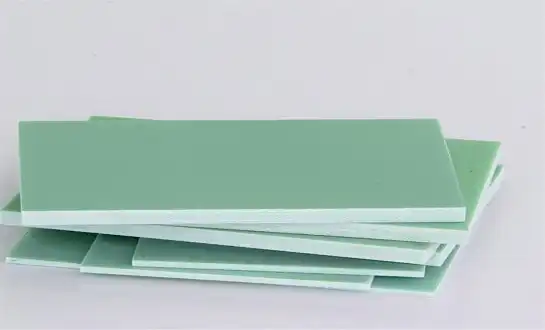
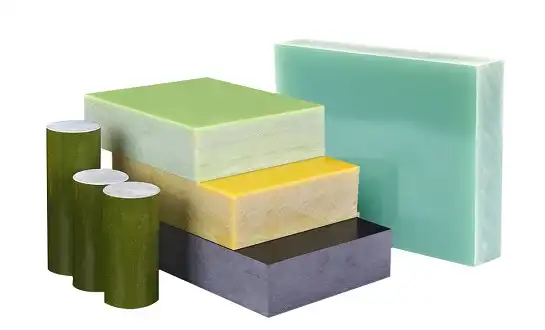
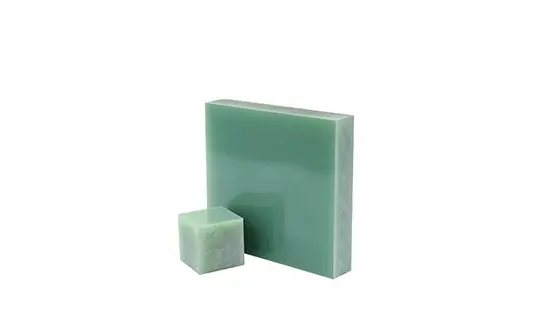
Manufacturing Electrical Insulation Parts from Bakelite Sheets
Precision engineering and material knowledge that goes back more than a hundred years are needed to make electrical insulation parts out of Bakelite sheet. Bakelite sheet is made of a thermoset phenolic resin that has great insulating strength, heat resistance, and mechanical stability. This makes it essential for electrical uses like supporting PCBs and making switchgear parts. At J&Q, we use these flexible sheets to make custom-machined parts that meet the exact needs of North American companies that make electronics, power distribution systems, and industrial machines.
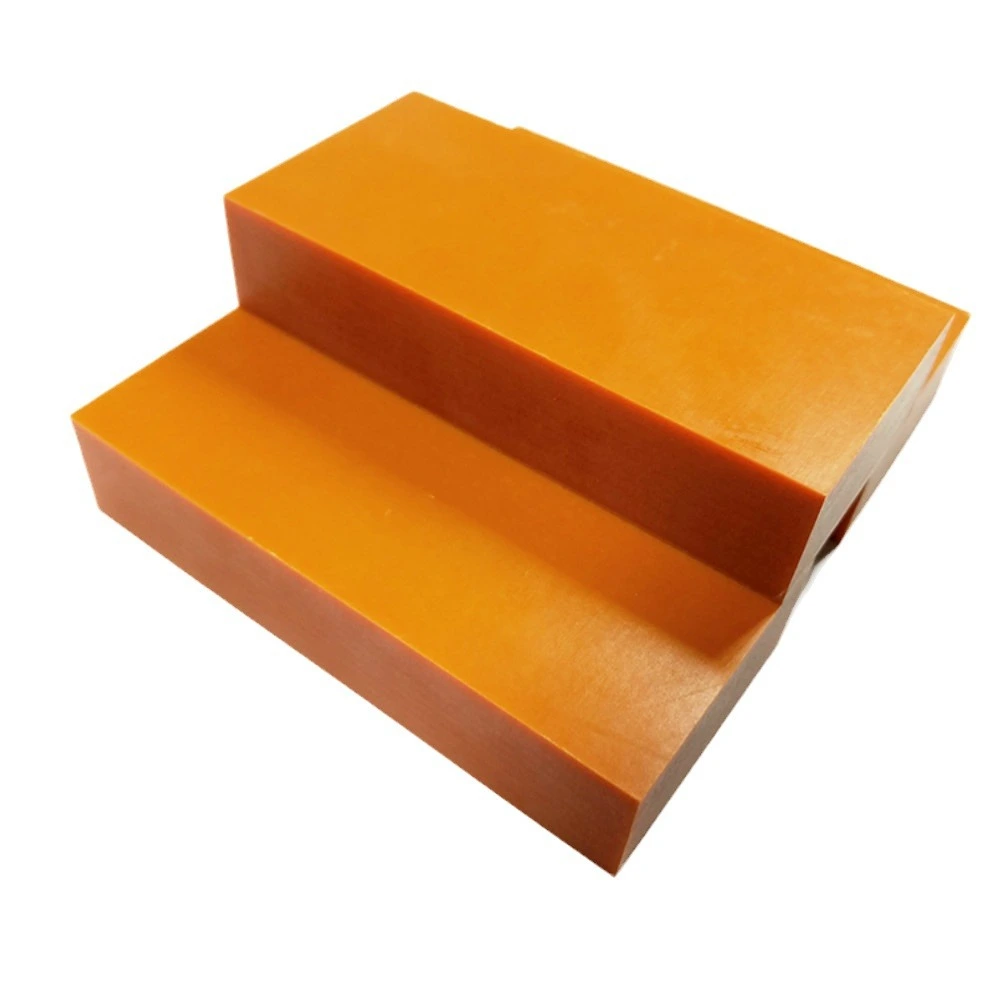
Understanding Bakelite Sheets and Their Properties
The Chemical Foundation of Phenolic Laminates
This is Bakelite sheet, the first man-made material made by condensation processes between phenol and formaldehyde. This thermosetting polymer creates molecule networks that are cross-linked and solidify forever when heated and under pressure. This makes materials that don't melt even at high temperatures. In contrast to thermoplastics, phenolic laminates keep their shape and electrical insulation qualities over a wide range of temperatures that would damage other materials.
Polyoxybenzylmethyleneglycolanhydride makes up the glue itself. This chemical has a complicated structure that sticks to reinforcing materials to make composite sheets. Paper-based laminates have good electrical qualities, fabric-reinforced versions are stronger, and glass-fiber composites are better at resisting chemicals and staying stable at high temperatures. When engineering managers choose materials for motor parts or circuit breakers, they need to know these differences so they can match the right type of material with the job.
Critical Performance Characteristics for Electrical Applications
For electrical insulation to work, the materials used must stop current leakage and be able to handle operating pressures. Phenolic sheets have a dielectric strength of more than 15 kV/mm, which means they can be used in high-voltage areas like spark barriers and transformer shielding. Their volume resistivity stays the same even when the humidity changes, which is an important quality for switchgear that is used in a variety of environments.
The ability to fight heat is another important trait. Bakelite sheet keeps its shape at temperatures up to 150°C when it is used continuously, and it can handle higher temps in the short term. This temperature stability keeps motor mounts and coil insulation from breaking down, which increases the useful life of parts in tough situations. The material doesn't absorb much water—usually less than 1%—so it doesn't change size in ways that could ruin precision parts in battery pack barriers for cars or appliance insulation frames.
Mechanical experts like that phenolic laminates can be cut with a CNC machine. The material cuts neatly and doesn't delaminate, so it can be used to make gears, spacers, and custom electrical housings with complicated shapes. Tolerances for thickness kept within ±0.1mm make sure that production parts fit together consistently. This lowers the cost of repair for OEM suppliers who are in charge of high-volume production.
Comparative Analysis of Phenolic Resin Grades
Bakelite sheet and other paper-reinforced grades are good for general electrical shielding in places with mild mechanical loads. These versions make it cheaper to make a lot of things, like simple circuit board substrates and device motor supports. Because they can punch, they can be used for high-speed stamping processes, which speeds up the production stages for companies that make consumer gadgets.
Fabric-reinforced phenolic sheets are used in places where strength and resistance to pressure are needed. Machine builders use these types for parts that don't break down easily when they're vibrated and put under mechanical stress. The cotton or linen cloth support spreads the weight evenly, keeping gear assemblies and structural spacers from breaking easily.
Glass-fabric laminates are the best choice when normal grades can't handle chemicals or high temperatures. These materials offer better protection, which is helpful for power transfer equipment that works near industrial chemicals. Because they are better at resisting arcing, they are often used as transformer barriers and high-voltage bushings where electrical tracking could be dangerous.
The Manufacturing Process of Bakelite Electrical Insulation Parts
Raw Material Selection and Resin Synthesis
Controlled plastic production is the first step in making good electrical insulation. In hot reactors with fixed pH levels, phenol and formaldehyde are mixed in a very exact way. Catalysts help the polymerization process through the first steps of resole or novolac. They also decide the cross-linking density and curing properties of the finished resin. Technical sourcing teams know that the uniformity of the glue has a direct effect on how well the finished part works. For example, changes in the molecular weight distribution can affect the dielectric qualities or the way the part is machined.
After it is made, the liquid glue gets added substances that are made for specific uses. Flame retardants make sure that parts of consumer electronics are safe, and colorants help make the products stand out. Fillers change the mechanical qualities of a material, and mold release agents make it easier to work with later. At this stage of the formulation process, the product can be customized to meet the special needs of each customer, such as meeting UL certification standards or working best for automatic assembly processes.
Lamination and Curing Operations
To make sheets, support materials like paper, fabric, or glass cloth are soaked in ready-mixed resin. Automated impregnation lines make sure that the resin is spread evenly across each layer. They do this by controlling the ratio of resin to fiber, which sets the final mechanical and electrical qualities. Several soaked layers are stacked in a certain order, and the fiber directions are lined up to get the strength properties that are wanted.
These stacks are heated and pressed at the same time by hydraulic presses, which usually do this at temperatures between 150°C and 180°C and pressures above 10 MPa. Cross-linking events change the thermoplastic material into a hard thermoset structure during the curing process. The length of the cure cycle, which is usually between 60 and 90 minutes, needs to be carefully managed. Not enough curing leaves unreacted resin, which hurts performance, and too much heating can damage the material's features.
Post-cure cooling happens slowly so that internal forces that could cause bending are kept to a minimum. Multiple thickness measurements are done on finished sheets to make sure they are all the same size, which is important for accurate cutting later on. Tough process controls help manufacturers make sheets with even densities and reliable cutting properties, which means that end users making electrical components use less scrap.
Precision Machining and Quality Verification
Advanced CNC skills are needed to turn sheets into useful insulation parts. Multi-axis machining machines can make special switchgear parts or insulation pads for cars with complicated shapes. When cutting, drilling, or grinding, delamination can't happen because of the right carbide tools and feed rates. Machine workers with a lot of experience change settings based on the grade and thickness of the sheet, making sure that the tolerances meet strict OEM requirements.
During production, quality control procedures check for important factors. Using coordinate measuring devices for dimensional inspections, thickness consistency and geometric correctness are checked. Electrical testing confirms the dielectric strength and surface resistance, making sure that the product meets standards in the business. Flexural and impact tests are used to check the mechanical properties of materials and make sure they meet customer needs.
Temperature stability tests act like real-life situations, subjecting sample parts to temperature cycle that finds possible degradation problems before they are used in production. This thorough testing method, along with quality control systems that are ISO-certified, gives B2B customers faith that the parts they buy will work reliably for as long as they're supposed to.
Comparing Bakelite Sheets with Other Electrical Insulation Materials
Phenolic Versus Epoxy Resin Systems
Because they are so good at handling electricity and being glued together, FR4 epoxy laminates are used in most PCB uses. But phenolic materials have clear benefits in certain situations. Bakelite sheet is usually 20–30% cheaper than similar grades of epoxy. This makes it a good choice for large-format insulation sheets or high-volume device parts that don't need FR4's better performance.
Phenolic materials are better at resisting arcs than regular epoxies, which is important for equipment that could be affected by electrical problems. When heated over and over, they keep their shape better than many epoxy mixtures, especially in grades that aren't strengthened. On the other hand, epoxy systems tend to be better at resisting moisture and connecting strongly to multilayer PCB structures, which is why they are preferred in advanced electronics manufacturing.
Based on the importance of the application, mechanical engineers find a balance between these trade-offs. If you put constant thermal stress on transformer coil insulation, you might like how phenolic heat ages, but if you need fine-pitch circuitry for car electronics, you would want FR4's processing precision. By knowing these important differences, you can make smart choices about buying that improve both performance and cost.
Traditional Insulators and Modern Alternatives
In the past, hard rubber separators were used instead of phenolic materials, but they aren't as good at resisting heat and staying stable over time. Hard rubber isn't usually needed in modern uses unless it's needed to work with older tools. Because phenolic laminates are stronger mechanically and can handle a wider range of temperatures, they are used instead of rubber in most electrical uses.
Melamine laminates can be used for decoration, but they don't insulate electricity as well as phenolic laminates do. For market goods, melamine has great surface toughness and stain resistance. However, its dielectric qualities and heat tolerance are not good enough for motor parts or power transfer equipment. In industrial electrical uses, procurement professionals know that when choosing materials, useful needs must come before aesthetic concerns.
Nylon and PVC are flexible choices that are better at being shaped into complex shapes. When high production numbers allow it, these materials work great for injection-molded housings. However, their lower continuous-use temperature ratings (usually 80–105°C compared to phenolic's 150°C range) limit their use in electrical systems that produce heat. The thermoset structure of phenolic keeps its shape under long-term heat loads, while thermoplastics would creep or bend.
Procurement Guide: Buying Bakelite Sheets for Electrical Insulation
Evaluating Supplier Capabilities and Certifications
To find phenolic laminates, you have to look at more than just price when evaluating sellers. Manufacturers that make their own resin have better batch-to-batch accuracy than converts that buy resins in bulk. Molecular weight distribution and addition packages are controlled by integrated operations, which lets customization that meets the needs of specific applications happen.
Portfolios of certifications show a drive to quality and professional know-how. When a material is recognized by UL, it means it meets the flame protection and electrical safety guidelines that are needed for consumer electronics and appliances. RoHS compliance shows that companies that make products for the European and North American markets are paying attention to rules that protect the environment. With ISO 9001 certification, you can be sure that production processes are governed by written quality systems. This lowers the risk of variation in important insulation components.
Strategic sellers are different from commodity vendors because they can offer technical help. In addition to providing materials, engineering teams that help choose materials, make suggestions for machining, and solve application problems add value. This way of working together speeds up the development of new products and lowers the risks of not meeting standards when launching new designs for electrical protection.
Strategic Ordering Approaches for B2B Customers
Bulk buying deals get you good prices and make sure you have enough materials to keep making things. Suppliers can improve production runs thanks to annual contracts that include planned releases. Customers benefit from these efficiency gains as the cost per unit goes down. When you commit to buying between 5,000 and 50,000 kilograms, you can usually use tiered price models that help your margins on manufactured parts.
Custom sizes cut down on trash and the cost of extra processing. When suppliers offer precise cutting to customer specs, end users don't have to keep a collection of sheet goods or know how to cut them. Pre-cut blanks that are designed for specific CNC programs reduce material waste and speed up the machining process. This is especially helpful for parts of cars or machines that have complex shapes.
Logistics issues affect both the total cost and the schedule for production. When sourcing Bakelite sheet, domestic providers in North America offer shorter lead times and easier contact compared to foreign sources, but they may charge more. Total cost comparisons are true when you look at landed costs, which include freight, taxes, and the costs of keeping goods. Providers with integrated services make it easier to coordinate the supply chain, which makes it easier for buying teams to manage multiple component providers.
Practical Applications and Case Studies of Bakelite Electrical Insulation Parts
Electrical Component Applications Across Industries
Manufacturers of switchgear depend on phenolic insulation barriers to stop arcs from spreading between wires that are already live. The tracking resistance of the material makes sure that surface contamination doesn't make conductive lines that break the electrical separation. When phenolic laminates are used to make circuit breaker housings, they combine electrical insulation with mechanical strength to handle contact trigger forces. This makes them reliable for protecting electrical systems in homes and businesses from overcurrents.
Another important type of application is motor components. Fabric-reinforced phenolic sheets are used to make commutator end plates that can handle brush friction and keep armature windings from touching grounded motor frames. Paper-based slot wedges protect coil windings from centrifugal forces while the motor is turning. They do this by keeping the electrical gaps that are necessary for the motor to work reliably. Because phenolic is electrically insulating, strong, and keeps its shape at working temperatures, it is useful in these situations.
People who work with restoring and reproducing old radios like how phenolic looks and how it conducts electricity. Vacuum tube sockets and frame panels look like the original equipment and meet current safety standards at the same time. This specific use shows that materials last a long time—properly made phenolic laminates keep their properties for decades of use, which is why they are still used in situations where their proven performance is more important than younger material choices.
Performance in Demanding Operating Environments
Extreme thermal and electrical stresses are put on transformer makers who work with power transfer equipment. When transformers react to changes in load, coil insulation systems with phenolic barriers keep the dielectric stability over thousands of temperature cycles. The low thermal expansion rate of the material keeps mechanical loads on winding units to a minimum. This lowers the risk of failure from insulation cracking or delaminating.
Combining electrical insulation and thermal control is hard to do in automotive battery pack uses. Machined cell division walls made of glass-reinforced phenolic grades stop short circuits and move heat away from active materials. The material's ability to resist flames gives important safety gaps by stopping the spread of fire in cases of thermal runaway. Precision machining makes it possible for complicated shapes to fit cooling lines and structural support features into small battery cases.
The chemical stability of phenolic makes it useful for industrial equipment that works in dirty places. Bakelite sheet and other phenolic insulators keep electrical connections safe even when they are exposed to oils, acids, and cleaning agents. They are used in hydraulic system parts and chemical processing equipment. Cross-linked phenolic structures don't swell or break down like many plastics do in chemical environments. Instead, they resist attack, keeping their shape and electrical qualities over long service times.
Design Optimization and Machining Best Practices
To get the most out of phenolic components, you need to build them in a way that takes their properties into account. Large curves at the inside corners lower stress levels that could cause cracks when mechanical loads are applied. Avoiding thin parts that aren't supported stops movement in situations where electrical gaps are affected by dimensional stability. During the development process, design engineers work with materials experts to build optimized shapes that take advantage of phenolic's strengths while also working around its weaknesses.
The machining factors have a big effect on the quality of the final part and how quickly it can be made. On fabric-reinforced grades, edge delamination is kept to a minimum by climb milling with sharp carbide tools. Spindle speeds that are moderate, like 3,000 to 5,000 RPM for turning tasks, keep heat from building up and damaging the glue or dulling the cutting edges. Enough chip evacuation through the right feed rates and tool shape keeps the cutting action clean, so exact measurements are achieved without the formation of burrs that need to be removed later.
Maintenance techniques make insulation parts last longer. By checking the insulation on a regular basis for surface tracking, mechanical damage, or contamination buildup, it is possible to replace it before it fails. Using allowed chemicals to clean gets rid of conductive deposits without hurting the phenolic resin. Proper storage that keeps useless parts away from UV light and high temperatures protects the material's properties, making sure that when parts are put into electrical circuits, they work as expected.
Conclusion
Using phenolic laminates to make electrical insulation parts is a mix of material science that has been used for hundreds of years and current precision engineering. Bakelite sheet is used in many different areas, from home products to industrial power systems, because it is strong, stable at high temperatures, and doesn't conduct electricity. Engineering managers and procurement experts can make smart choices about where to buy things when they know about material grades, manufacturing methods, and comparative benefits. When you work with experienced providers who offer expert support, quality certifications, and reliable logistics, you can be sure that your parts will always work well and meet the strict needs of your industry, all while lowering your total cost of ownership.
FAQ
What temperature ranges can phenolic insulation withstand?
Standard Bakelite sheet laminates can keep working continuously at temperatures up to 150°C, and based on the grade and thickness, they can handle short-term exposures up to 180°C. Compared to paper-based grades, versions strengthened with glass cloth are better at withstanding heat. For long-term thermal exposure, applications should include safety limits that take into account the environment and the heat generated by nearby electrical components.
Can phenolic sheets be customized for specific dimensional requirements?
Manufacturers often offer pieces that are cut to order and parts that are precisely made to meet the exact needs of their customers. CNC machines can make complicated shapes with features like contours, pockets, and exactly placed mounting holes. The available thickness runs from 0.5 mm to 50 mm, and the width and length sizes are good for most electrical protection needs. Depending on the grade of the material and the difficulty of the order, custom orders usually need a minimum quantity.
How does phenolic compare to modern engineering plastics for electrical applications?
Many thermoplastics don't do as well at heat resistance, spark resistance, or keeping their shape under long-term thermal loads as Bakelite sheet laminates do. While nylon is better at withstanding impacts and being shaped, it can't compare to phenolic when it comes to electrical protection at high temperatures. Material choice is based on the needs of the application, taking into account things like cost, production rate, heating requirements, and mechanical loads.
Partner with J&Q for Premium Bakelite Sheet Solutions
For your electrical insulation component needs, J&Q has more than twenty years of experience making things and more than ten years of experience dealing internationally. As a well-known company that makes Bakelite sheets, we use precise CNC cutting and a deep understanding of the material to make unique insulation parts that meet UL and RoHS standards. Our integrated logistics operations make it easier for you to handle your supply chain by letting you choose the materials you need and have them shipped all in one place.
Our expert team works with you to find the best designs and types of materials for your needs, whether you're an engineering manager choosing switchgear parts or a procurement specialist looking for motor insulation parts. Email us at info@jhd-material.com to talk about your needs and get full quotes for custom-machined phenolic insulation parts that come with strict quality control and reliable delivery across North America.
References
Baekeland, L.H. (1909). "The Synthesis, Constitution, and Uses of Bakelite." Journal of Industrial and Engineering Chemistry, Volume 1, Issue 3, pp. 149-161.
Richardson, T.A. (2002). Industrial Plastics: Theory and Applications, Fourth Edition. Delmar Thomson Learning, Albany, New York.
Harper, C.A. (2006). Handbook of Plastics, Elastomers, and Composites, Fourth Edition. McGraw-Hill Professional, New York.
Mapleston, P. (1997). "Phenolic Resins: A Century of Progress." Modern Plastics International, Volume 27, Issue 8, pp. 64-68.
Goodman, S.H. (1998). Handbook of Thermoset Plastics, Second Edition. Noyes Publications, Westwood, New Jersey.
Peters, E.N. (2006). "Phenolic Resin Materials in Electrical Applications: Properties and Performance." IEEE Electrical Insulation Magazine, Volume 22, Issue 4, pp. 18-26.

Get a complete product list and quotation
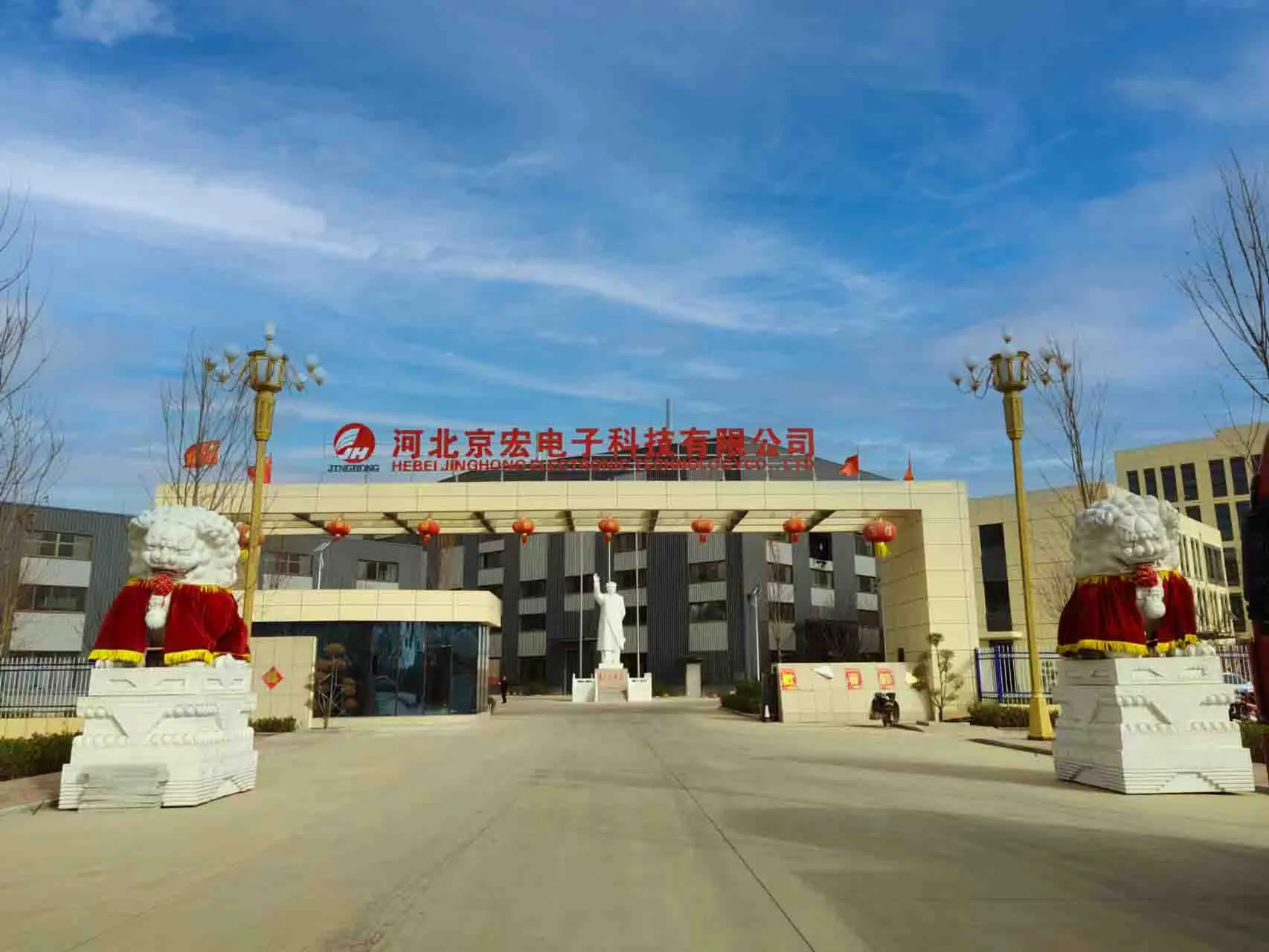
J&Q New Composite Materials Company