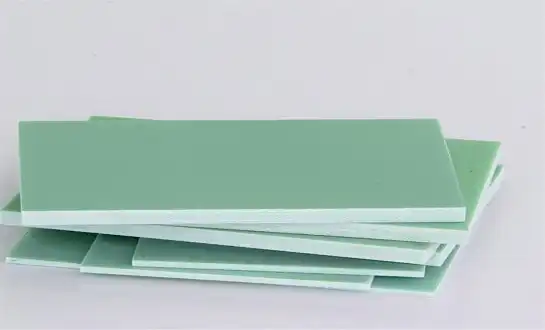
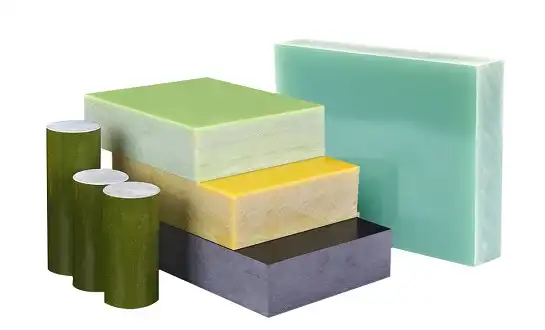
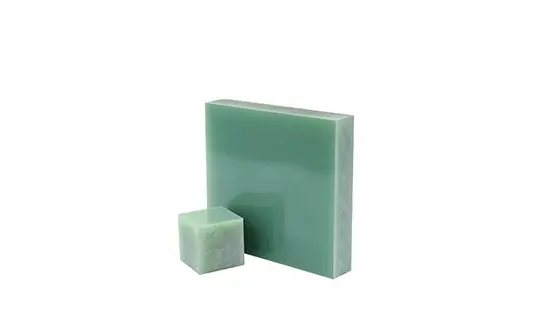
CNC Production of Custom Phenolic Cotton Components
To solve important design problems in electrical tools, equipment, or power distribution systems, engineering teams often turn to phenolic cotton components. Under heat and pressure, these high-performance thermosetting laminates mix knitted cotton cloth with phenolic resin to make materials that are very strong, stable at high temperatures, and good at blocking electricity. These designed laminates are turned into precise parts using CNC machines. These parts include bushings, gears, insulation barriers, and structural supports that must meet the strict standards needed in fields where failure is not an option. Over many years, we've seen how CNC cutting improves the performance of materials to the point where they are reliable.

Understanding Phenolic Cotton Components
Chemical Composition and Manufacturing Process
The combination of natural cotton cloth and man-made phenolic resin chemistry in phenolic cotton laminates is very advanced. The first step in making something is choosing a cotton fabric. Depending on the purpose, the fabric can have a coarse canvas weave or a fine linen weave. The fabrics are saturated with liquid phenolic glue by the manufacturers, who then stack them in a controlled way.
The change takes place through thermosetting polymerization. When heated to 150°C to 180°C and pressed to 7-14 MPa, phenolic resins crosslink chemically in a way that can't be undone. This is different from thermoplastics, which melt and then reform. The curing process firmly locks the chemical structure, making a hybrid that won't soften or change shape when heated for use. To make the structure strong and stable, the cotton threads add mechanical support, and the phenolic binder protects against heat and holds everything together.
Tough rules control these materials based on industry norms. Labels from NEMA, such as Grade CE (Canvas Electric) and Grade LE (Linen Electric), list thread counts, resin substance amounts, and performance standards. International counterparts are set by IEC 60893 standards, which make sure that quality is the same all along the world's supply lines. When procurement teams look for parts for approved equipment, this uniformity is very important.
Key Characteristics and Performance Benefits
Phenolic cotton laminates are good for some problems in the business world that other materials can't solve as well. It's great for bearing uses where metal-on-metal contact would wear down quickly because the composite structure is so good at handling compression loads. When used in gear systems, the material absorbs vibration and makes a lot less noise than steel peers. This is a huge benefit for cloth and printing equipment that needs to work in crowded spaces.
The electrical protection meets Class E norms and can work continuously at temperatures up to 120°C. Because cotton fibers absorb water, these laminates are not good for main high-voltage insulation. However, they work great as structural insulation when both strength and dielectric qualities are needed. Arc barriers in circuits and insulating gaps in transformers are two common uses.
The fact that the material can work in places with oil on them makes it stand out. Unlike many polymers that break down or grow too much, a phenolic cotton component stays the same size and has known expansion factors. Engineers can correctly figure out gaps, which keeps hydraulic cylinders and bearing housings from seizing up. Wear resistance stays the same even when external lubrication isn't going on all the time. This means that repair times are longer and overall ownership costs are lower.
Environmental Considerations and Industry Standards
In modern procurement, environmental issues are being taken into account along with professional success more and more. The look of phenolic cotton laminates is mixed. The cotton base comes from farming sources that can be used again and again, and the material itself doesn't have any halogenated flame retardants that make it harder to get rid of when it's time. But because they are thermosetting, they are harder to recycle than thermoplastics.
Manufacturers that work with the electrical and automobile industries need to follow the rules very carefully. UL certification and ROHS compliance make sure that materials follow the rules for fire safety and dangerous substances. ISO 9001-certified quality management systems give engineering managers the traceability and consistency they need to choose providers for long-term relationships.
Manufacturers who care about the environment look into bio-based phenolic resins made from lignin or cashew kernel liquid, which lowers their reliance on oil. Even though these formulas haven't been widely used in business yet, they show that the industry is moving in the direction of having less of an impact on the environment without sacrificing technical performance.
Advantages of CNC Production for Custom Phenolic Cotton Components
Precision and Repeatability in Manufacturing
Traditional ways of making phenolic laminates, like sawing, cutting, and finishing by hand, introduce errors that modern production can't handle. Even skilled tool users make groups that are a little bit different in size. When cutting lines aren't optimized, material waste builds up, and setup times between different part shapes make lead times unpredictable.
With computer-controlled accuracy, CNC production changes this environment. Machines with multiple axes follow pre-programmed tracks for tools, and their accuracy is measured in microns, not millimeters. A bushing that was cut on Monday has the same measurements as one that was made on Friday. This gets rid of the problem of dimensional drift that comes up with hand work. This level of consistency is very important when parts need to fit together precisely or when new parts need to work with the original parts without any problems years after they were made.
The technology can work with complicated shapes that can't be done by hand. CNC operations create internal profiles, eccentric bores, and compound-angle surfaces without the need for extra tools or steps. Knowing that CNC equipment can correctly turn CAD models into real parts gives design engineers the freedom to improve part performance without affecting how easy it is to make.
CNC Production Workflow and Quality Control
Getting to know how CNC production works helps buying teams understand the value that is being provided. The process starts with teamwork between engineers, where plan files are checked to see if they can be made. Our team checks the width of the walls, the radius of the corners, and the access for the tools to make sure that the designs can be machined easily without affecting the structural integrity.
The next step is CAM design, where experts make the best toolpaths by taking into account how phenolic cotton is machined. Because the material makes sharp dust that quickly dulls high-speed steel tools, plans call for carbide or diamond-tipped cutting tools. Feed rates and spindle speeds keep output and edge quality in balance. This keeps the machine from burning or delaminating, which can happen when heat builds up too much.
Active dust filtration systems constantly remove particles from the air while machining, keeping both workers and machinery safe. Using coolant to get rid of chips and control thermal loads is important when tight standards don't allow for thermal expansion during cutting. Multistage processes quickly rough out large amounts of material, then move on to finishing passes that get the surface roughness and dimensions just right.
Quality control doesn't just happen at the end of production; it happens all the way through. Coordinate measuring machines are used for in-process verification, which checks measurements of the phenolic cotton component before moving on to the next step in the process. This keeps errors from building up and leading to waste. Statistical process control charts keep an eye on important dimensions across production runs. This lets you spot trends before parts start to deviate from the specs. With this methodical approach, you can be sure that every part meets the technical standards.
Efficiency Improvements and Lead Time Reduction
When compared to old methods, CNC production drastically changes how long projects take to finish. It takes a lot less time to set up new part shapes now that programs load digitally instead of making real fixtures. To run the same part months later, all you have to do is remember the tested program, so you don't have to do any rebuilding work.
Batch freedom gets a lot better. Economic production numbers go down as setup costs go down, which lets manufacturers make money with lower order amounts. When design changes don't cost a lot of money in retooling, prototyping becomes useful. Engineering teams can test ideas in the real world before committing to mass production, which lowers the risk in the product creation process.
Optimized nesting algorithms that order parts efficiently on stock sheets or lines make better use of materials. As output goes up, scrap rates go down, which lowers the cost of material per piece. With fewer hours of work needed for each part, CNC production often has lower overall costs, even though it requires more equipment. This is especially true as order quantities rise.
These improvements in speed give businesses a clear edge over their competitors. Many types of parts now have lead times of days instead of weeks, which speeds up the time it takes for equipment makers to get their products to market. Just-in-time inventory methods work better with responsive shipping, which frees up working capital that would have been used to buy parts. When problems happen in the supply chain, being able to quickly make parts in the United States gives you more security than getting them from other countries.
How to Choose the Right Phenolic Cotton Component for Your Needs
Critical Performance Criteria
To choose the right phenolic cotton types, you have to carefully match the material's qualities to the needs of the application. Resistance to heat is the most important thing to think about. Phenolic laminates won't melt like thermoplastics do, but being exposed to temperatures above 125°C for a long time breaks down the cotton fibers and carbonizes the resin, which causes the structure to fail. Applications that need to be exposed to heat all the time need careful grade choice and thermal control design.
Whether coarse canvas grades or fine linen grades work better depends on how they are loaded mechanically. Canvas structures with fewer threads per inch are the toughest and most impact-resistant. They are perfect for gears that are exposed to shock loads or structural parts that are under vibrating stress. Higher thread count linen types can be machined to have smoother surfaces and tighter tolerances. They are best for precision bushings where the roughness of the surface affects how well the bearing works.
Cotton fibers retain water, which changes their size, so moisture exposure needs to be looked at. Applications that will be used in wet places or that will be directly exposed to water need to have room for growth built into the designs. Normal water uptake leads to a 0.1% to 0.2% increase in size, which needs clearance estimates to keep things from sticking together. For hydraulic uses, oil-impregnated types make them more resistant to water.
The electrical needs of each grade are very different. Class E insulation (120°C rating) is available in NEMA CE and LE grades and is good for structural insulation in motor and circuit parts. But for main high-voltage insulation, you need materials like FR4 or G10 epoxy laminates that are better at conducting electricity and don't absorb water as easily. Knowing this difference keeps you from using a phenolic cotton component in the wrong way, which could put electricity safety at risk.
Material Comparisons and Trade-offs
When engineers look at phenolic cotton laminates, they often compare them to other materials to make sure they made the right choice. Normal cotton fabrics that aren't impregnated with resin are flexible, but they aren't strong or stable when they're loaded. With phenolic impregnation, soft cloth can be turned into hard structural material that can hold weight.
Glass-reinforced epoxies and other synthetic fiber composites have better electrical qualities and higher strength-to-weight ratios. When insulating function is the most important, FR4 laminates are used most often on PCBs. But machined glass alloys are rougher, wearing out cutting tools more quickly, and they cost a lot more. When you don't need the qualities of glass composites, phenolic cotton is a better value.
Aramid fiber laminates are very good at withstanding high temperatures and flames, but they are very expensive, so they can only be used in aircraft and military uses. Phenolic cotton is a good flame retardant for most industry uses, and it's also a lot cheaper than other materials, so it can be used to make business equipment.
Metal options, like brass bushings and steel gears, are very strong but make noise, need to be oiled, and can fail catastrophically through cutting or galling. Phenolic cotton parts protect expensive joining shafts by giving up their lives. They can handle pressure loads that would hurt metal parts and run quietly without extra lubrication. These are benefits that make choosing this material worth it even though it has a lower final strength.
Procurement Considerations and Customization Options
A good buying process strikes a mix between technical needs and practical business issues. Minimum order amounts and prices per piece are greatly affected by the number of orders. Setting up costs are spread out over a lot of units when you make a lot of them, which lowers the price of each one. Lower numbers mean higher costs per unit, but no costs for keeping supplies. Because CNC production is flexible, it becomes cheaper to make smaller amounts than with standard methods.
Lead times depend on how much of a material is available, how complicated the process is, and where the part is in the production plan. Standard types of phenolic cotton laminates are easy to get, but getting specific formulas may take longer. Custom cutting takes between one and three weeks, based on how complicated the job is and how big the order is. Setting up blanket purchase orders with planned drops helps keep lead times stable for ongoing needs.
Customization options make sellers very different from each other. Simple machine shops can make flat washers and round bushings, but they aren't good at making complicated shapes or parts with tight tolerances. Expert makers know how to machine phenolic cotton in a specific way, plan toolpaths that keep delamination from happening, and keep up quality systems that support certified businesses. For quality-controlled uses in the power and car sectors, being able to provide material certifications, dimensional inspection reports, and tracking paperwork is important.
Working with sources who can help with engineering is more valuable than just getting parts. Technical teams can help choose the right grade, offer changes to the design that make it easier to make, and fix performance problems that come up in service. With this method, sellers are more like partners who help the product succeed instead of just people who fill purchase orders.
Conclusion
For challenging uses in electrical systems, industrial machinery, power infrastructure, and transportation equipment, CNC production has fundamentally changed how sectors use phenolic cotton components. Precision, consistency, and freedom are some of the benefits of computer-controlled machining that make it possible to build parts that can't be made cheaply with other methods. New materials keep making things work better and be better for the world, and Industry 4.0 technologies are improving efficiency in ways that make companies more competitive. These benefits are increased when you work with skilled sellers who offer technical know-how, quality systems, and quick service through strategic relationships. Wherever reliable coexistence of mechanical strength, thermal stability, and electrical insulation is required, CNC-machined phenolic cotton components will continue to be necessary solutions as engineering requirements become more complex.
FAQ
What makes phenolic cotton laminates suitable for electrical insulation applications?
Phenolic cotton laminates can withstand constant temperatures of up to 120°C and still get Class E electrical insulation ratings. The dielectric strength comes from the phenolic resin matrix, and the mechanical stability comes from the cotton cloth support. These materials are great for structural insulation in places like switches, motor housings, and transformer systems where parts need to be able to both separate electricity and carry weight. But because cotton strands absorb water, they are not as good for main high-voltage insulation as glass-reinforced epoxy laminates.
How does CNC machining improve quality compared to traditional fabrication methods?
CNC machining gets rid of the differences in size that come with human processes by using computer-controlled accuracy to achieve consistency within microns. Programmable toolpaths make sure that the same parts are used in all production runs, even if they were made months apart. Instead of finding problems at the end of the checking process, integrated quality verification finds differences right away. Statistical process control keeps an eye on important factors all the time and spots trends before parts go out of specification. When engineering managers are qualifying parts for approved equipment, they need quality that is constant, and this method gives them that.
What typical lead times should buyers expect for custom phenolic cotton components?
Lead times depend on the supply of materials, the difficulty of the design, and the number of orders. Standard types of phenolic laminate are usually easy to find, but special formulas may take longer to get. CNC cutting jobs usually take between one and three weeks, but this depends on how complicated the shape is and where the job is in the production line. With higher prices, rush orders can often shorten delivery times, while blanket buy orders with planned releases make delivery more reliable for ongoing needs. Making realistic delivery promises is easier when there is clear information about expected delivery dates during the quote process.
Partner with J&Q for Precision Phenolic Cotton Component Manufacturing
When we work on a phenolic cotton component project at J&Q, we use our more than 20 years of experience in production and 10 years of experience in foreign trade. Our CNC machining gives electrical equipment, industrial gear, and power delivery uses the tight tolerances they need. We know how important it is to find the right mix between technical performance and business viability because we work with engineering managers and procurement teams in the appliance, energy, and car industries. Our combined logistics services make it easy to work with just one company from the initial design meeting to the final delivery, so you don't have to worry about coordinating with multiple vendors. As a well-known company that makes phenolic cotton parts, we keep our quality systems up to international standards and offer customization options that other companies can't match. Get in touch with our team at info@jhd-material.com to talk about your unique needs and get thorough quotes backed by technical advice. Ask for example parts to see for yourself how well we can machine and how consistent our materials are. This will start a relationship that is focused on the success of your product.
References
National Electrical Manufacturers Association. "Industrial Laminating Thermosetting Products: NEMA Standards Publication LI 1-1998." National Electrical Manufacturers Association, 1998.
International Electrotechnical Commission. "Insulating Materials - Industrial Rigid Laminated Sheets Based on Thermosetting Resins for Electrical Purposes: IEC 60893 Series." International Electrotechnical Commission Technical Committee 15,2018.
Thompson, Richard D., and Michael J. Koczak. "Phenolic Resin Composites: Processing, Properties, and Applications in High-Performance Engineering." Advanced Materials & Processes, vol. 176, no. 4, 2018, pp. 22-29.
Harper, Charles A. "Handbook of Plastics, Elastomers, and Composites, Fifth Edition." McGraw-Hill Professional, 2002, Chapter 7: Thermoset Laminates and Composites.
Anderson, Bruce K. "CNC Machining of Advanced Composite Materials: Tool Selection, Process Optimization, and Quality Control." Manufacturing Engineering Society International Conference Proceedings, 2019, pp. 412-423.
Liu, Hongyang, et al. "Sustainable Development of Phenolic Resins: Bio-Based Alternatives and Recycling Technologies." Progress in Polymer Science, vol. 97, 2019, pp. 101-143.

Get a complete product list and quotation
J&Q New Composite Materials Company