Best Cutting Tools for CNC Processing of Bakelite Sheets
The cutting tools used for phenolic laminates have a direct effect on how quickly and well the parts are made. When using CNC to cut Bakelite sheet, carbide-tipped end mills and diamond-coated cutter bits always work better than regular tools. Because phenolic resin materials are rough, these special tools keep edges from chipping as much as possible. When used for long production runs, carbide tools don't wear out as quickly, and diamond-coated tools are great for getting tight specs and smooth surface finishes that are needed for electrical insulation. When engineering teams understand how the shape of the tool, the coating technology, and the qualities of the material all affect each other, they can cut down on scrap, make tools last longer, and keep their measurements accurate in high-volume industrial settings.

Understanding Bakelite Material and Its Machining Challenges
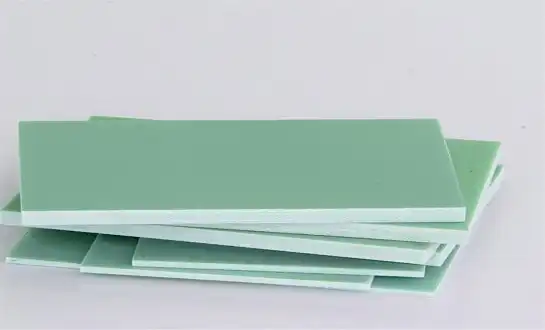
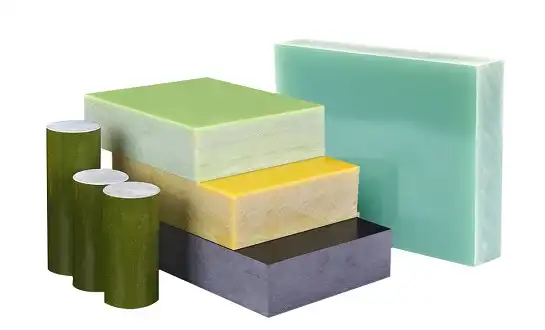
When it comes to CNC cutting, Bakelite sheet is one of the hardest thermosetting plastics to work with. When phenol and formaldehyde come together under controlled heat and pressure, they make a complex chemical network that gives the material great dielectric strength and temperature stability. Grades that are reinforced with paper are great at keeping electricity from flowing, while grades that are reinforced with cloth are stronger and can be used for structure parts. Glass-reinforced models can work continuously at temperatures up to 120°C and are resistant to chemicals like oils, solvents, and weak acids.
Material Properties That Impact Tool Selection
Because phenolic composites are naturally weak, they pose unique problems during processes to remove material. While thermoplastics soften when heated, Bakelite sheet stays stiff during machining, moving cutting forces straight to the edges of the tool. This trait makes the wear patterns on regular high-speed steel cuts happen faster. When paired with reinforcement fibers, the abrasive phenolic resin content works like sandpaper on cutting surfaces, especially when going through multiple layers during drilling or routing operations. A material density of about 1.45 g/cm³ needs the right amount of cutting force, but too much feed pressure breaks the laminate structure along weak points.
Common Machining Defects and Their Causes
A lot of the time, edge chipping happens when exit tactics don't support material fibers during breakthrough times. Delamination between support layers means that the cutting speeds are too slow or the tool edges are dull, which means that the strands of the material are torn instead of sheared. When chips don't move around enough, frictional heat builds up and damages the surface insulation qualities that are needed for electrical uses. This results in burn marks on the surface. When heat builds up and causes localized thermal expansion during long cutting processes, dimensional drift becomes a problem. To fix these flaws, you need to pay close attention to how you choose tools, how you optimize parameters, and how you hold the workpiece so that it stays solid during the cutting cycle.
Top Cutting Tools Recommended for CNC Processing of Bakelite Sheets
Choosing the right cutting tools can turn difficult Bakelite sheet machining into a controlled process that can be done again and again. Matching cutting specs to production needs is very important for how well material is removed, how long tools last, and the quality of the final part. When engineering managers look at different tooling choices, they shouldn't just look at the original buy price. They should also think about the production rate, dimensional tolerances, surface finish standards, and the total cost of ownership.
High-Speed Steel End Mills for Prototype Development
HSS cutting tools are a good way to start making things in small quantities and making prototypes. These cuts work well with Bakelite sheet at slower spindle speeds of 3,000 to 5,000 RPM, so they can be used with older CNC machines that don't have high-speed powers. Because HSS is not as hard as carbide, it is easier to sharpen again, which makes tools more useful in job shops that have facilities for maintaining tools. But HSS tools can only be used for short production runs because they wear out quickly when working with rough phenolic materials. Purchasing teams should set aside HSS tools for testing samples, doing pre-production work, and other tasks where cutting levels stay low and cycle times are not as important.
Carbide-Tipped Tools for Production Environments
For medium to large-scale Bakelite sheet machining jobs, carbide cutting tools offer the best mix of efficiency and cost-effectiveness. Because tungsten carbide surfaces are so hard, they don't wear down easily when phenolic glue and reinforcement fibers rub against them. This means that the cutting edges stay sharp for longer production cycles. When the spinning speed is between 8,000 and 15,000 RPM, carbide end mills work well and remove material faster while making cleaner cuts than HSS alternatives. For fitting tasks, straight flute geometries work well, while spiral geometries help chip removal during drilling and pocketing. When cutting sensitive shapes, two-flute designs use less cutting force, while four-flute designs remove the most material from strong shapes as quickly as possible. When engineering teams choose carbide tools, they should check the grade specs. For example, fine-grain carbide substrates hold their edges better against rough phenolic materials than coarse-grain options.
Diamond-Coated Cutters for Premium Surface Quality
When precise measurements and a smooth surface finish call for high-end tools, diamond-coated cutting tools work exceptionally well. Diamond finishes are very hard and have low friction coefficients, which makes the surfaces of cut Bakelite sheet parts very smooth and reduces edge chipping around the edges of the parts. These high-tech cutters keep measurements accurate over thousands of linear cutting meters. This cuts down on the number of times tools need to be changed and improves the regularity of production. Diamond tools are especially useful for cutting thin pieces of Bakelite sheet, since the material's support limits make breaking more likely. Diamond-coated cutters have longer tool lives, which makes up for their higher purchase costs in high-volume production situations. This lowers the cost of tooling for each part while improving quality measures that matter to customers.
Specialty Coatings That Extend Tool Performance
Tool covering technologies have a big effect on the results of cutting that goes beyond choosing the right base material for the cutter. Titanium nitride (TiN) coatings add moderate hardness to carbide substrates and keep them from melting at mild temperatures. They also make cutting processes less frictional. Titanium aluminum nitride (TiAlN) surfaces can handle higher cutting temperatures, which means they can be used with fast feed rates that boost production. These special coatings stop glue wear processes from happening and stop edges from building up, which lowers the quality of the surface. When procurement professionals compare coated and bare tooling, they should look at the total cutting distance per tool instead of the initial cost. This is because coating investments usually pay off in the long run through longer replacement times and better part quality.
Optimizing CNC Processing Parameters for Bakelite Sheets
To get reliable machining results, you have to keep track of a lot of different process factors that change as you remove material. Spindle speed, feed rate, depth of cut, and cooling techniques must all be in line with the type of material, the thickness of the Bakelite sheet, and the needs of the final part. Documenting the links between parameters helps engineering teams build institutional knowledge that cuts down on setup time and the number of changes that need to be made by trial and error during production starts.
Spindle Speed and Feed Rate Recommendations
The best cutting factors depend on the grade of Bakelite sheet and the type of support used, but these general rules can help you start developing your own process. When carbide end mills are used, spinning speeds between 10,000 and 12,000 RPM and feed rates between 40 and 60 inches per minute work well for paper-reinforced grades. Fabric-reinforced materials can handle slightly higher speeds up to 15,000 RPM because they are more stable in their dimensions. On the other hand, glass-reinforced materials need slower speeds, between 8,000 and 10,000 RPM, to keep the sharp glass threads from wearing down the tools too quickly. Cutting depth shouldn't be more than half of the tool's width in a single pass; deeper cuts produce too much heat and raise the risk of breaking. When compared to bold single-pass tactics that put cycle time over quality results, multiple short passes give better surface finishes and lower thermal stress.
Cooling and Lubrication Strategies
When chip drainage systems keep enough airflow across cutting zones, phenolic laminates work well with dry machining. When compressed air is directed at the surfaces between the tool and the workpiece, it removes chips and gets rid of frictional heat without adding moisture, which could damage the electrical insulation qualities. When longer tool life supports more complicated processes, minimal quantity lubrication systems use a fine mist of cutting fluid. However, when choosing a fluid, it's important to avoid formulas that damage phenolic resins or leave conductive residues on finished surfaces. When working with Bakelite sheet, vacuum dust collecting is required instead of choice because phenolic dust can be harmful to your lungs and building up around machine parts can cause fires. In order to keep particulate matter from spreading, production facilities should set up protected machining areas with specialized extraction systems.
Workholding Solutions That Prevent Damage
Fixturing carefully is needed to keep a flimsy Bakelite sheet in place without putting too much stress on it. Vacuum tables spread clamping forces evenly across the sides of the sheets, which stops stress points from forming in one place that could lead to cracks during cutting. Soft jaw vise inserts made of metal or plastic mold to the shape of the item without damaging the finished surface. Fixture makers should put support right under cutting areas to cut down on the number of unstable spans that cause vibration and movement while material is being removed. When working with thin sheets that are less than 3 mm thick, spare backing boards keep damage from happening at the edges and support the threads of the material during exit cuts. These investments in workholding pay off because they lower the amount of scrap and make sure that all output batches are the same size.
Comparison of CNC Cutting Tools: Performance and Cost Analysis
If you only look at the price of cutting tools, you miss important factors that show how cost-effective they really are. The total cost per machined part is the most important number for procurement workers who are in charge of production budgets. It is calculated by adding up the tool's lifespan, the amount of upkeep it needs, and the effect on quality. When you know about these connections, you can make smart choices that combine initial investments with gains in daily efficiency.
Tool Life Expectations Across Material Categories
Most HSS cutting tools can only cut 50 to 100 linear feet of Bakelite sheet before they need to be replaced or sharpened again. This means they can only be used for small production runs or samples. Because HSS wears down quickly against rough phenolic materials, the quality drops in unexpected ways that need to be checked often. Carbide end mills have an extended working life of 500 to 1,000 linear feet, based on the grade chosen and the coating specs. They also perform consistently across multiple production batches. Diamond-coated tools can cut more than 5,000 linear feet and keep the same level of accuracy in the dimensions, but success depends on the thickness of the covering and the quality of the substrate. When engineering teams figure out how much a tool costs per part, they should include the cost of work for changing the tool, the time it takes to do a quality check after the replacement, and the cost of scrap from parts that were made with worn-out cutters.
Production Scale Considerations
HSS tooling works well for low-volume businesses that make less than 100 parts per month, even though the tools don't last as long, because they don't use as many of them and don't need to spend as much on equipment. Carbide tools are very useful in mid-volume production settings that make 500 to 2,000 parts a month because they last longer and wear less easily, which means that tools don't need to be changed as often and dimensions can be controlled more precisely. Diamond-coated tooling investments are worth it for high-volume businesses that make more than 5,000 parts a month because they reduce downtime, improve quality consistency, and lower per-part machining costs, even though they cost more to buy. These volume limits change depending on the complexity and density of the features in the part. For example, parts that need a lot of machining hit economic crossover points at lower volumes than patterns that only need to be cut out.
Supplier Selection and Quality Certifications
Buying cutting tools from well-known companies with well-documented quality control methods helps keep output consistent. Suppliers with ISO 9001 certification show that they control production in a systematic way, while qualifications specific to an industry show that they are experts in making accurate tools. After-sales technical support is helpful for finding the best machining settings for different types of Bakelite sheet because experienced application engineers can give advice that cuts down on the number of times you have to try things and see what works and what doesn't. Procurement teams should build relationships with suppliers that offer contract inventory programs. These programs keep capital from being locked up in tools while also making sure that replacements are available right away when production needs to be handled quickly. Quality certifications and the ability to provide technical help can often tell the difference between trusted partners and vendors who are only competing on price.
Best Practices for Handling and Post-Processing Bakelite Sheets
Material handling rules and tasks done after cutting have a big effect on the quality of the final part and how quickly it is made. Setting up standard processes cuts down on the variation that hurts the accuracy of dimensions and the finish on the surface. Training production staff on how to handle different types of Bakelite sheet materials safely keeps them from breaking during shipping, setting up, and ending.
Minimizing Edge Chipping and Delamination
When cutting tools come off of workpieces without enough support from backing material fibers, the quality of the edge gets worse. Using climb milling techniques, where the cutters cut in the direction of the spindle's movement, lowers the forces that lift and tear the top layers. Programming tool paths with rising entries instead of plunge cuts spreads out cutting forces more evenly, which stops shock loading that breaks down structures made of weak materials. It is important to keep the cutting edges of tools sharp because dull tools produce too much heat and tear fibers instead of splitting them cleanly. Instead of using calendar time to determine when to inspect, linear cutting distance should be used instead. Cutter replacement should happen before wear makes the edge shape less stable. When drilling needs to be done, using brad-point or spiral-fluted bits made for composites stops damage from happening at the breakthrough and keeps the quality of the hole through the whole length.
Post-Machining Cleaning and Surface Treatment
Getting rid of the machining dust on finished Bakelite sheet parts keeps their electrical insulation qualities and gets the surfaces ready for assembly. Compressed air is a good way to get rid of loose particles in complicated shapes, and isopropyl alcohol-dampened lint-free brushes clean flat surfaces without leaving behind any conductive leftovers. Avoid cleaning with water-based products because they can add water to open surfaces and make it harder to measure dielectric strength. When external appearance is important, surface polishing with fine abrasive pads can smooth out machine lines. However, care must be taken not to remove too much material, which could cause dimensions to fall outside of tolerance bands. Deburring edges with special tools or controlled rolling processes gets rid of sharp corners that are dangerous to handle and makes it easier for parts to fit together when they are put together.
Troubleshooting Common Machining Defects
If there are surface burn marks that mean too much heat is building up, you need to lower the feed rates or speed up the lathe to get rid of the chips more quickly. When measurements don't match the tolerances, it means that the part grew bigger during the cutting process. This can be fixed by using better cooling methods or lowering the depth-of-cut parameters. Chipping around the sides of a part means that the object isn't being supported properly or that the cutting edges are dull and need to be replaced right away. Delamination between reinforcement layers means that the cutting speeds are too slow and are tearing the material fibers instead of shearing them. This can be fixed by making changes to the parameters based on the material grade specs. Keeping track of defect trends and connecting them to process factors helps with troubleshooting, which speeds up problem solving and lowers the amount of waste produced during production.
Conclusion
To successfully machine Bakelite sheet, you need to pay close attention to choosing the right tools, optimizing the parameters, and treating the material in a way that respects its properties. Cutting tools with a carbide tip or a diamond coating work better than regular HSS tools because they last longer and have better surface quality, which makes them worth the extra money in industrial settings. Spindle speeds that are just right, feed rates that are just right, and dust collection systems that work well all protect the quality of the parts and the safety of the operators while they work. When setting up supplier ties and tooling plans, procurement teams and engineering managers should know how tool specs, output volumes, and total cost of ownership are related. Companies that keep track of the parameter pairs that work best and spend money teaching their operators gain a competitive edge through higher quality results and more efficient work.
FAQ
What causes excessive tool wear when machining Bakelite materials?
When phenolic resin and support fibers are mixed, they make cutting edges very rough, especially when using lighter tool materials like HSS. Glass-reinforced grades accelerate wear more rapidly than paper-reinforced alternatives. If you switch to tools that are covered in carbide or diamond, they will last a lot longer and keep their sharp edges.
Can standard woodworking router bits machine Bakelite sheet effectively?
For reliable results with rough phenolic laminates, woodworking bits don't have the hardness and heat protection that are needed. Even though they can finish short runs, fast dulling hurts the quality of the surface and the accuracy of the measurements. Investing in carbide tools made specifically for composites and laminate materials leads to much better results.
How do I prevent delamination between reinforcement layers during drilling?
When cutting forces are stronger than the bond strength between laminate layers, delamination happens. To drill through composites, use sharp brad-point drill bits, lower the feed pressure, and put backing support under the areas where the material is breaking through. When they are used, climb drilling methods also lower the forces that separate layers during exit.
Partner with J&Q for Superior Bakelite Sheet Machining Solutions
It's been over twenty years since J&Q has been making high-quality phenolic laminates and helping customers with technical cutting problems. Our engineering team knows exactly how the features of a material affect how well a cutting tool works. They can give advice that saves money on trial-and-error costs during production starts. As a well-known company that supplies Bakelite sheet and follows strict quality standards, we offer uniform material grades that machine predictably across production runs. Our unified logistics services guarantee dependable arrival times that help North American just-in-time manufacturing processes. Technical sourcing teams that need reliable material sources and help with applications should email our experts at info@jhd-material.com to talk about their unique project needs and the certifications they need for materials.
References
Machining Handbook: Materials, Applications, and Technologies (2021). Industrial Press Inc.
Composite Materials Processing and Tool Selection Standards. Society of Manufacturing Engineers Technical Publication, 2020.
Phenolic Resin Laminates: Properties and Industrial Applications. Materials Science Journal, Volume 48, 2022.
CNC Tool Selection for Thermoset Plastics. Manufacturing Engineering Research Institute, 2021.
Optimizing Cutting Parameters for Fiber-Reinforced Phenolic Composites. International Journal of Advanced Manufacturing Technology, 2023.
Quality Control in Precision Machining of Electrical Insulation Materials. ASTM International Standards Manual, 2022.

Get a complete product list and quotation

J&Q New Composite Materials Company