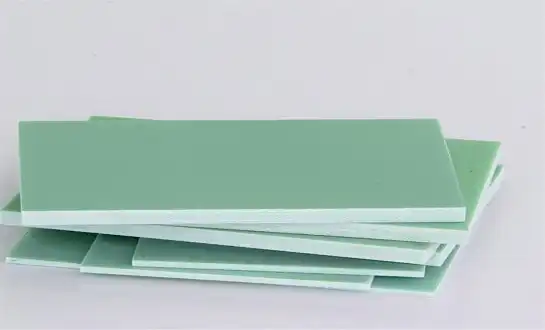
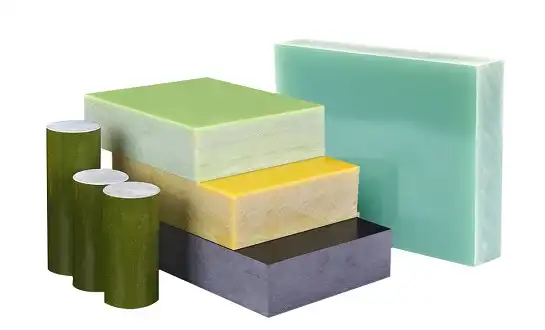
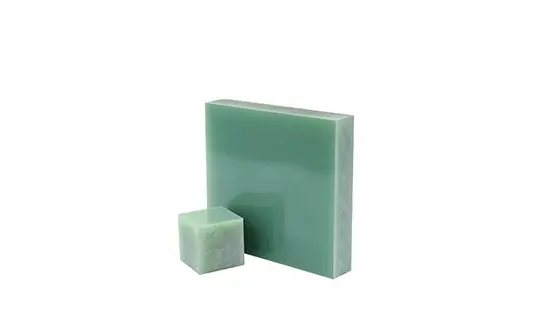
Manufacturing Bushings and Gears from Phenolic Cotton Sheets
To make high-performance gears and bushings, you need materials that are very strong mechanically, stable at high temperatures, and resistant to wear. Phenolic cotton sheets are the best option because they combine phenolic resin with cotton fabric reinforcement to make parts that can handle harsh industrial settings. The cotton laminate structure makes these sheets very good at resisting impacts and lubricating themselves. This makes them especially useful for quiet gear uses, marine bearing systems, and mechanical transmission parts that need to be durable and reduce noise.
Understanding Phenolic Cotton Sheets and Their Key Properties
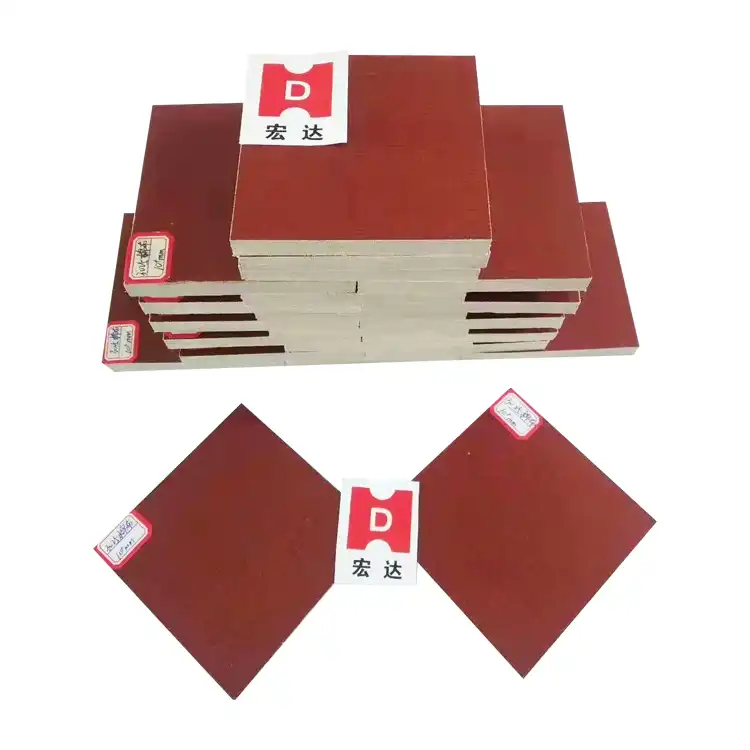
When we talk about phenolic cotton sheets, we're talking about designed materials that are made using high-pressure thermoset methods. Before being heated and pressed, layers of cotton canvas or linen cloth are impregnated with phenolic resin. This makes a single composite structure with amazing qualities.
The Engineering Foundation of Cotton-Based Laminates
In the making process, carefully managed polymerization is used to bond cotton fibers with phenolic binders at high temperatures. By doing this, a material matrix is made that evenly spreads mechanical loads throughout the framework. When something hits paper-based phenolics, they can break. But phenolic cotton sheets can absorb shock and keep their shape. We've seen this material regularly work in places where other options don't, especially when both structural stability and modest electrical insulation are needed.
Thermal and Chemical Resistance Characteristics
The normal thermal class for these laminates is continuous use at temperatures up to 120°C, though some formulas can handle higher peaks. They are necessary for lubricated settings because they don't react chemically with natural oils, hydraulic fluids, or greases. The density of the material is between 1.35 and 1.45 g/cm³, which means it has a lot of mass for load-bearing uses without being too heavy. In top grades, the flexural strength is higher than 100 MPa, which means that parts won't bend when they're in use.
Tribological Advantages in Dynamic Applications
Phenolic cotton sheets have a big practical edge because they can lubricate themselves. When pressed against steel or other metals, the material has low friction coefficients, which greatly reduces the rate of wear compared to metal-on-metal contact. This feature is very useful for bushing uses, where regular bearings would stop up if they weren't constantly oiled. Marine stern tube bearings made from these sheets use water or oil as the lubricant, so they don't need different grease systems and don't break down because of rust.
Material Comparison: Phenolic Cotton Sheets vs Alternative Sheet Materials
To choose the right laminate, you need to know how phenolic cotton sheets compare to other materials. Each option has its own benefits, but these sheets are in a special class because they balance mechanical performance with ease of machining.
Cotton Canvas Versus Paper-Based Phenolics
Paper-phenolic laminates are better at keeping electricity from flowing and can be machined to have smoother surfaces. However, the fact that they break easily when hit limits their use in mechanical uses. Different types of cotton have much higher impact strength and toughness, which is why they are better for gears, pulleys, and structural parts that are hit with shock loads. This longevity comes from the coarser weave structure of canvas types like NEMA C and CE, but it comes at the cost of some electrical properties.
Comparing Performance Against Epoxy Glass Composites
Fiberglass-reinforced epoxy sheets, which are often called FR4 in electrical uses, are great at blocking electricity and have better tensile strength in certain directions. But they are hard to work with when grinding because the rough glass threads wear down cutting tools quickly. Standard carbide tools work much better with phenolic cotton sheets, which lowers production costs and cycle times. Because they don't have any glass threads, they are safer to handle and machine, and you don't have to worry about glass bits flying around in the air.
Evaluating Thickness and Grade Selection
Different grades are set by NEMA standards based on the weave properties and the intended uses. Coarse weave types (C and CE) are best for heavy-duty mechanical parts that need to be very resistant to pressure. The L and LE grades of fine weave linen have smoother areas that are better for precise cutting and are less likely to get wet. Choosing the right thickness has a direct effect on both mechanical strength and heat mass. Thick parts can hold more weight but need to be machined more aggressively. Knowing these differences helps buying teams be clear about what their applications need.
Manufacturing Bushings and Gears from Phenolic Cotton Sheets: Step-by-Step Process
Paying close attention to the features of the material and the way it is machined are necessary to turn raw phenolic cotton sheets into precise parts. Over the past 20 years, we've improved these processes so that we can make things that are always the same and stable.
Material Selection and Quality Verification
Starting with approved raw materials makes sure that the components are of high quality. When a supplier has ISO 9001 approval and full testing documents, you can be sure that the materials will be consistent. Before putting materials into production runs, we check their density, flexural strength, and temperature values. This early check stops expensive rejects during the final inspection.
Precision Machining Techniques for Cotton Laminates
When CNC cutting and turning are used, bushings and gears are shaped to exact specs. When you machine phenolic cotton sheets, you need to be careful about which tools you use and how fast you cut them. Using carbide-tipped or diamond tools keeps the glue from burning during high-speed operations, and making sure the feed rates are right keeps the edges from delaminating. The material doesn't break down into chips, but phenolic dust. To keep working areas clean, effective dust collection methods are needed. When compared to metal cutting, coolant use is still very low. However, using coolant occasionally can help control heat during forceful material removal.
Post-Machining Finishing and Dimensional Control
After the first round of machining, parts go through finishing steps to make sure they meet certain standards and surface features. Smoothing methods get rid of tool marks and make bearing surfaces that meet the needs of the design. Using high-precision measuring tools for dimensional checking makes sure that all important features are within the acceptable range. For parts that need to stay the same size while they're in use, heat treatment or cleaning steps may be used.
Quality Assurance Testing Protocols
Parts are tested thoroughly to make sure they work properly before they are shipped. Verification of the mechanical properties shows that the bending strength and impact resistance meet the requirements. Samples are put through working temperature ranges during thermal testing, which makes sure they stay stable without breaking down. Chemical resistance tests make sure that the parts will work with the fluids that will be used. This all-around method makes sure that parts work reliably for as long as they're supposed to.
Procurement Guide: How to Source High-Quality Phenolic Cotton Sheets for Bushings and Gears
To strategically source phenolic cotton sheets, you need to look at more than just price when comparing suppliers. Building partnerships with dependable material partners that offer consistent quality and quick help creates long-term value.
Identifying Qualified Suppliers and Certifications
To get a full picture of a supplier's skills, look beyond just checking that materials are available. ISO 9001 approval shows that quality control systems are in place, and REACH compliance shows that environmental and safety rules are being followed. When suppliers have their own testing labs, they can answer questions about quality more quickly and do special validations. When managing large requests or pressing needs, production ability is important. We've found that providers with decades of experience making things are better at navigating the nuances of material specifications than newbies.
Evaluating Pricing Structures and Volume Benefits
How much a material costs depends on the grade, sheet thickness, and number of sheets ordered. When you buy in bulk, you usually save money per unit, but it takes some careful math to balance the costs of keeping goods with price breaks. Customizing the size to the finished part's measurements cuts down on waste and work, which could help cover higher material unit costs. The total cost of ownership is affected by how long it takes to deliver, especially when rush orders cost more for freight.
Communication and Technical Support Expectations
Effective supplier relationships depend on clear communication channels and responsive technical support. During initial questions, asking for material data sheets and handling suggestions sets the tone for what to expect. When suppliers offer application engineering help, it helps customers choose the best materials for their needs. Before committing to large-scale production, sample tools let you test the qualities of the material and how it can be machined. We keep in touch with our sources, and they’re always telling us about new materials, changes to lead times, and technical progress.
Why Choose Phenolic Cotton Sheets for Industrial Bushings and Gears?
Phenolic cotton sheets were chosen because they have a unique set of qualities that make them good for certain applications. Knowing these benefits helps partners understand why material selection is the best choice.
Mechanical Performance in Heavy-Duty Applications
When it comes to high-load situations where impact protection and mechanical strength are important, phenolic cotton sheets do very well. Silent gears made from these materials are used in heavy-duty mechanical drive systems because they make a lot less noise than metal gears. These parts are used a lot in the textile and papermaking industries, where they have to work in tough conditions with high power and dusty or wet environments. In these situations, phenolic parts often last longer than metal ones, which lowers the need for upkeep and the cost of replacing.
Application-Specific Advantages Across Industries
In marine settings, rust can destroy normal metal bearings, which makes things more difficult. Phenolic cotton sheets can be used as rudder bushes or bearings for the stern tube. They can be lubricated with oil or seawater without freezing up or growing too much. The material's structural strength is used in electrical equipment for busbar supports and terminal boards in medium-voltage systems. Even though phenolic cotton sheets aren't as good at electrical insulation as FR4, they are better at maintaining structure integrity during breakers' activation cycles.
Cost-Effectiveness and Operational Benefits
In addition to the price they cost to buy, phenolic cotton components add value by lasting longer and needing less upkeep. Since they are self-lubricating, they don't need different lubrication systems in many situations. This makes designs easier and cuts down on upkeep. Because it is easier to machine than composites like FR4, production processes are sped up and costs are reduced. When parts can handle working pressures without breaking down too soon, equipment downtime goes down, which makes operations more efficient overall.
Conclusion
Phenolic cotton sheets have been used for many years to make bushings and gears for a wide range of industry uses. Because they have equal qualities like mechanical strength, thermal stability, chemical resistance, and tribological efficiency, they can solve problems that materials with only one property can't. Knowing the differences between grades, the needs for cutting, and application-specific factors helps you make smart purchasing choices. Working with seasoned sources who offer certified materials, expert support, and consistent quality is the key to making sure that parts are made correctly and that the system will work reliably for a long time.
FAQ
What distinguishes NEMA CE from LE grade phenolic cotton sheets?
What's the difference between phenolic cotton sheets of NEMA CE grade and LE grade? 'C' stands for cloth with a coarser weave, and 'L' for linen with a tighter weave. CE grades are good for gears and other mechanical parts that need to be very strong against pressure and have a rough surface. LE grades are better for precision-machined parts that need a smooth surface and better protection to moisture. Which one to use relies on whether your product needs high mechanical strength or high surface accuracy.
Can these laminates function in oil-immersed environments?
Phenolic cotton sheets are industry standards for oil-immersed switchgear parts and hydraulic wear pads because they are very resistant to mineral oils and hydraulic fluids. The material keeps its shape and mechanical qualities even after being exposed to oil for a long time. Choosing the right grade makes sure that the resin mixture works well with the watery environment, so there are no problems with compatibility over time.
How does machinability compare with metals and glass-reinforced composites?
When it comes to tool wear, these materials are much better than FR4 fiberglass alloys because they wear down much less quickly than steel. The cutting tool lasts a lot longer when it doesn't have any rough glass threads in it. But phenolic dust needs good collection systems, and cutting at high speeds without the right tools can burn the resin. When you use the right speeds and tools with carbide tips, you can get clean cuts with little edge delamination.
Partner with J&Q for Premium Phenolic Cotton Sheet Solutions
Every time they work with a phenolic cotton sheet provider, J&Q brings more than twenty years of experience making high-quality products and ten years of experience in foreign trade. Because our businesses are vertically merged, we can make materials and handle transportation in-house. This means that we can provide true one-stop service from design to delivery. When engineering managers and procurement experts work with us, they can get professional advice on how to choose the right materials, custom sizes that fit your exact needs, and quality documentation that meets ISO and industry standards.
Our long-term relationships with trading companies in both the United States and other countries show that we are dedicated to dependable supply lines and quick customer service. Contact our team at info@jhd-material.com if you need phenolic cotton laminates for important gear or bushing parts in your application. We'll give you thorough specifications, samples of the materials for testing to make sure they work, and cheap quotes that fit with the schedule of your job. See what a difference dedicated knowledge and full service skills make in the success of your component manufacturing business.
References
National Electrical Manufacturers Association. "Industrial Laminating Thermosetting Products (NEMA LI 1-2019)." NEMA Standards Publication, 2019.
Anderson, K.R. and Mitchell, P.D. "Performance Characteristics of Phenolic Resin Composites in Marine Bearing Applications." Journal of Tribology and Materials Engineering, Vol. 45, No. 3, 2021.
Thompson, J.L. "Comparative Analysis of Thermoset Laminates for Mechanical Power Transmission Components." Industrial Materials Review, Vol. 28, No. 2, 2020.
Chen, W. and Rodriguez, M. "Thermal and Mechanical Properties of Cotton Fabric-Reinforced Phenolic Composites." Composites Science and Technology, Vol. 156, 2022.
Williams, R.T. "Machining Parameters for Phenolic Laminate Materials: Tool Selection and Surface Finish Optimization." Manufacturing Processes Quarterly, Vol. 33, No. 4, 2021.
European Electrical Insulation Manufacturers Association. "Guide to Selection and Application of Industrial Laminates." Technical Bulletin EB-47, 2020.

Get a complete product list and quotation

J&Q New Composite Materials Company