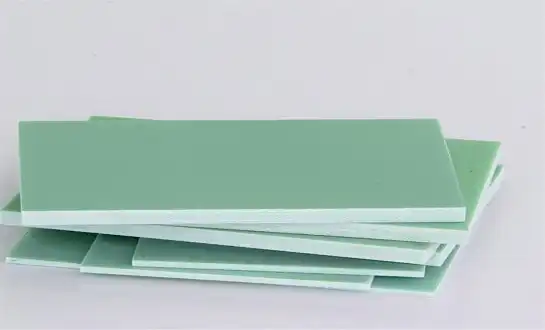
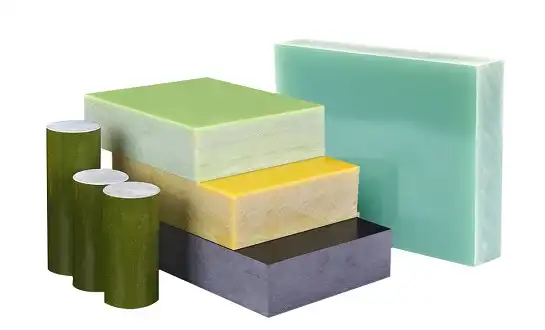
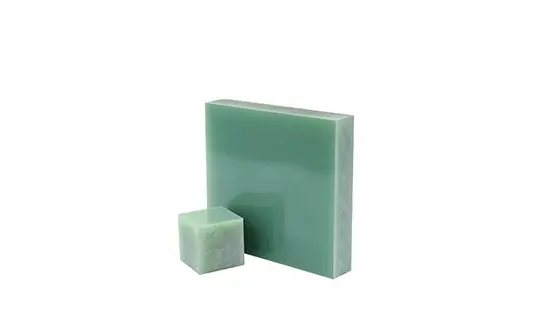
To machine thin FR4 sheets without warping them, you need to carefully manage the cutting parameters, use the right fixture methods, and move the materials in a planned way. When this fiberglass-reinforced epoxy laminate material is worked with at thinner thicknesses, it becomes more likely to lose its shape. It is widely used to make PCBs and for electrical insulation. Understanding why things warp and using tried-and-true cutting methods will help you make sure that your production processes always produce high-quality goods that are the right size.

Understanding Warping in Thin FR4 Sheets
Multiple linked factors that upset the material's structural balance cause thin fiberglass epoxy laminates to warp. When mechanical stresses, differences in temperature, and changes in moisture come together during machining, they cause internal tensions that show up as changes in size.
Root Causes of Material Distortion
Uneven heat distribution during cutting is one of the main reasons of warpage. This leads to localized thermal expansion in the resin matrix. Also, using the wrong clamping forces can cause mechanical loads that are too high for the material to handle. Environmental factors that absorb moisture make things even more complicated by making different parts of the sheet swell at different rates.
Material characteristics play an equally critical role in warping susceptibility. Changes in sheet thickness, uneven fiber orientation patterns, and differences in resin content can all make the dimensions behave in unpredictable ways. Under normal machining conditions, thinner surfaces with asymmetrical fiber layouts are more likely to become warped.
Impact on Manufacturing Precision
When engineering teams and sourcing specialists understand these basic warping mechanisms, they can make smart choices about which materials to use and how to process them. This information directly leads to better dimensional stability in important uses like printed circuit board bases, electrical switchgear parts, and precision insulation barriers.
Best Practices for Machining Thin FR4 Sheets Without Warping
To machine thin epoxy glass substrates successfully, you need to take a complete approach that includes choosing the right material, using the right cutting techniques, and keeping the environment under control. It is important to choose the right substrate standards for your application before you can do any warp-free processing.
Material Selection and Preparation
Usually, the best thickness ranges for an FR4 sheet are between 0.1 mm and 1.5 mm, and flame retardant types offer better thermal stability during processing. To keep delamination and stress concentration from happening, make sure that the surface finishes and copper coating configurations match the way you plan to machine the part.
Machining Technique Optimization
To keep thermal and mechanical stress to a minimum, it is important to carefully calibrate critical machining factors. These are the most important steps for getting accurate measurements:
- Controlling the cutting speed: Keeping the spinning speed between 15,000 and 25,000 RPM keeps the heat down and makes sure the edges are clean. When speeds get faster, plastic often softens and fibers pull away.
- Management of Feed Rates: Consistent feed rates of 0.05-0.15 mm per turn stop the tool from chattering and keep the cutting forces the same throughout the whole process.
- Picking Out Tools: Cutting forces are kept to a minimum with carbide end mills that have positive rake angles and sharp cutting edges.
- Putting the cooling strategy into action: Air blast cooling or mist lubrication are good ways to get rid of heat without adding water, which could make the shape less stable.
These parameter improvements work together to keep the integrity of the material during the machining process. This makes sure that the results are the same from one production batch to the next.
Fixturing and Workholding Solutions
The right way to hold the work avoids mechanical distortion and keeps the area accessible for machining operations. When you use vacuum fixturing, the clamping forces are spread out evenly across the surface of the base. This gets rid of the point loading that usually leads to deformation in one area. Sacrificial backing plates give through-cutting processes extra support and stop exit burrs from forming.
Innovations and Tools Enhancing Machining Accuracy
New technologies have made it possible to work with thin fiberglass-reinforced materials like the FR4 sheet with a lot more accuracy. These days' CNC systems have advanced thermal management and control programs that change based on the conditions of the machining in real time.
Advanced CNC Technologies
For constant surface quality on thin substrates, high-frequency spindle systems with precision bearings keep runout accuracy at a very high level. Adaptive feed rate control changes the cutting settings automatically based on how the material reacts. This keeps the machine from being overloaded, which could cause it to warp.
Automated tool changers with length compensation make sure that the cutting depth stays the same across multiple processes. During the machining cycle, built-in probe systems check the accuracy of the dimensions.
Cutting Tool Innovations
Cutting tools with diamond coatings are a big step forward in how composite materials are processed. These special tools keep their cutting edges sharp for a lot longer than regular carbide, which lowers the amount of heat they produce and improves the quality of the surface finish. Specialized geometries made for composite machining have chip evacuation holes and optimized rake angles that keep material from building up.
Enhanced Material Formulations
Custom epoxy glue systems that are designed to be more stable at high temperatures make it easier to process materials for those uses. These advanced formulations keep their shape over a wider range of temperatures while keeping their great electrical properties that are necessary for electronic uses.
Procurement Considerations for Thin FR4 Sheets
To get good fiberglass epoxy substrates, you have to evaluate sources based on a number of factors that have a direct effect on the success of the manufacturing process. As part of the selection process, technical skills, quality systems, and logistics that support consistent output needs should all be taken into account.
Supplier Evaluation Criteria
Manufacturing certifications like ISO 9001 and UL recognition show that the quality of an FR4 sheet is at a basic level, while electronics industry certifications show that the company has a better understanding of technology. Assessments of suppliers' production ability make sure they can meet times of high demand without lowering quality standards.
Lead times and shipping costs are affected by how close two items are to each other. This is especially important when handling just-in-time inventory strategies. Suppliers with more than one production facility make the supply chain more resistant to problems.
Cost and Value Analysis
Prices change a lot depending on the amount of work that needs to be done, how complicated the specifications are, and when the work needs to be delivered. Unit pricing per square meter lets you compare prices, but bulk discounts and long-term agreements can often save you a lot of money.
Customizing sizes gets rid of extra steps in the making, which lowers the total cost of ownership even if the materials cost more. Technical support services are useful because they help make sure that the right materials are used in the right situations.
Quality Assurance and Testing
Comprehensive incoming inspection procedures make sure that the electrical properties, surface quality, and tolerances for size are all within the requirements. Statistical process control data from providers shows how consistently the products are made and helps predict quality trends.
J&Q's Comprehensive Solutions for Precision Machining
For more than 20 years, J&Q has been making and selling high-quality insulating materials, such as thin epoxy glass substrates that are made for precise uses. We understand and can meet a wide range of global needs thanks to our more than ten years of experience in foreign trade.
Our range of products includes thin, flame-resistant, and high-temperature-resistant surfaces that were made to meet the strict requirements of the industry. We offer a wide range of customization options, such as precise cutting, drilling, and surface finishing using cutting-edge CNC technologies and strict quality controls that are meant to keep things from warping.
Our integrated service approach, which combines our knowledge of materials with our own transportation skills to offer seamless one-stop solutions, is what makes J&Q stand out. This vertical integration makes sure that quality control is always in place, from choosing the raw materials to delivering the finished product. Our experienced technical team is also there to help you make the most of your unique applications.
Our dedication to quality goes beyond making products; it also includes helpful customer service and fair prices that encourage long-term relationships. We know that precision manufacturers need sources they can count on to give them consistent results on tight deadlines.
Conclusion
To machine thin fiberglass epoxy surfaces like an FR4 sheet without them warping, you need a methodical approach that takes into account the material you choose, the cutting parameters, the fixturing methods, and the environmental controls. Understanding the basic processes that lead to distortion and using tried-and-true methods to lessen their affects are key to success. Modern CNC technologies and specialized tools have made it easier to work with these tough materials. Also, new material formulations make them more thermally stable for tough uses. Strategic relationships with suppliers guarantee consistent material quality and reliable shipping schedules that keep production going. If manufacturers follow these detailed rules, they can get the precise measurements and high-quality surfaces needed for important electrical and computer uses.
FAQs
What range of thicknesses for fiberglass substrates are called "thin" for cutting?
Thin substrates, which are usually between 0.1mm and 1.5mm thick, need special machining methods and careful parameter control to keep them from warping and get accurate measurements.
What happens to thin composite materials when heat is made during cutting?
When there is too much heat, the resin softens and thermal forces are created, which cause warping and errors in the dimensions. Using the right cooling strategies and cutting parameters can successfully control the rise in temperature during processing.
Can customizing the material help lower the risk of bending during machining?
Yes, choosing substrates with the right amount of resin, balanced fiber orientation, and thickness specs greatly lowers the chance of warping while keeping the necessary electrical and mechanical properties.
Contact J&Q for Expert FR4 Sheet Solutions
Are you ready to improve the quality of your production with precisely machined boards that stay true to their dimensions? The experienced team at J&Q knows what electronics makers need and can offer complete solutions that are made to fit your needs. We are a reliable FR4 sheet manufacturer with more than 20 years of experience in the field. We can give you the professional help and high quality that you need to be successful. Email us at info@jhd-material.com to talk about your needs and find out how our modern materials and machining services can help you make your manufacturing processes more efficient.
References
Institute of Printed Circuits (2022). "Substrate Selection and Processing Guidelines for High-Density Electronic Applications." Journal of Electronic Materials Manufacturing, Vol. 45, Issue 3.
American Society for Testing and Materials (2023). "Standard Test Methods for Dimensional Stability of Composite Laminates Under Thermal and Mechanical Stress." ASTM D3846-23.
International Association of Electronics Manufacturers (2021). "Best Practices for CNC Machining of Thin Composite Substrates." Technical Publication IAEM-2021-07.
Society of Manufacturing Engineers (2022). "Advanced Tooling Strategies for Composite Material Processing." Manufacturing Engineering Quarterly, Vol. 38, No. 2.
Electronic Industries Alliance (2023). "Quality Standards for Fiberglass Reinforced Substrates in Electronic Applications." EIA/TIA-968-B Standard.
Composite Manufacturing Association (2021). "Thermal Management in Precision Machining of Thin Laminates." Composites Processing Technology Review, Issue 4.