Machining Bakelite Sheet: How to Prevent Chipping During High-Speed Milling
To keep Bakelite sheets from breaking while they are being milled at high speeds, you need to choose the right tools, optimize the parameters, and understand the material well. This thermosetting phenolic material is made from phenol formaldehyde resin. It is naturally brittle, so it needs to be machined carefully. When used correctly, phenolic laminates provide excellent electrical insulation and mechanical safety in a wide range of industries, including automobile, electrical, and industrial. When engineers learn these methods, they can keep production running smoothly while getting clean edges, accurate measurements, and longer tool life.
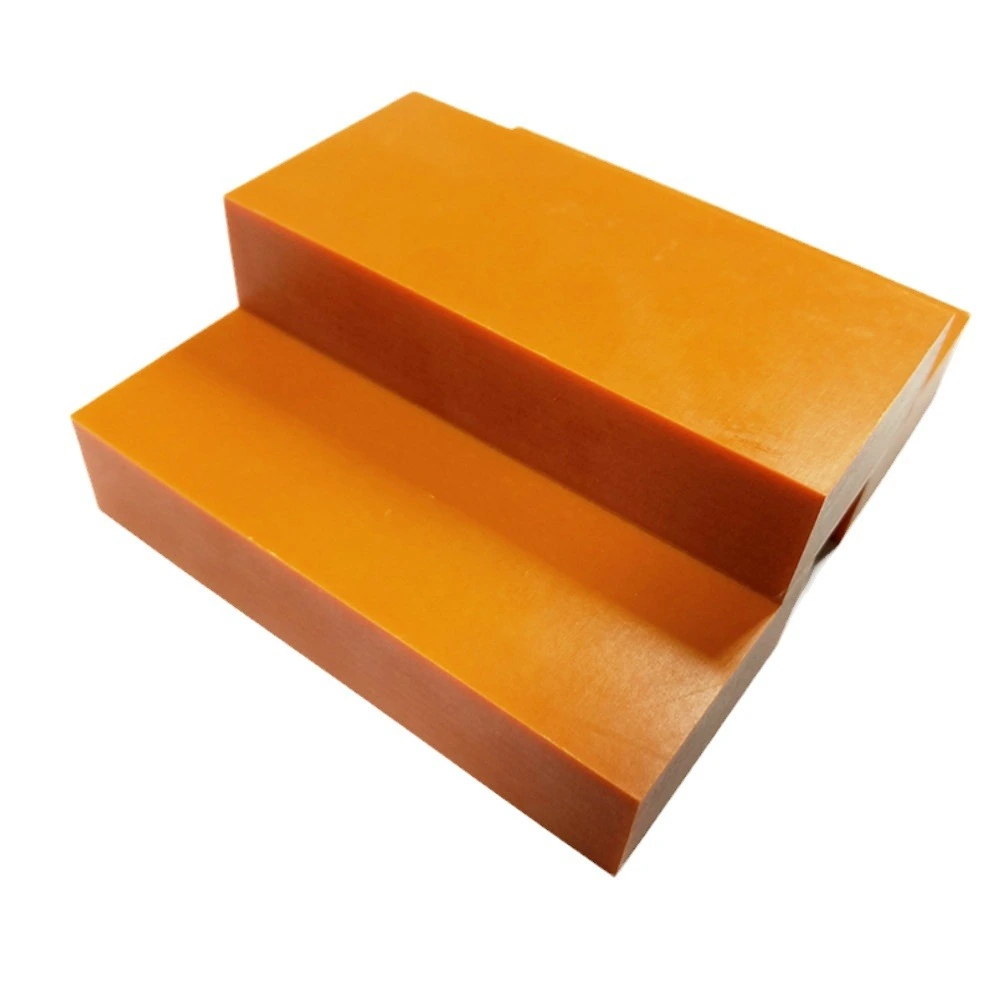
Understanding the Challenges of Machining Bakelite Sheets
The Unique Material Properties That Affect Machinability
When compared to regular industrial plastics, phenolic composites have unique properties. Because the material is thermosetting, it can't be melted again once it's hardened. This makes the molecules stiff, which means it doesn't bend easily but is more likely to break. Different types, including those strengthened with paper, cloth, or glass, react differently to cutting forces. While paper-based grades are easier to work with, they are not as strong. Fabric and glass grades have better mechanical qualities, but they are more likely to chip and wear down tools. Understanding the difficulties of machining Bakelite sheets is essential for high-quality production.
Common Defects Encountered During High-Speed Operations
During CNC processes, chipping can look like a number of different things. Edge breakout happens when exit cuts don't have enough support, showing cracks around the edges of the component. When cutting forces are higher than the interlayer bond strength, especially in layered structures, surface delamination happens. Micro-cracking looks like tiny cracks spreading out from drill holes or polished edges. It weakens both the structure and the electrical protection.
Too much heat production during cutting speeds up the breakdown of materials. While thermoplastics soften in a predictable way, phenolic resins turn into carbon when they get too hot, which makes dark spots with different insulating properties. It's especially bad for electrical insulation uses that need the same level of performance across the whole component when this heat damage happens.
Root Causes of Chipping in Phenolic Materials
The shape of the tool is very important for keeping chips from happening. When cutting edges are dull, they don't cut through material neatly; instead, they create compressive forces that pull fibers apart and cause breakup. When rake angles aren't right, they cause too much friction and heat, and when clearance angles aren't right, they cause rubbing that speeds up tool wear and material damage.
Miscalculating the feed rate is another common problem when machining Bakelite sheets. When things move too quickly, they overload the cutting edges, which leads to catastrophic breakdowns. On the other hand, feeds that are too slow increase living time, which raises temperatures and speeds up the breakdown of resin. Spindle speed also needs to be carefully calibrated—not enough RPM leads to breaking instead of cutting, and too much speed makes heat faster than cooling systems can get rid of it.
Problems with the way the work is held can cause it to vibrate and bend while it is being cut. Phenolic materials don't have the ability to dampen vibrations like softer plastics do, so they send vibrations straight to cutting zones. When holding pressure isn't high enough, the block can move, which leads to uneven cutting depths and surface quality.
Systematic Approach to Prevent Chipping During High-Speed Milling
Selecting Appropriate Cutting Tools for Phenolic Composites
The usual way to machine phenolic laminates is with carbide tools. When compared to high-speed steel options, tungsten carbide types made for rough materials have much longer tool life. Because carbide is hard and doesn't wear down easily, it keeps cutting edges sharp over long production runs, making clean cuts every time without breaking.
When it comes to tough jobs, diamond-coated tools are the best option. The diamond layer makes the cutting surface very hard and low-friction, so it doesn't get worn down by glass and fabric supports. Even though it costs more up front than normal carbide, the longer tool life and better surface finish make it worth it in high-volume production settings.
The shape of a tool has a direct effect on how well it cuts. Rake angles that are neutral to positive and range from 5 to 10 degrees make it easier for chips to move away while keeping cutting forces to a minimum. Sharp edges with polished radii of 0.001 to 0.003 inches cut through material fibers neatly and without crushing them. 10 to 15-degree relief angles keep things from touching and keep the heat from building up while cutting.
Optimizing Milling Parameters for Clean Cuts
The best spindle speed relies on the size of the tool and the type of material being used. For paper-reinforced grades, cutting speeds between 400 and 800 area feet per minute usually work best. For glass-reinforced grades, cutting speeds at the lower end of this range usually work better. The goal is to keep the speed high enough for clean cutting without making too much contact heat.
Feed rates need to be carefully set up based on the shape of the tool and the thickness of the material. When feeds are moderate, between 0.003 and 0.008 inches per tooth, output and surface quality are equal. Heavy feeds can damage the cutting edges, while light feeds concentrate the heat. The depth of the cut also has an effect on the results. Passes that are less than 0.060 inches deep lower the cutting forces and breaking risk, but they also make cycle times longer.
When it comes to phenolic compounds, climb milling is clearly better than regular milling. As the material is cut, it is pulled down against the worktable. This provides natural support that keeps the edges from coming apart. Chip thickness starts out at its thickest and gets thinner as it is cut, which keeps heat from building up. In conventional milling, on the other hand, the chips start out with no thickness at all. This creates grinding and heat buildup before the material removal starts.
Creating an Optimal Machining Environment
It turns out that active dust clearance is important for both quality and safety. Phenolic dust is dangerous to breathe in and builds up on cutting surfaces, making it harder for chips to escape and raising the friction. High-volume extraction systems get rid of particles before they affect the quality of the cutting, which keeps things clear and cuts down on the time needed to clean up.
For phenolic solids, compressed air cooling is better than liquid coolants. When air is blasted at the cutting zone, it gets rid of heat and chips without adding moisture, which can change the stability of the shape. Liquid coolants can react with phenolic resins or cause paper-reinforced grades to grow, which can lead to differences in the sizes of the materials.
Workholding design must make sure that pressing forces are spread out evenly and don't cause stress to build up in any one area. Vacuum tables are great for supporting sheet stock because they get rid of point loads that could break the material. When mechanical binding is needed, soft jaw plugs keep positive retention while preventing localized stress. Deflection and shaking can be avoided by placing enough support right under the cutting zones.
Advanced Techniques and Tooling for Improved Machining Quality
Specialized Tool Geometries for Reduced Chipping
When you cut with up-shear and down-shear spiral cutter bits, vertical forces push material against support surfaces. Design with an up-shear pulls chips up and away from the cut. This works great for through-cuts where the quality of the bottom surface is very important. Down-shear shapes push the material down, which stops the top surface from breaking off on sides that are meant to look nice or be seen.
Compression spiral bits are a separate tool that has both shapes. The lower part has flutes that shear up, and the top part has flutes that shear down. This keeps both sides from chipping at the same time. This type of tool works especially well for layered materials where both sides need to have smooth edges.
Tool makers now make special phenolic cutting shapes with the best helix angles and flute numbers. These specially made tools have features that deal with the brittleness and abrasiveness of strengthened phenolics. This means that they last longer and have better edge quality than general-purpose cuts.
Real-World Applications Demonstrating Success
By optimizing parameters, companies that make automotive battery packs have made big changes to the quality of their products. When one tier-one provider switched from regular milling to climb milling with diamond-coated tools, edge chipping flaws went down by 73%. The change in output took very little capital, but it improved quality right away and cut down on the cost of rework.
Electrical equipment manufacturers have to meet strict dimensions and surface finish standards. A big manufacturer put in place systematic repair plans for their tools and slowed down the feed rates. This increased the average tool life from 850 parts to 2,400 parts and improved the consistency of the dimensions at the same time. Even though improved feeds make cycle times a little longer, the increased output from fewer tool changes makes up for it.
Advanced workholding options are helpful for people who build industrial tools. Vibration-related chipping problems that happened with mechanical clamping methods were solved by making custom vacuum fixtures for particular part shapes. The better quality of the parts cut down on assembly rejects and built stronger ties with customers by always delivering high-quality parts.
Comparing Bakelite to Other Materials in High-Speed Milling Context
Machinability Characteristics Across Phenolic Variants
Because they are less rough and require less cutting force, paper-reinforced phenolic materials are easier to make than cloth or glass versions. The surface finish potential goes up, but the mechanical strength limits mean that it can only be used in low-stress settings. These types are good for electrical insulation parts where accuracy in measurements is more important than strength. Comparing Bakelite to other materials shows that grade selection is vital for success.
Fabric-reinforced phenolics work well mechanically and are easy to machine. Reinforcements made of cotton and linen are very strong for their weight, and they also last a good amount of time. These materials work well in industrial uses that need to be resistant to wear and maintain their shape under load. However, they need to be carefully chosen in order to have surfaces that are as smooth as glass.
The strongest and most thermally stable types of Bakelite sheets are those that are strengthened with glass. However, they are also the hardest to machine. The rough glass threads make tool wear go much faster, so carbide or diamond tools are needed for cost-effective production. Although they don't have as good of a surface finish as paper grades, their better performance makes them worth using in challenging thermal and structural uses.
Environmental Considerations in Material Selection
Compared to many current plastics, phenolic resins are better for the earth. Since there are no halogenated flame retardants, there are no harmful results of burning, and the thermosetting property makes it safe to burn for energy recovery. When compared to solvent-heavy polymer systems, manufacturing processes release few toxic chemical compounds into the air.
As pickup equipment improves, more recycling options open up. Ground phenolic materials are used as fillers in new composite formulas, which cuts down on the need for new materials. Because the material is stable and resistant to chemicals, there are no worries about leaking when it is thrown away, which supports responsible end-of-life management.
Manufacturers that care about the environment are choosing phenolic products more and more to meet their environmental goals. Long service life, stable dimensions, and steady performance mean that replacements aren't needed as often. This means that they have less of an impact on the environment over their lifetime than options that need to be replaced more often.
Procurement Guide: Ensuring Quality Bakelite Sheets for Machining
Critical Specifications for Machining Applications
Choosing the right material grade has a big effect on how well the part works and how well it is machined. For general uses, Grade X phenolic has good mechanical strength at a low cost, while Grade XX is better for insulation parts because it has better electrical qualities. For damp places, Grade XXX offers the best protection to moisture, and Grade C offers the highest mechanical strength for structure uses. By matching grade specs to application needs, both over-specification waste and fails due to poor performance can be avoided.
The quality of the end part and how well it is machined are both directly affected by thickness tolerances. For normal grades, premium providers keep thickness differences within ±0.005 inches. This makes it possible to calculate the depth of cut consistently and predict how long a tool will last. When Bakelite sheets are all the same size, setup time and scrap rates go down. This is especially true in high-volume production settings where quick changes are needed.
The quality of the surface finish on the raw material affects how the finished part looks and what processing needs to be done afterward. Rough-cut surfaces may hide internal gaps or delamination that become obvious only during machining, while sanded surfaces speed up the initial machining process by getting rid of the need to remove a lot of stock. Setting visual inspection standards with sellers is a good way to make sure that the quality of the materials going in is always the same.
Evaluating Supplier Capabilities and Certifications
Certifications for quality management systems show that a company is committed to controlling processes and making improvements all the time. Maintaining ISO 9001 certification requires suppliers to follow a structured approach to quality control, have their processes written down, and be subject to regular audits. These methods cut down on variation and make sure that the properties of materials are the same across output lots.
Professional suppliers and product sellers are different because professional suppliers can test materials. Before shipping, specifications are checked in-house for dielectric strength, bending qualities, and moisture absorption to make sure they are met. Test records that come with deliveries of materials make it possible to track them and meet the quality paperwork needs of regulated businesses.
The connection between a supplier and a customer is improved by the availability of technical help. Expert technical reps help choose materials, fix problems with cutting, and suggest ways to make the process better based on their many years of experience with similar situations. This method of working together speeds up the solving of problems and improves the quality of the products made.
During our 20 years in the business, we've formed partnerships with top insulation material providers in North America, Europe, and Asia. Through volume discounts, this large network gives you access to high-quality phenolic products that meet strict performance standards at prices that are hard to beat. Our knowledge of procurement helps customers find the best answers for their needs by guiding them through the complicated world of grades, standards, and supplier capabilities.
Logistics Considerations for Efficient Material Flow
Planning ahead for lead times keeps production from stopping because of a lack of materials. Standard grades usually ship in one to two weeks, but it could take four to six weeks to make custom sizes or special formulas. Setting the right amounts of safety stock based on how fast things are being used up and how long it takes suppliers to get them, keeps production flowing smoothly.
Good packaging keeps things in good shape while they are being shipped and stored. Moisture-resistant wrapping keeps hygroscopic grades from changing sizes, and rigid palletizing keeps edges from getting damaged or warped. Handling materials correctly throughout the supply chain protects the quality features that make cutting possible.
Inventory management plans weigh the costs of keeping things in stock against how efficiently they can be bought. Just-in-time supply cuts down on the need for warehouse room and capital that is stuck in raw materials, but it also makes suppliers more important. Keeping buffer stocks on hand protects you against supply problems, but they cost more to store. How much you are willing to risk, how much you produce, and how much space you have for keeping all affect the best approach.
Conclusion
To keep Bakelite sheets phenolic laminates from breaking during high-speed grinding, you need to know about the material, choose the right tool, optimize the parameters, and keep an eye on the process. Because thermosetting phenolic resins are naturally fragile, they need carbide or diamond tools with the right shapes, spindle speeds and feed rates that are carefully regulated, and strong workholding that keeps vibrations to a minimum. Results are even better when you use climb grinding, active dust filtration, and compressed air cooling. How well you can machine these materials directly affects the quality of the parts you make, how quickly you can make them, and how happy your customers are in industrial, automobile, and electrical settings. Continuous process improvement through planned experiments and recording creates institutional knowledge that gives companies in precision manufacturing settings a competitive edge.
FAQ
How can I identify if material is genuine phenolic laminate before machining?
Real phenolic has a dark brown to black color and a stacked structure that can be seen from the ends of a cut piece. Because it is made of phenolic resin, the material has a strong, unpleasant smell when it is cut or sliced. Electrical resistance testing proves that the material is an insulator, and a simple burn test shows that it chars instead of melting, making it different from thermoplastic options.
What temperature range can phenolic materials withstand during milling?
Up to 120°C constant working temperature, standard phenolic grades keep their structural integrity and electrical properties. During grinding, temperatures in some areas of the cutting zone may quickly go above this limit. This makes it very important to cool the area effectively. When temperatures get too high, resin carbonization happens, which can be seen as dark spots and lowers the insulation's effectiveness. Monitoring the temperature and using the right amount of cooling stop heat damage.
How often should cutting tools be replaced when machining glass-reinforced phenolics?
When to change a tool depends on the type of reinforcing and the amount of work being done. When using carbide tools, glass-reinforced materials usually need new tools every 500 to 1,500 parts. Diamond-coated tools, on the other hand, may last up to 3,000 to 5,000 parts before they need to be replaced. Checking the tool visually for edge wear, rising cutting forces, and worsening surface finish quality can tell you when it needs to be replaced before it fails completely.
Partner with J&Q for Premium Bakelite Sheet Solutions
You can trust J&Q as a Bakelite sheet maker because they have been in business for over twenty years and have been trading internationally for ten years. We offer a wide range of materials, such as paper, cloth, and glass-reinforced phenolic types that are perfect for high-speed machining. We know exactly what electrical makers, builders of industrial machinery, and car providers need. They need materials with consistent properties, tight thickness tolerances, and reliable delivery schedules.
Our expert team works with customers to help them find the best grades for their needs, solve problems with cutting, and support process development projects. With our combined transportation, we offer a one-stop service from choosing the materials to delivering them, making sure that the whole supply chain works together smoothly. Email our team at info@jhd-material.com to talk about your phenolic laminate needs, get samples of the material, or get full quotes. We want to help you be successful in making by giving you high-quality products and great service.
References
Baekeland, L. H. "The Synthesis, Constitution, and Uses of Bakelite." Industrial & Engineering Chemistry, Vol. 1, No. 3, 1909, pp. 149-161.
Richardson, M. O. W. "Polymer Engineering Composites: Processing, Properties, and Applications." Applied Science Publishers, 1977, pp. 234-267.
Society of Plastics Engineers. "Machining of Plastics: A Guide to Materials, Methods, and Performance." Technical Volume Series, 2001, pp. 178-195.
Harper, C. A. "Handbook of Plastics, Elastomers, and Composites, Fourth Edition." McGraw-Hill Professional, 2002, pp. 512-548.
Kobayashi, A. "Machining of Plastics and Composites: Optimization Techniques and Tool Design." Manufacturing Technology Press, 2015, pp. 89-124.
American Society for Testing and Materials. "ASTM D709: Standard Specification for Laminated Thermosetting Materials." ASTM International Standards, 2020, pp. 1-12.

Get a complete product list and quotation

J&Q New Composite Materials Company



