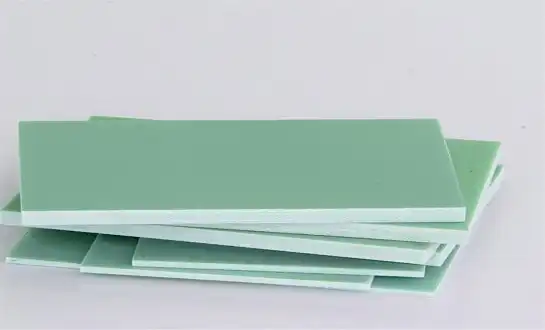
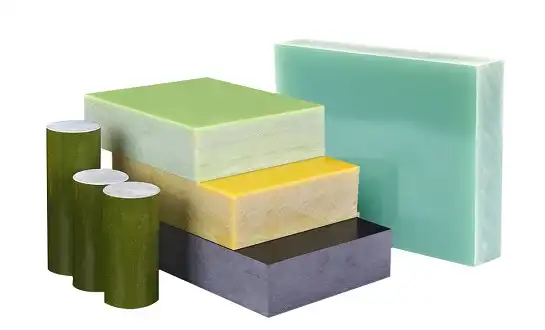
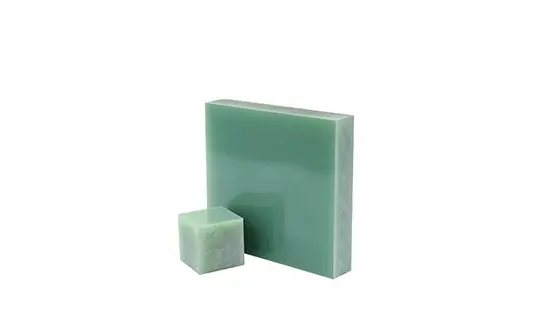
How Automated CNC Systems Improve G10 Sheet Production Efficiency?
Automatic CNC systems change the way G10 sheets are made by combining precise controls, robotic handling, and real-time tracking software that cuts cycle times by a large amount and improves the accuracy of the dimensions. This technology solves the special problems that come up when working with glass-epoxy composites. Previously, tool wear, the risk of delamination, and wasteful material use made it hard to get work done. Manufacturers can keep quality high while dropping costs by reducing the amount of work that needs to be done by hand and making sure that the cutting settings are perfect for the rough nature of fiberglass-reinforced laminates. As a result, the work process is more efficient and meets the strict standards needed for electrical insulation, relay parts, and high-voltage uses in many different fields.
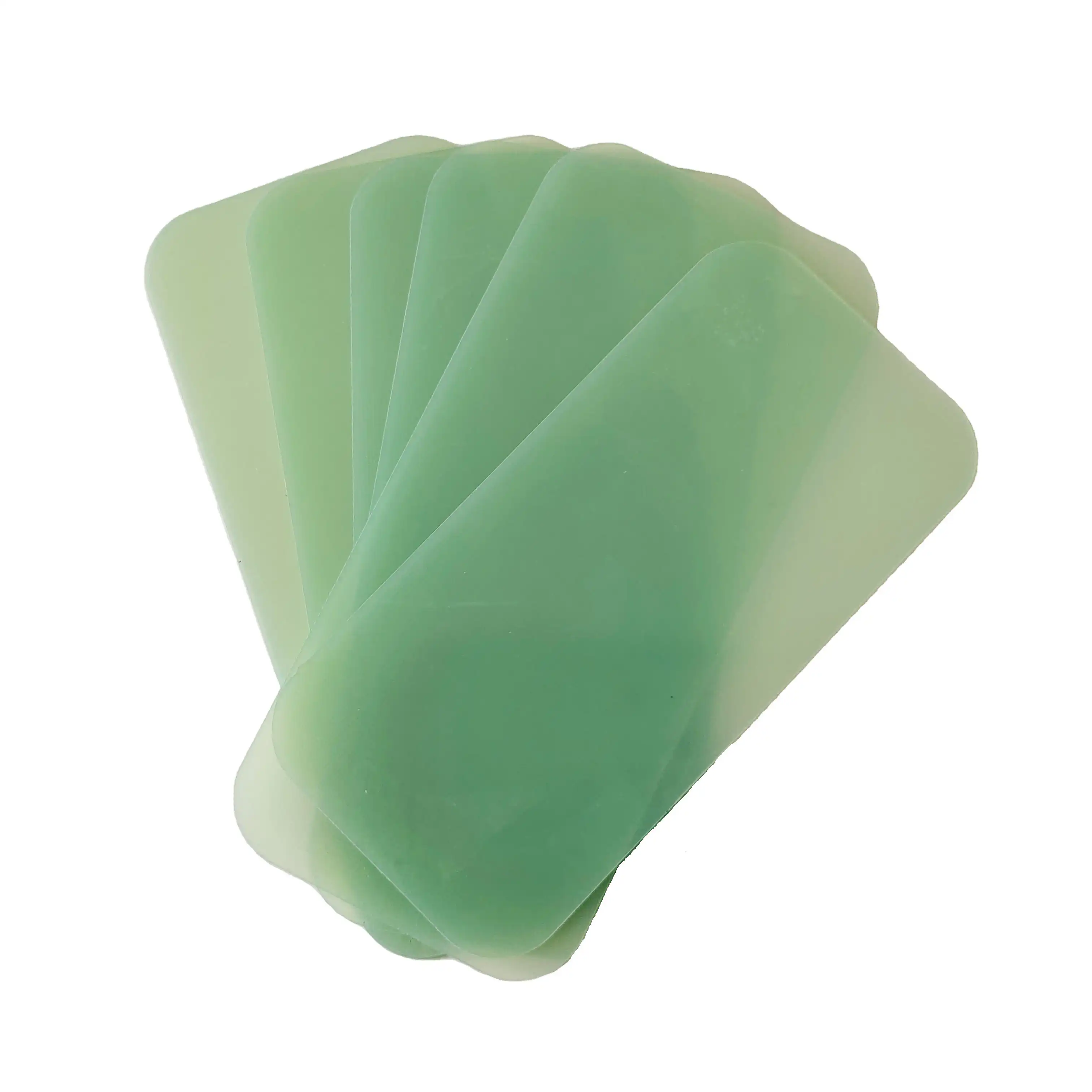
Understanding Production Challenges in G10 Sheet Manufacturing
There are specific problems that come up when making high-pressure glass-epoxy laminates that affect both the quality of the finished product and how efficiently the business runs. Because these materials are made of a hybrid structure of continuous glass cloth bound with thermosetting epoxy resin, they need very precise machining that is hard to do by hand.
Inconsistencies from Manual Machining Operations
When working with fiberglass-reinforced materials, traditional ways of cutting often give mixed results. It's hard for operators to keep cutting speeds and feed rates the same across production runs. This causes differences in sizes that don't meet NEMA LD 3 or ASTM D709 standards. The rough glass strands quickly dull cutting tools, which lowers the quality of the surface and raises the rate of rejection. In our 20 years of experience making things, we've seen that manual processes can lead to scrap rates higher than 15% because of delamination at entry and exit places, uneven surface roughness, and fails in thickness tolerance.
Operational Bottlenecks and Downtime Issues
When using traditional machining methods, work stops during maintenance rounds for equipment. Because carbide bits wear down quickly against the hard glass matrix, tools need to be changed often. This leads to unpredictable downtime that messes up shipping plans. This is a big problem for customers in the power distribution and car industries who need consistent batches. It's hard for makers to grow their operations efficiently because the links between design specs, production execution, and quality verification aren't all connected in a unified way.
Material Waste and Cost Implications
Because glass-epoxy alloys are so complicated, using the wrong cutting settings results in a lot of wasted material. Resin charring happens when the spindle speed is wrong or when dust isn't removed well enough, and fiber pullout and edge chipping happen when the feed rate is too fast. Because of these flaws, expensive laminate stock can't be used, which has a direct effect on profits. Setting up things by hand also wastes time because workers have to change fixtures and tools for each new standard, which makes the equipment less useful overall.
How Automated CNC Systems Transform G10 Sheet Production?
Through smart hardware and software systems that work together, modern automation technology has completely changed how glass-reinforced epoxy laminates can be machined. These methods deal with the problems that come with working with rough composite materials and make speed, consistency, and output better in a way that can be measured.
Precision Controllers and Robotic Handling Integration
Robotic systems use servo-driven motion controls to keep the cutting head in the exact same place throughout the process, getting repeatability of less than a micron. Robotic filling arms move raw laminate sheets without touching them, so there is no chance of pollution or mistakes in placement. Coordinated movement between moving materials and cutting makes a constant flow of work that greatly cuts down on time spent not doing anything. Advanced toolpath algorithms take into account differences in the material by changing parameters on the fly to stop delamination and keep the surface finishes that were set.
Real-Time Monitoring and Feedback Mechanisms
During every action, embedded sensors keep an eye on important factors like cutting temperature, spindle power, and vibration frequency. This information is sent to control systems, which quickly change speeds when they find problems that could mean that tools are wearing out or that the material isn't consistent. Thermal imaging cameras keep an eye on the heat that is being made at the cutting contact. This stops the degradation of the resin that weakens the dielectric strength. The closed-loop feedback makes sure that all of the parts meet the electrical insulation standards needed for switchgear and transformer uses, so there are no delays caused by having to check each one by hand.
Optimized Workflow for Composite Material Properties
The automation routines are designed to work with the special properties of glass-epoxy laminates. Diamond-coated tools move along planned tracks that keep fiber stress to a minimum while achieving smooth, fray-free edges. Integrated dust collection systems catch dangerous particles where they start, which keeps workers safe and extends the life of machine parts. From loading raw sheets to precision cutting to checking dimensions, the workflow moves without any human handoffs. This lowers the risk of contamination and keeps track of the quality paperwork needed for B2B procurement processes for G10 sheets.
Key Benefits of Automating G10 Sheet CNC Machining
Adding technology to the process of making glass-reinforced epoxy laminates has measurable benefits that directly address the problems that companies that make electrical equipment, machines, and industrial parts are having.
Enhanced Production Speed and Throughput
Automated systems can work nonstop without losing performance due to wear and tear, allowing production cycles that run 24 hours a day, seven days a week, making the best use of capital equipment. Robotic material handling gets rid of setup delays between batches, which cuts cycle times by 40 to 60% compared to human processes. Being able to do lights-out manufacturing during off-peak hours gives us the freedom to meet pressing orders from car and appliance makers who need specifically made insulation components quickly. Batch processing lets multiple parts be machined at the same time from a single sheet, which makes the best use of materials and boosts daily output numbers.
Superior Precision and Quality Control
When CNC procedures include automated inspection systems, they check the accuracy of the dimensions right after cutting, finding any problems before the parts go through the next steps of assembly. Statistical process control systems look at measurement data in real time and send out alerts when patterns point to possible tool wear or parameter shift. This proactive method lowers the number of defects to less than 2%, which makes sure that electrical insulator parts keep the dielectric strength and surface resistance requirements that are important for high-voltage uses. PCB support structures and motor component makers have very strict standards for thickness tolerances that must be kept within ±0.005 inches for each G10 sheet.
Cost Reduction Through Resource Optimization
When automatic nesting software sets up cutting patterns to make the best use of sheets, there is a lot less material waste. Often, 85–90% yield rates are reached, compared to 70–75% with human planning. Labor costs go down because fewer operators are needed to keep an eye on more tools at once. This frees up skilled workers to do more valuable work, like analyzing quality and making processes better. Predictive maintenance plans based on real machine usage data keep machines from breaking down when they're least expected. This cuts down on the cost of repairs and the time lost making things. For businesses with medium to high volumes, these saves usually pay for themselves in 18 to 24 months.
Optimization Strategies Using Automated CNC Systems for G10 Sheets
For automated machining systems to work at their best, strategic methods are needed that take into account both technology factors and how work is done in the company. When manufacturers use these optimization techniques, they gain long-term benefits in quality and speed over their competitors.
Production Bottleneck Identification and Resolution
By looking at each step of the process in a planned way, you can see where delays build up and yield loss happens. When you look at time studies of material handling changes, you can often find ways to cut down on non-cutting time by moving loading stations or adding extra storage for raw sheets. Collecting throughput data shows if there are problems in the cutting process, the inspection process, or the packing of produced goods. We've helped many clients get rid of problems by spreading work across several CNC stations and making sure that cutting plans match up with manufacturing needs further down the line. When you look at the whole flow of production in this way, you can make targeted changes that lead to proportional capacity gains for G10 sheets.
CNC Parameter Tuning for Glass-Epoxy Composites
To get the best results from fiberglass-reinforced materials, cutting speeds, feed rates, and tool contact angles need to be carefully set. Higher spinning speeds (18,000 to 24,000 RPM) and modest feed rates keep clean fiber cuts while preventing heat buildup that can burn epoxy glue. By controlling the direction of the fibers in relation to the cutter's spin, climb milling methods lower the risk of delamination. Tool makers now make specialized shapes with strong chip evacuation designs that keep glass dust from building up, which makes tools last 200 to 300 percent longer. Putting these optimized settings in machine libraries makes sure that the results are the same across shifts and production efforts.
Data Analytics for Predictive Maintenance
Automated systems produce a lot of operating data that, when properly studied, can show patterns that show when parts are about to break. As spindle bearings wear down, their vibration signatures change in a way that lets you replace them at set repair windows instead of during production runs. Cutting force tends to slowly go up as tools wear down, which lets you replace them quickly and keep the quality high. Machine learning algorithms connect external factors like humidity with changes in dimensions, suggesting that the parameters should be changed to make up for them. This method, which is based on intelligence, cuts unplanned downtime by 60–70% and makes technology last longer by making sure it works at its best.
Future Outlook: Innovations Shaping Automated CNC G10 Sheet Production
New technologies keep making automatic machining systems for glass-epoxy laminates better, which gives producers chances to become more efficient, environmentally friendly, and competitive in global markets.
AI-Driven Process Optimization
Now, programs that use artificial intelligence look at tens of thousands of cutting processes to find the best parameter combinations for each type of material and shape. These systems keep improving toolpath methods based on real-world performance data. This lets them reach quality levels that used to require a lot of trial-and-error by hand. Adaptive control technologies change the cutting conditions right away when sensors pick up on differences in the material. This keeps the quality of the output high even when the raw laminate stock changes. By processing many factors at once, neural networks figure out the best time to change a tool by balancing the cost of the tool against the risk of quality problems in a way that can't be done with traditional computer methods.
IoT Connectivity and Remote Management
CNC systems that are connected to the internet let engineering teams see output data from afar, so they can keep an eye on multiple sites from one place. Cloud-based tools collect performance data from multiple fleets of equipment to find the best ways to do things that can be used across all production networks. Mobile apps let management know right away about quality trips or repair needs, so they can act quickly no matter where they are. This connectivity is especially helpful for international companies that work with transportation and power transfer, where coordinating output across different parts of the world can be hard.
Sustainable Manufacturing Practices
Servo motors that use less energy and motion profiles that are adjusted cut electricity use by 30 to 40 percent compared to hydraulic or pneumatic systems. This lowers costs and helps the environment. Modern dust collection systems get rid of almost all glass particles safely, so they can be thrown away or recycled. This protects workers and the environment. Precision building algorithms cut down on waste, which directly lowers the environmental impact of producing each G10 sheet. These changes to sustainability are in line with the ideas of the circular economy, which are becoming more and more important to buying teams at big brands of electrical equipment and appliances, who are under a lot of pressure to show responsible supply chain practices.
Conclusion
Automated CNC systems completely change how glass-epoxy laminates are made by solving the special problems that come with working with these rough materials. Precision control, real-time monitoring, and optimized processes help producers make huge gains in quality, speed, and cost-effectiveness. When you combine AI-driven efficiency, IoT connectivity, and environmentally friendly practices, you have a business that can adapt to changing market needs while still staying ahead of the competition. When purchasing managers, engineering managers, and technical teams look at a company's production skills, they should know that investing in automation pays off in a big way: less waste, higher output, and consistent quality that meets strict industry standards.
FAQ
What makes automated CNC machining better for G10 sheets than manual methods?
Automated systems keep the cutting settings the same throughout production runs, so there is no variation like there is with human operations. Because the glass threads in these laminates are rough, cutting tools wear out quickly. This makes parameter uniformity very important for quality. Robotic handling keeps things clean and avoids mistakes in positioning, and real-time tracking quickly adjusts for changes in the material. These features make it possible to cut down on defects while also increasing output, which solves the main problems that come up when working with fiberglass-reinforced composites such as G10 sheets.
How does automation reduce costs in glass-epoxy laminate production?
Cost savings come from a number of places, including less wasteful nesting of materials, fewer workers needed to oversee multiple machines, lower failure rates that cut down on redo costs, and preventative maintenance that stops expensive emergency repairs. When you add in the fact that more production means better use of capital equipment, most businesses get their money back within two years and gain a competitive edge that lasts by consistently delivering high-quality goods.
Can automated systems handle custom specifications for different industries?
These days' CNC machines can store an infinite number of program files that can be used to make electrical insulation, mechanical spacers, automobile barriers, and appliance parts that meet a wide range of requirements. Within minutes, quick-change tools systems can be changed to fit different sizes of material and cutting needs. This gives companies the freedom to serve a wide range of markets, from those that need equipment that can fight flames to those that need accurate surface textures for tactical gear, without losing efficiency or quality consistency across product lines.
Partner with J&Q for Superior G10 Sheet Manufacturing Solutions
J&Q has been making things for more than 20 years and has advanced automated CNC skills that allow them to make precise glass-epoxy laminates that meet the exact needs of electrical, industrial, and automobile uses. From choosing the materials to the final inspection, our integrated production process makes sure that the quality is the same from batch to batch and that the tolerances are uniform. As a well-known G10 sheet seller with a lot of experience in international trade and our own shipping department, we offer a one-stop service that makes buying easier for engineering teams all over the world. Get in touch with us at info@jhd-material.com to talk about the insulation materials you need and find out how our automatic production systems can meet your needs for quality, accuracy, and speed.
References
National Electrical Manufacturers Association. (2021). Industrial Laminating Thermosetting Products Standards Publication NEMA LD 3-2021. Rosslyn, VA: NEMA Publications.
Smith, G. T., & Williams, R. K. (2020). Advanced Machining of Composite Materials: Technologies and Process Optimization. Cambridge: Manufacturing Technology Press.
Institute of Industrial Engineers. (2022). Automation Integration in Precision Manufacturing: Best Practices and Performance Metrics. Atlanta, GA: IIE Research Publications.
Chen, L., & Patel, M. (2023). Predictive Maintenance Applications in CNC Machining Centers: A Data-Driven Approach. Journal of Manufacturing Systems, 68, 234-247.
Thompson, J. A. (2021). CNC Programming for Composite Materials: Techniques for Glass-Reinforced Laminates. Detroit: Precision Machining Publishers.
International Organization for Standardization. (2022). Quality Management Systems for Electrical Insulation Materials: ISO 9001 Implementation Guide. Geneva: ISO Publications.

Get a complete product list and quotation

J&Q New Composite Materials Company