Optimizing Feed Rates for CNC Processing of 3240 Epoxy Sheets
Finding the best feed rates for CNC processing of 3240 epoxy sheet means carefully matching cutting speed, tool choice, and the properties of the material to get the best surface finishes with the least amount of tool wear and production costs. This shielding laminate is made up of electrical-grade fiberglass cloth that has been soaked in epoxy resin. It is very important in electrical insulation, switchgear parts, and transformer uses that need to be strong and stable in terms of size and shape. In the electrical manufacturing, industrial gear, and power delivery industries, engineering managers and buying teams know that optimizing feed rates correctly has a direct effect on product quality, throughput, and profits. Manufacturers can lower the number of rejects and increase the life of their tools by learning how to change the cutting settings based on the density, thermal qualities, and mechanical strength of the material. This guide gives useful advice based on 20 years of working in the industry. It helps people make decisions about how to handle the complicated technical aspects of CNC cutting while still meeting strict quality standards in B2B markets that are very competitive.
Understanding 3240 Epoxy Sheets and Their CNC Machining Challenges
Material Composition and Core Properties
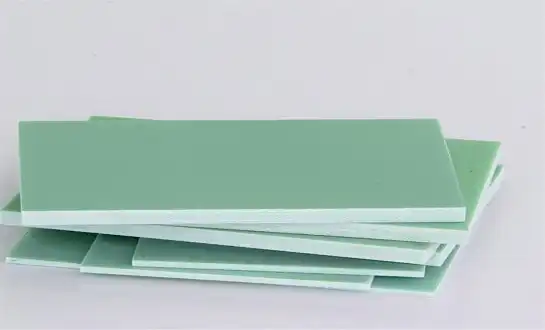
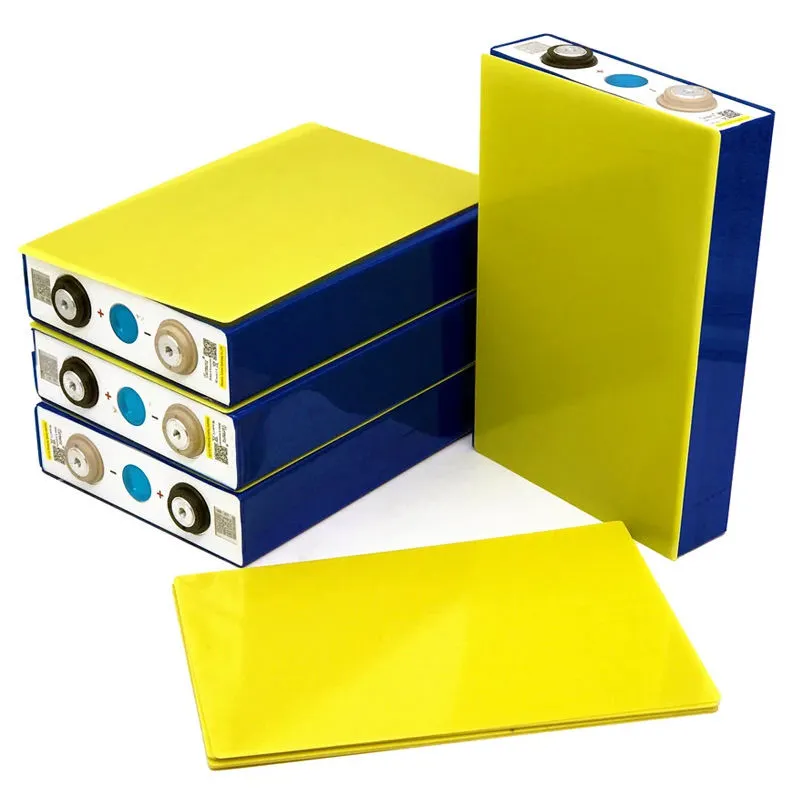
The 3240 epoxy sheet is made up of layers of woven fiberglass cloth that are soaked with epoxy-phenolic resin. The layers are then heated and pressed together to harden into a composite laminate. This design provides excellent electrical protection, with a breakdown voltage of more than 30kV in oil and a volume resistance that is good for high-voltage uses. The material can withstand temperatures up to 130°C for a long time (Class B), but the best grades can handle temperatures up to 155°C (Class F). With a density of 1.90 to 2.0 g/cm³ and a moisture absorption rate of less than 0.1%, these sheets stay the same size even in damp factories, where other materials would fail.
Structural Characteristics Affecting Machinability
CNC machining is hard because of the way the stacked polymer structure is put together. The material is very strong—its bending strength is over 340 MPa and its tensile strength is over 300 MPa—but it is also very fragile, which makes it easy to damage during rough cutting operations. When feed rates aren't right, delamination can happen at layer surfaces, especially where fiber direction changes near the edges of the sheet. When heat builds up during cutting, it softens the resin matrix, which makes the surface smudge and makes it harder to get accurate measurements. Because fiberglass reinforcement is rough, tools wear out faster. To balance output with tool longevity, feed rate changes must be made strategically.
Common Machining Defects and Their Origins
When feed rates are not calibrated properly, procurement workers and manufacturing engineers often find certain flaws. Too fast of feed speeds creates frictional heat that burns and carbonizes the resin along the cut edges, which lowers the insulation's effectiveness. On the other hand, feed rates that are too low cause tools to rub against each other instead of cutting, which leads to poor surface finishes and longer production times. At certain feed rates, chip removal becomes difficult because the buildup of debris can scratch finished surfaces or jam tools. The systematic method to feed rate optimization that is talked about in the next parts is based on understanding these failure modes.
Key Factors Influencing Feed Rates in CNC Processing of 3240 Epoxy Sheets
Material Properties and Thermal Considerations
The safe feed rate ranges are directly affected by how well 3240 epoxy sheet conducts heat. In contrast to metals, which lose heat quickly, epoxy materials don't transfer heat well, which leads to temperature spikes at the cutting surfaces. Feed rates need to take this trait into account by including enough chip exit time and possible cooling methods. The material's mechanical strength profile allows for bold cutting when handled correctly, but the temperature sensitivity of the resin component limits the fastest feed speeds. Sheets that meet IEC standard EPGC 201 have known temperature behavior, which lets you choose the feed rate with more confidence.
Tooling Selection and Geometry Impact
For working with epoxy laminates, the bare minimum is carbide equipment. However, diamond-coated cutting edges make tools last a lot longer when working on large production runs. The shape of the tool has a big impact on the best feed rates. For example, positive rake angles lower cutting forces and heat production, which lets feed rates go faster without affecting the quality of the edge. Choosing the right helix angle affects how well chips form and how well they are pushed out, with higher angles usually supporting faster feed rates. The chip load per tooth is determined by the tool width, flute count, and feed rate. This is a measure that needs to be carefully calculated to avoid both tool breakage and surface flaws.
Machine Capabilities and Spindle Speed Relationships
The stiffness and spindle features of a CNC machine set reasonable limits for optimizing the feed rate. Higher spinning speeds (usually between 12,000 and 18,000 RPM for epoxy composites) allow for higher feed rates while keeping chip loads at the right level. Vibration damping is affected by how strong a machine tool is. Setups that are stiffer can handle higher feed rates without chatter marks. When used, coolant supply systems change the ranges of acceptable feed rates by controlling the buildup of heat. Following standard milling rules, the relationship between feed rate and spindle speed is as follows: as spindle RPM goes up, feed rate can go up appropriately to keep the same rate of material removal.
Step-by-Step Guide to Optimizing Feed Rates for CNC Processing of 3240 Epoxy Sheets
Material Assessment and Baseline Establishment
To start optimizing, compare the specs of arriving materials to the standards for procurement. Using calibrated micrometers, find the actual thickness of the sheet and write down any differences from the stated measurements. This is important because the tolerance for thickness affects the figures for cutting depth. Check the surface quality for flaws like bubbles, delamination, or places with a lot of resin that show uneven drying. These flaws change the mechanical features of the area and need to be fixed by changing the feed rate. Use standard tools and slow feed rates (800 to 1200 mm/min is a good starting point) to make test cuts on samples to find out how well they work before you start to improve them in a planned way.
Progressive Feed Rate Testing Protocol
To figure out how feed rate affects result quality, the testing process calls for controlled changes in a number of parameters across several sample pieces:
- Initial Range Exploration: To start exploring the range, make test cuts at 800, 1000, 1200, 1500, and 1800 mm/min while keeping the spinning speed steady (14,000 RPM is a good starting point). Use the same inspection standards for each sample to check its edges, surface finish, and delamination. To figure out how fast tools wear out, write down their state after each test run.
- Refinement Within Optimal Window: Once good performance limits are found, limit the test range to 200 mm/min steps within the favorable area. Use coordinate measuring tools to check the accuracy of the dimensions by comparing the finished features to the CAD specs. Check the cutting forces using the machine's current draw or force monitors, if they are available. Find the feed rates that keep the cutting steady without putting too much stress on the machine.
- Validation Through Production Trials: Do test production runs at the chosen optimal feed rate, processing enough to make sure stability across normal material difference. Keep an eye on failure rates, tool life measures, and cycle time to compare the cost savings to the way things were before.
This methodical technique turns unwritten machine knowledge into written best practices. The data gathered during optimization helps people make objective decisions and gives production teams training materials.
Documentation and Standardization
Make detailed process sheets that list the best feed rates and all the factors that affect them, such as spindle speed, depth of cut, tool specs, and coolant settings. To cut down on interpretation differences, include graphic standards that show what edges are okay and what edges are not. As tooling changes or material sources do, use version control to make sure that continued optimization stays in line with how things are made now. This paperwork is very helpful when trying to figure out quality problems or getting new people to work in production up to speed.
Comparative Insights: 3240 Epoxy Sheet vs. Other Composite Materials in CNC Applications
Performance Against FR4 and G10 Laminates
UL94 V-0 flame retardancy makes FR4 laminates the most popular choice for printed circuit boards. However, 3240 epoxy sheet has higher mechanical strength, which means it can be fed more aggressively in structural applications. Because FR4 is self-extinguishing, it is a little harder to work with than regular epoxy glass laminates. G10 grades, which are made up of similar chemicals to 3240 but have to meet different standards, have similar feed rate optimization properties. Most of the time, the decision between these materials is based on the needs of the product rather than how well they can be processed by CNC. However, 3240 is cheaper and better when flame retardancy is not required.
Comparison With Phenolic and Bakelite Alternatives
When choosing a material for a low-cost job, phenolic cotton laminates and Bakelite sheets should be compared based on how well they machine. Because these materials don't have any sharp glass backing, they can usually handle higher feed rates. This means that the tools will last longer. But compared to epoxy glass composites, they don't work as well electrically and don't stay the same size. When making choices about what to buy, it's important to weigh the starting cost of the material against how efficiently it can be machined. Companies that make parts for cars and appliances often choose phenolic materials for non-critical insulation jobs where the labor benefits outweigh the lower performance gaps.
Thermal Stability and Feed Rate Flexibility
When 3240 epoxy sheet is fully cured, it has a thermal durability benefit that lets it be machined continuously at the same feed rate for long production runs. When materials with lower temperature values are machined, their properties gradually get worse, which forces feed rates to slow down because cutting creates more heat exposure. This trait of stability is especially useful in high-volume manufacturing settings, where keeping cycle times constant has a direct effect on production schedule and capacity usage. The same properties of the resin that make it good for strong CNC processing are also useful in uses in the power sector that need long-term heat stability in service.
Procurement Considerations for 3240 Epoxy Sheets: Ensuring Quality and Cost-Efficiency
Quality Certification and Standards Compliance
IEC 60893 (EPGC 201) or similar national standards should be required by procurement requirements. This will make sure that all supply batches have the same electrical and mechanical features. For each production lot, you should ask for certificates of approval that show the results of tests for dielectric strength, bending strength, and water absorption. Suppliers with ISO 9001 quality management systems show they can control the production process, which means that new inspections are easier. As part of the screening process, the surface must be smooth, there must be no holes or areas lacking resin, and the sides must be clean-cut and not show any signs of delamination. These quality gates stop problems with downstream cutting that make it harder to optimize feed rates.
Supplier Evaluation and Partnership Development
To find trusted providers, you need to look at more than just unit prices. Check the company's technical help, especially how quickly they can answer questions about how to fix problems with cutting and how willing they are to send sample materials for testing feed rate optimization. Logistics skills are very important. Suppliers that offer combined shipping services lower the variety of lead times and make managing the supply chain easier. Check to see if the supplier can increase production without lowering quality by comparing their manufacturing ability to the amount you need. Long-term relationships with providers who offer custom sizing choices cut down on waste and extra processing costs, which lowers the total cost of ownership above and beyond the price of the raw materials.
Bulk Ordering Strategies and Inventory Management
Price breaks are usually unlocked by making large purchases, but procurement teams have to weigh the benefits of discounts against the costs of keeping stockpiles and the risk of items becoming obsolete. When materials are kept incorrectly, especially when they are exposed to high humidity or high temperatures, they may warp or absorb moisture, which can damage their ability to be machined and their electrical qualities. During inventory holding times, materials are kept in good condition by storing them horizontally on flat boxes in climate-controlled spaces that are kept below 25°C and below 75% relative humidity. Set minimum order amounts that are in line with the time frames used for production forecasts, which are usually three to six months for stable manufacturing operations. When specs allow it, custom thickness choices cut down on machining time. However, wait times for non-standard measurements need to be planned for ahead of time.
Conclusion
Feed rate optimization for 3240 epoxy sheet CNC processing is an important area where material science, machine skills, and operating performance all come together. The step-by-step process described in this guide, from learning about the structure and thermal properties of composites to putting progressive testing methods into place, helps makers get better surface finishes while also increasing tool life and throughput. When procurement workers work with sellers who care about quality, they can get materials with uniform properties that make optimization efforts repeatable across production batches. The comparisons give decision-makers the tools they need to choose the right materials, taking into account performance needs, working speed, and cost. Being able to understand these CNC optimization principles is important for staying ahead in global markets as more accurate insulation parts are needed for electrical manufacturing, industrial machinery, and power distribution.
FAQ
What feed rate range works best for CNC milling of 3240 epoxy sheet?
When using carbide tooling and spindle speeds between 14,000 and 16,000 RPM, the best feed rates for 3240 epoxy sheet are usually between 1000 and 1600 mm/min. However, the exact numbers rely on the thickness of the material, the diameter of the tool, and the surface finish that is wanted. When it comes to heat absorption, thinner sheets (below 3 mm) can usually handle higher feed rates, while slower speeds are needed for thicker laminates to keep them from delaminating inside. Always make test cuts with your unique tools and equipment to make sure the suggested starting points are correct.
How does temperature resistance affect machining parameters?
The Class B thermal grade (constant 130°C) means that the heat made during cutting gets close to critical levels faster than with metal pieces. Because of this limitation, the feed rate must be chosen in a way that combines how well it removes material with how much heat it creates through friction. Cutting at temperatures that are too high weakens the resin and burns the surface. The best settings keep the temperatures in the cutting zone well below the material's ongoing working limit.
Where can I source certified 3240 epoxy sheet suppliers for custom dimensions?
Reliable providers show certificates for their quality systems, give test reports on materials, and offer expert help for optimizing machining. Check out providers based on how quick they are to custom size requests, how much experience they have making things, and customer reviews from related industries. Before agreeing to large sales, you can make sure that the material is consistent by asking for samples to be tested internally.
Partner With J&Q for Premium 3240 Epoxy Sheet Supply and CNC Machining Support
J&Q leverages over twenty years of manufacturing expertise and a decade of international trade experience to deliver superior 3240 epoxy sheet solutions tailored to your CNC machining requirements. Our combined logistics skills allow us to offer a true one-stop service, from helping you choose the right materials to delivering them to you at the end. This gets rid of the coordination problems that come up with multi-vendor supply chains. We have strict quality control procedures that are in line with IEC standards. These procedures make sure that every sheet meets the electrical, mechanical, and size requirements of your uses. Our technical team works with your engineering staff to make sure that both the material specs and the processing parameters are optimized. This is true whether you need standard dimensions for current production or custom-sized materials to cut down on machining time. As a well-known company that makes 3240 epoxy sheets, we know the problems with optimizing the feed rate that are talked about in this guide. We also make materials that are designed to be consistently easy to machine. Contact our team at info@jhd-material.com to discuss your specific needs, request technical data sheets, or obtain competitive quotations that demonstrate the cost-efficiency advantages of partnering with an experienced supplier committed to your manufacturing success.
References
Institute of Electrical and Electronics Engineers. (2019). IEEE Standards for Insulation Testing of Electrical Equipment. IEEE Press.
Turner, M.J., & Richardson, P.L. (2021). Composite Materials Machining: Principles and Industrial Applications. Industrial Press Inc.
International Electrotechnical Commission. (2018). IEC 60893: Insulating Materials - Industrial Rigid Laminated Sheets Based on Thermosetting Resins for Electrical Purposes. IEC Publications.
Nakamura, H., & Schmidt, R. (2020). "Optimization of CNC Parameters for Fiber-Reinforced Polymer Composites." Journal of Manufacturing Science and Engineering, 142(8), 081-094.
Wilson, D.R. (2022). Procurement Strategies for Industrial Insulation Materials: A Quality and Cost Analysis. Manufacturing Engineering Society.
Anderson, T.K., & Chen, L. (2021). "Thermal Management in High-Speed Machining of Epoxy Composites." International Journal of Advanced Manufacturing Technology, 115(3), 827-841.

Get a complete product list and quotation

J&Q New Composite Materials Company