How High-Pressure Laminate Presses Produce Premium FR4 Epoxy Sheets?
High-pressure laminate presses use a carefully controlled method that includes temperature, pressure, and time to turn raw prepreg materials into high-quality FR4 epoxy sheets. During production, layers of knitted fiberglass cloth that have already been mixed with epoxy resin are pressed together at several hundred PSI while being heated to temperatures that cause the resin to harden. This method gets rid of any empty spaces inside the sheet, makes sure that the resin is spread out evenly, and forms the thick molecular structure that makes FR4 epoxy sheets good. The laminates that are made have great dielectric strength, dimensional stability, and mechanical integrity, which are all important for PCB boards, electrical insulation parts, and structural supports in the industry and electronics sectors.
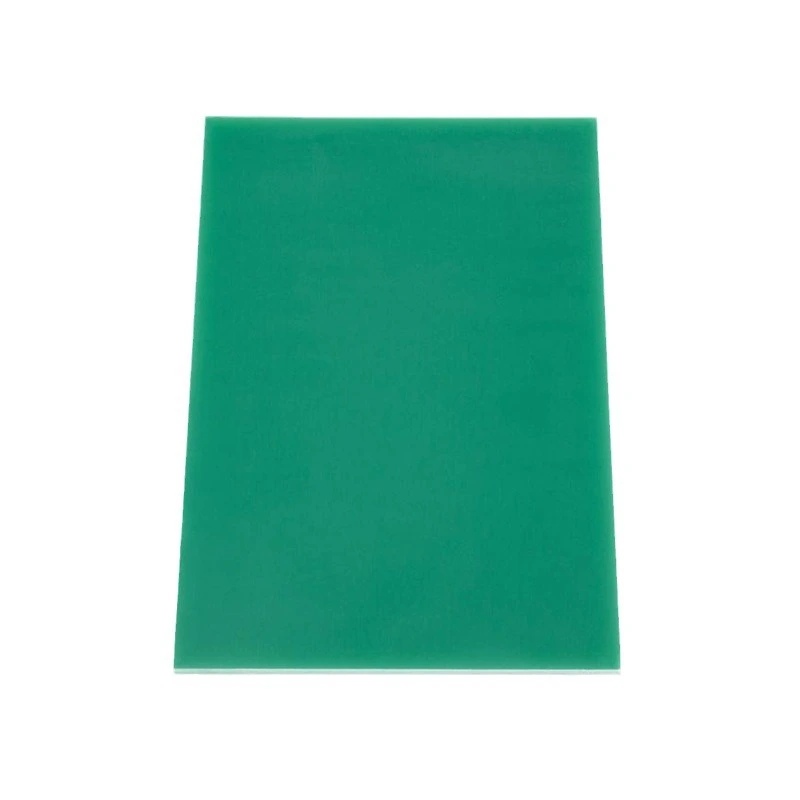
Understanding FR4 Epoxy Sheets and Their Market Demand
FR4 epoxy sheets are used a lot in the electronics business around the world as building blocks for circuit boards and shielding. The "FR" name comes from meeting UL94 V-0 flammability standards. The material is made of continuous woven fiberglass cloth that is saturated with flame-retardant epoxy resin. The material solves important problems in manufacturing: it keeps electrical separation in damp places where phenolic alternatives fail, it doesn't deform mechanically during heat cycle, and it keeps its shape for precise CNC machining.
Rising Demand Across Industrial Sectors
A lot of demand for these glass-reinforced laminates comes from companies that make electronics and power tools. PCB makers need copper clad adhesion and uniform dielectric qualities that meet IPC-4101 standards. As the production of electric vehicles grows, automotive producers ask for more and more FR4 epoxy sheets to be used for battery pack barriers and heat-resistant fittings. These sheets are useful in the power distribution industry for supporting busbars and creating arc shields that can handle high voltages without tracking or carbonizing.
Procurement Challenges Facing B2B Buyers
When looking for insulation laminates, engineering managers and technical buying teams run into a number of problems. There are big differences in how consistent the quality is between sources, which hurts output yields and dependability. When working with foreign manufacturers who don't have stock in the UK, lead times get longer. Minimum order amounts are often higher than what is needed for a project, which wastes money and office space. Being aware of how the way a material is made affects its properties helps buyers find providers who can provide the right specs for their needs.
Material Alternatives and Selection Criteria
There are some important trade-offs to be aware of when comparing FR4 epoxy sheets to G10 fiberglass, phenolic cotton sheets, and custom laminates. G10 is made of a similar glass-epoxy material and is just as strong, but it hasn't been treated to be flame resistant, so it can't be used in places where fire safety rules apply. Although phenolic materials are cheaper, they don't have good electrical properties and don't fight water well. For high-frequency radio frequency (RF) uses, PTFE-based laminates with lower absorption factors might be needed, but they are much more expensive than regular epoxy-glass composites. Matching the properties of a material to its electrical, thermal, and mechanical needs guarantees the best performance and lowest cost.
The Role of High-Pressure Laminate Presses in FR4 Manufacturing
Using manual layup or low-pressure tools for traditional lamination makes FR4 epoxy sheets with qualities that aren't uniform and flaws that can be seen. With these methods, it's hard to get rid of air pockets, make sure that the glue flows evenly, and keep precise thickness control across big panels. High-pressure hydraulic presses changed the way things were made by evenly applying force to the whole surface of the laminate while it was drying.
The High-Pressure Lamination Process
The modern process of making FR4 epoxy sheets starts with prepreg preparation, which involves treating fiberglass cloth precisely with resin up to certain amounts of resin content. Technicians stack several layers of prepreg between polished steel plates to make sure the fibers are oriented correctly and the material is clean. The stack is put together and then put into the press room. Platens apply even pressure and heating elements raise the temperature based on the cure plan for the epoxy resin.
Quality Improvements Through Advanced Pressing
High-pressure processing creates a dense, uniform structure that immediately improves performance qualities that are important for industry uses. Less porosity raises the dielectric breakdown voltage, which lets thinner insulation be used in small circuits. Tighter resin-to-glass ratios boost mechanical strength and flexural modulus, which is good for uses that need to support structure loads. Uniform compression gets rid of areas that are resin-rich and areas that are resin-poor, which can make the material less reliable when it is exposed to heat or water. These improvements to the making process mean that the products will fail less often and last longer in harsh settings.
Key FR4 Epoxy Sheet Specifications Influenced by High-Pressure Pressing
The technical specs that engineering teams look at when choosing materials are directly affected by high-pressure laminating technology. Knowing how these properties relate to each other helps people who buy FR4 epoxy sheets figure out what suppliers can do and how good their work is.
Dimensional Precision and Flatness
Tight thickness standards are needed for automatic assembly processes, and they can only be reached by evenly distributing pressure during curing. According to NEMA guidelines, good makers keep Class II tolerances, which means that for sheets less than 3mm, the thickness usually doesn't change more than 10%. Controlling flatness stops problems with assembly in multi-layer PCB stacks and makes sure that contacts in switches work properly. For top grades, warp and twist readings usually stay below 0.5%. This is proven by measuring in coordinates during quality control.
Electrical Performance Parameters
When laminated correctly, dielectric strength—the energy that a material can handle before breaking—increases by a large amount. When tested according to ASTM D149 guidelines, well-processed FR4 epoxy sheets show perpendicular breakdown voltages above 50kV. Stability of the dielectric constant over a wide range of temperatures and frequencies is important for the security of signals in fast digital circuits. Arc resistance values above 100 seconds mean better surface tracking resistance, which is very important for high-voltage switchgear parts that are subject to arcing.
Thermal and Mechanical Durability
The glass transition temperature (Tg) tells us the highest temperature that something can be used at before its mechanical qualities start to break down. Standard FR4 epoxy sheet grades have Tg values between 130 and 140°C, which means they can be used for Class B electrical insulation that is rated to work continuously at 130°C. High-Tg formulations can hit temperatures between 170 and 180°C, which makes them suitable for lead-free soldering methods and high temperatures used in car underhood uses.
Because it is made of thick fibers and resin, the material has good mechanical qualities like flexural strength, compressive strength, and impact resistance. In humid places, low moisture absorption rates (below 0.15%) stop changes in size and dielectric breakdown. Chemical resistance to industrial chemicals and cleaning agents makes parts last longer and makes upkeep easier.
Choosing Premium FR4 Epoxy Sheets for Your Business Needs
To do successful procurement, you need to fit the properties of the FR4 epoxy sheets to the needs of the product while building trusting relationships with suppliers. Technical standards are the basis, but long-term results are also affected by certification compliance, the ability to customize, and the dependability of the supply chain.
Evaluating Technical Requirements
Based on how the material will be used, engineering teams should set the lowest values that are appropriate for dielectric strength, thermal rating, mechanical strength, and physical limits. Copper peel strength and CNC machinability are important for PCB uses, while compression strength and creep resistance are most important for structural insulation. Specific UL marks and flame spread rates are often required by the manufacturers of power tools. Making detailed material specification sheets makes evaluating suppliers easier and makes sure that the buying process is the same for all tasks.
Supplier Certification and Quality Systems
Manufacturers with a good reputation keep their UL certification for flame retardancy, their RoHS certification for limited substance limits, and their REACH registration for entry to the European market. ISO 9001 certification means that quality management systems have been in place for a while and that process controls and tracking are recorded. Suppliers who work with the defense and aircraft industries often have extra licenses, such as AS9100 or ITAR registration. Requesting certification paperwork and mill test results before making large orders confirms that the material is real and meets requirements.
Customization and the ability to offer service
In addition to standard sheet sizes, you might want to look for providers that offer extra services like CNC turning, water jet cutting, and precision grinding to finished sizes. Custom thickness choices between standard grades can be used to meet specific design needs without making the requirements too strict. Technical support teams that know what the application needs can help choose the best materials and solve problems with processes. Sampling tools let you try how well two materials work together before committing to large amounts of production, which lowers the risk of qualification.
Logistics and the Supply Chain Considerations
Delivery dependability affects both the schedule for production and the cost of keeping goods on hand. When compared to direct imports, suppliers with regional warehouse networks offer faster lead times and smaller order sizes. Figure out the minimum order quantity (MOQ), price breaks at different levels of volume, and payment terms to get the most out of your buying budget. We've seen that companies that offer combined logistics services make it easier for foreign shipping, customs clearance, and last-mile delivery, which makes it easier for procurement teams to do their jobs.
Ensuring Quality and Reliability When Purchasing FR4 Epoxy Sheets
Verifying the quality of materials keeps them from failing to work properly and causing expensive production delays. Using systematic review methods helps buying teams find reliable sources and find FR4 epoxy sheets that aren't up to par before they are used in production.
Technical Data Sheet Analysis
Full data sheets include information about electrical properties like dissipation factor and dielectric constant, thermal properties like Tg and thermal conductivity, and mechanical properties like tensile and bending strength. Check the numbers that have been made public against standards in the field, such as IEC 60893 and MIL-I-24768/27. For example, ASTM D149 is for electrical strength and ASTM D570 is for water absorption. These test method sources make sure that measurements can be made again and again. Specifications that aren't clear or full are often a sign of problems with quality control.
Physical Inspection Methods
A close look shows flaws on the surface, such as holes, scratches, foreign objects, and color differences that make the electrical protection less effective. Lack of curing or bad resin-fiber bonding is shown by measling, which looks like white spots that show delamination. Dimensional measurement checks that the width is the same all over and that the surface is flat within certain limits. Destructive testing should be done on samples to look for internal voids. Cross-sections should be looked at under a microscope to see areas that don't have enough glue and delamination between layers of glass cloth.
Supplier Reputation and Track Record
When choosing long-term supply sources, industry knowledge is important. We've been making and shipping insulation laminates for more than 20 years, during which time we've learned how to make sure that the quality of each production batch is the same. You can trust a supplier's technical skills if they have customer feedback and case studies from similar applications. Relationships that have been going on for a long time with big electronics makers and industrial OEMs show that the company is reliable and can solve problems.
Service Offerings That Add Value
Progressive providers do more than just sell materials; they also help their customers succeed. Getting technical advice during the planning process helps choose the best materials and set the best processing settings. Sample testing programs let you make sure the application works before committing to a large number. Precision cutting services give finished parts that are ready to be put together, so you don't have to do any work yourself. Strong guarantee terms and helpful customer service take care of problems quickly, so output doesn't stop.
Conclusion
The most important part of making luxury FR4 epoxy sheets is high-pressure laminate technology, which has a direct effect on the electrical, thermal, and mechanical qualities that engineers need. The controlled pressure and temperature processes get rid of empty spaces, make sure that the resin is spread out evenly, and build thick molecular structures that work better than materials made the old-fashioned way. When procurement professionals understand this manufacturing relationship, they can judge the skills of suppliers, figure out what technical standards mean, and choose materials that work reliably in electronics, power, automobile, and industrial settings. Quality checks like certifications, data sheet analysis, and seller image checks help keep expensive material fails from happening and build long-lasting supply chain partnerships.
FAQ
What factors affect the price of FR4 epoxy sheet?
The cost of materials depends on their thickness, grade, order number, and how they need to be customized. The most affordable prices are for standard widths in commodity grades. On the other hand, high-Tg formulas, tight tolerance requirements, and special shapes cost more. When you buy more than a certain amount, volume prices start to matter. More processing, like precise cutting, raises unit costs, but getting rid of processes further down the line may lower the total cost of the project. Prices are also affected by changes in the value of the dollar and the quantity of raw materials. For budget stability, long-term supply deals are very helpful.
How does high-pressure lamination improve electrical qualities?
During hardening, controlled pressure gets rid of air pockets and gaps that make weak spots where electrical breakdown starts. Evenly spreading resin around the glass strands completely circles them, blocking any moisture paths that would lower insulation resistance. The dense matrix arrangement makes the dielectric strength greater and the dielectric constant numbers more stable. These changes are very important for high-voltage switches, precise RF circuits, and multilayer PCBs, where electrical performance has a direct effect on the safety and stability of the product.
Can suppliers handle sales of any size, and how long do most wait times take?
Precision cutting services are often used by reputable makers to meet requests for unique sizes. Standard sheet inventory lets you make easy cuts quickly, and items are usually shipped within days. For custom thickness manufacturing, full production runs are needed, and wait times can be up to a few weeks, based on press plans and volume. Accurate arrival dates are guaranteed by making sure that dimensional tolerances, edge finish requirements, and number needs are clearly communicated during the quote process. Keeping a safety store of custom sizes that are used a lot helps keep production plans on track.
Partner with J&Q for Your FR4 Epoxy Sheet Requirements
J&Q has been in business for over 20 years and has knowledge in both manufacturing and foreign trade. They help electrical makers, machinery builders, and industrial procurement teams. Our streamlined method combines cutting-edge high-pressure lamination tools with strict quality control systems to create FR4 epoxy sheets that meet UL, RoHS, and REACH standards. We know how important these materials are to the success of your production, which is why we offer a range of thickness choices, precision cutting services, and expert advice to make sure that the materials we supply are exactly what you need for your project. As a reliable supplier, our in-house logistics make sure that we can meet shipping dates and offer reasonable prices. Email our team at info@jhd-material.com to talk about your needs, ask for samples, or get full quotes that are made just for your project.
References
National Electrical Manufacturers Association. (2021). Industrial Laminating Thermosetting Products Standards Publication. NEMA LI 1-2021.
Institute of Printed Circuits. (2020). Specification for Base Materials for Rigid and Multilayer Printed Boards. IPC-4101E.
ASTM International. (2020). Standard Test Methods for Dielectric Breakdown Voltage and Dielectric Strength of Solid Electrical Insulating Materials. ASTM D149-20.
International Electrotechnical Commission. (2019). Insulating Materials - Industrial Rigid Laminated Sheets Based on Thermosetting Resins for Electrical Purposes. IEC 60893-3-2:2019.
Underwriters Laboratories. (2018). Standard for Tests for Flammability of Plastic Materials for Parts in Devices and Appliances. UL 94, Eighth Edition.
Coombs, Clyde F. (2021). Printed Circuits Handbook: Manufacturing Technologies and Material Selection. McGraw-Hill Professional, Seventh Edition.

Get a complete product list and quotation

J&Q New Composite Materials Company



