Insulation Bakelite Sheet for Electrical Panels and Transformer Components
Insulation Bakelite Sheet is a phenolic resin laminate that keeps electrical panel and transformer parts from having live parts touch each other. It's rigid and can be cut or shaped. It is best to think about the grade, thickness, voltage, temperature, and mechanical load all at the same time. The right sheet holds its shape and keeps the phases separate when it gets hot. The busbars and coils are also held up by it. What are the most important properties of the material? Where does it fit? How does it compare to other laminates? How can you get a quote that a manufacturer can price correctly?

Introduction: Why Insulation Bakelite Sheet Matters in Electrical Equipment?
A Phenolic Laminate Built for Electrical Duty
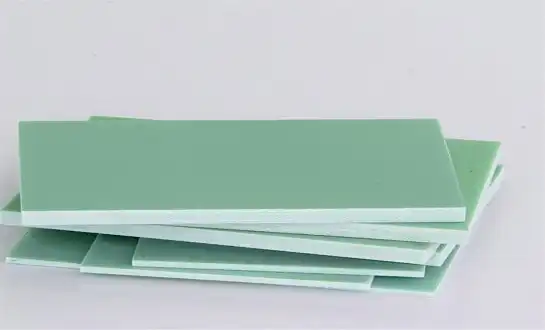
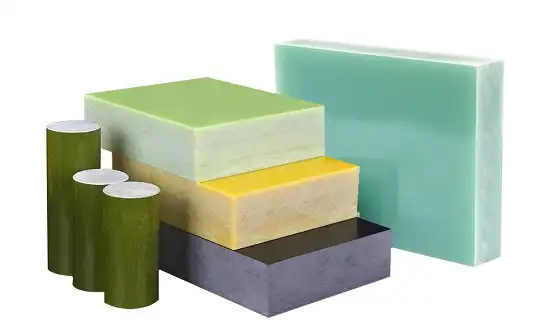
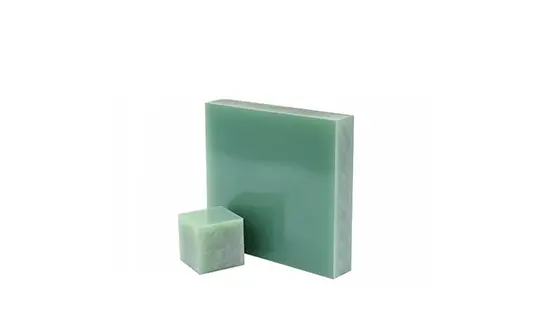
Insulation Bakelite Sheet is made of layers of phenolic resin-soaked paper or fabric. It is heated and pressed together to make a hard board that doesn't melt when heated again. This helps parts of motors, switchgear supports, and panel barriers stay stable near warm conductors. At J&Q, we have PVC sheets from JingHong that are black and orange. You can choose from 2 mm to 100 mm thick. As long as the sheets stay the same, the color of the pigment doesn't affect the electrical ratings. This is because grades don't always match up, so I always look at the datasheet first.
How is the Sheet Made and Supplied?
The steps for making it are set: soak the reinforcement, stack the layers, press under heat, cure, finish, check, and pack. It's good to use paper reinforcement for general insulation, but fabric reinforcement is better for heavy loads and machine work. For most sheets, the size is 1040 mm × 2080 mm, but if you need them bigger, we can make them 1220 mm × 2440 mm. When we pack, we use pallets to keep the sheets safe. No matter how big or small the order is, we can handle it. Our annual capacity is 13,000 tons, and the smallest order is 500 kg.
Buyer Factors That Shape Performance
It depends on six things whether a sheet will work in your equipment: how strong its dielectric is, how well it handles changes in temperature, how stable it is mechanically, how accurate its thickness is, how well it works when machined, and how steady its supply is. It's possible for two sheets with the same name to do different things because of differences in grade, reinforcement, thickness, pressing process, and test method. Engineers should ask for test results that are linked to a certain standard, such as ASTM D709 or IEC 60893. The people whose job it is to buy things should make sure that the supplier can keep the quality at that level for both the sample and the tenth order.
Key Properties of Insulation Bakelite Sheet for Electrical Applications
Dielectric Strength and Insulation Resistance
Any sheet can handle a certain amount of voltage per millimeter before it breaks. This is called its dielectric strength. ASTM D149 describes the test. If you test something in oil or air, the numbers you get may be different because of the thickness, shape, and test medium. When there is more moisture in the air, insulation resistance goes down. I believe that you should only compare datasheets when the test method, direction, and conditioning are all the same. Not a number from a different gage, but the breakdown and insulation resistance at the thickness you want to use.
Heat, Strength, and Dimensional Stability
When they get hot, thermoset phenolic laminates hold their shape better than most thermoplastics. The 120 °C Class E range varies by grade and load, but many paper-based grades are close to it. When you reinforce fabric, it usually makes it stronger against impact and bearing loads. This is good for parts that are held together by fasteners, spacers, and gears. It's important for stacked assemblies and CNC fixtures that the sheets are flat and don't vary too much in thickness. This is because sheets that aren't flat get in the way of the tools and leave gaps. When machinery builders order a gauge, they should ask for tolerances and check it when it gets there to make sure it is flat.
Moisture, Chemicals, Flame, and Environment
Phenolic laminates in an Insulation Bakelite Sheet take in some water, and water lowers the insulation resistance. This is why places that are damp need information on how much water a grade can absorb. Mineral oil resistance means that it can be used in parts of transformers that are submerged in oil, as long as the grade is suitable for that. UV light can hurt the resin surface, so I don't think it should be used outside for a long time. You should write and ask for the UL 94 rating and RoHS status if you need something that can handle flames. The ISO 9001:2015 certification and RoHS rules make it safe. UL can also see it when they need to.
Insulation Bakelite Sheet Applications in Electrical Panels and Transformers
Electrical Panels and Switchgear
A barrier plate, a phase separator, a terminal board, a mounting plate, or a busbar support can all be made out of bakelite sheet. It is used in panels and switchgear. First, designers check for voltage, clearance, and creepage to fix a short surface path. Adding more thickness won't make this better. After that, they talk about temperature rise and how much weight is on the fasteners. If you machine grooves, they can make the creepage path longer. For simple barriers, standard sheets that can be cut to size work well. The only way to CNC machine parts with repeating geometry or tight hole positions is from a drawing. All brands of appliances use the same process to make their motor brackets and insulation frames.
Transformer Coil Supports and Structural Parts
People who make transformers use phenolic laminate to support the coils, end plates, spacers, and structural insulation close to the windings. It gets hot, tight, and shakes. These parts often have oil on them. Power engineers need to make sure that the grade works with oil, stays the same size, and doesn't conduct electricity over time. Plates that are up to 100 mm thick can be used to make heavy blocks and spacers. To make clamped parts stronger, materials with fabric reinforcement are often better. On the other hand, paper-based materials are often better for making lighter barriers. Before moving forward with the whole batch, test a small amount in your own oil and at your own temperature.
Motors, Machinery, Automotive, and Tooling
The material used to make jigs, test fixtures, wear parts, and motor insulation is the same. It is cheap and easy to work with, which machine builders like. It can be used by auto suppliers for stable batches of insulation pads and fixtures. Pentic sheet is used as drilling backup boards in PCB shops, but epoxy-glass laminate is more often needed for PCB substrates that are already made. It's likely that a standard sheet will do for flat spacers. But you might need a better laminate if they will be exposed to high temperatures or heavy loads.
Insulation Bakelite Sheet vs. Other Insulation Materials
Bakelite Sheet vs. Phenolic Sheet
The same things are called Bakelite and phenolic. They are made of paper or fabric that has been soaked in resin and pressed into a rigid board. People who buy and sell things use the words in a vague way, so the name doesn't really say much. But grade and reinforcement do say a lot more. In general, a paper-based sheet is a cheap way to keep electricity out. Cloth sheets can be put over parts that are loaded or machined, like bushings and gears. It has levels for paper like XX and XXX and levels for fabric like C and L. In your specification, spell out the name of the standard and the strength.
Fiberglass and Epoxy Laminates
When it comes to mechanical, thermal, moisture, and dimensional properties, epoxy laminates with glass reinforcement can do better than phenolic paper. Even though they cost more, they are worth it when a design needs more room. High temperatures that won't go away, tight dimensional stability in humid air, and heavy mechanical loads are all things that tend to set off these events. Polyvinyl acetate is a less expensive material that can be used for many panel barriers, spacers, and support plates. I will let you know right away if your drawing needs a different kind of paper. Sheets made of phenolic resin make up our JingHong range.
Nylon and When to Choose It
This thermoplastic in an Insulation Bakelite Sheet is tough and doesn't wear down quickly, so it's good for parts that bend or move. And because it soaks up water when it's hot, its size can change when it's humid. Phenoclayne stays rigid and can handle clamping loads when it is used in electrical assemblies. Pick nylon if a part needs to bend or slide. Pick a thermoset laminate if it needs to stay in place next to hot wires. The needs of the business, not the price, decide.
How to Choose the Best Insulation Bakelite Sheet?
Define the Operating Conditions
Start by looking at some facts about electricity and the environment, like the temperature, humidity, oil, dust, frequency, voltage, and current. Then describe the part's purpose, such as whether it's a barrier, a support, a spacer, or a wear surface. That's not likely to happen with this short list. This is important to tell your supplier because a sheet that works in a dry control panel might not work in an oily transformer. If you're not sure about a number, give a range and ask what the high and low points are.
Match Reinforcement, Thickness, and Machining
Print it out. It will save you money and keep you warm. If you want something strong and that can be cut by a machine while being loaded, choose fabric. Then, choose the thickness by checking the stiffness, the space between the pieces, the load on the fasteners, and the room for cutting. Make sure you can drill, mill, punch, thread, or cut the sheet the way you want to. A hot punch at 80–100 °C helps keep the layers together above about 1.5 mm. Making things by machine needs to be done in a room with good airflow and dust collection because it gives off phenol and formaldehyde smells. When it comes to transformer parts, they should work with oil, temperature, and compression. High-voltage parts should be able to show breakdown and creepage. And custom parts should have good edge quality and accurate holes.
Verify Documents, Samples, and Traceability
Take a look at the test results, the datasheet, the certificates, and the thickness tolerances. Check the datasheet to see if it has the test standards. ASTM D149 is one example of a breakdown voltage. For future orders to match the approved sample, check to see if each batch has records that can be kept track of. Not just the price of the sheet, but also the lead time, how they package it, and how much it costs to deliver everything before you choose a supplier. Because a low price can hide costs like scrap, freight, or rework. Our tech team can look over your drawing before we start making things.
Buying Insulation Bakelite Sheet from a Global Supplier
What to Include in Your RFQ
A full RFQ makes the price-setting process go faster. Describe the kind and grade of material you need, as well as its thickness, size, tolerances, electrical needs, environmental conditions, quantity, delivery date, drawings, and other paperwork. We can take T/T as payment for our small order of 500 kg. We can make sheets any size you need, but the standard size is 1040 mm × 2080 mm. Tell us where you want to go, and we'll help you plan your trip by sea, land, or air. Let us know if you need whole sheets or pieces that are cut to fit. The lead time and price will change based on what you need.
What Drives the Price?
What something costs is based on the type of reinforcement, the sheet's size and thickness, any changes that are made, the inspection requirements, how it is packed, and how it is shipped. Pieces that have a lot of holes and slots cost more to work with than whole sheets. Not only does ocean freight move more slowly than air freight, but it also costs more per kilogram. Putting packing sheets on pallets keeps the edges safe while they're being shipped. When you get quotes from different companies, make sure they all price the same scope by writing down all the inspections or paperwork that needs to be done right away.
How to Judge a Supplier?
There are different types of companies that make things, but they all need to look at the same things: the ability to make things, the testing resources available, the experience with exporting, the quality systems, the ability to help with machining, and the number of repeat orders. For more than 20 years, J&Q has been making things and trading with other countries. It also has its own logistics company, which means that one team makes things and ships them to places like the US. Do not do the following wrong: order only "Bakelite"; use thickness as the only way to measure insulation; ignore oil and humidity; skip getting the drawings approved; and compare prices based only on sheets. Find out from each supplier how they make sure that samples that have been approved are used for future orders.
Conclusion
Insulation Bakelite Sheet is a barrier that is rigid, can be machined, and doesn't melt when heated. It can be used on electrical panels and transformer parts. But its performance is not based on its name, but on the grade, reinforcement, thickness, and test method that were used. What kind of sheet fits a panel barrier, coil support, or machined spacer depends on how strong it is, how well it resists insulation, how hot it can get, how it handles moisture, and how flat it is. Insulation made from paper is good for general use and costs less. It is best to use fabric-based grades for parts that are loaded and machined. Epoxy, fiberglass, or nylon can do more than phenolic can. When people buy things, it's best to first decide how they will be used and then compare suppliers based on delivered cost, consistency, and documentation instead of just sheet price.
FAQ
What is the difference between paper and fabric Insulation Bakelite Sheet?
In general, paper-based sheet is a less expensive way to keep electricity out. Fabric-based sheet is often better because it is stronger and easier to work with when parts are loaded.
Can Insulation Bakelite Sheet handle high-temperature transformer use?
After checking the grade's insulation, freezing point, oil compatibility, how it reacts to water, and compression needs. There are a lot of grades on paper that are close to Class E, so check the datasheet first.
Do you offer cut-to-size or CNC-machined parts?
Yes. Your plans help us make parts and cut sheets to the right size. Plain sheets are 1040 mm × 2080 mm, but you can also get them in 1220 mm × 2440 mm if you need them that size.
How should I verify an Insulation Bakelite Sheet supplier?
For repeat orders, ask for technical documents, samples, the ability to test, and the ability to keep track of batches. Also, make sure it has an ISO 9001:2015 certification and meets RoHS rules.
Is Insulation Bakelite Sheet suitable for outdoor use?
It shouldn't be used outside for a long time. UV light can damage the resin's surface, making it less able to retain heat. It's good for use inside or in oil.
Request a Customized Insulation Bakelite Sheet Quotation from J&Q
Send J&Q the product's grade, thickness, size, electrical and temperature requirements, quantity, drawings, and where you want it to go. Our technical team will help you pick the right grade, make sure it's possible to make, and give you a price quote for parts that are standard or made to order. We are an ISO 9001:2015 certified supplier of Insulation Bakelite Sheet and have our own logistics company. We can handle 13,000 tons of stuff every year. You can email info@jhd-material.com or visit blog.jhd-material.com to find out more.
References
1. National Electrical Manufacturers Association, NEMA LI 1 – Industrial Laminated Thermosetting Products, 1998
2. International Electrotechnical Commission, IEC 60893-1 – Insulating Materials: Industrial Rigid Laminated Sheets Based on Thermosetting Resins for Electrical Purposes, Part 1, 2004
3. ASTM International, ASTM D709 – Standard Specification for Laminated Thermosetting Materials, 2017
4. ASTM International, ASTM D149 – Standard Test Method for Dielectric Breakdown Voltage and Dielectric Strength of Solid Electrical Insulating Materials at Commercial Power Frequencies, 2020
5. UL Standards, UL 94 – Tests for Flammability of Plastic Materials for Parts in Devices and Appliances, 2013
6. European Parliament and Council, Directive 2011/65/EU on the Restriction of Hazardous Substances (RoHS), 2011

Get a complete product list and quotation
J&Q New Composite Materials Company