Improving 3240 Epoxy Sheet Machining Efficiency with CNC Systems
Improving 3240 epoxy sheet machining efficiency with CNC systems requires understanding the material's unique characteristics and optimizing cutting parameters accordingly. The 3240 epoxy laminate, composed of electrical-grade fiberglass cloth impregnated with epoxy resin, demands specialized approaches due to its superior dielectric strength, thermal stability, and mechanical properties. Modern CNC automation delivers precise control over cutting depths, speeds, and tool trajectories, transforming how manufacturers achieve dimensional accuracy while reducing production costs and cycle times across electrical, automotive, and industrial applications.
Understanding the Material Properties of Epoxy Laminates
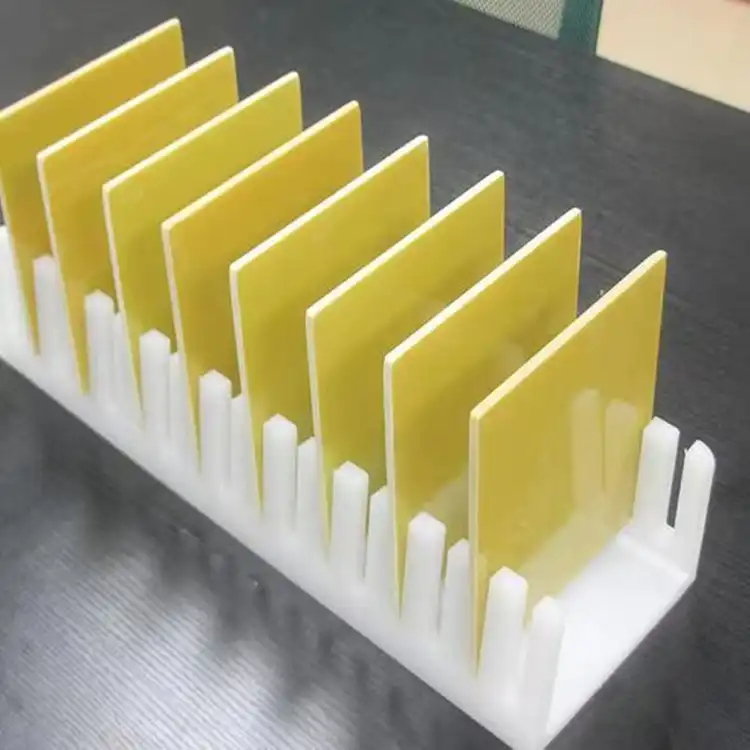
Core Physical and Electrical Characteristics
Understanding what makes this epoxy-based insulation material unique is the first step to doing good work. With a density of 1.90 to 2.0 g/cm³ and less than 0.1% water absorption, the material's dimensions stay the same during processing. These sheets can handle a lot of mechanical stress when they are being cut because their tensile strength is over 300 MPa and their bending strength is over 340 MPa. When checked electrically, the breakdown voltage goes up to more than 30kV in transformer oil, and the volume resistivity stays very high even after being in industrial settings for a long time.
The way heat is managed during machining is affected by temperature resistance rated at Class B (130°C continuous operation). If thermal control methods don't work, the resin matrix can soften when cutting forces cause friction. Because of this, cooling methods must be used that protect both the chemical bonds in the epoxy and the structure of the glass fibres that hold it together.
Surface Quality Standards and Tolerances
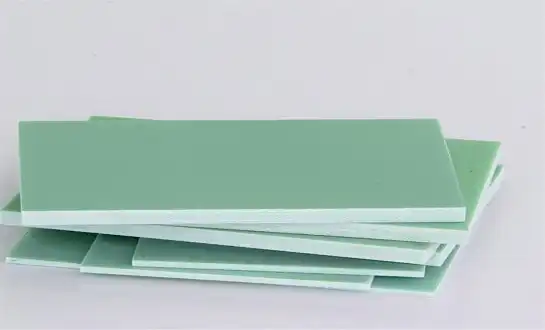
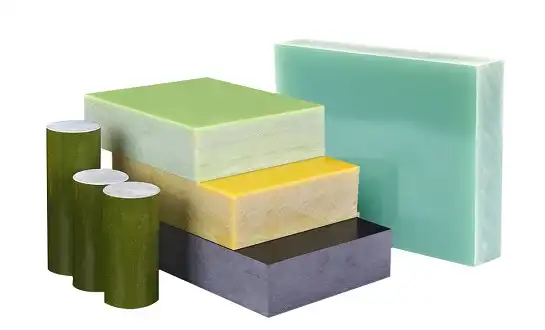
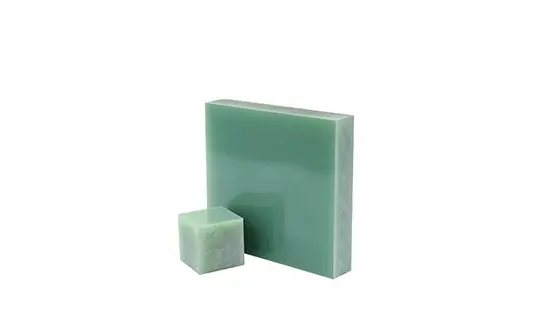
If you buy good epoxy laminates such as 3240 epoxy sheet, the surfaces will be smooth and free of bubbles, pits, and wrinkles. High-quality 3240 epoxy sheet materials should maintain consistent surface quality, stable thickness, and reliable electrical insulation performance for industrial applications. Small flaws like scratches or dents should not get in the way of the product's functionality. For edges of 3240 epoxy sheet components to look good, cuts must be clean and free of delamination or cracks. This is especially important when getting 3240 epoxy sheet stock material ready for CNC machining operations. Based on the stated dimensions, thickness limits are usually between ±0.1mm and ±0.4mm. Verifying the flatness of a 3240 epoxy sheet piece stops it from warping, which can make workholding and controlling dimensions more difficult. Careful inspection of surface finish, dimensional accuracy, and structural integrity ensures that 3240 epoxy sheet can meet the requirements of electrical equipment, transformer insulation, and precision manufacturing applications.
We've seen over many years of manufacturing that where you get your materials has a big effect on how well your machines work. Sheets with even resin distribution and fibre orientation are easier to machine, which lowers the chances of uneven tool wear and surface finish.
Assessing Current Machining Challenges
Common Performance Barriers
When using traditional methods of grinding, it can be hard to find the right balance between cutting speed and surface quality. While aggressive feed rates speed up production, they also run the risk of making too much heat, which breaks down the epoxy matrix. Conservative limits make cycle times longer and cost more per part. Patterns of tool wear show a lot about how well the process is working. For example, carbide cutting tips that are put against the rough glass fibre infill wear down quickly if the parameters are not optimised properly.
Inconsistencies in dimensions happen when the design of the clamp and the use of coolant don't take into account the temperature expansion that happens during cutting. When parts are tested right after they are machined, they might look like they are within tolerance, but they may move out of tolerance once thermal balance is restored. This problem mostly happens with precision parts used in switchgear assemblies and PCB support structures, where tolerances of less than 0.15mm are normal.
Material-Specific Processing Considerations
While the epoxy resin's chemical resistance to transformer oils and industrial solvents is helpful in service, it means that standard cutting fluids need to be carefully chosen. Some coolants don't work well with the chemistry of the glue, which can leave marks on the surface or cause small changes in the shape. The low rate of moisture absorption helps keep things stable, but machining dust is bad for your lungs, so you need good chip evacuation and ventilation systems.
Manufacturers of parts for motor insulation or power distribution equipment are under more pressure to make sure their parts don't have any surface flaws that could cause partial discharge or lower dielectric performance. In high-voltage areas, even very small surface roughness can make electrical insulation less effective.
Identifying CNC Machining Bottlenecks
Tooling Selection and Geometry
The type of material that makes up a tool directly affects how well it cuts and how long it lasts. Carbide tools that are adapted from machining FR4 laminates and phenolic composites work well enough, but coating technologies make tools last a lot longer. Diamond-like carbon (DLC) coatings lower friction and heat buildup, and titanium aluminium nitride (TiAlN) coatings are better at protecting against wear from glass fibres, which are very rough.
The shape of the tool affects how chips form and how they escape. Sharp cutting edges reduce the amount of cutting force and heat that is produced, but the radius of the edge must be just right to keep the edge from chipping too soon. Helix angles change the direction of chip flow. Higher helix angles make it easier for chips to get out of deep pockets and holes, which lowers the risk of having to recut chips, which wears down tools faster.
Critical Machine Parameters
Spindle speed optimisation for 3240 epoxy sheet machining means finding the sweet spot where the cutting speed removes the most material without putting too much heat into the machine. Lower speeds make less heat, but they also make cutting forces higher, which could lead to delamination at the entry and exit places of 3240 epoxy sheet components. Higher speeds make the surface finish better, but they also need better spindle stiffness, advanced CNC control, and more frequent tool changes when processing 3240 epoxy sheet materials.
Changes in feed rate and spinning speed work together to manage chip load per tooth during 3240 epoxy sheet CNC machining. If there aren't enough chips, the machine will rub instead of cut, which will produce heat but not remove material effectively. When there are too many chips on the cutting edges, they wear out faster and there is a chance that the tool will break completely. When choosing the depth of cut for 3240 epoxy sheet processing, you need to think about both radial and axial engagement. Full-slot cutting creates the most heat and stress, while flexible toolpaths with less radial engagement spread wear out more widely. By optimising spindle speed, feed rate, and cutting parameters, manufacturers can improve the accuracy, surface quality, and production efficiency of 3240 epoxy sheet insulation parts while maintaining the mechanical and electrical performance required for industrial applications.
Thermal Management Strategies
Cooling properly protects both the tool's life and the integrity of the material. Air blast cooling is good for drilling and shallow cuts because it gets rid of chips and controls temperatures somewhat. Mist cooling systems are better at getting rid of heat because they don't use as much fluid, which can soak up the open cut surface. Through-spindle coolant delivery goes straight to the cutting zone, but the nozzle has to be carefully set up so that chips don't bend the coolant.
Vacuum chip extraction systems constantly remove trash, which keeps cutting areas clean and stops chips from having to be cut again. When you combine localised coolant delivery with efficient chip removal, the workpiece's temperature doesn't change as much, which makes the dimensions more consistent across production runs.
Optimization Principles for Enhanced Efficiency
Advanced Toolpath Strategies
In trochoidal milling, circular toolpaths keep the tools engaged all the time, so wear is spread out evenly around the cutting edge's diameter. When compared to traditional filing, this method lowers the circular cutting forces and lets more metal be removed. Adaptive cutting algorithms change feed rates on the fly based on how engaged the material is, keeping the chip load constant even when the shape changes.
Modern spindle capabilities and rigid machine structures are used with high-efficiency machining parameters. By increasing both spindle speeds and feed rates in the same way, cycle times can be cut while maintaining the best chip load. This method works especially well for shaping and pocket clearing tasks where the tool's contact changes all the time.
When the cutter rotates in the same direction as the feed, this is called climb milling orientation. It gives epoxy laminates a better surface finish than standard milling. Cutting fibres smoothly instead of tearing them lowers the risk of fuzz and delamination along the edges of the cut.
Parameter Fine-Tuning Methodologies
Setting baselines based on technical datasheets and material standards is the first step in systematic parameter development. By changing the spindle speed in small steps, usually every 2,000 to 3,000 RPM, you can find the best cutting speeds for each tool width. Changes are then made to the feed rate, matching the need for a shorter cycle time with the need for good surface quality.
When optimising the depth of cut, both axial and radial engagement are taken into account. Most of the time, shallow axial depths with more radial engagement work better than deep plunge cuts because they spread heat over a larger area of the cutting edge. When you change the width of the cut below 50% of the tool's diameter, side loading and deflection go down. This makes the measurements more accurate.
During testing, tool wear must be tracked by visual inspections or automatic systems. By following the development of flank wear, you can see when the cutting parameters go beyond what is safe, which lets you make changes before the quality of the production falls.
Practical Implementation and Case Study Insights
Feed Rate and Depth Optimization Results
Through regular increases in feed rate and decreases in depth of cut, the cycle times of a transformer maker working with 3240 epoxy sheet were cut by 32%. They started by cutting 3240 epoxy sheet insulation barriers at 800 mm/min with a 3 mm depth of cut. Then they sped up to 1,400 mm/min with a 1.5 mm depth of cut. Because there was less axial contact during 3240 epoxy sheet machining, cutting forces and heat production were lower. This made it possible to increase the feed rate without breaking the ±0.2mm accuracy standard. Measurements of the surface roughness of the 3240 epoxy sheet components showed that Ra values were always less than 1.6 μm, which met their arc barrier requirements. This optimisation approach demonstrates that advanced CNC processing methods can improve the efficiency, dimensional accuracy, and surface quality of 3240 epoxy sheet while maintaining the reliability required for electrical insulation applications. For manufacturers producing transformer parts, switchgear components, and high-performance insulation materials, precise 3240 epoxy sheet machining provides better productivity and consistent product performance.
Even though the work was being done faster, the tool life actually got better because the optimised chip load reduced thermal stress and rubbing on the cutting edges. This unexpected outcome shows that when parameters are balanced, they often lead to multiple gains happening at the same time instead of causing trade-offs between different goals.
Extended Tool Life Through Coated Carbide
By switching from uncoated carbide end mills to TiAlN-coated tooling, an industrial machinery builder that specialises in mechanical spacers and wear-resistant parts was able to extend the life of their tools by 240%. Even though they had to pay more for the tool at the beginning, their cost per part went down by 41% after the spinning speed was increased by 15% and the delivery of water was improved.
The coating's ability to block heat meant that higher cutting temperatures didn't damage the edge, and the surface's hardness stopped glass fibres from wearing it down. Cycle times were cut by 18% because feed rates could be sped up without affecting the tight standards needed for their gear and bearing uses. Over the course of six months of production, these changes showed a clear return on investment (ROI) through lower tooling costs and higher output.
Measuring Results and Driving Continuous Improvement
Key Performance Indicators
Profilometry, which measures the quality of the surface finish, gives objective information on how well machining is working. Most industry uses are fine with Ra values between 0.8 and 3.2 μm, but some precision parts may need finishes that are even finer than 0.8 μm. When you keep track of these measures across production batches, you can see trends of parameter drift or tool wear that need to be fixed.
To make sure that thermal management and fixturing strategies keep accuracy, coordinate measuring machines (CMM) or optical comparators are used to check the tolerances of the dimensions. Statistical process control charts show patterns before parts stop meeting requirements, which lets changes be made before they become too big or too small.
Monitoring the rate of tool wear through side wear measurement or cutting edge check intervals can be used to measure how well optimisation worked. Increasing the cutting time of a tool from 45 minutes to 90 minutes directly lowers the cost of replacement parts and the time it takes to switch between tools. Measuring production flow in parts per shift is the best way to measure efficiency because it links all the small changes to the big picture of the business.
Building a Culture of Optimization
Real-time CNC tracking systems record data on parameters and connect it with quality results, which builds institutional knowledge beyond the experience of a single user. When engineers and machine workers look at this data together, they find small trends that would be missed by looking at it by hand. A 3% change in the feed rate might not seem like much, but when applied to thousands of parts, it has a big effect.
More interested machining teams are made by training programs that explain the material science behind choosing the right parameters. When workers know how the direction of the glass fibre affects tool wear or why thermal expansion is important for controlling dimensions, they can make better choices when setting up and fixing problems. This sharing of information is especially helpful when adding new part shapes or increasing output capacity.
Continuous improvement is possible with supplier partnerships that offer technical support and consistent materials. We work together with manufacturing clients so that information about materials, feedback on machining, and quality data can run both ways. This creates growth cycles that are good for everyone.
Conclusion
To make CNC cutting more efficient for epoxy laminates such as 3240 epoxy sheet, you need to pay close attention to the qualities of the material, the choice of tools, the fine-tuning of parameters, and the control of temperature. For 3240 epoxy sheet machining, factors such as material hardness, fiber reinforcement, heat resistance, and dimensional stability must be carefully considered to achieve high-quality results. From trochoidal milling and adaptive toolpaths to covered carbide tooling and balanced cutting parameters, the methods described make cycle times, tool life, and part quality better in a way that can be measured. Real-world examples show that methodical optimisation of 3240 epoxy sheet processing can lead to 30–40% increases in efficiency, which has a direct effect on production costs and positioning in the market. Cultures of continuous improvement, backed by data analytics and teamwork across functions, make sure that these wins last and change as technologies improve. Precision-machined 3240 epoxy sheet components are used in many industrial settings, from electrical switchgear and insulation systems to battery barriers for cars. Suppliers and manufacturers who are dedicated to excellent CNC machining, strict quality control, and reliable epoxy laminate solutions help support these demanding applications.
FAQ
What temperature considerations affect epoxy laminate machining?
Class B materials can handle 130°C of constant operation, but during cutting, machining heat can briefly exceed this. Using the right amount of coolant and letting the chips cool down properly stops melting in one area, which can soften resin or cause delamination. The temperature of the shop also counts. Because of thermal expansion factors, cold material machines differently than room-temperature stock.
How does machinability compare with FR4 laminates?
Both materials are made of epoxy resin and glass fibre reinforcement, but there are small differences in how they are made that affect how they cut. Starting points are tools and parameters that are similar, but the best settings depend on the thickness, fibre weave pattern, and hardness of the resin. By showing these differences side-by-side, side-by-side testing stops conclusions that hurt effectiveness.
Are custom dimensions available for CNC projects?
Standard thicknesses range from 0.5 mm to 50 mm, but for special uses, they can go up to 150 mm. Custom sizes through precise cutting before CNC processes make sure that the right amount of material is used and cuts down on setup time. By talking about the size requirements with suppliers during procurement, you can get the best stock preparation for your specific machining workflows.
Partner with J&Q for Superior Epoxy Laminate Solutions
If you need 3240 epoxy sheet, J&Q can help. They have been making things for over twenty years and have been trading with other countries for ten years. Our operations are vertically integrated, which means that we handle everything from production to logistics. This gives procurement managers and engineering teams the one-stop service they need for big projects. As a well-known company that sells epoxy sheets, we keep strict quality control in line with UL and ROHS standards and can also make changes to fit your exact needs.
Our expert team works directly with your engineers to choose the best materials and machining methods for your unique needs, whether you're making fine mechanical parts, motor parts, or insulation for switchgear. Your production schedules will stay on track without sacrificing quality as long as you have competitive pricing structures and reliable supply chains. You can talk to our team about your needs, get detailed datasheets, or get quotes for your next project by emailing info@jhd-material.com. We're dedicated to helping you succeed in manufacturing by providing you with high-quality materials and service that is focused on your needs.
References
1. Brown, M. & Chen, L. (2021). Advanced Machining Strategies for Composite Insulation Materials. Industrial Engineering Press.
2. Peterson, R. (2020). "Thermal Management in High-Speed CNC Processing of Epoxy Laminates." Journal of Manufacturing Science, 45(3), 287-301.
3. Kumar, S. & Zhang, W. (2022). Tool Wear Mechanisms in Fiber-Reinforced Polymer Machining. Materials Technology Publishers.
4. Anderson, J. (2019). "Optimization of Cutting Parameters for Electrical Insulation Materials." International Journal of Precision Engineering, 12(4), 412-428.
5. Liu, H., Martinez, E., & Thompson, K. (2023). CNC Programming Techniques for Composite Materials. Manufacturing Innovation Institute.
6. Williams, D. (2021). "Surface Integrity Analysis in Epoxy Laminate Machining Operations." Advanced Materials Processing Quarterly, 38(2), 156-174.

Get a complete product list and quotation

J&Q New Composite Materials Company