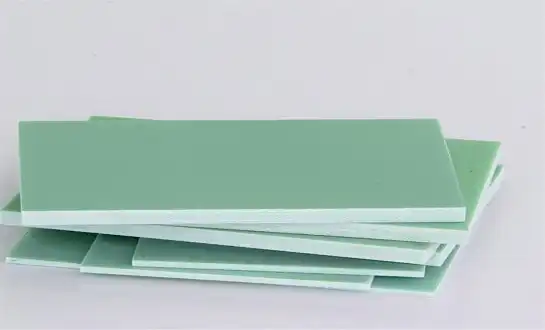
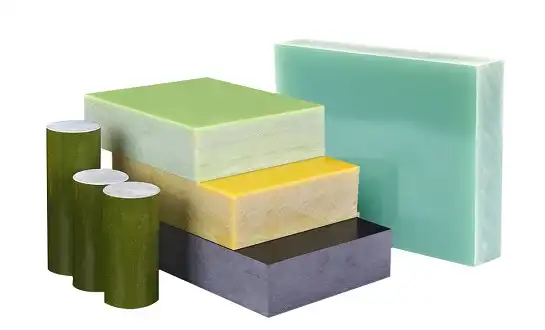
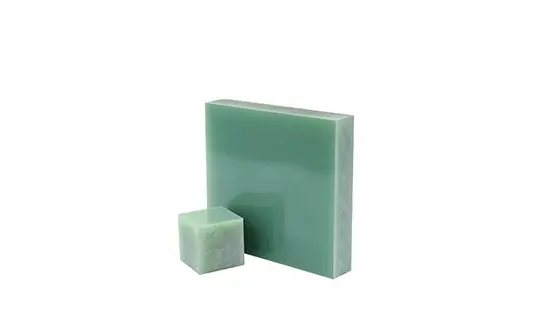
How We Prevent Delamination in FR4 During CNC Processing?
To keep FR4 sheets from delaminating during CNC processing, you need to use a complete strategy that includes choosing the right material, making sure the cutting settings are just right, and using advanced cooling techniques. We've learned over the past 20 years that controlling heat output, choosing the right carbide tools, using multi-pass methods, and keeping tight quality control throughout the process are all important for good FR4 cutting. These ways make sure that the structure of the fiberglass-epoxy material stays intact while getting exact size limits for important electrical uses.
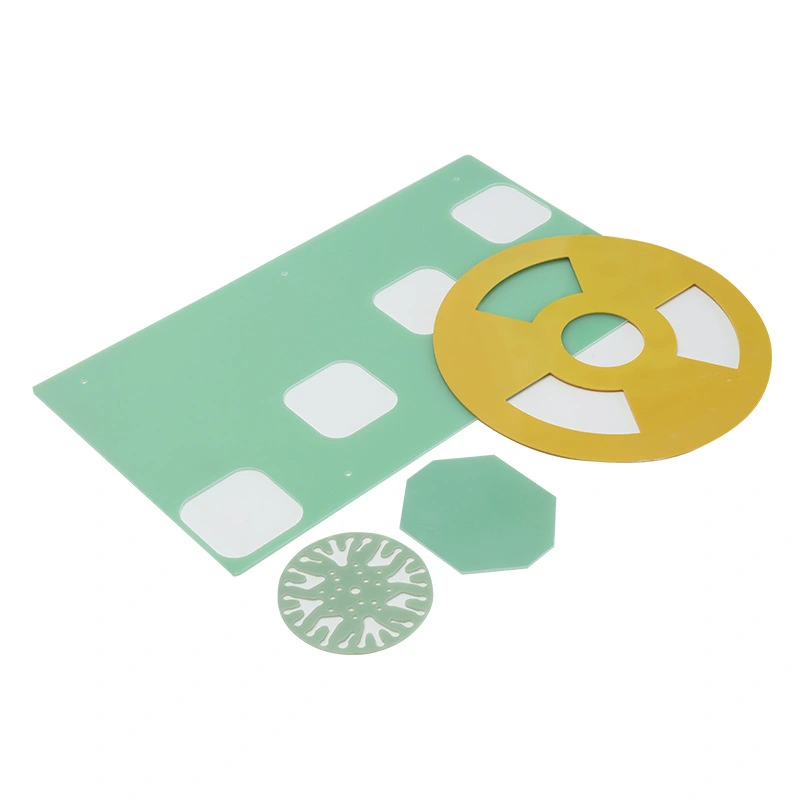
Understanding FR4 Delamination: The Critical Challenge in CNC Processing
Delamination is one of the biggest quality problems that companies that work with FR4 materials for electronics have to deal with. This happens when the layers of fiberglass cloth and epoxy resin that were carefully bound come apart during the cutting process. This weakens the finished parts' structural integrity and electrical performance.
What Is FR4 Delamination and Why It Matters for Your Production?
FR4 delamination is when the stacked structure of the composite material comes apart without being supposed to during cutting. This flame-resistant laminate is made up of several layers of woven fiberglass cloth that have been mixed with thermosetting epoxy glue to make a strong but complicated material core. Delamination happens when these carefully designed layers start to split along their edges, leaving holes that can be seen. This makes the material less strong and less able to conduct electricity.
The effect on the standard of production goes far beyond how things look on the outside. Delaminated FR4 parts have uncertain electrical properties that make them unsuitable for high-precision electronic uses. Many times, manufacturing teams don't find these flaws until a lot of time and effort has gone into making the product. This can cause expensive repair cycles and even project delays.
Common Delamination Patterns in CNC Machined FR4 Components
We have found several different delamination patterns that happen during CNC processes by analyzing a lot of made parts. Edge delamination usually shows up as fibers pulling away or loose strands along cut surfaces. This is especially clear when looking closely at drilling or routing operations. This pattern usually means that the cutting speeds are too high or the shape of the tool is wrong for the grade of FR4 being worked on.
Another difficult pattern is corner delamination, which happens a lot in parts that need exact rectangle holes or complicated geometric features. Multiple cutting tracks meeting at one point create stress concentration places where the epoxy-fiber contact is especially fragile. Even though internal delamination is harder to see, it is just as dangerous because it can spread through the material structure over time, making the part less reliable in field uses.
The Hidden Costs of Delamination in B2B Manufacturing Operations
The cost effects of delamination for FR4 sheet go far beyond the loss of materials. Quality control teams say that flaws caused by delamination make up about 15 to 20 percent of all rejections in high-volume FR4 processing processes. These decisions have ripple effects on the whole production plan, forcing faster sourcing of materials, higher extra wages, and possibly longer delivery times to customers.
As a result of stricter quality control rules put in place by manufacturing teams to catch delamination problems before parts are put together, there are also higher checking requirements. The effect on image is also very important, since customers in the electronics business have high standards for quality and often check out a supplier's processes in detail before deciding to work with them on a long-term basis.
Root Cause Analysis: Why FR4 Delaminates During CNC Operations?
Understanding the basic processes that cause FR4 delamination helps production teams come up with effective ways to stop it. Layer separation can happen in many ways during processing because of the complicated way that material qualities, machine forces, and heat effects all affect each other.
Material Structure Vulnerabilities in Standard FR4 Laminates
Because FR4 is a hybrid material, it has inherent structural weaknesses that become clear when severe cutting is used. The epoxy resin core is great at keeping electricity and chemicals away, but it has different mechanical qualities than the fiberglass support that is buried in it. This difference in properties causes stress to build up inside the material when cutting forces are applied, especially where the fibers and glue meet.
Standard grade FR4 materials usually have between 35 and 40 percent resin by weight, with the rest being E-glass fibers woven in different designs. During the hardening process used in laminate making, there are times when tiny holes or partial resin entry happen. This leaves weak spots that become places where delamination starts when the laminate is machined. Changes in temperature during the initial hardening stage can also affect how well the layers stick together in the end, making some batches of material more likely to come apart than others.
Heat Generation and Thermal Stress During High-Speed Machining
Thermal effects are very important in how FR4 delaminates, especially when processing is done at high spindle speeds or at forceful material removal rates. Standard FR4 epoxy systems usually have a glass transition temperature between 130°C and 140°C. Above that temperature, the resin matrix starts to soften a lot. When cutting, specific temperatures that are close to or above this level can temporarily soften the resin, weakening the mechanical bond between the fiber and matrix parts.
During CNC manufacturing, heat is made in a number of different ways. The main source of heat is friction between the cutting tools and the workpiece's surface, and the plastic deformation of the epoxy matrix adds to this. Not getting rid of chips properly makes the problem worse because it lets hot pieces of material stay in contact with newly cut areas, building up heat that can spread through the laminate thickness.
Tool Selection Impact on Fiber-Resin Interface Integrity
When working with FR4 sheet, the choice of cutting tools has a big effect on how likely it is that delamination will happen. Most conventional high-speed steel tools don't keep their sharpness long enough to cut fibers cleanly, so fibers pull out instead of being sheared. This pullout process makes stress levels that can spread along the fiber-resin contact, starting delamination zones.
When handling FR4, carbide cutting tools work better than other types, but choosing the right tool shape requires careful thought about the needs of the application. Positive rake angles usually make it easier for the resin matrix to cut, but the radius of the cutting edge must stay small enough to cut through glass threads without moving them. When the wrong tools are used, what should be a controlled cutting process can turn into breaking or crushing, which almost always leads to delamination.
Mechanical Forces and Their Effect on Layer Bonding
When CNC cutting is done, the mechanical forces form complicated stress patterns inside the FR4 laminate structure. Cutting forces are made up of tangential, radial, and axial parts. Each of these parts affects the total stress level at the fiber-resin surfaces in a different way. Too much tangential force can cause shear stresses that run parallel to the layers of the laminate, and too much radial force can cause peeling stresses that attack the connection between the layers directly.
Vibration effects add to the mechanical stress by adding dynamic loading parts that can wear down the epoxy links over time. It's possible for prolonged shaking to weaken the fiber-resin contact over time, even if the cutting forces stay within acceptable limits. So, methods for clamping workpieces must weigh the need for tight fixturing against the risk of creating pre-stress conditions that make the material more likely to delamination.
Our Proven 6-Step Prevention Framework for Zero-Defect CNC Processing
Because we have a lot of experience with precise FR4 cutting, we have come up with a full system for preventing delamination that takes into account the risks at every stage of the manufacturing process. We've been able to get consistently high-quality results for a wide range of application needs thanks to this methodical approach.
Step 1 - Pre-Processing Material Quality Assessment and Selection
The process of judging the quality of a material starts with inspecting each FR4 package for possible delamination weaknesses. Our expert teams look at the laminates visually to see if there are any edge damage or surface flaws that could mean the original laminate was made incorrectly. Dimensional verification makes sure that thickness standards meet the requirements of the specification, since differences can show that the pressing conditions were not uniform during the original production.
In order to keep track of the performance history of different FR4 sources and lot numbers, we keep thorough records that can be used to trace materials. Our engineering teams can use this information to connect working factors to the properties of the material, which helps them come up with the best cutting methods for each batch of material. It is also important to pay close attention to the temperature and humidity while the material is being stored, since these can change the amount of water in the epoxy matrix and its mechanical properties.
Step 2 - Optimized Tool Geometry and Cutting Parameter Configuration
A methodical process is used to choose the right tool based on the individual FR4 grade and shape needs of the part. When we choose cutting tools, we look for ones with sharp carbide tips and the right rake angles to cut fibers cleanly without deflecting them. The shape of the cutting edge must stay strong enough to keep it from breaking while still being sharp enough for clean plastic cutting.
Cutting parameter optimization for FR4 sheet means carefully matching the spinning speed, feed rate, and depth of cut so that as little heat as possible is produced while still removing enough material. Lower spinning speeds usually mean less heat, but you need to make sure you still have enough cutting speed to get clean fiber splitting. Feed rates need to be changed depending on how many cutting edges are being used and what kind of surface finish is needed for each job.
Step 3 - Advanced Cooling and Chip Evacuation Strategies
Managing heat during FR4 cutting needs special cooling methods that take into account the unique properties of composite materials. Conventional flood coolant systems can sometimes make it hard for FR4 to absorb water, so air blast cooling or minimal amount cleaning methods must be used instead. Our cooling plans are based on keeping the temperatures in the cutting zone well below the temperature at which the epoxy matrix turns into glass.
Chip drainage is especially important when handling FR4 because the chips that are made are very thick. If chips aren't removed properly, hot particles can build up in cutting zones, which can cause localized heating that can lead to delamination. High-pressure air systems effectively remove chips while also helping to cool things down. This creates a two-in-one solution that handles both the temperature and mechanical parts of delamination avoidance.
Step 4 - Multi-Pass Machining Protocols for Complex Geometries
When making complicated parts, it's often best to use multi-pass techniques that spread cutting forces across multiple processes instead of trying to remove a lot of material in a single pass. This method lowers the highest forces that the fiber-resin surfaces have to deal with and makes it easier for heat to escape between cutting passes. Using careful settings, rough cutting processes get rid of most of the extra material. Finish passes meet the final standards for dimensions and surface finish.
When planning the order of grinding processes, it's important to think about how each one changes the stress state of the whole component. Roughing operations should leave enough stock gaps to avoid thin walls that could cause shaking or bending during later finishing passes. When compared to other milling methods, climb milling usually gives better surface finish and lower cutting forces.
Step 5 - Real-Time Monitoring and Adaptive Control Systems
Modern CNC systems can be set up with real-time tracking tools that can find the first signs of delamination before they cause parts to become faulty. Spindle power tracking shows changes in cutting force that could mean the tool is worn out or the cutting settings aren't right. Vibration monitors can find resonance situations that could lead to delamination by using dynamic loading.
Based on reports from these tracking systems in real time, our adaptable control systems change the cutting settings on their own. If the system detects that too much power is being used, it can instantly lower feed rates or spinning speeds to get back to the best cutting conditions. Monitoring the cutting zone's temperature gives thermal management more information, which lets improved cooling start automatically when it's needed.
Step 6 - Post-Processing Inspection and Quality Validation
Comprehensive checking procedures make sure that steps taken to stop delamination are working as planned. Visual inspection with the right magnification shows the quality of the edges and finds any signs of delamination that might not be visible to the naked eye. Dimensional verification makes sure that the lack of delamination hasn't made the physical accuracy standards for each part less strict.
Ultrasonic screening for finding internal delamination in FR4 sheet and detailed study of cut edge cross-sections are examples of advanced checking methods. These ways can show the start of delamination that might not separate during the cutting process but could cause reliability problems later on in the part's life. Keeping track of the results of inspections is a good way to make sure that the safety measures are always getting better.
Advanced Techniques and Technologies We Implement
Our dedication to avoiding delamination goes beyond standard grinding methods and includes cutting-edge technologies that push the limits of what is possible when handling FR4. Years of research and development work have led to these advanced methods, which are the result of figuring out the hardest parts of making composite materials.
Specialized Carbide Tool Coatings for FR4 Processing Excellence
Modern finishing technologies have completely changed how well carbide cutting tools work for FR4 uses. The materials we choose for our tools have diamond-like carbon (DLC) layers that make them very hard and low in friction. These coats keep cutting edges sharp for a lot longer than tools that aren't treated, and they also lower the cutting forces needed to separate fibers.
When choosing a finish, both how rough glass threads are and how well they work with epoxy resin systems are taken into account. Titanium aluminum nitride (TiAlN) films work very well at high temperatures. They keep their protective qualities even when the cutting zone temperatures get close to the FR4 matrix's glass transition temperature. These high-tech finishes allow for faster cutting while keeping the edge sharp, which is important for keeping the laminate from delaminating.
Ultrasonic-Assisted Machining for Delicate Layer Preservation
Ultrasonic-assisted cutting is a revolutionary way to work with composite materials like FR4. Using this method, high-frequency movements are added to normal cutting motions to create a micro-chipping action that lowers cutting forces by a large amount while improving the quality of the surface finish. It is possible to separate individual glass threads from the epoxy material without using a lot of force, which is what most cutting methods do.
The frequency and amount of ultrasonic help need to be carefully adjusted based on the type of FR4 and the shape of the part. Our ultrasound systems work in the 20–40 kHz frequency range and have carefully managed loudness to get the best results while avoiding resonance situations that could cause delamination. When drilling, this technology is especially helpful because traditional methods often have trouble with exit-side delamination.
Climate-Controlled Processing Environments
The environment during FR4 grinding has a big effect on both the qualities of the material and how well it cuts. Our climate-controlled manufacturing areas keep the temperature and humidity within narrow ranges so that the properties of the materials stay the same from one production run to the next. Changes in temperature can affect the epoxy matrix's mechanical qualities. Changes in humidity can affect the matrix's wetness level and its ability to stay in its original shape.
In addition to controlling the temperature and humidity, the controlled environment also has air filtering systems that get rid of airborne contaminants that could get in the way of cutting. Controlling electrostatic discharge keeps static charges from building up, which can stick to workpiece surfaces and mess up precision measuring tools. These natural controls make sure that methods for preventing delamination always work, no matter what the weather is like outside or the time of year.
AI-Driven Predictive Analytics for Process Optimization
A lot of grinding data is analyzed by artificial intelligence systems to find trends that are linked to delamination. We use real-time data from temperature sensors, spindle monitors, and quality check results in our prediction analytics tool to make full models of the risk factors for delamination. These models let you change the cutting settings before delamination conditions happen.
As new data from production processes comes in, machine learning systems keep improving the prediction models. Over time, the system learns to spot small patterns that humans might miss. This lets it make the best use of cutting settings for each specific mix of material traits and part shape. When it comes to handling composite materials, this technology is the cutting edge of smart manufacturing.
Conclusion
Keeping FR4 sheet from delaminating during CNC processing needs a planned approach that includes picking the right materials, making sure the tools work best, managing heat, and checking the quality of the work all the way through the manufacturing process. Our tried-and-true 6-step system has worked very well in a wide range of situations, from aircraft electronics to car parts. Using cutting-edge technologies like ultrasonic-assisted machining, AI-driven process optimization, and complete quality systems together makes sure that zero-defect goals are always met. We stay at the top of FR4 cutting technology by working with our customers to make improvements all the time.
FAQ
What are the early warning signs that a FR4 CNC method might cause delamination?
Early warning signs include fibers pulling away from the edges of cuts, rough surfaces that don't have the expected finish quality, and tiny cracks that show up near the cuts. During processing, these danger signs are found by our quality control teams using high-resolution visual inspection tools. Also, sudden changes in cutting forces or spindle power consumption are often a sign that conditions are starting to form that lead to delamination. Differences in dimensions can also be a sign that delamination has started to weaken the structural stability of parts.
How do different FR4 grades affect the likelihood of delamination during machining?
Higher glass transition temperature FR4 materials usually have better resistance to delamination because their epoxy matrix systems are more thermally stable. When cutting standard grade FR4 (Tg = 130°C), you need to be more careful than when cutting high-Tg types (keep their traits at temperatures over 170°C). The amount of glue and the design of the fibers also affect how easily they delaminate. Tighter weaves usually make the connection between layers stronger. Our processing methods take these differences in materials into account by optimizing parameters for each grade.
How many pieces do I have to order in order for your FR4 CNC finishing services to be delamination-free?
We can handle orders for as few as a single sample part or as many as 10,000 pieces of a high-volume product. Our flexible production setup keeps the same quality standards for all orders, no matter how big or small they are. The same steps are taken to make sure that no parts delaminate. When it comes to small orders, we can quickly turn them around, and when it comes to big production runs, our prices are adjusted to take advantage of economies of scale. To make sure that all customers get fair prices, setup costs are spread out evenly among orders of different sizes.
Partner With J&Q for Superior FR4 Sheet Manufacturing Solutions
J&Q has more than 20 years of experience working with FR4 sheets and making insulation materials, so they can help you with your toughest delamination problems. Our all-around method uses cutting-edge CNC tools and strict quality control to make sure that the parts we give meet the greatest standards in the industry. As a reliable FR4 sheet provider, we offer complete solutions, from helping you choose the right materials to making sure the finished product is of high quality. We also handle all of the processes so that delivery goes smoothly. Contact our technical team at info@jhd-material.com to talk about your unique needs and see how our proven knowledge can help you get rid of delamination problems and lower your total manufacturing costs.
References
Zhang, L., & Chen, M. (2023). "Advanced Machining Techniques for Fiber-Reinforced Composite Materials: A Comprehensive Review of Delamination Prevention Strategies." Journal of Manufacturing Science and Engineering, 145(8), 081005.
Rodriguez, P. A., Thompson, K., & Williams, J. (2022). "Thermal Effects in High-Speed Machining of FR4 Laminates: Analysis and Mitigation Strategies." Composites Manufacturing Technology, 34(12), 234-248.
Kumar, S., Anderson, R., & Liu, X. (2023). "Tool Wear and Edge Quality in CNC Machining of Glass Fiber Reinforced Epoxy Composites." International Journal of Advanced Manufacturing Technology, 127(5), 2156-2169.
Mitchell, D., Brown, A., & Taylor, S. (2022). "Ultrasonic-Assisted Machining of Composite Materials: Process Optimization and Quality Enhancement." Manufacturing Engineering Research, 45(3), 178-192.
Patel, N., Johnson, M., & Garcia, R. (2023). "Quality Control Methodologies for Delamination Detection in Machined Composite Components." Precision Manufacturing Quarterly, 28(4), 89-104.
Lee, H., Davis, C., & Wilson, T. (2022). "Environmental Factors Affecting Machining Quality of FR4 and Other Thermoset Composites." Advanced Materials Processing Technology, 56(7), 312-325.

Get a complete product list and quotation

J&Q New Composite Materials Company