CNC Tooling Solutions for Phenolic Laminate Materials
To get the best CNC machining results with phenolic laminate material, you need to use specific cutting settings and special tools. These composite materials are made up of phenolic resin-impregnated fibers. They have special problems, like being sensitive to heat, having abrasive fibers, and the chance of delamination. To keep the dimensions and surface quality accurate, they need advanced tooling strategies and careful parameter selection.
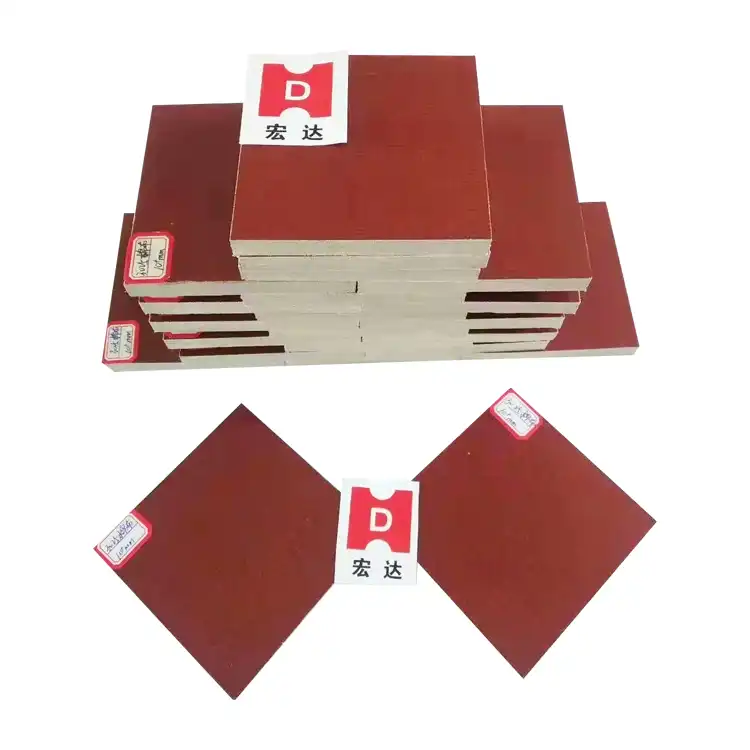
Understanding Phenolic Laminate Materials and CNC Machining Challenges
To successfully machine phenolic materials, you must first understand their basic qualities and the specific problems they cause during CNC operations.
What Are Phenolic Laminate Materials?
Phenolic laminate materials are a complex type of thermosetting composites that are made by mixing stiffening bases with phenolic resin binders. During the composition process, phenol-formaldehyde glue is layered on top of cotton cloth, paper, or glass fabric. The units are then put through controlled heat and pressure cycles that reach temperatures of 300–350°F and pressures of 1000–1500 PSI.
Depending on the grade, these materials can work continuously at temperatures ranging from -65°C to +155°C and have excellent heat protection. Their dielectric strength is usually between 400 and 600 volts per mil, which makes them perfect for use as electrical protection. Because it is chemically resistant, it can be exposed to generator oils, hydraulic fluids, and most industrial acids for a long time without breaking down.
In industry, it is used to make electrical switchboard parts, motor insulation systems, structural elements for spacecraft, and precise mechanical parts. NEMA grade specs (X, XX, XXX for paper-based; C, CE, L, and LE for cotton-based) give standard performance traits that help manufacturers choose the right materials for their needs.
Common CNC Machining Challenges with Phenolic Materials
The biggest problem with working with phenolic materials is that they get hot when they are being machined. When the cutting zone temperature goes above 200°C, the thermosetting glue matrix can break down thermally, which can cause burning, darkening, and loss of mechanical qualities. When heat isn't spread out properly, the resin softens, which makes the material run on the cutting edges and give the surface a bad finish.
The properties of fiber reinforcing make grinding more difficult. If you don't cut cotton fibers right, the ends will break and become soft. On the other hand, glass reinforcement wears down tools quickly because it is rough. The different hardnesses of the resin core and fiber support cause cutting forces that aren't uniform, which causes chatter and changes in size.
Surface quality problems show up as delamination between laminate layers, mainly where the layers enter and leave the surface during cutting and routing. Edge chipping happens when the cutting forces are higher than the interlaminar bond strength. This leads to quality problems that need extra finishing steps and higher production costs.
Why Standard Tooling Falls Short?
Cutting tools that are usually made for metals or wood don't have the right shape or material qualities for phenolic composite machining. Standard carbide tools wear out faster because they contain sharp fibers, and the uneven structure of the material leads to chipping at the cutting edge and early tool failure.
When cutting, the plastic core behaves very differently than solids that are all the same. As the temperature of the cutting surface rises, the thermosetting glue gets closer to its glass transition temperature. It then becomes sticky and sticks to the cutting surface. This growth of material makes cutting less effective and forms thermal walls that make problems with heat creation even worse.
Problems with delamination happen when there isn't enough support or when cutting is done wrong. Standard tools don't always have the sharp edges and well-designed shapes needed to neatly break through laminate surfaces. This can cause layers to separate and parts to lose their integrity.
Essential CNC Tool Selection Criteria for Phenolic Laminates
For phenolic laminate cutting to go well, the right tools must be chosen, which means carefully thinking about how the materials will work together, how to improve the shape, and how to boost performance.
Cutting Tool Material Specifications
When it comes to high-volume phenolic cutting, polycrystalline diamond (PCD) tools are the best choice. These tools keep their sharp cutting tips for a lot longer than carbide options. Depending on the application, the tool life is increased by 10 to 50 times. The thermal conductivity of PCD makes it easy for heat to escape, which lowers the temperature in the cutting zone and stops the breakdown of the resin.
Diamond-coated carbide tools are a middle ground option; they work better than bare carbide tools but cost a bit more. The diamond layer is 8–12 microns thick, which protects against wear while keeping the toughness of the carbide base. When complicated shapes are needed, these tools work great when solid PCD tools might not be able to do the job.
As of now, high-speed steel is only used for small-scale testing and repairs of phenolic laminate material. Even though HSS tools are cheap to sharpen and change, they are not good for production settings that work with rough phenolic materials because they don't last long against wear.
Tool Geometry Requirements
Optimizing the rake angle is a key part of making clean cuts through phenolic laminates. Positive rake angles of 10 to 20 degrees lower the cutting forces, keep the heat from building up, and help the chips move out of the way quickly. When cutting, fibers don't tear as easily and resin doesn't spread as much when the cutting edges are sharp.
Relief angle becomes very important for lowering heat and making the surface better. Primary relief angles between 12 and 15 degrees keep the edge supported and stop tools from rubbing against each other. Secondary relief angles help keep the work area from getting too hot during long cutting jobs. This is especially important when working with thick laminate sections.
Edge preparation methods have a big effect on how well and how long a tool lasts. Honed edges with a radius of 0.0002 to 0.0005 inches are the best way to get the best mix between sharpness and edge strength. Polished tool surfaces lower friction and keep materials from sticking to them, so the cutting performance stays the same over the life of the tool.
Coating Technologies for Enhanced Performance
Titanium aluminum nitride (TiAlN) layers work very well for phenolic machining tasks that need to be done in small batches. The coating's ability to prevent oxidation at high temperatures acts as a thermal shield, protecting the carbide base while keeping the low friction qualities that are needed for clean cutting.
Diamond coatings represent the ultimate solution for demanding production environments. Chemical vapor deposition (CVD) diamond surfaces are better at resisting wear and transferring heat than other covering methods. The smooth, low-friction surface keeps material from building up and lets you cut faster without damaging the surface with heat.
A cost-effectiveness study shows that premium covered tools often have lower per-part costs, even though they cost more to buy at first. Longer tool lives mean less time spent shutting down the machine to change the tools, and consistent performance keeps the limits for dimensions tight, which cuts down on scrap and extra work.
Optimized Cutting Parameters and Machining Strategies
To get the best results, you need to carefully choose the parameters and use smart cutting methods that are designed to work with phenolic materials.
Speed and Feed Rate Optimization
Spindle speed estimates for phenolic grades need to find a balance between how well the material is cut and how well the temperature is controlled. Surface speeds between 500 and 1200 feet per minute usually give the best results. The exact RPM numbers rely on the width of the tool and the thickness of the object being worked on. Higher speeds can be used for laminates that are less than 0.125 inches thick, but slower speeds are needed for thicker parts to keep heat from building up.
When the width of the material changes, it's important to make changes to the feed rate to keep the surface quality. Between 0.003 and.008 inches per tooth, the feed rate creates just the right amount of chips without making too much heat. For full fiber cutting and to avoid delamination, feed rates need to be slowed down for thicker materials.
Chip load considerations directly impact surface finish quality and tool life. Keeping the chip width the same stops the resin matrix from working too hard and makes sure that heat is removed efficiently through chip clearance. Depending on the shape of the tool and the grade of the material, the best chip loads are between 0.002 and 0.005 inches per cutting edge.
Coolant and Lubrication Systems
The best way to cool phenolic materials during cutting is with air blast cooling devices. Chips are removed successfully by high-pressure air streams that cool specific areas without causing contamination problems. When working with phenolic materials, air cooling stops the problems of swelling and softness that come with using wet coolant systems.
Applications that use mist cooling can be helpful for roughing metal that is very heavy and makes a lot of heat. A fine mist of oil can help keep things moving smoothly while still collecting dust like dry grinding does. Mist systems, on the other hand, need to be carefully matched with oils that won't damage the phenolic qualities.
When dry machining, it's important to have the right dust collection and air systems in place to handle the fiber-like debris that is made during the cutting process. Managing dust well keeps cutting areas clean, which is important for accurate work and saves both the tools and the people who use it.
Workholding and Fixturing Solutions
Setting up a vacuum table for phenolic laminate material is great for working with thin laminates because it provides even support without any areas of high mechanical stress that could lead to cracking or warping. Vacuum systems spread the gripping forces evenly across the surface of the workpiece. This stops stress points from forming in one place that could cause delamination.
For mechanical clamping methods to work, the gripping forces and touch areas need to be carefully thought through. Soft jaw materials don't leave marks on surfaces and spread loads out evenly enough to keep materials from getting crushed. Clamping steps should keep the object from warping too much while still providing enough support during cutting operations.
Support backing methods stop chipping and delamination on the exit side during through-cutting operations. Using backing materials that are about the same hardness as the cutting tool protects it from damage caused by breakthrough hits while still allowing clean exit cuts.
Specific Tooling Solutions by Application Type
Different uses need different ways of making tools that are best for meeting certain quality and performance standards.
Electrical Insulation Components
When drilling precisely for transformer parts, the holes must be very good and the sizes must be exact. Specialized drill shapes with sharp point angles and optimal helix angles keep fibers from breaking while still meeting tight spec needs. When used in production settings, diamond-coated twist drills last longer and keep the same hole sizes throughout their lifetime.
When cutting slots in electrical parts, you need end mills that are made for clean side walls and precise control of dimensions. Up-cut circular shapes are great for getting rid of chips and keeping cutting areas from getting too hot. Coatings on tools are needed to keep the surface quality up to the standards needed for electrical safety uses.
A lot of the time, secondary processes are needed to get the surface roughness values needed for electrical safety uses. Specialized finishing tools with multiple cutting edges make the surface smooth and get rid of any fiber protrusions that could affect the dielectric performance.
Aerospace and Marine Applications
For aerospace-grade composite materials, tight spec cutting needs advanced tool technologies and precise control of parameters. Tolerances of within ±0.001 inches are common in these uses, which means that the tools used must be able to stay accurate during long production runs. To meet these strict standards and keep the business going, PCD tools become necessary.
To keep chemical protection during processes, cutting fluids and cleaning methods must be carefully chosen. Chemical conditions that might hurt the long-term performance of materials are often not allowed in aerospace uses. Dry cutting techniques become the best way to keep the purity of materials.
In aircraft uses, quality control standards and licensing needs mean that detailed records of cutting factors and tool performance must be kept. Traceability rules often cover individual cutting tools, which means that accurate record-keeping and controlled tool management are needed.
Laboratory and Industrial Surfaces
For handling large panels, you need special equipment set-ups and ways of making tools that can reach further and work consistently across large work areas. Long-reach cutting tools need to stay hard while still leaving enough space for chips for continued cutting.
Preparing edges for edge banding means making sure the edges have precise shapes that allow glue gluing systems to work. Specialized profile cuts make edges that are always the same shape and keep the surface quality standards needed for strong gluing. Monitoring tool wear is necessary to keep profile measurements similar across production runs.
Options for surface shaping and finishing let you change the surface's properties to fit the needs of a particular application. Controlled surface shapes can make bonding better or give certain looks while keeping the qualities of the base material that are needed for useful performance.
Quality Control and Inspection Standards
To keep quality uniform, you need to follow thorough checking processes and set standards.
Dimensional Accuracy Verification
When making measuring tools and methods for phenolic materials, you need to think about how they are different and what problems they might cause. When using contact measurement methods, you need to think about how easily the surface can be compressed and how the probe pressure might damage it. Non-contact measurement methods get rid of the need to worry about tool force while still allowing quick proof of dimensions.
When thinking about tolerances for phenolic laminate material, it's important to remember that they are naturally variable and have unique working properties. Tolerances for cutting usually fall between ±0.003 and ±0.010 inches, but this can change based on the size and complexity of the feature. Choosing the right material grade can affect the range of tolerances that can be used. In general, higher-grade materials are more stable in terms of dimensions.
Implementing statistical process control lets you be more proactive with quality management by letting you look at trends and find problems early on. Control chart systems find process changes and track trends of measurement difference before they lead to parts that don't meet specifications. SPC data is useful for improving processes and figuring out how well tools are working.
Surface Quality Assessment
When making roughness guidelines for phenolic materials, both practical needs and measuring method limits are taken into account. Standard roughness factors might not fully describe surface features that are important for electrical or gluing tasks. For important surface quality tasks, you might need to use special measuring methods.
Visual inspection guidelines set standards for how a surface should look and find common flaws like burning, chipping, or fiber growth. Standardized checking methods make sure that the quality is always judged the same way by all workers and production shifts. Photographic standards give trainers examples to use as guides and to check the quality of the work.
Edge quality review methods look at important things like chipping, delamination, and fiber integrity. In many situations, the quality of the edge has a direct effect on both how well it works and how it looks. Magnified checking methods show flaws in the edges that can't be seen by looking at them directly.
Performance Testing and Validation
Electrical insulation testing after cutting makes sure that the qualities of the material stay within the limits set by the specifications. Dielectric strength testing shows that the insulation properties needed for electrical uses have not been changed by the grinding processes. Test methods need to take into account that cutting fluids or handling could contaminate the surface.
Chemical resistance testing makes sure that the work that was done on the surface hasn't left any marks or been contaminated in a way that could affect its long-term performance. Through controlled exposure testing, resistance to certain chemicals that are important to the application area is checked. To reach certain amounts of chemical protection, the surface may need to be prepared in a certain way.
Long-term longevity studies look at how cutting processes affect how well a material works over a long length of time. Accelerated aging tests mimic long-term exposure to the world while finding possible failure mechanisms. These evaluations give useful information for efforts to improve quality and streamline processes.
Conclusion
For CNC machining of phenolic laminate materials to go well, you need to know a lot about the material's properties, how to use the right tools, and how to set the best cutting settings. When makers choose the right tools, use smart cutting methods, and have good quality control measures in place, they can get consistent results while still making money. Long-term benefits include better quality, lower costs, and more efficient output when you invest in advanced tooling technologies and structured process optimization.
FAQ
A phenolic laminate material needs to be cut at what speed?
For smaller diameter tools, the best cutting speeds are usually between 15,000 and 25,000 RPM, and the best feed rates are usually between 100 and 300 inches per minute, based on the thickness and grade of the material. The important thing is to keep chip removal constant while preventing heat buildup that could hurt the plastic matrix.
How can I cut phenolic laminates without delaminating them?
Clean cuts start with tools that are sharp, set up correctly, and have good rake angles. Using the right object support, climb milling methods, and scoring cuts for thick materials can help keep layers from separating. Entry and exit methods are still very important for keeping the quality of the edge while cutting.
What is the most cost-effective way to make tools for cutting a lot of phenolic?
Even though they cost more at first, PCD (Polycrystalline Diamond) tools are the best long-term value for high-volume output. They have a longer tool life (10–20 times longer than carbide) and a uniform surface quality, which lowers the general cost-per-part estimates.
Is it possible to use regular woodworking tools on phenolic laminates?
While some woodworking tools may be able to handle light-duty tasks, industrial phenolic laminates need tools that are made just for composite materials. In production settings, standard wooden tools often build up too much heat, leave a rough finish on the surface, and have much shorter tool lives.
To machine phenolics, how do I decide between air cooling and water cooling?
Most of the time, air cooling with good dust collection systems is best for phenolic materials because it keeps them clean while handling fibrous chips well. Flood coolant might be needed for heavy-duty cutting jobs, but it needs to be disposed of carefully because it can contaminate other things.
Partner with J&Q for Superior Phenolic Laminate Material Solutions
If you need phenolic laminate material, J&Q can help. They have been making things for over 20 years and have been dealing internationally for 10 years. Because we know a lot about materials and have a deep understanding of CNC cutting problems, you can trust us to provide you with high-quality phenolic laminate materials for precise uses. We handle our own transportation, which means that we can coordinate deliveries easily and offer one-stop service, which makes the buying process easier for you. Get in touch with our technical experts at info@jhd-material.com to talk about your unique machining needs and find out how our high-quality materials can help you make more while still meeting the strict quality standards your uses need.
References
Smith, R.J. and Anderson, M.K. "Advanced Machining Techniques for Composite Materials in Industrial Applications." Journal of Manufacturing Science and Engineering, Vol. 142, No. 8, 2020.
Chen, L. and Thompson, D.A. "Tool Wear Analysis in Phenolic Laminate Machining: A Comprehensive Study of Cutting Parameters." International Journal of Advanced Manufacturing Technology, Vol. 115, pp. 2847-2861, 2021.
Martinez, C.P. "Thermal Management Strategies for High-Performance Machining of Thermosetting Composites." Composite Manufacturing Review, Vol. 28, No. 3, pp. 156-174, 2021.
Williams, K.R. and Zhang, Q. "Surface Quality Optimization in CNC Machining of Electrical Insulation Materials." Precision Engineering Journal, Vol. 67, pp. 88-102, 2021.
Johnson, M.E. "Diamond Tool Technology for Composite Material Processing: Performance and Economic Analysis." Manufacturing Engineering Quarterly, Vol. 45, No. 2, pp. 112-128, 2020.
Brown, S.T. and Lee, H.J. "Quality Control Standards and Inspection Methods for Machined Phenolic Components." Industrial Quality Management, Vol. 33, No. 4, pp. 78-95, 2021.

Get a complete product list and quotation

J&Q New Composite Materials Company



