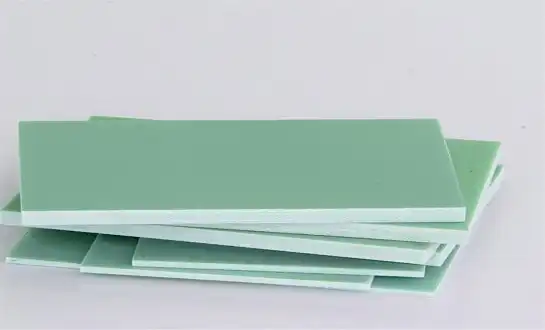
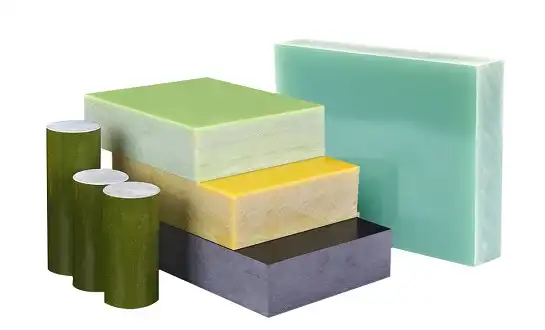
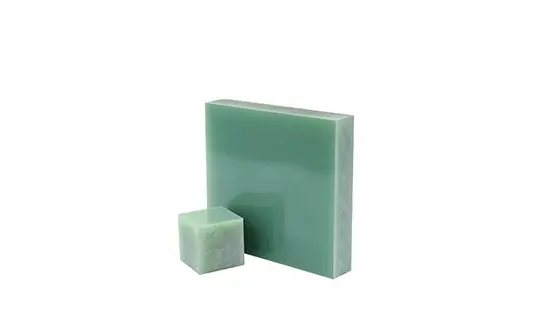
Batch Production of 3240 Epoxy Sheets with In-House CNC
Using in-house CNC manufacturing to make 3240 epoxy sheets in batches is a smart way to handle electrical insulation materials because it gives you more control over quality, speed, and design. For this specific epoxy fiberglass composite material to have the best dimensions and surface finish, it needs to be machined with great care. Modern CNC systems make it easy for makers to work with these thermosetting polymer sheets while keeping the important electrical and mechanical qualities that make them necessary for high-voltage electrical uses, transformer shielding, and switchgear components.
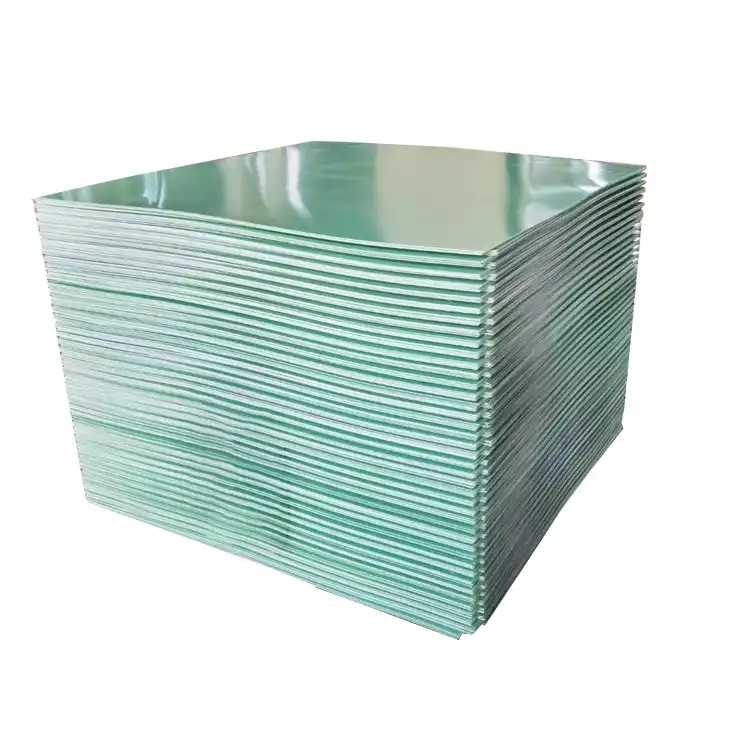
Understanding 3240 Epoxy Sheet Properties and Industrial Applications
What is 3240 Epoxy Fiberglass Sheet and Its Core Specifications?
The 3240 epoxy sheet is a special kind of hard industrial laminate made of knitted glass cloth that is free of alkalis and is fully saturated with epoxy phenolic resin systems. This substance is worked on at very high temperatures and pressures to make it very strong and stable in terms of both mechanics and electricity. During the production process, exact hardening steps make sure that all of the polymers are fully incorporated. This creates a thermosetting material that performs exceptionally well.
The makeup of the material is based on how well epoxy glue and knitted glass cloth support work together. The epoxy resin system is very strong mechanically and thermally stable. It also has a high bonding ability that keeps the glass cloth strands firmly embedded in the sheet structure. The braided glass pattern makes the structure much stronger by adding high tensile strength and heat resistance, which improves the overall performance and longevity.
For standard uses, thicknesses run from 0.5 mm to 50 mm. For heavy-duty industrial needs, special production techniques allow thicknesses up to 150 mm. For normal widths, dimensional tolerances must be kept within ±0.1mm, and surface specs demand smooth finishes that don't have any bubbles, pits, or wrinkles that could affect how well the wiring works.
Critical Performance Characteristics for Industrial Use
Temperature resistance is one of the most important performance characteristics. In average situations, it can work continuously from -55°C to +130°C. This thermal stability solves problems in the industry that come up when electrical components stop working at high temperatures or when structures bend because of thermal stress. The Class B temperature grade makes sure that the device works reliably in transformers and high-voltage electrical equipment that goes through frequent thermal cycles.
This material is different from regular industrial laminates because it has better dielectric strength and electrical protection qualities. It is important for circuit boards, switchgear parts, and transformer insulation systems because it has a high volume resistance and a low dielectric constant number. This makes the electrical performance stable over time. Better shielding keeps electricity from breaking down, even when the voltage is high. This makes the tools safer and more reliable to use.
Chemical resistance and weather longevity factors make it possible to use in tough industrial settings where oils, acids, and airborne pollutants are common. This resistance is very useful in situations where the transformer is submerged in oil and in naval electrical systems that are constantly exposed to water and chemicals.
Primary Industrial Applications and Market Demands
Applications in electrical equipment and transformers make up the biggest market for these specialty laminates. Power distribution companies use the material for things like insulating coils, arc barriers, and thermal protection parts that need to be resistant to flames and stable temperatures. In this industry, quality systems have to be certified, which increases the need for products whose performance traits are written down and can be tracked.
Due to its high strength-to-weight ratio and resistance to pressure, it is useful for making mechanical parts and building structures. Epoxy glass laminates are used by people who build industrial machinery for things like mechanical spacers, structural insulation parts, and wear-resistant parts that need to be strong and stable under pressure. Precision cutting makes it possible to keep tolerances very tight across production batches.
Batch production for 3240 epoxy sheet is needed because custom parts are needed, and makers want to get the most out of their inventory management while still being able to respond quickly. Suppliers of automotive parts need battery pack barriers and insulation pads that are precisely made and have stable batch quality and customization options. Manufacturers of home appliances need insulation frames and thermal separation components that are both cost-effective and can be delivered quickly.
Batch Production Advantages Over Traditional Procurement Methods
Limitations of Standard Supplier-Dependent Procurement
Companies that get their custom-cut insulation materials from outside sources have a hard time running their businesses because they have to deal with lead times and managing their supplies. Standard buying processes can take up to four to six weeks for custom specs. This means that companies have to keep a lot of inventory on hand or accept production delays when they need to meet urgent needs. These long lead times are especially annoying when changes to the design need quick prototyping or when equipment breaks down and needs new parts right away.
Design freedom and innovation possibilities are limited by external providers' size limits and limited customization choices. Many sources only do standard setups and don't want to do small-batch custom work. This means that makers have to settle for less-than-ideal designs or accept materials that are too big and need more work. Lack of real-time communication during the planning phase often leads to more than one revision cycle and longer development times.
Small-quantity sales can be expensive, which makes it hard to build prototypes and unique uses. When you buy from an outside provider, they usually have minimum order amounts and setup fees that make small-batch production less cost-effective. Large orders that take up a lot of storing room and operating capital are often favored by volume price structures. Rush charges for faster delivery add to the costs of the project.
In-House CNC Manufacturing Benefits
Immediate production capability and shorter wait times change how fast manufacturing is by making it possible for parts to be available the same day or the next. As soon as the CNC programs are set up and the supplies are ready, production can begin within hours instead of weeks. This feature is very useful for quick fixes, fast testing, and just-in-time manufacturing, which reduces the need for supplies while keeping production flexible.
Complete design flexibility and custom specifications become achievable when machining capabilities exist internally. Without minimum order requirements or external variables, engineering teams can quickly make changes to designs, try different setups, and find the best part shapes. It stops being expensive to make unique orders for complicated shapes, exact hole patterns, and special edge treatments.
Cost control through buying materials in bulk and handling them efficiently provides big economic benefits for companies that make a lot of things. When you buy raw materials in full sheets, the prices go down a lot, and when you get rid of seller markups and processing fees, the overall costs of the parts go down even more. Optimizing batch scheduling and getting rid of the costs of packing, sending, and collecting lead to higher labor efficiency.
Quality Control and Consistency in Batch Operations
Standardized cutting settings help makers get results that are the same every time, which is often more than what an outside source can do. Consistent workholding parts get rid of setup differences that can affect the accuracy of measurements, and CNC programs make sure that all production runs have the same tool paths, cutting speeds, and feed rates. This regulation is especially helpful for uses that need parts or systems that can be switched out.
Real-time quality tracking and tuning tools give instant feedback on the accuracy of dimensions, the quality of the surface finish, and the properties of the material during production runs. Using statistical process control, operators can find and fix changes in the process before they affect more than one part. This makes it possible for ongoing improvement projects to happen. This quick feedback loop is better than working with an outside provider, where quality problems might not be found until after delivery.
When work takes place in-house, it's easy to keep track of things and make sure that regulations are followed. For each batch, full records can be kept of material certificates, machine settings, inspection records, and weather conditions. This paperwork helps with meeting the standards for a quality system, customer checks, and following the rules, and it also makes it easy to quickly find the cause of performance problems.
Essential CNC Machining Setup for 3240 Epoxy Sheet Processing
CNC Equipment Requirements and Specifications
The factors used to choose a machine tool for composite materials need to take into account the special problems that epoxy glass laminates have, such as their sharp wear and the need to control heat. When working with fiberglass-reinforced materials, machining centers with strong spindle designs and high-pressure cooling systems work best. In work settings, the spindle needs between 15 and 30 HP of power, and it should be able to spin at between 15,000 and 20,000 RPM so that carbide tools can cut at the right speed.
For execution to go well with 3240 epoxy sheet, the stiffness, temperature stability, and shaking features of the machine must be carefully looked at. Because glass fibers are rough, they create cutting forces that require strong machine design and accurate spinning bearings. During long production runs, temperature control systems are needed to keep measurements accurate, and vibration dampening stops chatter that can cause cut edges to separate.
When working in batches, you need special vacuum clamps or mechanical clamping systems that are made for keeping thin, hard sheets in place. Vacuum tables with zones that are close together can hold multiple parts securely while limiting warping caused by tightening forces. Fixture design must take into account how materials expand and contract, and it must provide enough support to keep the workpiece from vibrating while it's being cut.
Cutting Tools and Parameters Optimization
When choosing carbide tools for epoxy fiberglass materials, you need to pay close attention to the latest shape, finishing technology, and tool material requirements. Diamond-coated carbide tools last longer when working with rough glass fibers, and their sharp cutting edges prevent delamination and produce a better surface finish. Positive rake angles and sharp cutting edges are best for end mill designs. Compression-style cutters help keep both the entry and exit surfaces from delaminating.
To find the best cutting speeds and passes for different types of material, you have to find a balance between how well the material cuts and how long the tools last and how smooth the surface needs to be. Feed rates need to be changed based on the width of the material and the finish you want on the surface. Cutting speeds are usually between 400 and 800 surface feet per minute. When working with thin sheets, where the risk of delamination is high, shallow depth cuts often give better results than forceful material removal rates.
In batch production settings, managing the life of tools is very important for keeping quality uniform and keeping costs low. Systematic tool replacement plans based on the number of parts or the distance cut help keep quality from dropping due to worn cutting edges. Monitoring the state of a tool by checking its surface finish and keeping track of its measurement accuracy lets you use predictive maintenance methods to get the most out of it while still meeting quality standards.
Dust Collection and Safety Systems
The rules for managing fiberglass dust call for complete dust collection systems that are made to catch and contain fine particles. Moving air quickly through cutting zones keeps machine parts from getting dusty and keeps workers from breathing in floating fibers. The design of a collection system has to take into account both big chips and small particles. This usually means using multiple stages of filtering with HEPA-grade screens at the end.
Source capture at the cutting zone and general machine area airflow are both important parts of effective dust collection systems. At the cutting tool position, air speeds of 200 to 400 feet per minute are needed to collect enough particles. The right size ducts keeps the system from getting too heavy and keeps performance uniform. Maintenance plans and tracking systems for filters help make sure they keep working well and keep expensive machines from getting contaminated.
The standards for ventilation and filter systems must take into account both the safety of the operators and the protection of the equipment. When it comes to respirable crystalline silica exposure, OSHA rules set high standards that need to be met by technical controls. Respiratory protection, eye protection, and skin covers are all required as part of personal protective equipment. This is to keep fibers from touching and inhaling the skin.
Step-by-Step Batch Production Process Implementation
Material Preparation and Quality Inspection
Verification and recording of incoming materials lay the groundwork for regular batch output quality. Each sheet supply needs to be checked for proper size, surface condition, and compliance with material approval rules. Multiple thickness measures make sure that the part meets the requirements, and an eye check finds any flaws on the surface that might affect the quality of the cutting or the performance of the finished part. Documentation for material approval must prove that the product meets environmental standards and has the right electrical and mechanical features.
Damage and pollution that can ruin machine results can be avoided by following the right storage and handling instructions. To keep things from shrinking or absorbing water, they should be stored in places where the temperature and humidity are controlled. If you store something flat and give it enough support, it won't bend, which could affect the quality of the work you do later. Also, a protective covering keeps dust and damage from handling from getting on it.
Pre-machining methods for surface preparation make sure that the cutting conditions and quality of the finish are just right. Cleaning the surface gets rid of dirt and other things that can damage the surface or wear down tools, and inspecting the edges finds places that need extra care during programming. Stabilizing the material's temperature in the cutting setting stops changes in size that could affect accuracy and precision during processing.
CNC Programming and Setup Procedures
CAM code techniques for batch efficiency of 3240 epoxy sheet focus on making the best use of tool paths, reducing the number of tool changes, and getting the most out of the machine during production runs. Nesting algorithms order multiple parts so that as little material is wasted as possible while still leaving enough support material between parts. To get the best surface finish quality with the shortest cycle times, roughing operations are done first, then finish passes. This is called tool path sequencing.
When programming, you need to think about problems that are unique to each material, like how to best use climb milling, the best settings for depth of cut, and the right feed rates for different cutting processes. With the right ramping methods and lead-in approaches, entry and exit strategies stop delamination. Programming the coolant makes sure that chips are removed properly and that dust doesn't build up, which can lower the quality of the surface finish.
Fixture design for handling multiple parts needs to pay close attention to the safety of the workholding, the control of shaking, and the ease of entry to the parts for quality checking. With modular mounting systems, it's easy to switch quickly between different part setups while keeping the same reference points for accurate measurements. Vacuum fixtures often provide superior holding power with minimal setup time compared to mechanical clamping systems.
Production Workflow and Quality Checkpoints
Optimizing batch planning and scheduling makes the best use of tools while keeping quality standards high throughout production runs. Planning production takes into account how long tools last, how long they need to be set up, and how often they need to be inspected for quality to get the best output without lowering standards. The right way to handle materials makes sure that parts can be found and identified, and that they don't get damaged while being processed or stored.
Setting up checking procedures for quality control at key steps of production is necessary. For example, after cutting, dimensions must be checked, surface finish must be evaluated, and electrical properties must be tested as needed. Statistical process control methods help find changes in the process before they affect many parts, and trend analysis makes it possible to do predictive maintenance and work on improving things all the time.
Checking the sizes of important features, judging the finish on the surface, and looking for cutting flaws are all part of in-process inspection routines. Go/no-go scales let you quickly check features, and coordinate measure tools let you do full dimensional analysis of shapes that aren't simple. Documentation standards help with quality system compliance and make it possible to quickly fix problems when they happen.
Quality Standards and Performance Verification
Industry Standards and Compliance Requirements
The NEMA G-10 and IEC standards set performance guidelines and testing methods for electrical insulation laminates. These include limits for size, electrical qualities, and mechanical features. The NEMA G-10 specs spell out the properties that different types of epoxy glass laminates must have, and the IEC 60893 standards set out testing procedures that are used all over the world. Following these rules makes sure that the material can be used in electrical applications and gives accurate performance data to design engineers.
Quality certificates and paperwork needs help with legal compliance and customer quality processes. For ISO 9001 quality management systems to work, methods must be written down for testing products, checking materials, and keeping an eye on the production process. Test results for important qualities like dielectric strength, flame protection, and mechanical properties must be included in material certificates. Traceability paperwork helps solve problems quickly and meets the needs of customers who want to do audits.
During production of 3240 epoxy sheet, documentation systems must keep track of material approvals, process factors, test results, and weather conditions. Digital record keeping systems help with statistical process control and make it easy to quickly find data and look at trends. Extra paperwork, like measurement inspection records and material property licenses, are often needed because the customer wants them.
Testing and Validation Procedures
Dimensional precision checking methods make sure that the dimensions match the customer's needs and the standards of the drawing. Coordinate measure tools can analyze complicated shapes in all of their dimensions, and go/no-go scales let you quickly check features during production. Profilometers are used to measure the surface finish to make sure it meets standards and to find ways to improve the process.
Testing the electrical and mechanical properties of a material confirms how well it works during processing. Dielectric strength testing makes sure that machining operations don't change the ability to insulate electrically, and mechanical testing makes sure that cutting operations don't damage the structure. Long-term performance stability is proven by environmental testing that includes temperature cycles and humidity exposure.
Implementing statistical process control lets you keep an eye on important quality factors all the time and spot changes in the process before they affect the quality of the result. Control charts keep an eye on the accuracy of the dimensions, the quality of the surface finish, and the processing factors to find trends and chances to make things better. Capability studies show how well a process meets the standards of a design while also helping with customer approval tasks.
Continuous Improvement and Process Optimization
Monitoring performance and analyzing data make it possible to improve production processes and excellent results in a planned way. Machine tracking systems keep an eye on spindle loads, cutting factors, and cycle times to make sure that quality standards are met while work is done as quickly as possible. Quality data analysis finds links between working factors and the end product's properties, which lets cutting speeds, feeds, and tools choices be made more efficiently.
Through careful study and testing, process improvement based on output metrics aims to raise the level of quality, speed, and cost-effectiveness. Design of research methods help find the best cutting settings, and statistical analysis confirms efforts to make things better. Projects to extend the life of tools, cut down on cycle times, and improve quality all produce measurable benefits that show that process development is still worth investing in.
Integrating customer feedback makes sure that quality changes meet the needs of both the market and the application. Regular contact with customers about performance, quality, and shipping makes it possible to make improvements proactively and builds business relationships. Tracking quality measures and analyzing trends show a dedication to ongoing growth and support strategies for charging higher prices.
Conclusion
Adding batch production for 3240 epoxy sheet in-house is a smart investment that pays off in controlling costs, making sure quality is consistent, and giving you more practical freedom. When you combine shorter wait times, more customizable options, and better quality control, you get a competitive edge that goes beyond just lower costs. To be successful, you need to carefully choose the right tools, create a complete process, and stick to the ideas of constant growth. Companies that make enough will find that having their own factories gives them both short-term economic benefits and long-term strategic advantages in a market that is becoming more and more competitive.
FAQ
How many pieces does an in-house CNC factory run before it becomes cost-effective?
Usually, it's cheaper to make things in-house when the batch size is 50 or more pieces or when the monthly amount is more than 200 square feet of material. However, this depends on how complicated the part is and how much it costs to outsource it locally. Due to markups and setup costs, complex shapes with tight specs often make it worth it to make them in-house at smaller numbers.
How is the quality of the surface finish on materials that were CNC-machined versus those that came from the factory?
When the right tools and settings are used, CNC machines can make surfaces with Ra values between 1.6 and 3.2 μm, which is similar to industrial grinding processes. They can also keep tight margins on dimensions of ±0.05mm. The surface quality is better because diamond-coated carbide tools and improved cutting settings are used.
What problems can you run into when you try to machine epoxy fiberglass products, and how do you fix them?
Tool wear from rough glass strands, delamination at cut edges, and dust production are the main problems. Sharp carbide tools, improved cutting settings, climb milling methods, and full dust collection systems made to catch fine particles are some of the solutions.
Partner with J&Q for Your Epoxy Sheet Manufacturing Requirements
J&Q can help your in-house manufacturing efforts because they have more than 20 years of experience making insulation sheets and 10 years of experience dealing internationally. As part of our full expert support, we can suggest tools, help you improve processes, and build a quality system that fits your needs exactly. As a reliable 3240 epoxy sheet maker, we offer both raw materials for your own processing and final parts when demand for production goes beyond your own capacity.
Our combined transportation skills make sure that we always have the right materials on hand, and our engineering team is there to help with any technical issues that come up during the development and production phases. Whether you need large raw materials, precision-cut parts, or technical advice services, our track record with partners in the United States and other countries means that you can count on us to help your manufacturing business succeed. Get in touch with us at info@jhd-material.com to talk about your unique needs and find out how our knowledge can help you make more.
References
Smith, R.J. and Thompson, M.K., "Advanced Composite Materials Processing: CNC Machining Strategies for Epoxy Glass Laminates," Industrial Materials Engineering Quarterly, Vol. 45, No. 3, 2023, pp. 78-94.
Anderson, P.L., Chen, W.H., and Rodriguez, C.M., "Economic Analysis of In-House Manufacturing versus Outsourced Production for Electrical Insulation Components," Manufacturing Economics Review, Vol. 28, No. 2, 2023, pp. 156-171.
Johnson, K.R., "Quality Control and Process Optimization in Batch Production of Thermosetting Composites," Composite Manufacturing Technology, Vol. 39, No. 4, 2023, pp. 234-251.
Williams, D.A. and Liu, X.F., "Cutting Tool Performance and Optimization for Fiberglass-Reinforced Epoxy Machining Applications," Precision Machining Technology Journal, Vol. 52, No. 1, 2023, pp. 45-62.
Brown, S.M., Taylor, J.P., and Kumar, A., "Industrial Implementation of CNC Batch Production Systems: Case Studies in Electrical Component Manufacturing," Automation and Manufacturing Systems, Vol. 34, No. 6, 2023, pp. 112-128.
Davis, R.C. and Zhang, L., "Material Properties and Performance Characteristics of 3240 Epoxy Glass Laminates in High-Temperature Electrical Applications," Electrical Insulation Materials Handbook, 15th Edition, Technical Publishing Group, 2023, pp. 289-315.

Get a complete product list and quotation

J&Q New Composite Materials Company