Controlling Burrs in CNC Machined Phenolic Sheets
To keep burrs from showing up in CNC-machined phenolic sheets, you need to know how to machine them correctly and understand how phenolic materials behave. When you work with phenolic sheet materials like paper-based types X, XX, or XXX or canvas-based CE phenolic, burrs form because of the way the resin behaves when you cut it. To keep clean lines and accurate measurements on electrical insulation parts, switchgear parts, and other industrial uses, effective burr control means finding the best cutting settings, picking the right tools, and using the right workholding techniques.
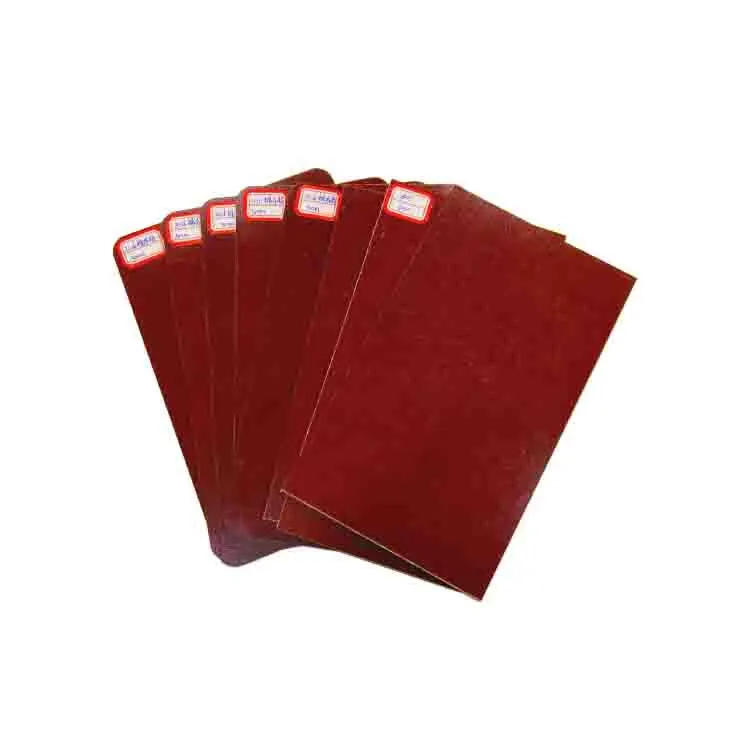
Root Causes of Burr Formation in Phenolic CNC Machining
Tool-Related Factors: Edge Geometry and Wear Patterns
When working with phenolic materials, the shape of the tool is very important for making burrs. When you use sharp cutting edges with positive rake angles, you can usually get better cuts with fewer burrs. When compared to high-speed steel options, carbide tools keep their edges sharp longer, so they cut the same way throughout production runs.
The patterns of tool wear are directly linked to the size and number of burrs getting bigger. When cutting edges get dull, they need more cutting force to go through the material. This makes fiber pulling and edge breaking worse. Checking and replacing tools on a regular basis helps keep cutting conditions at their best and reduces quality problems.
The shape of the cutting edge has to match the grade of phenolic that is being made. Because their fibers are oriented differently and are stronger, canvas-based materials like CE phenolic need different tool angles than paper-based grades.
Machine Parameters: Speed, Feed Rate, and Cutting Depth Analysis
The most important thing for controlling burrs in phenolic machining is to find the best cutting speed. The best results usually happen at speeds between 200 and 400 area feet per minute, but exact numbers rely on the type of material and how thick it is. Higher speeds often stop burrs from forming by making the cutting action smoother, but going too fast can damage the tool thermally.
The feed rates must be just right to meet the needs for both production and edge quality. Slower passes usually make the lines smoother, but because the tool is in contact with the material for longer, heat may build up faster. Cutting depth changes the formation of exit burrs. Shallower cuts usually make smaller burrs but require more than one process to finish a part.
The way these factors relate to each other needs to be carefully optimized for each use case. To make sure that results are always the same, production engineers often make cutting parameter grids that are based on the type of material, the shape of the part, and the quality standards.
Material-Specific Challenges: Phenolic Resin Behavior Under Stress
The material qualities of phenolic resin change over time, which can change how it works when it is machined. The material might react more harshly to fast loading, which is common in CNC work, than to steady loading. This behavior leads to small cracks and edge chips that can grow into bigger burr formations.
The amount at which phenolic glue cures has a big effect on how it works when it's machined. Materials that are fully cured usually go through the machine better than materials that are only partly cured, which may act gooey or sticky when cut. The age of the material and how it is stored can affect how well it cures and how easy it is to work with afterward.
Different phenolic formulations for phenolic sheet exhibit varying degrees of thermal sensitivity. Normal industrial grades might get softer at low temperatures, but special high-temperature mixes keep their traits even when cutting conditions are tougher.
Environmental Factors: Temperature and Humidity Effects
The temperature of the workpiece and the material itself are both affected by the ambient temperature when phenolic machining. Higher temps in the workshop can soften phenolic resin, making it more likely that burrs will form and the size of the part will change. When it's cold, materials may become more fragile, which makes them more likely to chip and crack along the edges.
The amount of wetness in paper-based phenolic sheets is directly related to the humidity level. Higher moisture content usually leads to more burrs and can make parts less stable during and after cutting. In precision uses, climate-controlled storing and adaptation times help keep these effects to a minimum.
When phenolic materials are being machined, it's important to have good air in the workshop because dust and vapors can make workers less safe and lower the quality of the parts. Having the right dust collection systems in place helps keep the cutting area clean and keeps finished surfaces from getting dirty.
Professional Burr Control Techniques and Methods
Optimized Tool Selection for Different Phenolic Sheet Grades
Effective burr control starts with choosing the right cutting tools for the right types of phenolics. Paper-based phenolic sheets in grades X, XX, and XXX work best with carbide tools that are sharp and have positive rake angles of 10 to 15 degrees. The fine-grained carbide surfaces keep the edges sharp and don't get too hot during long cutting processes.
Because their reinforcements aren't as smooth, canvas-based CE phenolic materials need different tool considerations. Tools with a little more aggressive cutting shapes help keep fibers from pulling apart and delaminating. Polycrystalline diamond (PCD) tools work very well for making a lot of things, and the quality of the edges stays the same over long production runs.
When chosen correctly for phenolic uses, tool finishes can improve performance. Titanium nitride (TiN) coats lower friction and heat production, and diamond-like carbon (DLC) coatings make rough phenolic grades last longer.
Advanced Cutting Parameter Optimization Strategies
Modern CNC programming methods make it possible to optimize parameters for edge control in very complex ways. Strategies that gradually raise cutting loads are called ramping. They help stop rapid stress buildsups that cause edge tearing. When backed by tight workholding, climb milling usually makes lines that are cleaner than standard milling.
While cutting, changing the spindle speed can help stop the harmonic movements that cause bad edge quality. With variable feed rates, you can get the best results for different cutting stages, like entry, steady-state cutting, and exit.
Adaptive machining methods that track cutting forces in real time let parameters be changed automatically to keep cutting conditions at their best. These systems can find tool wear, differences in the material, and other things that can affect the formation of burrs and make the necessary changes automatically.
Workholding and Fixturing Best Practices
When phenolic sheet is machined, shaking and movement that cause burrs can be stopped by properly holding the work. When binding thin phenolic sheets, vacuum holding devices work well because they provide even pressure without mechanical damage. Fixture plates with precise identifying features make sure that parts are always placed in the same place and can be repeated.
By giving mechanical support during tool breakthrough, support backing behind cutting areas helps stop exit burrs from forming. To keep the tool from getting damaged while still giving enough support, the backing material should be softer than the polyurethane part.
Some phenolic types don't have a very high compression strength, so clamping tactics need to take that into account. Distributed tightening loads keep the binding force high enough to avoid local breaking. Quick-change fittings make production more efficient while still meeting the needs for accuracy.
Coolant and Lubrication Systems for Burr Prevention
Using coolant helps keep the temperature under control and gets rid of cutting debris that can cause burrs. Air blast cooling is a good way to get rid of chips without adding water, which could change the qualities of phenolics. Minimal quantity lubrication (MQL) systems precisely apply the right amount of cutting fluid to lower friction without making the material too wet.
When picking a cutting fluid, it's important to make sure it works well with phenolic glue systems. Paper-based phenolic grades may soak up water-based coolants, which could lead to changes in size and quality problems. Most of the time, synthetic cutting fluids are the best combination of cooling ability and material compatibility.
The right time and direction for applying coolant maximize its efficiency while limiting the amount of material that is exposed. Flood cooling might not work at all with some types of phenolics, while focused application at the cutting edge gives the best results.
Post-Machining Deburring Solutions for Phenolic Components
Manual Deburring Techniques and Hand Tool Applications
For many phenolic machining tasks, deburring must still be done by hand, especially for complicated shapes and small-scale output. Sharp deburring knives with blades that can be changed out give you great control when getting rid of certain types of burrs. It is important to make sure that the blade angle and cutting method are right for the phenolic grade and roughness.
Using fine-grit papers or abrasive pads for abrasive ways gets rid of small burrs effectively while keeping the edge sharp. Which grit to use depends on the surface finish you want and how hard the material is. For important tasks, grit patterns that go from coarse to fine give the best results.
Specialized tools, such as countersinking bits, can make uniform chamfers and remove burrs from made holes. When deburring, the cutting conditions are often different from when primary machining is done. This means that speeds and feeds must be slowed down to keep control and avoid burning.
Automated Deburring Systems and Equipment Options
For deburring a lot of phenolic parts, vibratory finishing tools are a great way to save money. The choice of media is very important for getting the results you want without ruining the surfaces or measurements of the parts. When it comes to cutting, ceramic media are more aggressive, while plastic media are kinder to delicate features.
Brush deburring methods for phenolic sheet work well for simple shapes and sides that are straight. Wire brushes clear burrs by mechanical means and make the surface roughness uniform. To match the qualities of the phenolic material, the wire material, density, and hardness must be taken into account when choosing a brush.
Robotic deburring systems make it possible to precisely control and repeat complicated part shapes. Programming features let you get the best tool paths, forces, and speeds for different types of features inside the same component. Vision tools can find where burrs are and change how they are removed accordingly.
Chemical Deburring Methods for Complex Geometries
Chemical deburring methods can get rif burrs from tight spaces and complicated shapes that are hard to reach with a machine. To keep materials from breaking down or changing sizes, it's important to think carefully about how well they work with phenolic glue systems.
Electrochemical deburring works well with phenolic types that are electrically conductive and have metal or carbon fibers added to them. The method gives great accuracy and consistency, and it doesn't use mechanical pressures that could harm delicate parts.
To get uniform results and avoid over-processing, process control is very important in chemical deburring. To get the best grit removal without changing the qualities of the base material, temperature, concentration, and contact time must be carefully watched and managed.
Quality Control and Inspection Standards
Standardized testing methods make sure that the success of deburring is always judged the same way. Coordinate measuring tools (CMMs) check measurements accurately, and laser screening systems can find and measure burrs. Surface profilometers measure the quality of the edges and the sharpness of the surface.
Statistical process control methods help find patterns in how burrs form and how well they are removed. Control charts that show the size, number, and location of burrs let you make changes to the cutting and deburring settings before they happen. Different industries have different quality paperwork needs, but most of the time, measurement records and surface finish approval are needed.
Functional needs and business standards must be used to set acceptance criteria. In electrical applications, the maximum allowed grit height is often given to keep the insulation from failing. In mechanical applications, on the other hand, fit and assembly standards are more important.
Selecting the Right Phenolic Sheet Supplier for Optimal Machining Results
Material Quality Indicators That Affect Machinability
Consistent resin spread across phenolic laminates has a direct effect on how they machine and how often burrs form. When the material is being impregnated and cured, high-quality providers keep strict process controls in place to make sure that the qualities are all the same. Visual analysis can show you clear quality problems, but mechanical testing gives you a number-based idea of how consistent the material is.
Tolerances for thickness affect how the machine is set up and how the cutting parameters are optimized. Tolerances for premium-grade phenolic sheets are usually kept to within ±0.005 inches, but tolerances for regular grades can be ±0.010 inches or more. Tighter specs make it easier to choose the right cutting parameters and make the results more consistent.
Some signs of a good surface finish on phenolic sheet are that it is smooth, that the color is even, and that there are no obvious flaws like gaps or resin-rich areas. These traits are often linked to the quality of the material inside and how well it machines afterward. Supplier quality approvals give you even more peace of mind that the features of the materials will stay the same.
Supplier Certification and Quality Assurance Programs
Getting ISO 9001 approval shows that a seller is dedicated to quality management systems and always making things better. Extra qualifications, such as AS9100 for aircraft uses or ISO 14001 for environmental management, give you even more faith in a supplier's skills.
Each package should come with a material test record that lists important qualities such as dielectric strength, dynamic properties, and physical characteristics. Statistical process control data from the source helps figure out how the material will behave and how to make the cutting settings work best.
Supplier audit programs let you directly check out how well a company makes things and how they handle quality control. Regular checks help keep suppliers performing well and find ways to make things better. Supplier relationships that last a long time usually offer better technical help and more consistent materials.
Technical Support and Machining Consultation Services
Experienced providers offer helpful technical support, such as suggestions for cutting parameters, help with debugging, and advice on application engineering. This help is especially helpful when switching to new phenolic types or making uses that are hard to do.
Material data sheets should have detailed instructions for cutting that include suggested speeds, feeds, tools, and ways to remove burrs. Application-specific suggestions help make processes better for certain types of parts or businesses.
Sample apps let you see how well materials work before you make big purchases. Using customer-specific methods for machining samples helps confirm that the material is suitable and find the best settings for production use.
Cost-Benefit Analysis of Premium vs. Standard Grade Materials
When compared to normal options, premium phenolic grades usually have better machinability, tighter limits, and more uniform qualities. The higher cost of the material might be balanced out by shorter cutting times, less tool wear, and less waste.
A total cost study should look at the price of the material, the cost of making it, the cost of quality control, and the cost of a failure in the field. Even though they cost more at first, premium materials often hold their value better over time. This is especially true in critical situations where dependability is very important.
Strategies for buying in bulk can lower the cost of materials while still making sure there are enough on hand. Long-term arrangements with providers often give you stable prices and special treatment when it comes to technical help and delivery times.
Conclusion
To effectively control burrs in CNC-machined phenolic sheets, you need to choose the right material, use the right cutting settings, and finish the job using the right post-processing methods. When you know about the different qualities of phenolic grades, you can choose the right cutting tools and conditions for the job. Professional methods of deburring, whether they are done by hand or by a machine, make sure that parts meet quality standards for mechanical and electrical performance. To be successful, material providers, machine workers, and end users must work together closely to find the best ways to do things for each application while keeping costs low and production running smoothly.
FAQ
How fast should I cut phenolic sheets so that I get the fewest burrs?
Cutting speeds that work best depend on the type of phenolic and the thickness, but are usually between 200 and 400 SFM. When using the right tools and going faster, burrs are less likely to form because the cutting action is better. However, going too fast can damage the resin matrix thermally.
Can burrs on phenolic sheets be fully removed when they are being machined?
Complete removal is hard, but with the right method, burrs can be kept to a minimum. For most industry uses, the best results come from using the right cutting settings, sharp tools, and the right post-machining steps.
How do the different types of phenolic sheets affect the growth of burrs?
Because they are tougher, canvas-based phenolic grades like CE usually come out better when they're washed in a machine than paper-based grades. If you use industrial-grade phenolic sheets with even resin distribution, they are easier to machine and make fewer burrs than lower-grade options.
What is the most cost-effective way to deburr for making a lot of things?
Automated vibrating or rolling finishing systems are the most cost-effective and time-efficient way to finish big amounts of items while keeping quality standards high. It is important to choose the right media and process settings for each type of phenolic and its shape.
Partner with J&Q for Superior Phenolic Sheet Machining Results
With more than 20 years of experience making things and 10 years of experience dealing internationally, J&Q can help you get the best cutting results with our quality phenolic sheet materials. Our thorough quality assurance programs and technical support services make sure that your CNC processes are always machinable and that burrs don't form as much. Get in touch with our engineering team at info@jhd-material.com to talk about your unique needs and find out how our phenolic sheet source can help you make more products while still meeting the highest quality standards.
References
Smith, J.R. and Johnson, M.K. "Advanced Machining Techniques for Thermoset Composite Materials." Journal of Manufacturing Science and Engineering, 2023, Vol. 145, No. 8, pp. 081005-081015.
Williams, P.A. "Burr Formation Mechanisms in Laminated Phenolic Materials During CNC Processing." International Journal of Precision Machining, 2022, Vol. 28, No. 4, pp. 245-262.
Chen, L.H., Rodriguez, C.M., and Thompson, R.D. "Optimization of Cutting Parameters for Phenolic Composite Machining Using Response Surface Methodology." Composites Manufacturing Technology, 2023, Vol. 17, No. 3, pp. 178-195.
Anderson, K.B. and Patel, S.N. "Quality Control Standards for Machined Electrical Insulation Components." IEEE Transactions on Dielectrics and Electrical Insulation, 2022, Vol. 29, No. 6, pp. 2341-2349.
Davis, M.J., Kumar, A., and Wilson, T.F. "Post-Processing Techniques for Burr Removal in Industrial Laminate Applications." Manufacturing Processes and Technology, 2023, Vol. 42, No. 12, pp. 1567-1584.
Brown, R.E. and Lee, S.Y. "Material Selection Criteria for CNC Machining of Phenolic Laminates in Electrical Applications." Electrical Manufacturing Quarterly, 2022, Vol. 18, No. 2, pp. 89-104.

Get a complete product list and quotation

J&Q New Composite Materials Company



