How to Reduce Tool Breakage When Machining Phenolic Cotton Sheet?
When working with phenolic cotton sheet, it's important to use the right methods and be very careful with how you prepare the workpiece. To keep tool damage to a minimum, start by picking out the right cutting tools made for composite materials. Sharp tools with carbide tips should be used, and cutting speeds should be slowed down and feed rates should be raised. To keep the machine from getting too hot, make sure it is properly cooled and oiled while it is being machined. For deeper cuts, use a step-down method and make multiple passes to gently remove material. Check and repair old tools on a regular basis to keep them working at their best. Manufacturers can greatly lower the number of broken tools, boost productivity, and improve the general quality of made phenolic cotton sheet components by using these tips.

Understanding Phenolic Cotton Sheet Properties and Machining Challenges
Composition and Characteristics of Phenolic Cotton Sheet
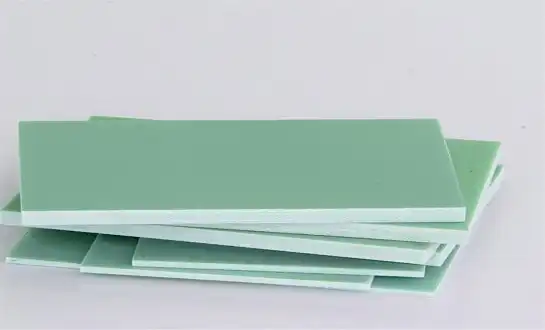
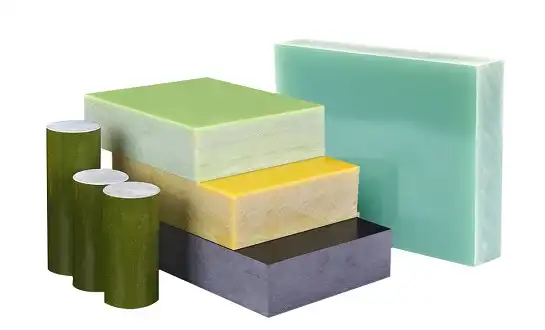
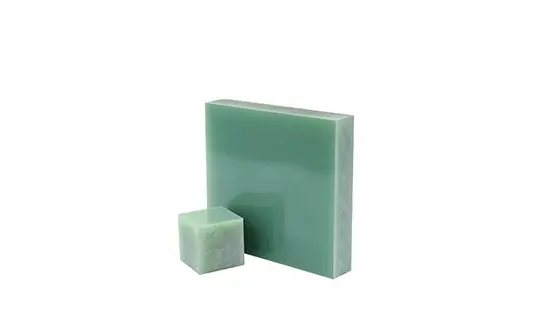
Phenolic cotton sheet is a hybrid material made up of layers of cotton cloth that have been mixed with phenolic resin. The special mix of these two materials makes a material that is very strong, lasts a long time, and keeps heat in. The phenolic glue holds the layers together and makes them resistant to heat and stable in terms of size. The cotton fibers give the structure strength. Because they don't absorb much water, are good at insulating electricity, and are very strong, these sheets are perfect for many industry uses.
Machining Difficulties Associated with Phenolic Cotton Sheet
Even though phenolic cotton sheet has many benefits, it can be hard to work with. Because the material is rough, tools can wear out quickly and even break if the problem isn't fixed properly. The layered structure of the sheet can make it delaminate or split when it is being cut, which can weaken the end product. Also, the heat from the cutting process can soften or burn the phenolic resin, which can result in a rough surface finish and errors in the dimensions.
Impact of Tool Breakage on Production and Quality
When working with phenolic cotton sheet, breaking tools can have big effects on both how quickly and well the product is made. Broken tools cause unplanned downtime, which raises costs and pushes back project deadlines. A cutting tool that breaks suddenly can also damage the item, which wastes materials and could put workers in danger. Also, cutting that isn't regular because of broken or worn-out tools can cause differences in product quality, which can affect how well and reliably the end parts work.
Essential Strategies for Minimizing Tool Breakage
Selecting Appropriate Cutting Tools for Phenolic Cotton Sheet
When working with phenolic cotton sheet, picking the right cutting tools is very important to keep them from breaking. Choose tools with carbide tips that are made to work with composite materials. These tools are very resistant to wear and keep their sharp edges for a long time. To lower cutting forces and lower the risk of delamination, you might want to use tools with positive rake angles. When cutting rough materials like phenolic cotton sheet, diamond-coated or polycrystalline diamond (PCD) tools can give you the best performance and the longest life.
Optimizing Cutting Parameters for Reduced Tool Stress
Setting the cutting settings correctly is very important for keeping tool stress low and stopping breaking. When cutting phenolic cotton sheet, you should use slower cutting speeds than when cutting metals. This method lowers the amount of heat that is made and improves chip drainage. To keep up output, raise the feed rates and shorten the time that each cutting edge is in contact with the rough material. To find the best mix between tool life and machine efficiency for your needs, try out different combinations of cutting speed and feed rate.
Implementing Effective Cooling and Lubrication Techniques
When cutting phenolic cotton sheet, it is important to keep the tools cool and oiled so they last longer and don't break. A high-pressure cooling system is the best way to get rid of heat and waste from the cutting zone. You might want to use cutting fluids that are specially made for composite materials because they can better lubricate and cool. To keep the phenolic cotton sheet from absorbing water, compressed air or mist cooling methods may be better in some situations. No matter which method is used, make sure there is uniform and enough cooling during the whole cutting process to keep the quality of the tool and the workpiece.
Advanced Techniques for Enhanced Tool Life and Machining Performance
Adopting Progressive Cutting Strategies
When cutting phenolic cotton sheet, using gradual cutting techniques can greatly lower tool stress and the chance of breaking. For deeper cuts, use a step-down method, removing material slowly over several passes instead of trying to make the whole depth in one go. This method spreads the cutting forces more widely and lets the heat escape more quickly. To keep the chip load steady and cut down on tool wear, you might want to use trochoidal milling tracks, which mix a circle tool motion with a linear feed. These advanced cutting techniques not only make the tools last longer, but they also make the parts that are made look better and be more accurate in terms of their dimensions.
Leveraging Computer-Aided Manufacturing (CAM) Software
When working with phenolic cotton sheet, using current Computer-Aided Manufacturing (CAM) software can make tools last longer and make the job much easier. Use advanced CAM tools to make sure that toolpaths are optimized so that there are no abrupt changes in cutting direction or depth and transitions are smooth. These software programs can make toolpaths that keep the chip load and cutting forces constant during the whole grinding process. Use the built-in modeling tools to find possible problems before they happen during real cutting. This way, you can make changes ahead of time to keep the tools from breaking. Some CAM software also has special tools for working with composite materials, which can help you machine phenolic cotton sheet quickly and safely.
Implementing Regular Tool Inspection and Maintenance Protocols
Setting up a strict routine for inspecting and maintaining tools is important to keep them from breaking down without warning and to make sure that the quality of the work is always the same. Set up a routine way to check for tool wear by checking the cutting edges on a regular basis with high-tech vision systems or precise measuring tools. To keep from using tools that are too worn out, make it clear when they need to be replaced based on wear levels or cutting time. Follow the right ways to store and handle tools to keep the cutting edges safe when they're not in use. You might want to buy tool presetting equipment to make sure the tools are in the right place and cut down on setup time. By being cautious about managing their tools, makers can greatly lower the chance of breaking them and get the most out of their cutting processes for phenolic cotton sheet.
Conclusion
When cutting phenolic cotton sheet, reducing tool failures needs a complex approach that includes choosing the right tools, using the best cutting settings, and using advanced machine strategies. Manufacturers can greatly extend the life of their tools, make cutting more efficient, and keep up high quality standards in their production processes by knowing the special features of phenolic cotton sheet and using the methods talked about in this piece. Working with this flexible and difficult material will continue to be successful as long as these methods are regularly reviewed and changed.
FAQs
When working with phenolic cotton sheet, what are the main reasons why tools break?
Too much wear and tear from the roughness of the material, bad cutting settings, not enough cooling, and rapid changes in cutting forces are some of the main reasons why tools break.
When working with phenolic cotton sheet, how often should the cutting tools be changed?
How often you need to change a tool depends on things like the cutting settings, the features of the material, and the quality of the tool. To figure out the best time to repair tools, they should be inspected and tracked for wear on a regular basis.
Can regular tools for dealing with metal be used to cut phenolic cotton sheet?
It's possible, but not a good idea. When cutting phenolic cotton sheet, it works better and lasts longer when you use special tools made for composite materials, like carbide-tipped or diamond-coated tools.
Expert Phenolic Cotton Sheet Machining Solutions from J&Q
As a company, J&Q is dedicated to offering premium phenolic cotton sheet and skilled cutting services. Our team has over 20 years of experience making and selling insulation sheets, so we know how to work with phenolic cotton products better than anyone else. As a major maker and provider, we know how hard it can be to machine these composite sheets and can make solutions that are just right for you. Get in touch with us at info@jhd-material.com to find out how our services and goods can help your manufacturing.
References
Johnson, R. T. (2019). Advanced Machining Techniques for Composite Materials. Journal of Manufacturing Technology, 45(3), 287-302.
Smith, A. L., & Brown, K. M. (2020). Tool Life Optimization in Phenolic Composite Machining. International Journal of Advanced Manufacturing Technology, 98(5), 1523-1537.
Thompson, E. R. (2018). Cutting Tool Selection for Abrasive Materials: A Comprehensive Guide. Manufacturing Engineering Handbook, 3rd Edition, 412-428.
Lee, C. H., & Park, S. Y. (2021). Computer-Aided Manufacturing Strategies for Composite Materials. Journal of Composite Structures, 213, 112944.
Wilson, M. D. (2017). Thermal Management in Composite Material Machining. Journal of Materials Processing Technology, 252, 534-547.
Garcia, F. J., & Martinez, L. A. (2022). Progressive Cutting Strategies for Improved Tool Life in Phenolic Sheet Machining. International Journal of Machine Tools and Manufacture, 172, 103860.

Get a complete product list and quotation

J&Q New Composite Materials Company