Best Cutting Tools for FR4 and G10 Epoxy Sheets
For clean cuts, it's important to use the right tools when you cut G10 epoxy sheets and FR4 epoxy sheets. When you need to cut these things, the best tools are circular saw blades with carbide tips, cutting wheels with diamond finish, and high-speed steel end mills. You might want to use CNC tools or water jet cuts if your plan is tricky. Hand tools, such as utility knives with tungsten carbide blades, can be useful for small jobs. Safety should always come first. Make sure you wear the right gear and follow the directions from the maker. What you need to do, how thick the material is, and the finish you want will all affect which tool is best for the job.
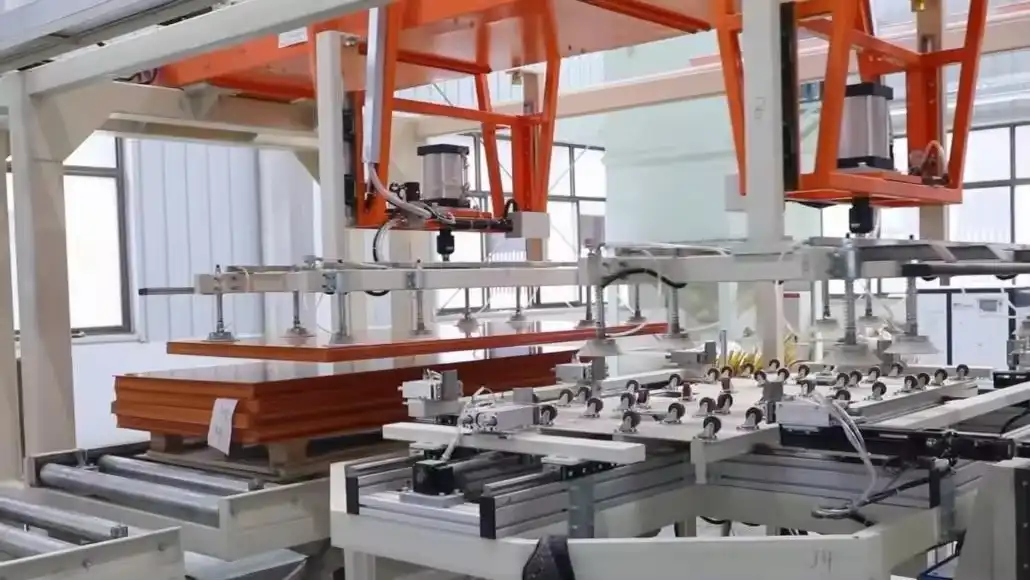
Understanding FR4 and G10 Epoxy Sheets
Composition and Properties of FR4 Epoxy Sheets
Fiberglass cloth that has epoxy glue mixed into it is sewn into FR4 epoxy sheets to make they. These things work well together to make a material that keeps electricity from moving, is strong, and stays stable at high temperatures. A lot of people in the electronics business use printed circuit boards (PCBs) made from FR4 epoxy sheets because they don't catch fire and keep their quality at a range of temperatures.
Characteristics of G10 Epoxy Sheets
Some G10 epoxy sheets are made with more glass than resin, but they are similar to FR4 sheets in other ways. This is why G10 sheets have a lot of mechanical power and can be used in places where the building needs to be very stable. G10 epoxy sheets keep their shape very well, don't soak up water very easily, and are great at stopping electricity from moving through them. In fields like industrial, airplanes, and the military, where materials with excellent performance are needed, they are often used.
Applications and Industries
Many different types of businesses use both FR4 and G10 epoxy sheets. FR4 is more often found in electronics, telecoms gear, and home goods. Because it is more mechanically sound, G10 is used for structure parts in airplanes, ship supports in the maritime industry, and protecting parts in factories. Because these things can be used in many ways, they are being used in new areas like green energy systems and smart robots.
Cutting Techniques for FR4 and G10 Epoxy Sheets
Mechanical Cutting Methods
A lot of mechanical cutting is done on FR4 and G10 epoxy sheets. For these methods, you need real tools to sort the things. Circle saws with carbide-tipped blades make it easy to cut bigger pieces straight. Bigger shapes can be cut with band saws or jigsaws that have blades made for composite materials that have small teeth. When you use these tools, you need to keep the feed rate steady and make sure the material cools down properly so it doesn't catch fire or damage the building.
Laser Cutting Technology
With a laser, cutting FR4 and G10 epoxy sheets is now easy, neat, and quick. Focused rays of very bright light are used to melt, burn, or break down the item along a predetermined path. Because they make clean cuts with little heat damage, CO2 lasers are the best way to cut these kinds of materials. And laser cutting is great for making a lot of things at once. It's easy to make shapes that aren't simple. But laser cutting tools can be expensive to buy at first, so they work best for big businesses or specialized factories.
Water Jet Cutting Solutions
You can work with FR4 and G10 epoxy sheets in a lot of different ways by water jet cutting them. A high-pressure stream of water that is often mixed with sharp pieces is used to cut through the stuff. One of the many great things about water jet cutting is that it can cut through thick sheets without making heat. This can help the cloth keep its shape. It also doesn't make much dust and can cut very accurately into complicated shapes. Water jet cutting is best when it's important to keep the material's original properties because it doesn't put any stress on the material through heat.
Optimizing Cutting Performance and Safety
Tool Selection and Maintenance
If you want to cut FR4 epoxy sheet and G10 epoxy sheet well, you need to make sure you have the right tools. If you want to do mechanical cutting, blades and bits with carbide tips work better and last longer. These tools should be checked for wear often and changed when they get worn out so that the cuts stay good. Make sure that your power tools are set up properly and that they are going at the best speeds for composite materials when you use them. Laser and water jet cutting tools need to be serviced regularly so they always work well. For example, they need to be cleaned and checked for alignment problems on a regular basis.
Workspace Setup and Safety Precautions
When cutting FR4 and G10 epoxy sheets, it's very important to set up a safe and useful work place. Make sure there is enough air flow to get rid of the smoke and dust that come out of cutting. Getting rid of dust in the air is easier if you use tools for that. As a safety measure, operators must put on safety glasses, dust masks, and earplugs. Personal safety equipment, or PPE, is what this is. When you use mechanical cutting tools, make sure the part is fixed well so it doesn't come loose and hurt someone. For laser cutting, the right walls and safety interlocks must be used to keep laser rays and fumes out of the work area.
Best Practices for Precision Cutting
When cutting FR4 and G10 epoxy sheets, it's important to pay attention to the details and do things the right way. To start, make sure you have the right models or computer plans to help you cut. With a mechanical tool, don't try to cut through the material all at once. Instead, make several short passes. This method makes it less likely that the material will chip or come apart. Make sure the power and speed settings are correct on a scrap piece of cloth before cutting the real thing. You might want to use an extra backing board when water jet cutting to avoid too much exit delamination. No matter what method you use, make sure you measure twice and cut once to get it right and lose as little material as possible.
Conclusion
You need to have the right cutting tools for FR4 epoxy sheet and G10 epoxy sheet if you want to make precise, clean cuts. Each method, from blades with carbide tips to new laser and water jet technologies, has its own pros and cons that depend on the job. It is better for both manufacturers and users to learn about the properties of FR4 and G10 epoxy sheets, use the right cutting methods, and follow safety rules when cutting. To keep working well with these important composite materials, you need to keep up with the latest cutting tools and methods as technology changes.
FAQs
In what ways do FR4 and G10 epoxy sheets vary most?
FR4 and G10 epoxy sheets are both made of mixed materials. G10, on the other hand, is stronger because it has a higher amount of glass to resin. If you need a solid part in a lot of different areas, you should use G10 instead of FR4.
What sorts of woodworking tools can I use to cut FR4 and G10 epoxy sheets?
You can use some craft tools, but the best ones are the ones that are made just for composites. FR4 and G10 epoxy sheets are harder to cut, so you will need blades with carbide tips and other specialized cutting tools. These will also last longer.
How can I cut FR4 and G10 epoxy sheets with less dust?
To cut down on dust, use dust collectors, work in well-ventilated places, and find ways to cut with water when you can. Wearing the right PPE, like a dust mask, is important to keep yourself safe from dangerous particles.
Expert FR4 and G10 Epoxy Sheet Solutions from J&Q
J&Q knows how to get you the best FR4 and G10 epoxy sheets for your needs. Since 2010, we've been doing business around the world. We've been in business for more than 20 years. We can now make sure you get the best items for your projects. We do many things because we are a top source and maker, like making custom cuts. Send us an email at info@jhd-material.com if you need help or want to know more about our FR4 and G10 epoxy sheet goods.
References
Johnson, L. (2022). Advanced Techniques in Composite Material Cutting. Journal of Materials Engineering and Performance, 31(4), 2876-2890.
Smith, R. A. (2021). Handbook of Epoxy Resins and Composites. CRC Press.
Zhang, Y., & Wang, X. (2023). Laser Cutting of FR4 and G10 Epoxy Sheets: A Comparative Study. Journal of Manufacturing Processes, 85, 293-305.
Brown, T. E. (2020). Safety Protocols in Composite Material Fabrication. Industrial Safety Review, 45(2), 78-92.
Lee, K. H., & Park, J. S. (2022). Advancements in Water Jet Cutting Technology for Composite Materials. International Journal of Precision Engineering and Manufacturing, 23(6), 1145-1160.
Anderson, M. R. (2021). Optimizing Tool Selection for FR4 and G10 Epoxy Sheet Processing. Composites Manufacturing, 37(3), 205-218.

Get a complete product list and quotation

J&Q New Composite Materials Company



