How to Reduce Burrs When CNC Drilling FR4 94V0 Epoxy Board
Reducing burrs when CNC drilling FR4 94V0 epoxy board requires a combination of proper tooling, calibrated machine parameters, and pre- and post-drilling procedures. Using sharp carbide drill bits, setting appropriate spindle speed (typically 80,000–120,000 RPM for thin boards), securing the board firmly, and applying backup boards beneath the workpiece are all proven steps. Post-drilling, mechanical brushing or light sanding removes residual burrs without affecting the board's dielectric strength or UL 94V-0 flame-retardant rating. Sourcing consistent, certified FR4 epoxy laminate from a reliable supplier also plays a significant role in reducing burr frequency from the start.

Understanding Burr Formation in CNC Drilling of FR4 94V0 Epoxy Boards
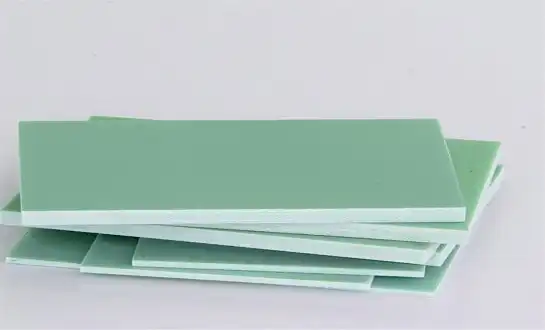
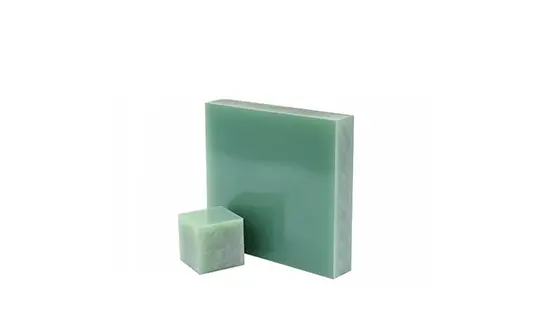
Epoxy glue holds together FR4 epoxy laminate, a made of glass fibers. Some parts are mixed together, which keeps electricity out and keeps things stiff, but it makes CNC drilling harder. This is how things work at the level of matter.Reducing burrs when CNC drilling FR4 94V0 epoxy board requires a combination of proper tooling, calibrated machine parameters, and pre- and post-drilling procedures. Using sharp carbide drill bits, setting appropriate spindle speed (typically 80,000–120,000 RPM for thin boards), securing the board firmly, and applying backup boards beneath the workpiece are all proven steps. Post-drilling, mechanical brushing or light sanding removes residual burrs without affecting the board's dielectric strength or UL 94V-0 flame-retardant rating. Sourcing consistent, certified FR4 epoxy laminate from a reliable supplier also plays a significant role in reducing burr frequency from the start.
Why Composite Structure Promotes Burring?
In FR4 epoxy glue, glass fibers don't hold up very well. Not all the fibers may be cut when the drill bit comes out of the board. Some may bend and tear. This makes what are called "burrs," which are raised edges, especially on the hole's exit face.
Material Properties That Affect Drill Behavior
The glass transition temperatures (Tg) for FR4 94V-0 epoxy board are between 115°C and 170°C. Even when it's wet, it's still very strong. Because of these things, the tools wear out faster and get hotter while they're cutting. This makes the glue matrix less strong and makes it easier for fibers to pull out where the hole stops.
Process Parameters That Trigger Burr Formation
There are two main buttons: drive speed and feed rate. Some feed rates make it so that the bit can't cut the glass fibers easily. This is because the fibers are pushed outward. It gets too hot and glues up the hole wall when the spindle speed is too slow. One more way that surface change hurts the hole is by making it less useful.
Key Factors Causing Burrs During CNC Drilling and How to Analyze Them
Why is this important for engineers and buyers to know? So they can make it easier for people to drill. Glass-epoxy laminates always get burrs because of three main things:
Drill Bit Material and Coating
When drilling through glass-epoxy, CBN drill bits work better than high-speed steel because they stay sharp longer. Things that have Diamond-Like Carbon (DLC) or TiN on them last longer and wear out less fast. The burrs are bigger when the bit is old or not covered. It has been found over and over again that bit geometry loss is one of the main reasons holes don't turn out right when drilling PCBs.
CNC Machine Settings
When machining Fr4 94v0 Epoxy Board, make sure the speed of the feed and the speed of the spin are the same. People who make PCBs use standard FR4 board thicknesses, and many of them aim for a chip load of 0.0005 to 0.001 inches per rev. Either the fibers will tear (too fast), or the fabric will heat up and change shape too slowly if you go beyond this range. If you keep an eye on the spindle load, you'll know when the machine needs to be set up again.
Board Thickness and Layer Construction
The drill has to make more touches with the glass-resin when the boards are bigger, or there is more than one layer in the build. Every bit of code could be the start of a burr. With FR4 94V-0 epoxy boards that are thicker than 2.0 mm, peck drilling is a great way to keep fibers from moving and heat from building up. The bit goes back and forth to clear chips.
Proven Methods to Reduce Burrs When Drilling FR4 94V0 Epoxy Boards
The steps below will help you always keep burrs under control while you're cutting. Both of them work together to make a useful way to make things.
Pre-Drilling Preparation
Microvibration is a common cause of exit burrs that is often missed. Hold the board in place with vacuum clamps or mechanical supports to get rid of it. Putting a phenolic or metal backing board under the FR4 94V-0 epoxy board is another way to protect the exit face of the hole and keep the fibers from coming apart. Dust and dirt on a board's surface can bend the drill bit when it goes in. A clean surface gets rid of these things.
Drilling Parameter Optimization
These are the main changes you need to make to the parameters to stop burrs from taking shape:
- Spindle speed: Aim for 80,000 to 100,000 RPM for boards that are less than 1.6 mm thick. Slow down if you need to in order to keep the heat in check and make a thicker stock.
- Feed rate: Make sure the chip load stays between 0.0005 and 0.001 inches per turn so that the chip removal and cutting force are equal.
- Peck drilling: For boards thicker than 2.0 mm or builds with layers, use peck cycles to get rid of glass chips and keep the temperature in check.
- Pilot holes: The cutting force and the size of the exit burr are lessened on the last pass of the drill when the hole is bigger than 3 mm.
The cut stays clean everywhere the drill touches the glass and glue because of these changes.
Tool Maintenance and Post-Drilling Treatment
It shouldn't matter how much time has passed; the number of hits should tell you how long it takes to replace a bit. Every 1,000 to 3,000 hits, bits should be checked or changed, depending on how thick the board is and what kind of wrapping is used. An electric brush with nylon or metal bristles makes it easy to get rid of surface burrs after drilling. The board can keep its UL 94V-0 grade without getting dirty with chemicals if holes in switchgear or PCB fixings need to be very precise. This can be done with light sanding or controlled laser deburring.
Comparing FR4 94V0 Epoxy Board with Other PCB Materials in Burr Management
People who work in buying look at many types of things every day. You can better understand why the drilling process is different for each type of material once you know how FR4 94V-0 epoxy board stacks up against other options.
FR1 and FR2 vs. FR4 94V0
The bases of FR1 and FR2 boards are made of paper-phenolic. They don't leave as many exit burrs behind because they are softer and drill more easily when the spindle speed is high. They aren't as stable at high temperatures or as good at blocking electricity, though, as FR4. So you can't stack PCBs on top of each other or use them to protect against high voltage.
FR5 and High-Tg Variants
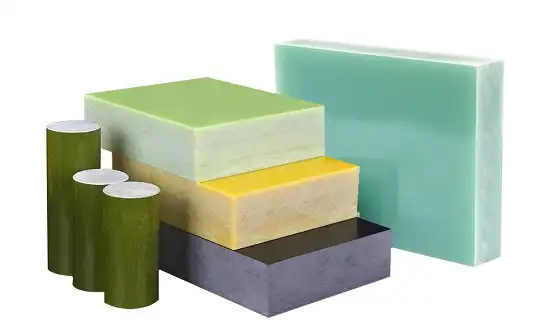
FR5 and high-Tg FR4 boards use better epoxy systems when the Tg value is above 170°C. Drill bits wear out faster and need even more precise parameter control because they have more glass in them. It takes a lot less time to change bits, but a bump is more likely to form than with regular FR4 94V0.
CEM-1 and Fiberglass Epoxy
The outside of the CEM-1 boards is made of glass-epoxy, and the inside is made of paper. It's easy to drill through them, but they're not as strong as full-glass laminates. Fr4 94v0 Epoxy Board is still the best choice for high-quality holes that don't have burrs in them, even though it needs to be filed more accurately. This is because it has a strong structure.
Procurement Considerations for High-Quality FR4 94V0 Epoxy Boards to Minimize Burr Issues
For a board to work well, the materials that were used to make it are very important. If the resin substance or the way the glass weave is spread out is not the same, the burr may act differently even if the drilling settings stay the same.
Supplier Certification and Quality Systems
The best FR4 94V-0 epoxy board companies are those that are UL 94V-0 approved and follow RoHS rules. Certification systems give engineering teams grouped data that they can track when grit rates change for different types of material. They can use this information to figure out what changes need to be made.
Sample Testing Before Bulk Orders
Teams of buyers with a lot of experience often ask for sample boards to CNC drill on before they place big orders. When samples are drilled in a production setting, the hardness of the resin, the density of the glass weave, and the thickness tolerance all change. The way burrs turn out has changed because of these changes. This step keeps the work going even though the materials aren't level.
Customization and Lead Time Planning
If a supplier gives you a choice of thicknesses and reliable lead times, you're less likely to miss a deadline. When boards are made to exact width limits, parameters don't need to be changed as often each batch. When you buy a lot of FR4 epoxy composite from a trusted company, you can save money and keep the same size.
Case Studies: Successful Burr Reduction in CNC Drilling of FR4 94V0 Epoxy Boards
Electronics Manufacturer Cuts Scrap Rate by 30%
The US company that makes medium-sized PCBs said that the industrial control panels' 1.6 mm FR4 boards have exit burrs that won't go away. They cut down on the feed rate by 15%, switched to DLC-coated carbide bits, and added aluminum backup boards. In just two production cycles, this made the hole quality scrap rate drop by about 30%.
OEM Fixture Supplier Improves Hole Tolerance Consistency
An OEM that makes solder pallets and bed-of-nails test tools had to switch FR4 94V-0 epoxy board sources if the resin density changed from batch to batch. The number of times bits were replaced stayed the same once they found a reliable source with good records that could be tracked. There wasn't much difference between groups of burrs either.
Transformer Component Producer Adopts Peck Drilling
A company that uses 3.0 mm FR4 94V-0 epoxy laminate boards to make transformer insulation parts said the boards might separate at the pin holes. That was fixed by adding peck drilling rounds and using compressed air to cool the spindle. The burr height readings on the exit sides were also cut by more than 40%.
Conclusion
It does the job well and is easy to handle when CNC drilling FR4 epoxy composite and burrs show up. The structure made of glass and resin must have certain tools, machine parameters that are calibrated, and consistent material quality from the supply chain in order to work. If you use approved FR4 94V0 epoxy board source materials, carbide bits with improved finishes, and the right spindle and feed rate settings, you can cut down on the number and intensity of burrs. It is also possible to use backup boards. Treatments done after drilling keep the information about how much electricity and fire it can hold. The quality of the holes, the amount of waste, and the stability of the production flow are all better when teams plan their burr control from buying to cutting.
FAQ
What drill bit material works best for FR4 epoxy laminate?
When drilling through FR4 94V-0 epoxy board, solid carbide drill bits work best. These are not as hard as high-speed steel, so they can handle the rough glass fiber well. Bits last longer and have less pressure at the cutting edge when they are coated with DLC or TiN.
Does board thickness affect burr formation significantly?
Yes. Bigger boards get hotter and have to go through more glass-resin surfaces for each hole when you drill. When you use boards that are bigger than 2.0 mm, you usually get bigger exit burrs without having to peck drill or slow down the feed rate. Building on more than one layer is harder.
Will post-drilling deburring damage the board's UL 94V-0 flame-retardant rating?
Getting rid of burrs on the board doesn't change the chemical that makes it flame-resistant in the big picture. If you choose acid- or solvent-based chemical deburring products, be careful not to damage the epoxy resin surface. It is safe to use a laser for deburring as long as the settings are set up so that thermal scoring doesn't happen.
How do I verify FR4 board quality before bulk purchasing?
For example, ask the source for some. Then, do controlled drilling tests following the same production rules you always follow. Keep the width range the same and make sure the glue is spread out evenly. Also, make sure the hole is easy to close. Make sure they are UL-approved and ask for the results of any batch tests that were done.
Partner with J&Q for Certified FR4 94V0 Epoxy Board Supply
J&Q has been making insulation sheets for more than 20 years. They have also done business with other countries for more than 10 years. As a trustworthy company that makes FR4 94V0 epoxy board, we can offer proven materials that follow RoHS rules and maintain the same level of quality from one batch to the next. You can also choose from different sizes, and we'll make sure your order gets to you on time with our own shipping method. To find out more, email info@jhd-material.com with what you need or ask for a sample right now. You can also go to blog.jhd-material.com.
References
1. Coombs, C. F. Printed Circuits Handbook. McGraw-Hill Education, 2007.
2. IPC-2221B. Generic Standard on Printed Board Design. IPC Association Connecting Electronics Industries, 2012.
3. Jawahir, I. S., et al. "Burr Formation in Drilling of Composite Materials." Journal of Manufacturing Science and Engineering, ASME, 2011.
4. UL 94. Standard for Tests for Flammability of Plastic Materials for Parts in Devices and Appliances. Underwriters Laboratories, 2018.
5. Davim, J. P. Machining of Polymer Composites. Springer, 2009.
6. NEMA LI-1. Industrial Laminating Thermosetting Products. National Electrical Manufacturers Association, 2020.

Get a complete product list and quotation

J&Q New Composite Materials Company