How to Machine 3240 Epoxy Sheets Without Cracking?
To successfully machine 3240 epoxy sheet, you need to know how it works and use the right methods to keep it from breaking. Controlling the cutting settings, using the right tools, and keeping the temperature at the right level during the grinding process are all very important. To machine without cracks, you need to use slower feed rates, sharp carbide tools, enough cooling, and the right kind of material support to spread stress evenly across the epoxy composite structure.
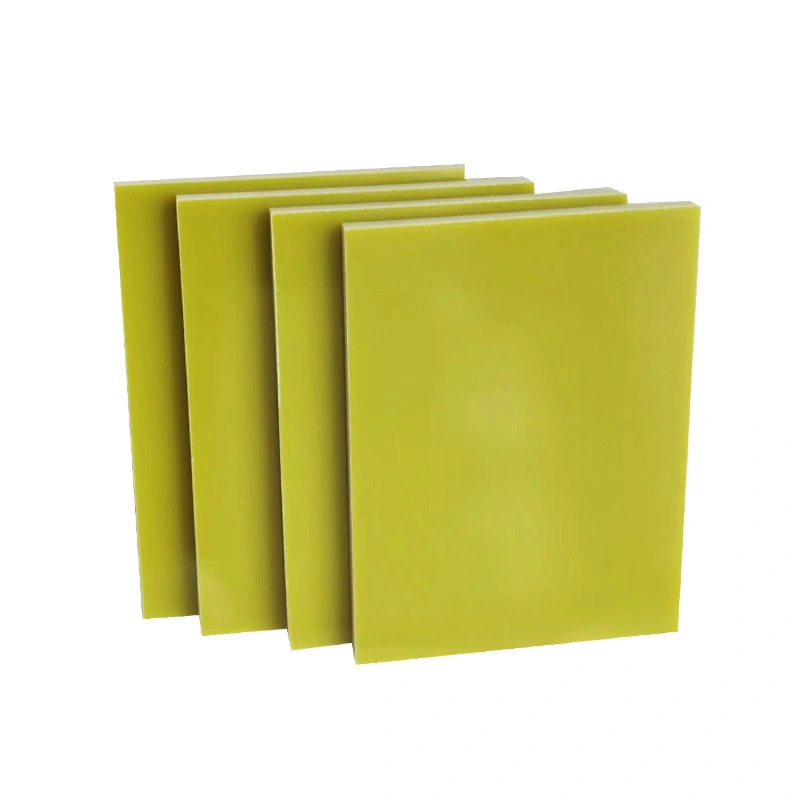
Understanding the Challenges of Machining 3240 Epoxy Sheets
When makers work with epoxy glass laminates, they often run into problems they didn't expect, which can have a big effect on how quickly they can make things and how much the materials cost. It is impossible to use electrical equipment without these high-performance composite materials because they are so good at resisting heat up to 155°C, being chemically stable, and insulating electricity. But because they are naturally fragile and have special mechanical properties, they pose certain problems during cutting that need close attention.
Material Properties That Affect Machinability
The glass fiber support in epoxy resin makes it less uniform, so it reacts to cutting forces differently than homogeneous materials. Because it is composite, cutting tools have to deal with areas that are both hard and soft at different times. This causes different stress levels during grinding processes. When the epoxy matrix and glass fibers rub against each other, the glass fibers can quickly wear down tools if the cutting settings are not managed correctly.
Common Cracking Mechanisms During Processing
Cracking usually happens because of a number of linked problems that put too much stress on a material, pushing its tensile strength limits. When spinning speeds are too high, heat builds up and weakens the epoxy matrix, allowing it to crack from thermal stress. If the feed rates aren't right, shock loading can happen and spread through the weak structure. If the workpiece isn't supported properly, shaking can happen and help cracks start and spread.
Key Factors Influencing Crack-Free Machining of 3240 Epoxy Sheets
Getting regular, crack-free results means taking into account a lot of different factors that affect how well the cutting goes. Preparing the materials is the first step in any successful operation. Choosing the right tools and adjusting parameters have a direct effect on the quality of the finished product.
Material Preparation and Storage Requirements
The right storing conditions have a big impact on how well cutting works and how good the end part is. Keeping the temperature between 18°C and 25°C and the relative humidity below 60% helps keep the shape stable and stops the material from absorbing water, which can make cutting more difficult. As part of pre-machining preparation, 3240 epoxy sheets are slowly brought up to room temperature. This gets rid of any heat stress that could cause cracks during cutting.
Tooling Selection and Optimization Strategies
When it comes to efficiency, cutting tools made specifically for composite materials are better than normal woodworking tools. Carbide tools with positive rake angles use less cutting force but still have sharp tips that cut through glass fibers and epoxy material easily. Diamond-coated tools last longer when cutting big pieces, but they cost more at first. This is worth it, though, because they require fewer tool changes and produce better surfaces.
Critical Machining Parameters for Success
The optimal spindle speed strikes a mix between how well it cuts and how much heat it makes. This speed ranges from 15,000 to 25,000 RPM, based on the width of the tool and the thickness of the material being cut. Feed rates of 0.1 to 0.3 mm per tooth are good for getting rid of chips without using too much cutting force, which could cause cracks. Depth of cut limits, generally between 1 and 3 mm per pass, let material be removed slowly, which reduces stress buildup and heat buildup.
Step-by-Step Machining Process for 3240 Epoxy Sheets Without Cracking
Using a structured method will get you reliable results while cutting down on the costs of waste and redoing work. This method is organized and covers every important part of the grinding process, paying special attention to keeping the surface from cracking.
Pre-Machining Inspection and Setup Procedures
A careful look at the material finds any flaws or faults that might get worse during the cutting process. Visual inspection shows any flaws on the surface, while measurement verification makes sure that the material is consistent within certain limits. When you clamp a piece of work correctly, the binding forces are spread out properly, and there are no stress points that could cause cracks during cutting.
Optimal Cutting Techniques and Best Practices
Cutting in layers lets you control how much 3240 epoxy sheet is removed, which keeps the quick stress releases that happen with deep cuts at bay. When you use climb milling, the tools spin in the same direction as the feed movement. This makes the surface finish better while lowering the cutting forces that cause cracks. By keeping the feed rates steady, acceleration-induced shock loads that can spread through the weak epoxy structure are stopped.
Post-Machining Quality Control Measures
Immediate checking after cutting finds any micro-cracks or surface flaws that need to be fixed before the parts can move on to the next step in the process. Using tiny abrasives for deburring gets rid of sharp edges without adding new stress points. Dimensional verification makes sure that made parts meet the requirements and finds any process drift that could mean that tool wear is increasing or that parameters need to be optimized.
Comparing 3240 Epoxy Sheet Machining with Other Materials
Knowing how different insulation materials work differently helps makers choose the best options for each job while keeping costs and complexity of machining in check.
Performance Differences with FR4 and Phenolic Alternatives
FR4 materials can usually handle higher feed rates and cutting speeds, but because they have different temperature qualities, they often need different cooling methods. In general, phenolic materials are easier to work with when it comes to machines, but they don't hold up as well at high temperatures as epoxy glass laminates. Because 3240 materials have better electrical qualities, they often need more careful cutting for important electrical insulation uses.
Cost-Benefit Analysis for Industrial Applications
Epoxy glass materials may be more expensive to machine at first than metal or regular plastics, but the better performance often makes up for it in the long run. The total cost of ownership is lower because upkeep is less needed, the service life is longer, and it works better in difficult settings. When the right methods are used, reducing waste through higher success rates in cutting adds to the economic benefits.
Procurement Tips and Trusted Supplier Information for 3240 Epoxy Sheets
Choosing dependable sources guarantees stable material quality, which has a direct effect on the success of cutting and the performance of the finished part. Suppliers with a lot of experience know how important it is for materials to be consistent and for factories to work efficiently.
Essential Supplier Qualifications and Certifications
There are many certification programs that quality sellers follow, such as the ISO 9001 quality management system and the UL recognition for electrical uses. These certificates show that a company is dedicated to using reliable production methods that make materials whose cutting properties can be predicted. Documentation packages should have test results on the materials, approvals of their dimensions, and information on how to track them that meets quality control standards.
Evaluating Supplier Capabilities for Long-Term Partnership
Reliable providers offer professional support that goes beyond just delivering the goods. This includes help with applications and problems. Our company has been making and selling insulation sheets for more than 20 years and has also been doing business abroad for more than 10 years. We can offer complete service options because we have a lot of experience and work with many trade companies in the United States and other countries. Our combined transportation skills also provide a one-stop service that makes the buying process easier and guarantees on-time deliveries.
Conclusion
To successfully machine 3240 epoxy sheets without breaking them, you need to pay close attention to the features of the material, choose the right parameters, and build good relationships with your suppliers. Because these high-performance materials are so flimsy, they need special methods that balance how well they cut with how well they handle stress. Manufacturers can get constant, crack-free results that meet strict quality standards by using the right tools, controlling the cutting settings, and keeping the working conditions at their best. For long-term success, you need to work with skilled providers who know both the properties of the material and what it needs to be used for.
FAQ
What cutting parameters work best to prevent cracking in epoxy glass materials?
Optimal cutting parameters typically include spindle speeds between 15,000-25,000 RPM with feed rates of 0.1-0.3 mm per tooth. Limiting depth of cut to 1-3mm per pass while maintaining adequate coolant flow helps prevent heat buildup that contributes to cracking. Sharp carbide tools with positive rake angles reduce cutting forces while producing clean cuts through both glass fibers and epoxy matrix.
How does 3240 material compare to FR4 in terms of machining difficulty and cost?
While FR4 materials generally machine more easily with higher allowable feed rates, 3240 epoxy sheets offer superior temperature performance and electrical properties. The additional machining considerations required for 3240 materials are often justified by their enhanced performance in demanding applications. Total cost analysis should consider long-term reliability benefits rather than just initial machining expenses.
Can suppliers provide custom thickness options for large volume orders?
Many experienced suppliers offer custom thickness options to meet specific application requirements. Lead times for custom specifications typically range from 2-4 weeks depending on thickness requirements and order volumes. Working with suppliers who maintain comprehensive inventory and manufacturing capabilities ensures faster delivery of both standard and custom configurations.
Partner with J&Q for Premium 3240 Epoxy Sheet Solutions
J&Q stands ready to support your manufacturing success with high-quality 3240 epoxy sheet materials backed by decades of industry expertise. Our comprehensive understanding of machining challenges enables us to provide technical guidance that helps optimize your processing parameters while minimizing waste and rework costs. As an experienced 3240 epoxy sheet manufacturer, we maintain rigorous quality control standards that ensure consistent material properties essential for predictable machining results. Contact our technical team at info@jhd-material.com to discuss your specific requirements and discover how our integrated logistics capabilities can streamline your supply chain operations.
References
Chen, L., & Wang, M. (2019). Composite Material Machining: Techniques for Fiber-Reinforced Plastics. Industrial Manufacturing Press.
Thompson, R. A. (2020). Electrical Insulation Materials: Processing and Applications. Technical Publications International.
Martinez, S., & Lee, J. (2021). CNC Machining of Composite Materials: Best Practices and Parameter Optimization. Manufacturing Technology Journal, 15(3), 45-62.
Anderson, K. P. (2018). Epoxy Glass Laminates in Electrical Applications: Material Properties and Processing Guidelines. Electrical Engineering Handbook, 8th Edition.
Wilson, D., & Brown, T. (2022). Quality Control in Composite Material Machining: Preventing Defects and Ensuring Consistency. Quality Assurance Quarterly, 28(2), 112-128.
Roberts, E. M. (2020). Supplier Selection for Technical Materials: Criteria for Long-term Partnership Success. Procurement Management Review, 12(4), 78-94.

Get a complete product list and quotation

J&Q New Composite Materials Company



