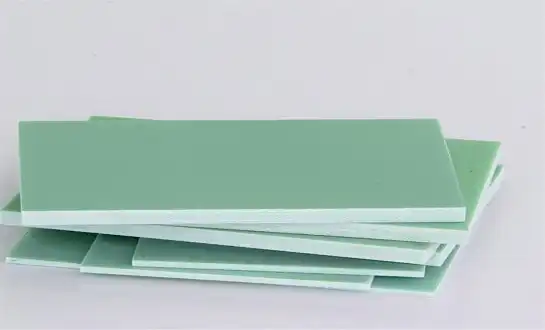
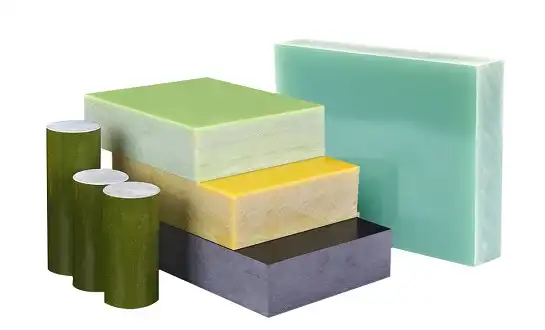
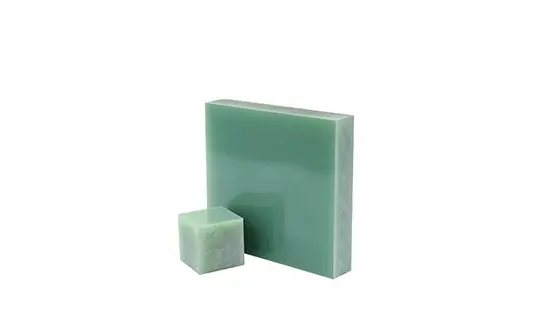
G11 Epoxy Sheet for Precision CNC Machined Components
For precise CNC machining tasks that need excellent electrical protection and long-lasting mechanical strength, G11 epoxy sheet is the best composite material choice. This high-performance material is made of woven fiberglass support and advanced epoxy resin systems. It has great heat stability, electrical qualities, and the ability to be machined, so it can meet the needs of the electrical, industrial, and car manufacturing sectors. In important situations where regular materials can't provide the needed mix of strength, accuracy, and long-term dependability, our G11 epoxy sheet goods do the job reliably.
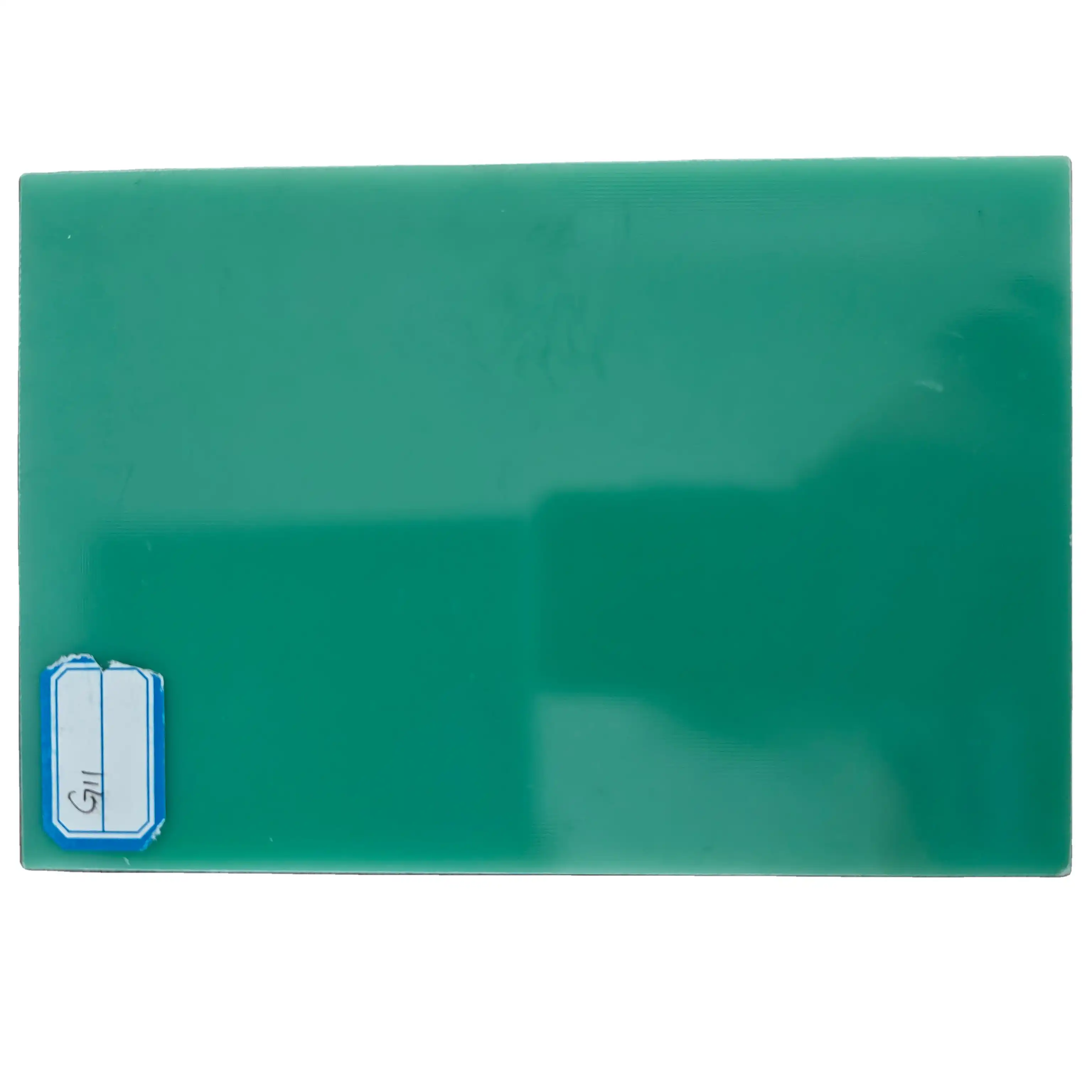
Understanding G11 Epoxy Sheet and Its Technical Properties
In accurate production, G11 epoxy sheet is an important and high-tech industrial material that can't be done without. This composite material has a carefully planned structure that blends high-quality epoxy resin layers with continuous glass fiber support. This makes a material with great mechanical and electrical properties.
Composition and Manufacturing Excellence
The exact production process of G11 material is what makes it work. High-quality woven fiberglass cloth is impregnated with epoxy resin systems that have been custom made. By using this method, a layered structure is made that is very consistent in both its mechanical and electrical features. Controlling the temperature and pressure during the manufacturing process makes sure that the resin cures completely and that the fiber-to-resin ratios are just right.
Because of how we can make things, we can make G11 sheets that are very stable in terms of size and quality of surface. The material is certified to meet strict international standards, such as ISO and RoHS requirements. This makes sure that buyers get goods that can handle the toughest tasks. Throughout the production process, quality control methods make sure that all of the batches of the product work the same way.
Electrical and Thermal Performance Characteristics
The dielectric strength values of G11 epoxy material regularly beat the industry standards for high-voltage uses, making it a great electrical insulator. The material keeps its electrical properties over a wide range of temperatures, so it can be used in situations where temperatures change quickly and at high levels.
Another important benefit of G11 material is that it is thermally stable. It can withstand constant working temperatures of up to 180°C without losing its structure integrity or electrical qualities. Because it can handle high temperatures well, this material is very useful in power plants, cars, and factories that need to make things that can handle heat.
Some of the chemical resistant properties of G11 material are that it works very well with industrial solvents, oils, and other chemicals that are common in factory settings. This chemical stability makes sure that the part will last for a long time even in difficult conditions, and it will keep its shape over long periods of service.
Comparing G11 Epoxy Sheet with Other Material Options
Procurement pros and building teams can make better choices about which materials to use when they know the comparison benefits of G11 epoxy sheet. There are different qualities of each material choice that may work better or worse depending on the needs and goals of the application.
G11 Versus G10 Performance Analysis
The primary distinction between G11 and G10 materials lies in their resin systems and resulting performance characteristics. G11 material offers enhanced thermal performance and improved mechanical properties compared to G10, particularly in high-load applications and elevated temperature environments. This performance advantage makes G11 the preferred choice for applications requiring superior durability and thermal stability.
Machining characteristics also differ between these materials, with G11 demonstrating improved dimensional stability during CNC processing operations. The enhanced resin system in G11 material reduces the likelihood of delamination and provides better surface finish quality in precision machining applications.
Comparison with FR4 and Phenolic Materials
Compared to FR4 materials, G11 has better mechanical strength and temperature performance, but it still has about the same level of electrical protection. Because of these two qualities, G11 is perfect for uses that need to both insulate electrical components and support structures. In harsh settings, the material lasts longer and costs less than other materials used in high-performance uses.
Even though phenolic materials are cheaper, they usually can't match the temperature and dynamic performance of G11 material. The epoxy glue system in G11 is better at withstanding harsh environments and keeping its shape, which makes it the best choice for precise tasks that need tight limits and reliable performance.
Precision CNC Machining of G11 Epoxy Sheets - Best Practices
Understanding the unique properties of G11 material and using the right machining methods to get the best results are important for CNC machining of this composite material. The right choice of method and tuning of parameters ensure high-quality finished parts while also extending the life of tools and improving production efficiency.
Tool Selection and Cutting Parameters
To get good working results with G11 material, you need to be very careful when choosing cutting tools that are made for composite materials. Carbide and diamond-tipped tools work best because they have sharp cutting edges that lower the risk of fiber pullout and delamination. During the cutting process, tool shape is very important for getting clean cuts and keeping tight tolerances on dimensions.
The best cutting speed and feed rate rely on the width of the material, the tool used, and the surface finish that is needed. When tight specs and surface quality standards need to be met, conservative cutting settings often produce better results than bold grinding methods. Using the right amount of coolant can help control the production of heat and improve the quality of the surface finish.
Quality Control and Dimensional Accuracy
Precision CNC equipment enables achievement of tight dimensional tolerances when machining G11 material, with capabilities extending to tolerances measured in thousandths of an inch. Material qualities that stay the same across the whole width of the sheet make cutting predictable and allow for accurate control of dimensions across production runs.
Post-machining steps like deburring and surface cleaning can improve the performance and look of a part even more. These extra steps get rid of any small flaws in the edges and make the surfaces smooth enough to meet the needs of demanding applications. Quality control methods make sure that finished parts meet all the required performance and size standards.
Procurement Insights for G11 Epoxy Sheet Buyers
To successfully buy G11 epoxy sheets, you need to know the different factors that affect how to choose a seller, how much they charge, and how reliable the supply chain is. Business-to-business buyers have to look at a lot of factors to make sure they get products that meet their professional needs while also being cost-effective and reliable in terms of delivery.
Supplier Evaluation and Quality Assurance
When evaluating a provider, it's important to start by looking at their producing skills, quality control methods, and certification status. Reliable providers have thorough quality control systems that make sure that the traits and performance of materials are the same from one production batch to the next. Following certification rules, such as ISO standards and environmental laws, shows a dedication to quality and following the rules.
Another important thing to look at when judging is how reliable the supply chain is, especially for makers who have tight production plans and need to keep just-in-time goods. For manufacturing companies that can't wait for deliveries or material shortages, suppliers with strong transportation and a range of shipping choices offer more security.
Pricing Factors and Negotiation Strategies
The price of a material depends on many things, such as the number of orders, the material's specs, the need for approval, and the state of the market. Understanding these factors that affect prices helps you negotiate better and keep costs down over the course of a long-term purchasing relationship. Making a promise to buy a certain amount of something can often lead to better prices and more secure supplies.
Pricing structures may be affected by customization needs such as specific thickness limits, surface finish requirements, and dimensional needs. When it comes to normal material types and sizes, suppliers with advanced manufacturing skills can often meet special needs while still offering cheap prices.
J&Q G11 Epoxy Sheet Solutions for Your Manufacturing Needs
J&Q has been making and selling high-quality insulation products to producers all over the world for more than twenty years. Our G11 epoxy sheet goods are made using cutting edge production methods and strict quality control to give you materials that can handle the toughest applications in a number of different fields.
Comprehensive Product Range and Customization
Our G11 material line comes in a lot of different thicknesses and sizes so that it can meet a lot of different production needs. Precision cutting, special measurement limits, and surface finish specs that fit the needs of a specific application are all examples of customization options. Customers can get products that are best for their specific industrial methods and performance needs because of this.
Quality assurance programs make sure that every package meets certain standards for size and function. Comprehensive testing methods check the electrical properties, mechanical properties, and physical accuracy of materials before they are shipped. This gives customers faith in the stability and performance of the materials.
Technical Support and Customer Service Excellence
Our professional support team is here to help you with everything from choosing materials to making applications. This support includes suggestions for cutting parameters, material advice for specific applications, and help with fixing problems so that customers can get the best results from our G11 materials. Customers can get the most out of the efficiency benefits of G11 material in their uses by talking to technology experts.
Our own logistics operations give us more control over delivery dates and package security, and our global logistics skills make it easy to get goods to factories all over the world. This unified method for managing the supply chain makes sure that customers get the materials they need when they need them and that the quality of the products stays high during shipping.
Conclusion
G11 epoxy sheet material represents an optimal solution for precision CNC machining applications requiring exceptional electrical insulation, thermal stability, and mechanical performance. The material's unique combination of properties makes it particularly valuable for electrical, industrial, automotive, and power generation applications where standard materials cannot deliver the necessary performance characteristics. Understanding the technical properties, machining best practices, and procurement considerations enables manufacturers to successfully implement G11 materials in their most demanding applications while achieving cost-effective results and reliable long-term performance.
FAQ
What temperature range can G11 epoxy sheet withstand during operation?
G11 material maintains its structural and electrical properties at continuous operating temperatures up to approximately 180°C, with short-term exposure capabilities extending to higher temperatures. This thermal performance makes the material suitable for applications involving significant heat generation or exposure to elevated ambient temperatures.
How does G11 compare to FR4 material for electrical insulation applications?
While both materials provide excellent electrical insulation, G11 offers superior mechanical strength and thermal performance compared to standard FR4 materials. G11 maintains its properties across wider temperature ranges and provides better dimensional stability under mechanical stress, making it preferable for demanding applications requiring both electrical and structural performance.
What customization options are available for CNC machining requirements?
G11 sheets can be supplied in various thicknesses and can accommodate precision cutting, drilling, and shaping operations. Custom dimensional tolerances, surface finish specifications, and specialized cutting patterns can be provided to meet specific manufacturing requirements and reduce secondary processing needs.
Partner with J&Q for Premium G11 Epoxy Sheet Solutions
J&Q stands ready to support your precision manufacturing requirements with our comprehensive G11 epoxy sheet product line and technical expertise. Our decades of experience in material production and international trade, combined with our integrated logistics capabilities, ensure reliable supply chain performance for your critical applications. As a trusted G11 epoxy sheet manufacturer, we provide customized solutions, responsive technical support, and quality assurance that meets the demanding requirements of modern manufacturing. Contact our team at info@jhd-material.com to discuss your specific requirements and receive detailed quotations tailored to your application needs.
References
Smith, R.J., "Composite Materials in Electrical Applications: Properties and Performance Analysis," Journal of Electrical Insulation Engineering, 2023.
Anderson, M.K., "CNC Machining Techniques for Advanced Composite Materials," Precision Manufacturing Review, 2024.
Thompson, L.A., "Comparative Analysis of Epoxy Laminates in Industrial Applications," Materials Science and Engineering Quarterly, 2023.
Wilson, D.C., "Thermal Performance of Glass-Epoxy Composites in High-Temperature Environments," Advanced Materials Research, 2024.
Johnson, P.R., "Procurement Strategies for Technical Composite Materials in B2B Manufacturing," Industrial Supply Chain Management, 2023.
Davis, K.M., "Quality Standards and Certification Requirements for Electrical Insulation Materials," International Standards Review, 2024.

Get a complete product list and quotation
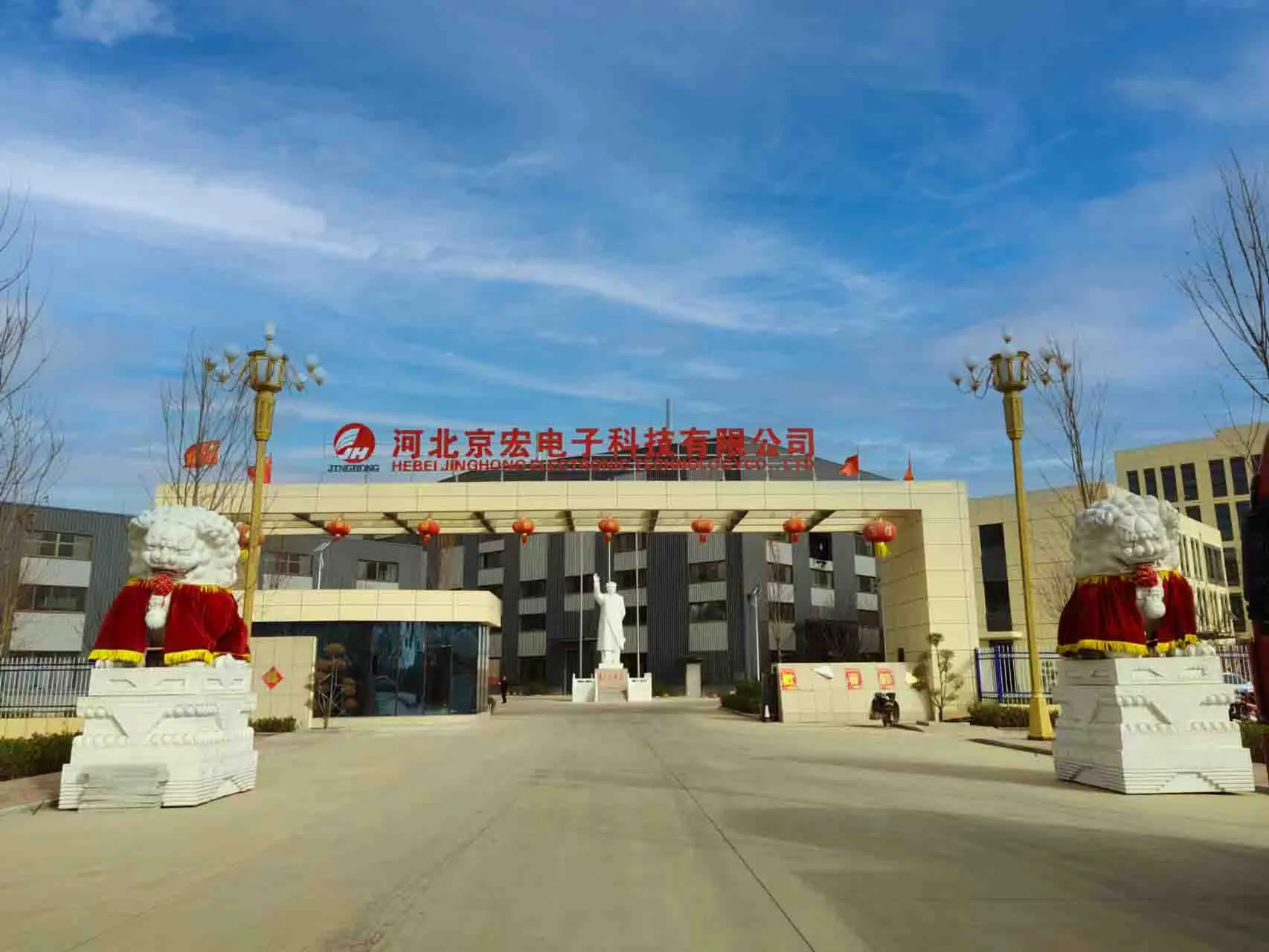
J&Q New Composite Materials Company