When you grind epoxy laminates, you need to be very careful about the grinding settings, tool selection, and temperature control in order to make the surface more level. These hybrid materials are commonly used in electrical insulation and PCBs. To get the exact level of flatness needed for the best performance, special methods must be used. Manufacturers can always get better surface cleanliness while keeping the epoxy resin matrix and fiberglass support layers safe by using the right grinding wheels, feed rates, cooling systems, and quality control.
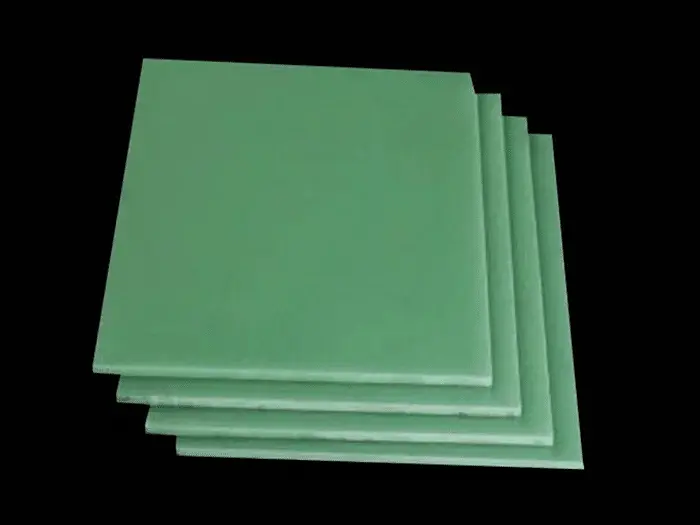
Understanding the Challenges of Grinding Epoxy Laminates for Flatness
Epoxy laminates are ground very differently from other materials because they have a lot of different parts and material qualities that make them behave in unexpected ways. When epoxy resin matrices are used with fiberglass supports, they make different levels of hardness across the surface of the material. This causes different rates of material loss during grinding.
Material Composition and Surface Irregularities
Because epoxy laminates are made with many layers of woven or non-woven fiberglass cloth that are soaked in thermosetting epoxy glue, they are composite materials. This stacked structure makes it naturally hard to get a consistently level surface. The plastic parts are softer and more likely to be damaged by heat, but the glass fiber supports are a lot harder and more resistant to cutting tools.
These differences in material can cause small changes in the surface during grinding that add up to noticeable changes in flatness. The laminate's anisotropic features also help with directional grinding, which means that the rate of material removal depends on the grinding direction in relation to fiber orientation.
Thermal Effects and Resin Degradation
A lot of heat is made during cutting, which can hurt the quality and flatness of epoxy laminate surfaces. If it gets too hot, the polymer core may soften, expand, or even break down chemically. These temperature effects cause changes, bending, and burning in the surface that make it very hard to meet flatness standards.
The relatively low glass transition temperature of a lot of epoxy formulas means that temperature control is very important during grinding processes. When the grinding temperature gets too high, the resin can get soft like plastic, which makes the material smear instead of cut.
Fundamental Principles to Improve Surface Flatness in Epoxy Laminate Grinding
To get better surface flatness, you need to learn a number of different grinding methods and factors that are all related to each other. You need to know how to choose tools, set cutting settings, and control the surroundings so that you always get the same results with epoxy laminate grinding.
Optimal Tool Selection and Grinding Wheel Characteristics
Because of how hard they are and how well they conduct heat, diamond abrasives are the best way to grind epoxy laminates. Diamond wheels hold their cutting edge longer than regular abrasives and make less heat when they are used. Diamond's crystal structure lets it cut evenly through areas of the laminate that are high in resin and areas that are high in fiber.
Choosing the link for the grinding wheel is also very important for getting flatness. Diamond wheels with resin bonds do a great job of making surfaces smooth, but metal-bonded wheels are better for high-volume production settings because they make the tools last longer. The wheel's heat loading and building can't happen as long as its porosity structure lets enough coolant in and chips get out.
Parameter Optimization for Consistent Material Removal
To get the best material removal without damaging the surface, depth of cut, spinning speeds, and feed rates must be carefully matched. Generally, lower feed rates make the surface finish better, but they might also raise the time and money needed to make things. Higher spinning speeds can make the surface smoother, but more heat will be made, which is a tradeoff that needs to be considered.
Choosing the depth of cut means finding the sweet spot where grinding forces stay under control and the rate of material removal stays high. Shallow cuts lower the heat and grinding forces but may take more time, while deeper cuts risk damaging the surface and making mistakes in size.
Cooling System Design and Implementation
Effective coolant application serves multiple functions in epoxy laminate grinding: temperature control, chip evacuation, and lubrication. Flood cooling systems provide excellent temperature control but may create disposal challenges with synthetic coolants. Mist cooling systems offer environmental advantages while providing adequate temperature control for many applications.
Coolant chemistry selection impacts both grinding performance and environmental compliance. Water-based coolants offer excellent cooling properties but may require corrosion inhibitors for machine protection. Synthetic coolants provide superior lubrication but may be more expensive and require specialized disposal procedures.
Advanced Grinding Techniques and Innovations
Modern manufacturing demands have driven the development of sophisticated grinding technologies specifically designed to address the unique challenges of composite material processing. These advanced techniques offer significant improvements in surface quality, dimensional accuracy, and process consistency.
CNC Grinding and Automated Process Control
Computer numerical control grinding systems provide unprecedented precision and repeatability for epoxy laminate processing. Programmable grinding cycles allow for complex surface geometries and variable parameter settings throughout the grinding process. Real-time monitoring capabilities enable immediate adjustments when process variations are detected.
Adaptive control systems continuously monitor grinding forces, power consumption, and acoustic emissions to optimize grinding parameters automatically. These systems can detect tool wear, material variations, and thermal conditions, making real-time adjustments to maintain optimal surface quality and flatness tolerances.
Multi-Stage Grinding Strategies
Progressive grinding approaches utilize multiple passes with gradually decreasing removal rates and increasingly fine abrasive grits. This strategy allows for aggressive material removal in initial passes while achieving superior surface finish in final operations. Multi-stage processes also help distribute heat generation over time, reducing thermal stress accumulation.
Variable parameter grinding involves changing speeds, feeds, and coolant flow rates throughout the grinding cycle to optimize performance for different material removal phases. This approach maximizes productivity while ensuring excellent surface quality in finishing operations.
Best Practices in Quality Control and Flatness Measurement
Reliable measurement and control systems form the backbone of successful epoxy laminate grinding operations. Modern inspection technologies provide the accuracy and speed necessary for production environments while ensuring compliance with stringent flatness specifications.
Advanced Measurement Technologies
Optical profilometry systems offer non-contact measurement capabilities that eliminate potential surface damage from traditional stylus-based instruments. These systems can rapidly scan large surface areas, providing comprehensive flatness maps that reveal grinding-induced patterns and variations.
Coordinate measuring machines equipped with scanning probes combine high accuracy with excellent spatial resolution for critical applications. CMM systems can measure complex geometries and provide statistical analysis of flatness data for process optimization.
Statistical Process Control Implementation
SPC methods make it possible to constantly check the stability of the grinding process and spot parameter shift early on. Control plans that keep track of flatness measures, grinding forces, and changes in temperature can let you know early on if there might be a problem with the quality.
Process capability studies help find chances to make the process better and set reasonable acceptable limits. Regular capacity reviews make sure that grinding processes keep up with changing customer needs and industry standards.
Procurement Considerations for High-Quality Epoxy Laminates and Grinding Services
When you want to get epoxy laminates, you need to make sure that the suppliers have the right skills, and that they can help you with technical questions and issues. The picking method should look at both material qualities and handling skills to make sure that grinding works well.
Supplier Qualification and Certification Requirements
ISO 9001 and other quality standards make sure that production and quality control are always done the same way. For some uses, certificates that are important for the industry, like UL recognition and RoHS compliance, may be needed. Supplier audits should look at how well they can make products, how they ensure quality, and the help they offer with technical issues.
If you have a long-term relationship with your suppliers, you can work together to make custom products and handling methods that meet the needs of different applications. When you're making new goods or fixing problems with processing, having technical help is very important.
Custom Solutions and Value-Added Services
Many suppliers offer value-added services such as precision cutting, surface preparation, and custom packaging to reduce customer processing requirements. These services can improve supply chain efficiency while ensuring optimal material condition for grinding operations.
At J&Q, we leverage over 20 years of experience in insulating sheet production and more than 10 years in international trading to provide comprehensive solutions for epoxy laminate applications. Our integrated logistics capabilities ensure timely delivery while maintaining material quality throughout the supply chain.
Conclusion
To get better surface flatness when grinding epoxy laminates, you need to choose the right tools, set up your machine correctly, cool the surface properly, and make sure that the quality control is strict. Because these materials are made up of different parts, they need special methods that can handle the difficult job of grinding uneven structures while keeping the accuracy and quality of the surfaces. With modern grinding methods, advanced measurement systems, and statistical process control, you can make high-quality surfaces that meet strict industry standards. Knowing the basic material qualities and using proven methods that fit the needs of the individual application are the keys to success in epoxy laminate grinding.
FAQs
Why does epoxy laminate surface flatness matter for PCB manufacturing?
Surface flatness directly affects multilayer adhesion and electrical insulation performance in PCB applications. Variations in flatness can cause air gaps between layers, leading to delamination, reduced dielectric strength, and compromised signal integrity. Proper flatness ensures uniform bonding pressure during lamination and maintains consistent electrical properties across the entire board surface.
Can overheating during grinding damage epoxy laminates?
Yes, excessive heat generation can cause resin degradation, thermal expansion, and surface burning that severely compromises material properties and flatness. Overheating may lead to delamination between resin and fiber layers, creating surface irregularities and reducing mechanical strength. Proper cooling techniques, optimized grinding parameters, and appropriate tool selection prevent thermal damage while maintaining surface quality.
What measurement tools provide the best accuracy for verifying epoxy laminate flatness?
Optical profilometry systems and coordinate measuring machines equipped with scanning probes offer excellent accuracy for flatness measurement. These non-contact methods prevent surface damage while providing comprehensive surface maps. Tactile measurement systems can also be effective but require careful probe selection to avoid damaging the composite surface structure.
Partner with J&Q for Premium Epoxy Laminate Solutions
J&Q stands ready to support your epoxy laminate grinding challenges with comprehensive technical expertise and superior material quality. Our extensive experience as an epoxy laminates manufacturer enables us to provide customized solutions tailored to your specific flatness requirements and application needs. We understand the critical importance of surface quality in electrical and electronic applications and have developed specialized processing capabilities to meet the most demanding specifications.
Our technical team collaborates closely with customers to optimize grinding parameters and develop custom material formulations that enhance processability while maintaining exceptional performance characteristics. With our integrated logistics network and commitment to quality excellence, we ensure reliable supply chain support for your production requirements.
Ready to enhance your epoxy laminate grinding performance and achieve superior surface flatness? Contact us at info@jhd-material.com to discuss your specific requirements and discover how our expertise can optimize your manufacturing processes. Request samples or technical consultation to experience the J&Q difference in epoxy laminate quality and service excellence.
References
Smith, R.J. and Thompson, M.K. "Advanced Grinding Techniques for Composite Materials." Journal of Manufacturing Science and Engineering, Vol. 142, No. 8, 2020.
Chen, L. and Williams, P.A. "Surface Quality Optimization in Epoxy Laminate Processing." International Journal of Machine Tools and Manufacture, Vol. 156, 2020.
Anderson, D.M. "Thermal Management in Composite Material Grinding Operations." Manufacturing Technology Today, Vol. 29, No. 4, 2021.
Rodriguez, S.E. and Kumar, A. "Quality Control Methods for Laminated Composite Surfaces." Precision Engineering, Vol. 68, 2021.
Johnson, K.L. "Diamond Tool Technology for Composite Material Machining." International Journal of Abrasive Technology, Vol. 11, No. 3, 2022.
Zhang, H. and Miller, B.R. "Process Optimization Strategies for Epoxy Resin Composite Grinding." Journal of Composite Materials, Vol. 56, No. 12, 2022.