High-precision cutting methods for epoxy laminate board are an important part of making sure that electronic parts are the right size and have the right edge quality. These high-tech approaches help makers get better results in PCB production, where exact cuts and slots are needed for the best placement of parts and electrical performance. With modern slotting technologies, epoxy laminate board making is more precise, more efficient, and uses less material. These changes have been seen in many different industries.
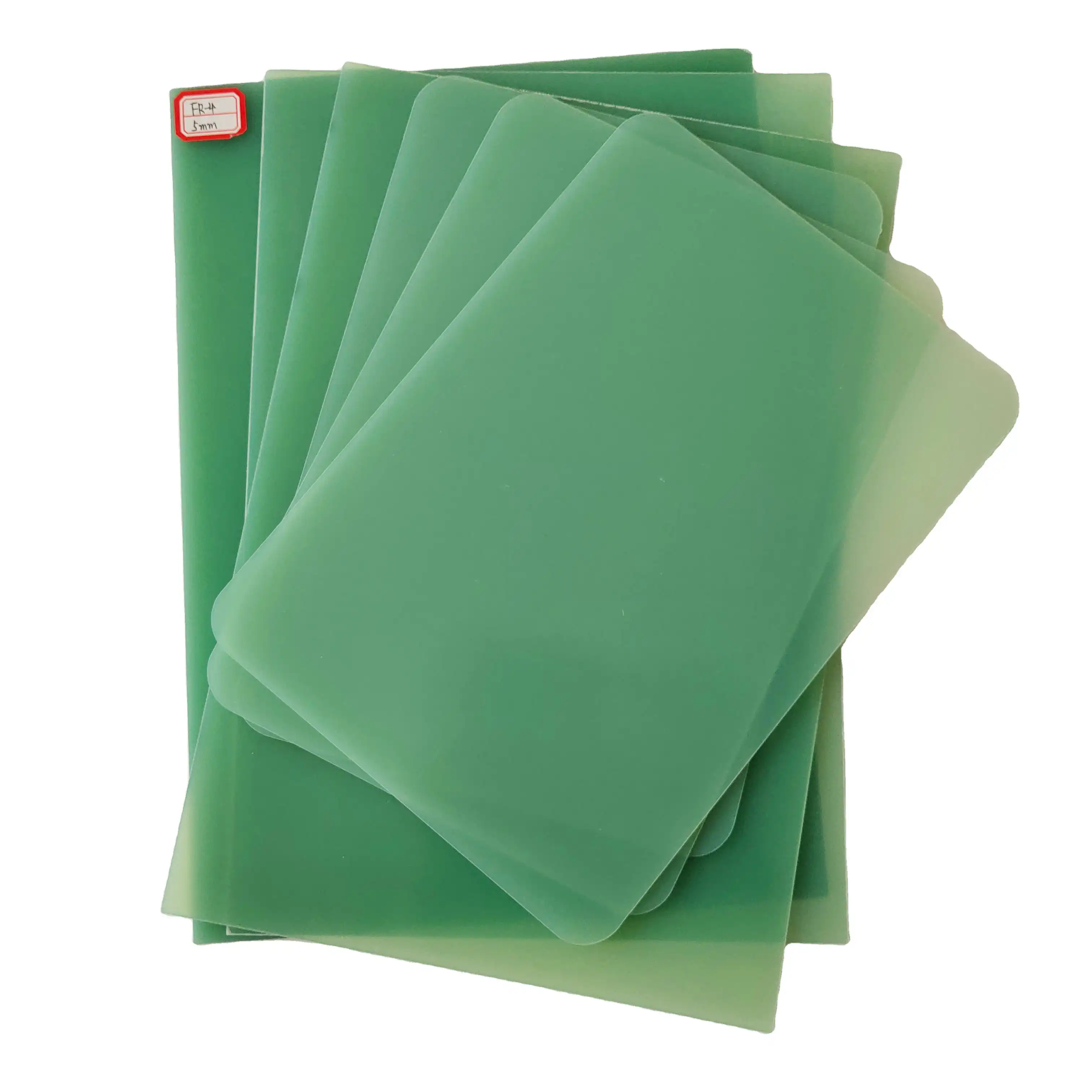
Understanding Epoxy Laminate Boards and Slotting Challenges
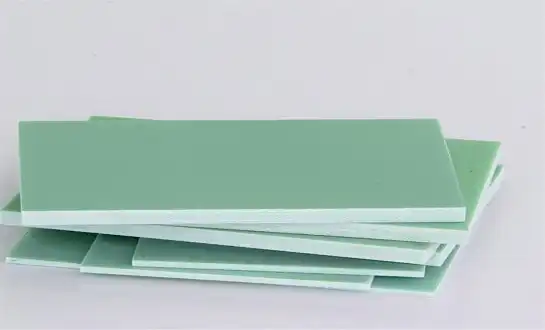
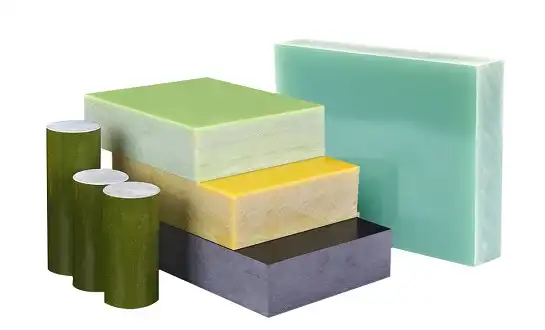
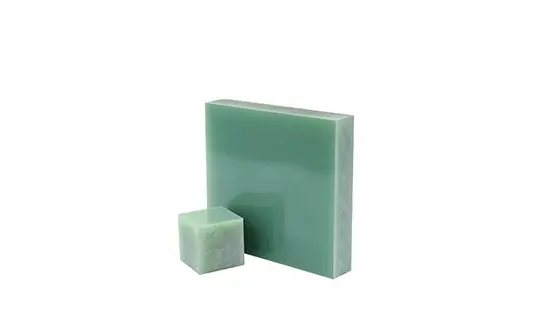
Epoxy laminate boards are very important in electronics manufacturing because they are made by mixing woven glass fabric layers with epoxy resin, which makes materials that are great for insulating electricity, keeping heat stable, and holding things together. These composite materials are used in a lot of different ways as PCB bases, electrical insulation systems, and parts of a structure where dependability is most important.
Material Composition and Properties
Epoxy laminate boards are made of several pieces of glass fabric that have been soaked in thermosetting epoxy resin. This mix makes a heterogeneous structure that has its own problems when machining processes are happening. The epoxy matrix gives great chemical protection and electrical insulation, and the glass fibers give mechanical strength and dimensional stability. Engineers can choose the right slotting settings and tooling methods when they know how this dual-phase mixture works.
Common Slotting Challenges
Epoxy laminate boards are slotting operations difficult to do right, and this can hurt the quality of the end product. When cutting forces are too weak or the tool is not shaped correctly, the glass fabric layers can be separated from the resin core. This is called delamination. If you cut too quickly or use old tools on the cut edges, pieces can break off. This can make the surfaces rough, which might hurt electrical performance. Thermal damage happens when the epoxy resin is broken down by too much heat while cutting. This could change the material's electrical and mechanical features.
Another big issue is dimensional inaccuracy, especially in situations where high precision is needed and tolerances must stay within micron-level specifications. These problems are often caused by tool deflection, machine shaking, or workholding systems that aren't good enough and let the material move while it's being cut.
State-of-the-Art Slotting Techniques for Epoxy Laminate Boards
Today’s factories use a range of new slotting methods to get better results with epoxy laminate board processing. These methods get around the problems that older slotting techniques had. These technologies work better than traditional mechanical cuts in certain ways.
Advanced Precision Slotting Technologies
Laser slotting technology for epoxy laminate board uses focused laser rays to make very exact cuts without affecting the material around them with heat. This method doesn't use contact, so you don't have to worry about tools getting worn down, and it can create complicated shapes that would be difficult to do with mechanical cutting. The process factors, such as laser power, cutting speed, and pulse frequency, need to be carefully fine-tuned to avoid too much heat buildup and still get a good cut.
CNC micro-milling is another high-tech method that uses very sharp cutting tools with optimized shapes that are made for composite materials. These tools have special finishes and edge preparations that cut down on the force needed to cut and extend the life of the tools. Exact control of spinning speed, feed rate, and depth of cut guarantees that each production run has the same outcome.
Ultrasonic machining uses high-frequency waves and abrasive slurry to erode material in a controlled way. This method works especially well for making complex slot designs and reducing stress on the workpiece.
Process Optimization Strategies
Systematic process optimization is needed to successfully adopt advanced slotting techniques. Before-processing material review looks at the evenness of board thickness, the distribution of resin content, and the orientation of fibers in order to guess how machining will work. Speed, feed, and cooling methods that are tailored to specific material grades and geometric needs are part of parameter optimization. Quality checks at every stage of the process make sure that the surface finish and measurement accuracy standards are always met.
Selecting the Right Epoxy Laminate Board and Slotting Method
Choosing the right material is very important for slotting. Different epoxy laminate types have different benefits for different uses. Knowing these facts about the material makes it easier to choose the right board and the best way to slot it.
Critical Material Factors
The thickness of the material affects the choice of cutting tool and the factors of the process. Thicker materials need stronger tools and different ways of cutting. Weave patterns in glass cloth affect how cutting works, since different weave styles make fibers point in different ways that changes how tools are worn and the quality of the edges. The resin content affects how easily the material can be machined. Generally, higher resin levels make cutting easier but may lower the material's ability to fight heat.
Grade Comparisons and Applications
Materials of the FR4 grade are the most popular type of epoxy laminate. They have good electrical properties and great resistance to flame for standard PCB uses. These boards usually don't have any problems being machined with standard methods, but for high-precision fitting, they might need special methods.
High-Tg variants offer better thermal performance for uses that need it, but they are often harder to machine because of their cross-linked polymer structure. Epoxy laminates are cheaper options for less demanding uses where moderate precision requirements let you use more flexible machining methods.
Case Studies and Practical Insights for Procurement and Manufacturing
When high-precision slotting methods are used in the real world, they show measurable benefits in a range of industries. These apps give procurement teams and manufacturing engineers useful information that helps them make their processes more efficient.
Industry Applications and Results
When companies that make telecommunications equipment started using laser slotting to get antenna substrate ready, they reported big increases in production output. The exact edge quality that can be gotten with advanced fitting methods helps signal integrity and lowers electromagnetic interference in high-frequency applications.
When automotive electronics makers switched from traditional mechanical cutting to CNC micro-milling for parts of the battery management system, they had lower scrap rates and saved a lot of money. Better dimensional accuracy through precision slotting makes manufacturing tolerances tighter and products more reliable.
Supplier Evaluation and Management
To have a good working relationship with your suppliers for epoxy laminate board, you need to carefully check their technical skills, such as the equipment, process control systems, and quality management protocols they have. When you use new fitting methods, you have to think about lead time even more because the first steps may make delivery take longer. Minimum order number rules have to be in line with plans for production, and customization options make it possible to get products that are just right for certain needs.
Ensuring Long-Term Success: Maintenance, Optimization, and Innovation
Long-term, high-precision slotting can only be done if people keep up with repair schedules, look for ways to improve processes, and stay on top of new tech trends. All of these factors together decide how well a business will do in the long run and how well it will compete.
Maintenance Protocols and Process Improvement
Regular repair schedules include plans for replacing tools, calibrating equipment, and controlling the environment to keep the best cutting conditions. Preventive maintenance programs help find problems before they affect the standard of production or the amount of production. Continuous process improvement uses statistical process control methods and real-time monitoring tools to find the best cutting settings and keep the quality consistent.
Future Technology Trends
Adding automation to high-precision slotting operations offers more consistent results and less work. AI-assisted machining systems can instantly change how they cut based on feedback in real time. This makes sure that they always work at their best, even when the material changes. Smart manufacturing platforms make it possible to gather and analyze large amounts of data. This helps with predictive maintenance and optimizing processes.
Conclusion
Epoxy laminate boards' high-precision slotting methods have changed a lot, giving producers new ways to make better quality products and streamline their operations. Using new technologies like laser slotting, CNC micro-milling, and ultrasonic machining instead of older mechanical cutting methods solves issues with delamination, thermal damage, and physical accuracy. Choosing the right materials, constantly improving the process, and building strong relationships with suppliers who offer technical help and good delivery for epoxy laminate board are all things that will help these methods work. The electronics industry is moving toward higher accuracy and more automation. Global markets are always changing, but companies that use these new slotting technologies will always have an edge over their competitors.
FAQs
What thickness ranges work best for precision slotting of epoxy laminate boards?
Optimal thickness typically ranges from 0.5mm to 6.4mm for most precision slotting applications. Thinner boards require specialized workholding to prevent vibration, while thicker materials need modified cutting strategies to maintain edge quality throughout the depth of cut.
How do advanced slotting techniques preserve the electrical properties of epoxy laminate boards?
Modern slotting methods like laser cutting and ultrasonic machining generate minimal heat compared to traditional mechanical cutting, preserving the dielectric strength and insulation resistance critical for electrical applications. Proper parameter optimization ensures thermal damage remains negligible.
What factors determine the most suitable slotting technique for specific applications?
Key considerations include required dimensional tolerance, production volume, material grade, geometric complexity, and cost constraints. Laser slotting excels for intricate patterns and tight tolerances, while CNC micro-milling offers versatility for various geometries and batch sizes.
Partner with J&Q for Premium Epoxy Laminate Board Solutions
J&Q has more than twenty years of experience making and providing high-quality insulation materials, as well as over ten years of experience with the specifics of doing business across borders. We know what the global market needs and what the technical details are, so we can provide great epoxy laminate board solutions that work for the most difficult precise slotting tasks.
We are a trusted epoxy laminate board manufacturer, and we make sure that our production methods always meet strict quality control standards. This guarantees that the material properties are consistent and makes slotting easier. Our transportation team makes delivery faster and more reliable for customers in a wide range of industries.
No matter if it's a normal PCB application or a specialized high-precision electronics assembly, our technical team works closely with customers to get the best material specs for their slotting needs. We know how important the link is between material properties and machining success. Our consultation services can help you get the most out of your production efficiency while lowering the difficulty of your operations.
Ready to enhance your manufacturing capabilities with superior epoxy laminate board materials optimized for precision slotting? Contact us at info@jhd-material.com to discuss your specific requirements and discover how our expertise can support your next project success.
References
Advanced Machining Technologies for Composite Materials in Electronics Manufacturing, Journal of Manufacturing Science and Engineering, 2023
Precision Cutting Techniques for Glass-Fiber Reinforced Epoxy Laminates, International Journal of Machine Tools and Manufacture, 2022
Thermal Effects in High-Speed Machining of Epoxy-Based Composite Materials, Materials Processing Technology Review, 2023
Quality Control Methods for PCB Substrate Manufacturing and Processing, Electronics Manufacturing Technology Handbook, 2022
Comparative Analysis of Cutting Technologies for Fiber-Reinforced Polymer Composites, Composites Manufacturing Engineering Quarterly, 2023
Process Optimization Strategies for Industrial Laminate Processing, Manufacturing Systems Engineering Journal, 2022