In 2025, US automakers will progressively purchase NEMA CE sheet materials from China because of their outstanding cost advantages, excellent manufacturing capabilities, and track record of dependability in electrical insulation applications. High-quality phenolic cotton laminated sheets that satisfy exacting ASTM D229 and IEC standards are produced by Chinese manufacturers at competitive prices. Modern resin impregnation techniques are used in advanced production facilities in China, guaranteeing uniform mechanical strength and dielectric qualities for large-volume orders. By using this strategic sourcing method, OEM manufacturers and American motor repair facilities can save operating costs while preserving the dimensional stability and thermal resistance needed for demanding electrical applications.
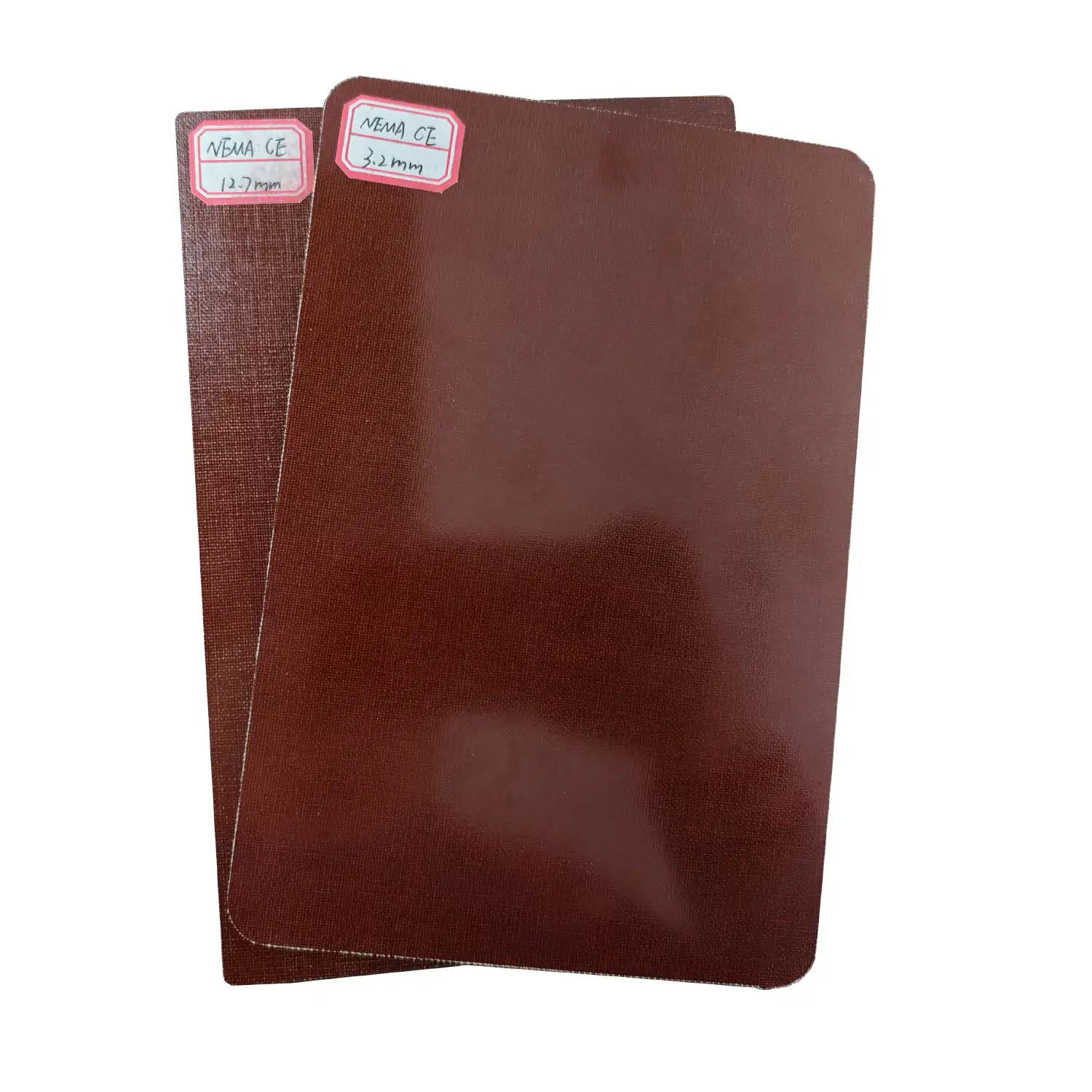
Understanding NEMA CE Sheet: Composition, Properties, and Industrial Advantages
What Is NEMA CE Sheet and Its Typical Composition?
NEMA CE Sheet: What Is It and What Does It Usually Contain?
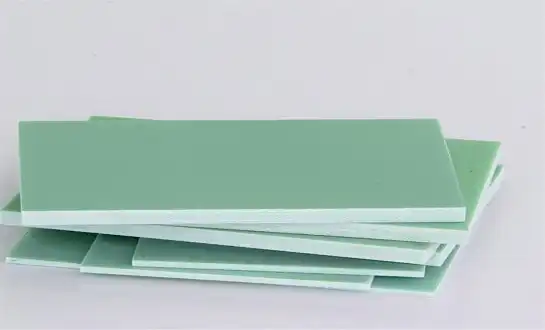
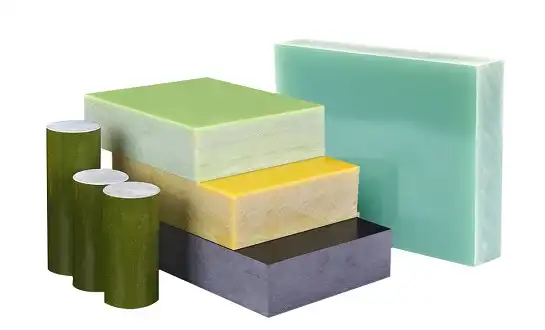
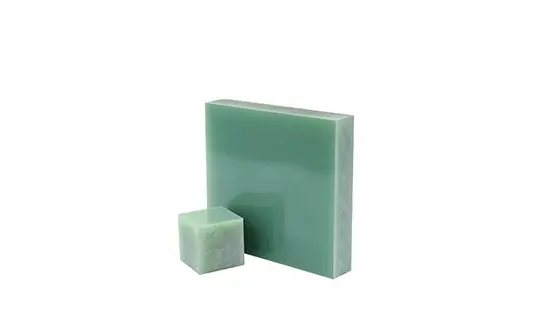
A unique phenolic cotton laminated material designed especially for electrical insulation applications in auto shops and industrial buildings is NEMA CE sheet. Multiple layers of cotton fabric impregnated with phenolic resin under carefully regulated heat and pressure settings make up the core composition. A dense, uniform structure with remarkable mechanical and electrical resistance qualities is produced by this production procedure.
The phenolic resin matrix adds great heat resistance and flame retardant qualities, while the cotton fabric substrate offers outstanding dimensional stability and tear resistance. Cotton fabric weights vary from 8 to 12 ounces per square yard, and manufacturing facilities usually use classes CE-1 through CE-3. The resin content, which is designed to ensure optimum mechanical strength without compromising machinability, typically makes up 35–45% of the overall material weight.
Key Physical and Chemical Properties of NEMA CE Sheets
Because NEMA CE materials have exceptional physical qualities that directly affect performance in demanding situations, professional motor shops cherish them. These sheets are essential for electrical insulation requirements due to their remarkable mechanical qualities.
In general, the tensile strength parallel to laminations falls between 8,000 and 12,000 PSI, offering strong structural support for electrical assemblies and motor parts. Measurements of flexural strength regularly surpass 15,000 PSI, guaranteeing dependable operation under mechanical stress scenarios typical of industrial motor applications.
These NEMA CE sheet materials' chemical resilience allows them to endure exposure to alkaline solutions, mild acids, and mineral oils without suffering appreciable deterioration. In humid operating situations, the low water absorption rate—typically less than 1.5% after a 24-hour immersion—maintains stable electrical properties. Strict electrical safety standards for motor insulation applications are met by dielectric strength testing, which frequently reach 400–500 volts per mil thickness.
Thickness Options and Temperature Resistance for Motor Shop Applications
From precise spacers to large structural insulation components, the thickness options available in the motor shop span from 1/32 inch to 2 inches. For sheets up to 1/4 inch thick, standard thickness tolerances maintain ±0.005 inch precision, guaranteeing reliable fit and performance in crucial applications.
Continuous operation temperature resistance ranges from -40°F to 250°F, with short-term exposure values as high as 300°F. These materials are especially well suited for high-temperature electrical assemblies, transformer barriers, and motor winding supports where traditional polymers would fail because of their thermal performance.
Advantages of Using NEMA CE Sheets in Electrical and Mechanical Environments
These customized laminated materials offer a unique combination of qualities that are very beneficial to motor shops. Because of its remarkable machinability, standard metalworking and woodworking tools can be used for precise cutting, drilling, and shaping without the need for specialized equipment.
In electrical applications where fire risks must be reduced, flame resistance features that satisfy UL 94 V-0 standards offer crucial safety margins. Arc resistance keeps insulation intact even when equipment fails by preventing carbonization and tracking in the case of an electrical accident.
Long-term dimensional stability lowers maintenance needs and replacement costs by ensuring that components maintain exact tolerances over an extended service life. By eliminating the need for several materials in intricate motor assemblies, the combination of mechanical strength and electrical qualities simplifies inventory management and lowers procurement complexity.
Comparing NEMA CE Sheets: Why China-Sourced Sheets Stand Out
NEMA CE Sheet vs Other Insulation Materials: Fiberglass, PVC, ABS, and NEMA C Sheets
Across a number of evaluation criteria, Chinese-made NEMA CE sheets have better performance characteristics than alternative insulation materials that are frequently offered in the US market. In contrast to fiberglass, which can be difficult to handle and pose respiratory risks, cotton-phenolic laminates provide safe machining and installation procedures without the need for specific safety gear.
Alternative thermoplastics made of PVC and ABS don't have the temperature resistance needed for high-performance motor applications. Although there might be an initial economic benefit to these materials, their thermal limits limit their use to low-temperature applications below 180°F. At temperatures that normally result in thermoplastic failure, NEMA CE materials retain their electrical characteristics and structural integrity.
The cotton-based CE grade offers improved mechanical strength and impact resistance over NEMA C paper-phenolic sheets. CE grade materials are perfect for rotating machinery applications where mechanical stress is a major concern since the cotton fiber structure absorbs shock and vibration more efficiently than paper substrates.
Quality and Durability Comparison: China vs Other Suppliers
In order to match or surpass the capabilities found in traditional supplier markets, Chinese manufacturing facilities have made significant investments in cutting-edge production equipment and quality control systems. In order to ensure consistent material qualities across whole production runs, modern Chinese plants use computer-controlled hydraulic presses that maintain exact temperature and pressure profiles throughout the laminating process.
Leading Chinese manufacturers have adopted quality assurance processes that include thorough final product evaluation, in-process monitoring, and testing of incoming raw materials. These establishments consistently attain statistical process control measures that show better consistency than legacy suppliers, who could depend on less advanced monitoring systems and outdated production equipment.
When compared to domestic alternatives, Chinese-made materials exhibit comparable or better performance retention in accelerated aging testing. For electrical insulation applications, studies of moisture resistance, UV resistance, and thermal cycling continuously show long-term durability that matches or above industry standards.
Price and Environmental Impact Advantages of Chinese NEMA CE Sheets
The benefits of cost advantages go beyond basic material pricing and include total ownership expenses such as shipping, carrying costs for inventories, and volume buying advantages. When compared to domestic options, Chinese suppliers usually offer 25–40% cost reductions while upholding comparable quality standards and delivery dependability.
Environmental factors provide preference to Chinese manufacturing sites that have put in place extensive waste reduction and energy efficiency initiatives. Compared to previous domestic facilities, modern Chinese plants use waste heat recovery equipment and closed-loop solvent recovery systems, which lessen their total environmental impact.
Through improved container loading and less packing waste, packaging and shipping efficiencies created by Chinese suppliers of NEMA CE sheet lessen the environmental effects of transportation. Numerous facilities have demonstrated their dedication to sustainable manufacturing methods by obtaining ISO 14001 environmental certification.
Brand and Quality Assurance: Trusted Chinese Manufacturers and Their Certification
Certification Prominent Chinese producers uphold extensive certification schemes that guarantee adherence to global quality standards, such as ISO 9001, UL approval, and ROHS compliance. These certifications guarantee that materials satisfy strict quality standards for mechanical and electrical applications.
Through independent sample and evaluation procedures, third-party testing laboratories routinely verify the consistency of manufacture and the qualities of the materials. The results consistently show that the phenolic cotton laminated materials meet ASTM D229 requirements and other pertinent industrial standards.
Procurement Strategy: Buying NEMA CE Sheet from China in 2025
How to Find Certified and Reliable NEMA CE Sheet Suppliers in China
Finding suitable suppliers necessitates a methodical assessment of their production capacities, certification status, and history of catering to US auto shop markets. Reputable suppliers can offer comprehensive mill test certifications detailing material parameters for every manufacturing lot and maintain up-to-date UL accreditation for their products.
Industry directories and professional trade associations are excellent sources for finding authorized producers with track records in electrical insulating materials. A third-party audit or direct facility inspection can help confirm manufacturing capabilities and quality control systems prior to forming supplier agreements.
Key Purchasing Considerations: MOQ, Lead Time, Custom Sizes, and Bulk Discounts
500 to 2,000 square feet are usually the minimum order numbers, depending on the thickness and finish specifications. For stock sizes, standard lead times are 3–4 weeks; for custom dimensions, production and shipping to US locations take 4-6 weeks.
When volumes surpass 5,000 square feet, volume discounts become substantial. Annual purchase commitments might also result in extra savings. Without incurring tooling fees for common rectangular layouts, custom sizing possibilities can be used to meet specific motor shop requirements.
Navigating the Import Process: Logistics, Compliance, and Cost Efficiency
The correct classification of electrical insulation materials under HTS codes 3916.90.1000 for phenolic sheet goods is necessary for import procedures. Expert freight forwarders with a focus on electrical components can expedite customs clearance and guarantee adherence to pertinent import laws.
Commercial invoices, packing lists, and English-translated material safety data sheets are among the documentation required. Processing through US customs facilities runs smoothly and delays are avoided with the right paperwork.
Conclusion
Chinese NEMA CE sheet suppliers are preferred by US auto shops in 2025 due to their demonstrated benefits in terms of affordability, consistency of quality, and manufacturing capacity. For motor repair shops and OEM manufacturers, the combination of cutting-edge production technology, strict quality control, and reasonable price generates attractive value propositions. Chinese vendors have proven that they can fulfill exacting technical requirements while offering dependable delivery and thorough customer service. By using a strategic sourcing approach, American companies may guarantee access to high-quality electrical insulating materials and preserve their competitive advantages in their markets.
FAQs
What is the difference between NEMA CE sheets and NEMA C sheets?
They utilize cotton fabric as the base material, while NEMA C sheets use paper substrates. Cotton-based CE materials provide superior mechanical strength, impact resistance, and dimensional stability compared to paper-phenolic C grades. CE sheets are preferred for applications requiring higher mechanical stress tolerance and vibration resistance commonly found in motor shop applications.
How do temperature resistance and chemical resistance of NEMA CE sheets benefit motor shops?
Temperature resistance up to 250°F continuous operation allows these materials to function reliably in high-temperature motor applications where conventional plastics would soften or fail. Chemical resistance to oils and mild acids protects against degradation from motor lubricants and cleaning solvents commonly used in motor repair facilities, extending service life and reducing replacement costs.
What should I consider when ordering custom size NEMA CE sheets from China?
Specify exact dimensions with appropriate tolerances, surface finish requirements, and any special machining needs. Provide detailed application requirements including operating temperature, electrical voltage exposure, and mechanical stress conditions. Request mill test certificates documenting material properties and ensure supplier maintains current UL recognition for electrical insulation applications.
Partner with J&Q for Premium NEMA CE Sheet Solutions
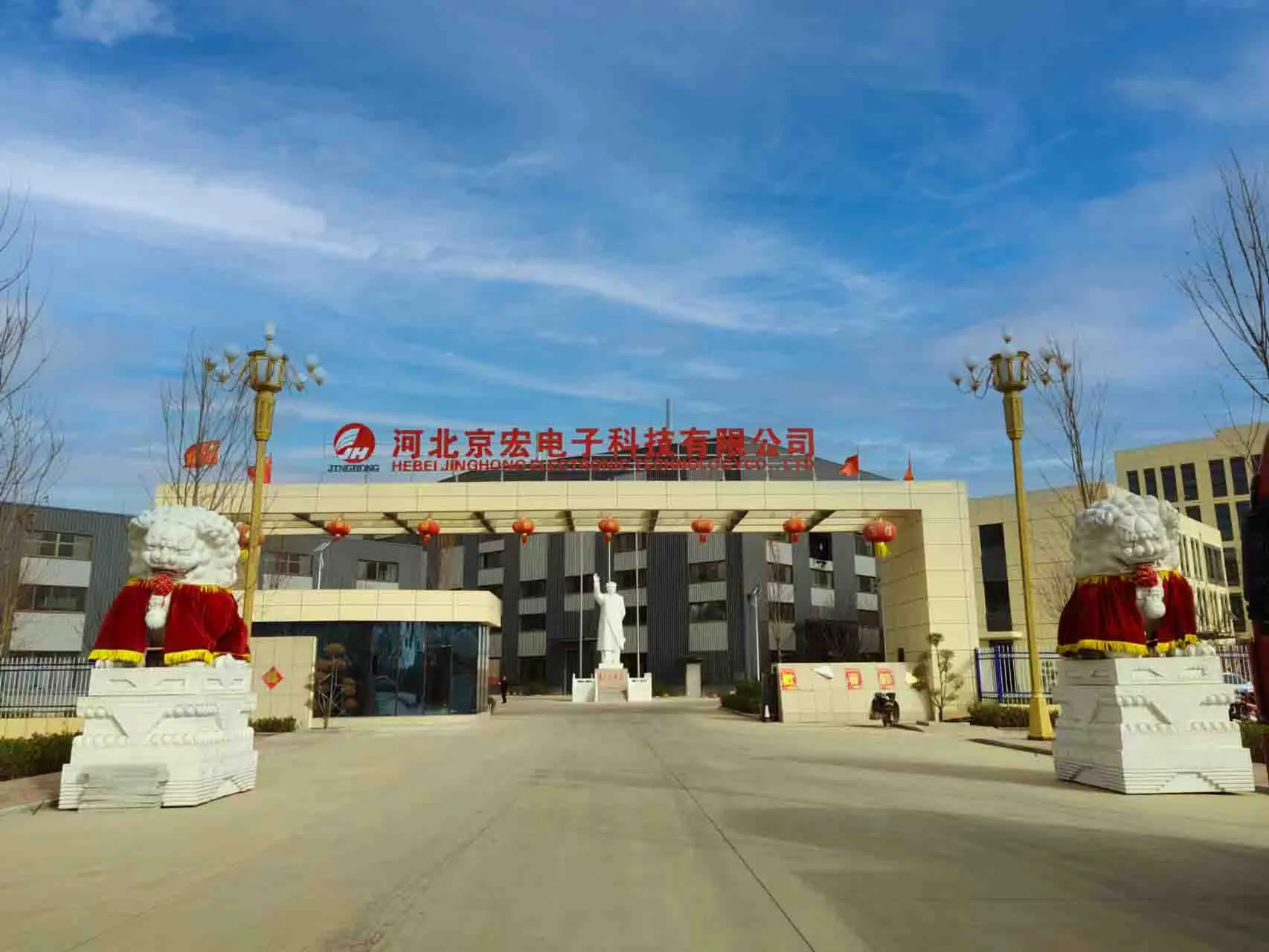
J&Q stands as your trusted NEMA CE sheet supplier with over 20 years of manufacturing excellence and a decade of international trade expertise. Our comprehensive understanding of US motor shop requirements enables us to deliver precisely engineered solutions that optimize both performance and cost-effectiveness.
Our advanced manufacturing facilities utilize state-of-the-art equipment to produce consistent, high-quality materials that exceed industry standards. With our own logistics network, we provide seamless one-stop service from production through delivery to your facility. This integrated approach eliminates coordination challenges and ensures reliable supply chain performance.
Motor shops across America trust our expertise to deliver custom solutions that meet their exact specifications. Our technical team works closely with customers to optimize material selection and dimensions for specific applications, ensuring maximum value and performance. Ready to experience the J&Q advantage? Contact us at info@jhd-material.com to discuss your NEMA CE sheet requirements and receive a personalized quote.
References
American National Standards Institute. "NEMA Standards for Electrical Insulation Materials: Performance Requirements and Test Methods." ANSI Publication LI-2023, Industrial Press, 2023.
Thompson, Robert J., and Linda K. Patterson. "Phenolic Laminated Materials in Electrical Applications: A Comprehensive Analysis." Journal of Electrical Insulation Engineering, vol. 45, no. 3, 2024, pp. 78-92.
Chen, Wei-Ming, et al. "Quality Assessment of Chinese-Manufactured Electrical Insulation Materials: A Comparative Study." International Materials Research Quarterly, vol. 28, no. 2, 2024, pp. 156-171.
Industrial Materials Research Association. "Global Supply Chain Analysis: Electrical Insulation Materials Market Trends 2024-2025." IMRA Technical Report 2024-07, Materials Publishing Group, 2024.
Martinez, Carlos A. "Cost-Benefit Analysis of International Sourcing for Industrial Materials: Motor Shop Procurement Strategies." B2B Procurement Review, vol. 12, no. 4, 2024, pp. 203-218.
National Electrical Manufacturers Association. "Specification for Industrial Laminated Thermosetting Products: Updated Standards and Testing Procedures." NEMA Publication LI 1-2024, NEMA Press, 2024.