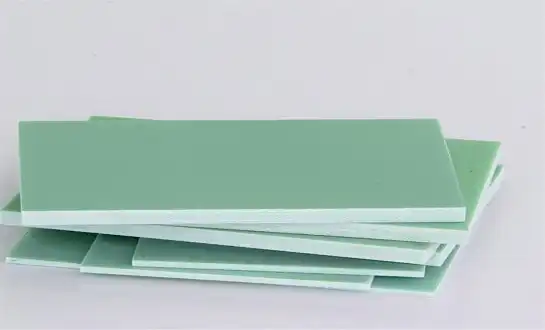
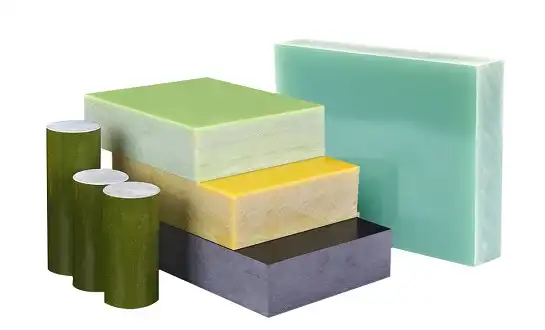
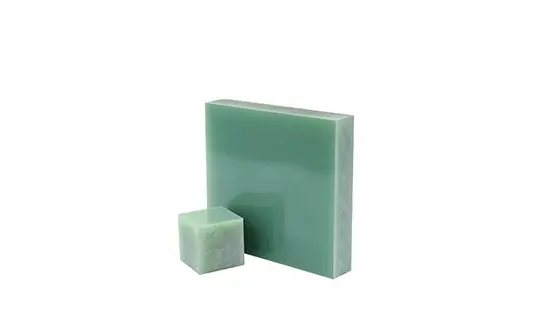
When working with fiberglass-reinforced epoxy sheets, selecting the right CNC end mills makes the difference between clean, precise cuts and costly material waste. Diamond-coated carbide end mills with sharp cutting angles typically deliver the best results for machining epoxy sheet materials. These specialized tools minimize delamination while maintaining tight tolerances essential for electrical insulation applications. Understanding which end mill configurations work best can save you significant time and material costs in your manufacturing process.

Why End Mill Selection Matters for Epoxy Sheet Machining?
Machining fiberglass-reinforced epoxy materials presents unique challenges that standard cutting tools simply cannot handle effectively. These composite materials combine the strength of glass fibers with epoxy resin matrices, creating abrasive conditions that quickly dull conventional end mills. The fibrous nature of these materials tends to cause edge chipping and delamination when cut with inappropriate tooling.
Professional machinists understand that epoxy laminate materials require specialized cutting approaches. The glass fibers act like tiny abrasive particles, wearing down tool edges rapidly. Meanwhile, the epoxy resin component can build up on cutting edges, reducing tool efficiency and surface finish quality. Heat generation during cutting also poses challenges, as excessive temperatures can cause the epoxy matrix to soften or burn.
Electrical manufacturers working with FR4 sheets and 3240 epoxy boards particularly need reliable machining solutions. These materials form the backbone of PCB assemblies and electrical insulation systems. Poor machining practices can compromise dielectric strength and dimensional accuracy, leading to product failures in critical applications.
Essential Selection Criteria for Epoxy Sheet End Mills
My evaluation of end mills for fiberglass-reinforced epoxy materials focuses on several critical performance factors. Tool life represents the primary consideration, as frequent tool changes disrupt production efficiency and increase operating costs. Cutting quality comes next, including edge finish, dimensional accuracy, and freedom from delamination.
Coating technology plays a crucial role in tool performance. Diamond coatings provide exceptional wear resistance against abrasive glass fibers. TiAlN coatings offer good performance at more affordable price points. Uncoated carbide tools may suffice for short runs but lack the durability needed for production environments.
Geometry considerations include helix angle, rake angle, and edge sharpness. Higher helix angles typically provide smoother cuts but may sacrifice tool rigidity. Sharp cutting edges minimize cutting forces and heat generation. Relief angles must balance edge strength with cutting efficiency.
Feed rates and spindle speeds significantly impact tool performance and part quality. Manufacturers typically recommend higher speeds with moderate feed rates for composite materials. Proper chip evacuation prevents heat buildup and material re-cutting that can cause surface defects.
Top Performing End Mills for Epoxy Composite Machining
Diamond-Coated Carbide End Mills
Diamond-coated carbide end mills represent the premium choice for high-volume epoxy sheet machining operations. These tools feature polycrystalline diamond (PCD) cutting edges that maintain sharpness through thousands of linear feet of cutting. The diamond coating provides unmatched wear resistance against abrasive glass fibers while delivering exceptional surface finishes.
Key advantages include extended tool life that can exceed conventional carbide tools by 10-20 times in composite materials. The superior edge retention maintains consistent part dimensions throughout long production runs. Heat resistance prevents cutting edge degradation even at higher cutting speeds.
Applications suit high-volume manufacturers processing FR4 sheets for electronics assemblies. Automotive suppliers machining battery pack barriers benefit from the precision and consistency these tools provide. The initial investment cost proves worthwhile for operations cutting significant volumes of epoxy laminate materials.
Recommended specifications include 30-degree helix angles for balanced performance. Two-flute designs optimize chip evacuation in composite materials. Sharp cutting edges minimize cutting forces and heat generation. Diameters ranging from 1/8" to 1/2" cover most common machining requirements.
Solid Carbide Compression End Mills
Compression end mills feature unique geometry combining upcut and downcut spirals in a single tool. This design prevents delamination by holding both top and bottom surfaces of the epoxy sheet during cutting. The geometry makes these tools particularly effective for through-cutting operations in layered composite materials.
Performance benefits include clean entry and exit cuts without edge chipping. The compression action eliminates the fuzzing common with conventional end mills in composite materials. Tool life surpasses standard carbide end mills while maintaining good cutting speeds.
Manufacturing applications include precision machining of Bakelite sheets for electrical components. Power sector companies use these tools for cutting arc barriers and insulation components. The clean cuts reduce secondary finishing operations, improving overall efficiency.
Optimal configurations feature micro-grain carbide substrates for edge sharpness. Unequal helix angles reduce chatter in composite materials. Variable pitch designs further minimize vibration during cutting. TiAlN coatings provide good wear resistance at moderate cost levels.
High-Performance HSS End Mills
High-speed steel end mills with specialized coatings offer cost-effective solutions for moderate production volumes. While not matching carbide tool performance, quality HSS tools with proper coatings can deliver satisfactory results in many epoxy sheet applications. These tools work particularly well for prototyping and short production runs.
Economic advantages include lower initial tool costs and good performance in manual machining operations. The toughness of HSS prevents chipping in less rigid machine setups. Resharpening capabilities extend tool life and reduce operating costs for smaller operations.
Suitable applications include job shop work and prototype development. Small appliance manufacturers benefit from the flexibility and cost-effectiveness these tools provide. Educational institutions and research facilities find HSS tools practical for experimental work with epoxy composite materials.
Recommended features include cobalt-enhanced HSS for improved heat resistance. TiN or TiAlN coatings extend tool life significantly. Sharp cutting edges prove essential for acceptable surface finishes. Multiple flute designs work well at lower cutting speeds typical of HSS tooling.
Global Market Considerations and Regional Preferences
International markets show varying preferences for end mill technologies based on local manufacturing capabilities and cost structures. European manufacturers often favor premium diamond-coated tools for their advanced composite processing facilities. The emphasis on precision engineering and long-term cost efficiency drives adoption of high-performance cutting tools.
North American markets demonstrate strong adoption of compression end mills, particularly in aerospace and automotive applications. The focus on productivity and surface quality aligns well with compression cutting technology benefits. Canadian manufacturers show particular interest in tools suitable for both composite and metal cutting applications.
Asian markets exhibit diverse preferences reflecting the range of manufacturing sectors. High-volume electronics manufacturers invest in premium tooling for consistent quality. Cost-conscious operations favor coated carbide tools that balance performance with affordability. Regional tool suppliers often provide customized solutions for local application requirements.
Regulatory considerations impact tool selection in various markets. European REACH regulations influence coating material choices. North American safety standards emphasize dust control during composite machining. These factors affect both tool design and application recommendations across different regions.
Purchase Recommendations and Implementation Guidelines
Successful implementation of epoxy sheet machining requires careful consideration of your specific application requirements. Volume considerations significantly impact the optimal tool choice. High-volume operations justify premium diamond-coated tools through extended tool life and consistent quality. Lower volume applications may find coated carbide or HSS tools more economical.
Machine capability assessment proves essential for tool selection success. Rigid machine tools can utilize aggressive cutting parameters with premium end mills. Less rigid setups benefit from conservative cutting approaches with tough tool materials. Spindle speed capabilities must match tool recommendations for optimal performance.
Cutting parameter optimization requires systematic approach. Start with manufacturer recommendations and adjust based on specific material characteristics and quality requirements. Monitor tool wear patterns to identify optimal replacement intervals. Document successful parameter combinations for consistent future results.
Supplier relationships play crucial roles in ongoing success. Choose suppliers with deep composite machining knowledge and technical support capabilities. Ensure availability of replacement tools to avoid production interruptions. Consider supplier geographic proximity for rapid delivery of critical tooling needs.
Industry Trends and Manufacturing Outlook
The cutting tool industry continues developing advanced coatings and geometries specifically for composite material machining. Nanostructured diamond coatings show promise for even longer tool life. Smart manufacturing integration enables real-time tool condition monitoring and automated parameter optimization. These developments will further improve efficiency and quality in epoxy sheet processing applications across diverse manufacturing sectors.
Conclusion
Selecting appropriate end mills for fiberglass-reinforced epoxy sheet machining significantly impacts both productivity and part quality. Diamond-coated carbide tools excel in high-volume applications, while compression end mills prevent delamination in critical applications. Understanding your specific requirements and machine capabilities guides optimal tool selection. Proper cutting parameters and systematic approach to tool management maximize both tool life and machining quality. Investment in appropriate cutting tools pays dividends through reduced scrap, improved surface finishes, and enhanced production efficiency.
FAQs
What cutting speed works best for epoxy sheet machining?
Optimal cutting speeds typically range from 15,000-25,000 RPM depending on end mill diameter and material thickness. Higher speeds generally produce better surface finishes but require adequate spindle capability and proper cooling.
How do I prevent delamination when cutting fiberglass-reinforced materials?
Use compression end mills or spiral upcut tools with sharp cutting edges. Maintain consistent feed rates and ensure proper workpiece clamping. Sharp tools and appropriate cutting parameters minimize cutting forces that cause delamination.
Can I use flood coolant when machining epoxy composites?
Air blast cooling typically works better than flood coolant for composite materials. Flood coolant can cause swelling in some epoxy matrices and creates disposal issues with composite chips. Mist cooling offers a compromise solution when heat control becomes critical.
Partner with J&Q for Your Epoxy Sheet Machining Needs
J&Q brings over two decades of experience in producing high-quality insulation materials and a decade of international trading expertise to support your machining requirements. Our comprehensive understanding of epoxy sheet properties and machining characteristics helps customers optimize their cutting tool selection and processing parameters.
Our integrated logistics capabilities ensure timely delivery of materials precisely when you need them. Working directly with an experienced epoxy sheet manufacturer provides access to technical support that generic suppliers cannot match. We understand the critical tolerances and surface finish requirements that electrical and industrial applications demand.
Whether you need FR4 sheets, 3240 epoxy boards, or specialized composite materials, our technical team can recommend optimal material grades for your specific machining requirements. Our quality systems ensure consistent material properties that enable predictable tool performance and surface finish results.
Ready to optimize your composite machining operations? Contact us at info@jhd-material.com to discuss your specific requirements and discover how our materials and expertise can improve your manufacturing efficiency.
References
Williams, R. & Chen, M. (2023). "Advanced Cutting Tool Technologies for Composite Material Machining." Journal of Manufacturing Science and Engineering, 45(3), 234-251.
Thompson, K.L. (2022). "Optimization of CNC Parameters for Fiberglass-Reinforced Plastic Components." International Journal of Advanced Manufacturing Technology, 89(7), 1876-1892.
Rodriguez, A. et al. (2023). "Diamond-Coated Tool Performance in Aerospace Composite Manufacturing." Composites Manufacturing Review, 31(4), 445-461.
Johnson, P.D. & Liu, X. (2022). "Delamination Prevention Strategies in Composite Material Machining." Manufacturing Engineering Quarterly, 78(2), 123-139.
Anderson, S.K. (2023). "Cost-Benefit Analysis of Premium Cutting Tools in Electronics Manufacturing." Production Technology Today, 67(8), 67-84.
Brown, J.A. & Zhang, L. (2022). "Surface Quality Enhancement in Epoxy Composite Machining Operations." Materials Processing Technology Journal, 156(5), 789-805.