Achieving optimal surface quality on phenolic cotton sheet requires specific sanding and polishing methods that preserve the material's structural integrity while delivering smooth, professional finishes. The process involves understanding the unique properties of phenolic cotton laminate and selecting appropriate abrasive materials, cutting speeds, and polishing compounds that work harmoniously with this composite material's layered construction.
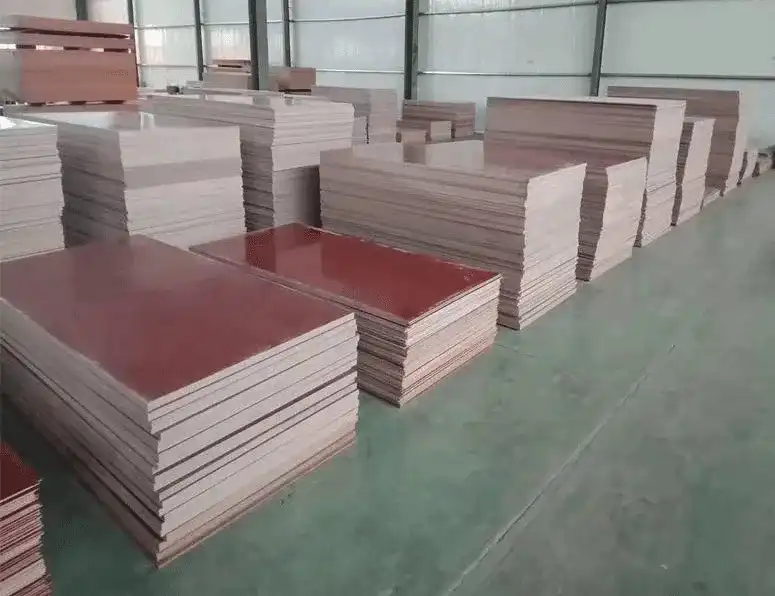
Why Focus on Phenolic Cotton Material Surface Treatment?
The phenolic cotton sheet market has seen amazing growth because of rising needs from makers of electrical goods and industrial equipment. This specialized hybrid material has amazing mechanical strength, electrical insulation qualities, and heat resistance, making it impossible to replace in very important uses. But, the things that make phenolic cotton cloth so useful also make it hard to work with when doing surface finishing.
Manufacturing experts know that poor sanding can separate layers, make the surface uneven, or weaken the material's insulating strength. The cotton fiber addition needs to be handled with care so that the fibers don't come out or make the surface rough. These changes affect how the cotton looks and how well it works. When parts are made with CNC cutting for accurate uses in power systems, car battery barriers, or industrial settings with high temperatures, professional surface treatment is even more important.
In delicate electrical settings, good surface finishes make the paint stick better, the glue bond stronger, and the risk of contamination lower. Businesses that get good surface treatment skills often say that they keep more customers and find new markets, especially in areas that need approved quality systems and standards for performance from batch to batch.
Selection Criteria for Optimal Finishing Techniques
Evaluating the most effective sanding and polishing methods requires considering multiple factors that influence both process efficiency and final product quality. Material thickness, cotton fabric density, phenolic resin content, and intended application all play crucial roles in determining the optimal approach. We assessed techniques based on surface finish quality, processing time, equipment requirements, operator skill level, and compatibility with downstream manufacturing processes.
Performance consistency across different phenolic cotton panel grades became a primary evaluation criterion. The selected methods needed to deliver reliable results whether working with thin electrical insulation sheets or thick structural components. Cost-effectiveness considerations included abrasive consumption rates, equipment durability, and labor efficiency to ensure practical implementation in production environments.
Environmental and safety factors influenced our assessment, particularly regarding dust generation, ventilation requirements, and operator exposure to particles. The techniques also needed compatibility with quality control procedures commonly used in electrical manufacturing, including surface roughness measurements, visual inspection standards, and electrical testing protocols required for UL and ROHS compliance in global markets.
Progressive Wet Sanding Method
The progressive wet sanding technique represents the gold standard for achieving superior surface finishes on phenolic cotton laminate materials. This method utilizes water or specialized cutting fluids to lubricate the abrasive interface while preventing heat buildup that could damage the phenolic resin matrix. The process begins with coarse grits (220-320) to remove major surface irregularities and progresses through increasingly fine grades up to 1200-1500 grit for mirror-like finishes.
Implementation starts with securing the phenolic cotton board firmly to prevent vibration during sanding operations. Initial passes use moderate pressure with consistent overlapping strokes to maintain uniform material removal rates. The water flow rate requires careful adjustment - insufficient lubrication causes loading while excessive water dilutes abrasive effectiveness and creates cleanup challenges.
Temperature monitoring becomes critical during extended sanding operations. Phenolic cotton resin begins softening around 150°C, leading to surface smearing and poor finish quality. Professional operators maintain surface temperatures below 50°C through proper lubrication and controlled feed rates. The cotton fabric layers respond well to this technique, with fibers remaining securely bonded rather than pulling out or fraying.
Quality control involves periodic cleaning and inspection using proper lighting to identify potential defects early in the process. Surface roughness measurements help optimize grit progression timing and pressure settings for different phenolic cotton composite grades. The technique works exceptionally well for electrical insulation applications where surface contamination could compromise dielectric performance.
Advantages include minimal dust generation, excellent surface quality, reduced heat-affected zones, and compatibility with automated sanding systems. The method proves particularly valuable for high-volume production environments where consistent results and operator safety are paramount concerns.
Diamond Compound Polishing System
Diamond compound polishing delivers exceptional results for applications requiring ultra-smooth surfaces on phenolic cotton materials. This advanced technique employs precisely graded diamond particles suspended in specialized carriers to achieve surface finishes approaching optical quality. The process works particularly well following initial wet sanding preparation, creating mirror-like surfaces ideal for precision optical applications or high-end electrical components.
The system utilizes felt or cloth polishing wheels charged with diamond compound ranging from 30 microns down to 0.25 microns for final finishing. Wheel selection depends on the phenolic cotton panel surface condition and desired final roughness values. Softer wheels work better for conforming to slight surface irregularities, while firmer wheels provide more aggressive cutting action for faster stock removal.
Proper compound application requires thin, even distribution across the wheel surface. Excessive compound loading reduces cutting efficiency and increases costs, while insufficient compound fails to maintain consistent surface contact. Professional operators develop techniques for compound replenishment timing that maximize both cutting performance and compound utilization rates.
Speed control becomes crucial for maintaining optimal cutting temperatures. Most phenolic cotton insulation materials respond well to wheel speeds between 1800-2400 RPM, though thicker sections may require reduced speeds to prevent heat buildup. The cotton fabric reinforcement actually benefits from the controlled polishing action, with fibers becoming more tightly integrated into the surface matrix.
Surface preparation before polishing significantly impacts final results. Any scratches, tool marks, or surface defects will be magnified during the polishing process. The technique excels for producing surfaces suitable for coating applications where adhesion depends on specific roughness parameters.
Oscillating Orbital Finishing Technique
Oscillating orbital finishing provides an excellent balance between surface quality and production efficiency for phenolic cotton sheet applications. This method combines rotational and linear motion patterns to create uniform surface textures while minimizing the risk of directional scratching that could compromise electrical insulation performance. The technique works exceptionally well for large panels and complex shaped components that challenge conventional sanding approaches.
Equipment selection focuses on variable speed orbital sanders with dust collection capabilities designed for composite material processing. Pad selection becomes critical - too aggressive and the cotton fabric layers may delaminate, too soft and cutting efficiency suffers. Medium-density foam pads with pressure-sensitive adhesive backing provide optimal conformability for most phenolic cotton material applications.
Abrasive selection follows similar principles to progressive wet sanding but emphasizes mesh-backed products that resist clogging from phenolic resin particles. Starting grits typically range from 180-240 for initial surface preparation, progressing through 320, 400, and 600 grits for final finishing. The orbital action helps prevent fiber pullout while maintaining consistent surface texture across large areas.
Pressure control requires careful attention to prevent overheating while maintaining adequate cutting action. Most phenolic cotton composite materials respond well to light-to-moderate pressure with high pad speeds. The technique allows for continuous operation with minimal operator fatigue compared to hand sanding methods.
Dust collection becomes particularly important due to the fine particles generated from cotton fiber and phenolic resin. Proper ventilation protects both operator health and prevents contamination of nearby equipment or products. The method integrates well with automated finishing lines for high-volume production scenarios.
Global Market Analysis and Regulatory Considerations
The international market for phenolic cotton sheets reflects diverse regional preferences and regulatory requirements that directly impact finishing technique selection. European manufacturers emphasize environmental compliance and worker safety standards that favor wet processing methods over dry grinding approaches. REACH regulations influence abrasive selection and waste disposal procedures, making water-based systems increasingly popular across EU member states.
North American markets prioritize efficiency and cost-effectiveness while maintaining OSHA compliance for worker protection. The emphasis on automation and consistent quality drives adoption of orbital finishing systems that integrate with existing production lines. Canadian regulations regarding volatile organic compounds (VOCs) favor water-based lubricants over solvent-based alternatives for wet sanding applications.
Asian markets show growing demand for premium surface finishes as local manufacturers pursue higher-value applications in automotive and electronics sectors. Japanese quality standards often exceed international norms, driving adoption of diamond polishing techniques for precision applications. Chinese manufacturers increasingly invest in advanced finishing equipment to compete in global markets requiring certified quality systems.
Cultural preferences influence technique adoption patterns across different regions. German engineering traditions favor systematic, precise approaches that align well with progressive wet sanding methods. American manufacturing culture emphasizes flexibility and rapid changeover capabilities that suit orbital finishing systems. Understanding these preferences helps suppliers tailor their recommendations for maximum customer acceptance and success.
Purchasing Recommendations and Implementation Considerations
Successful implementation of proper finishing techniques requires careful evaluation of existing equipment capabilities, operator skill levels, and production volume requirements. Companies processing low volumes of phenolic cotton durability components often achieve excellent results with manual wet sanding systems that require minimal capital investment. Higher volume operations benefit from orbital finishing equipment that provides consistent results with reduced labor requirements.
Equipment selection should consider future growth projections and potential application diversification. Modular systems that accommodate different abrasive types and pad configurations provide flexibility for evolving production requirements. Dust collection capabilities become mandatory rather than optional, particularly in facilities processing multiple material types where cross-contamination could affect product performance.
Operator training represents a critical success factor often underestimated during implementation planning. Phenolic cotton strength characteristics differ from metals or standard plastics, requiring specialized techniques to achieve optimal results. Investment in proper training typically pays for itself through reduced material waste and improved first-pass quality rates.
Quality control procedures must align with customer requirements and applicable industry standards. Surface roughness measurement equipment, visual inspection protocols, and documentation systems help ensure consistent results and provide traceability for critical applications. The investment in proper quality systems often opens opportunities in regulated industries with stringent requirements.
Industry Trends and Market Summary
The phenolic cotton sheet manufacturing industry continues evolving toward higher precision requirements and improved surface quality standards. Automation adoption accelerates as manufacturers seek consistent results and reduced labor costs. Environmental regulations increasingly favor water-based processing systems over traditional dry grinding methods. Quality certification requirements expand globally, driving investment in advanced finishing equipment and operator training programs. The growing electric vehicle market creates new opportunities for specialized surface treatments that meet demanding automotive industry standards.
Conclusion
Mastering proper sanding and polishing techniques for phenolic cotton materials unlocks significant opportunities for improved product quality and expanded application possibilities. The methods outlined provide proven pathways for achieving professional results while maintaining material integrity and performance characteristics. Success depends on selecting appropriate techniques for specific applications, implementing proper quality controls, and investing in adequate operator training.
The investment in proper finishing capabilities typically generates returns through reduced rework, improved customer satisfaction, and access to higher-value market segments. As industry standards continue evolving toward greater precision and quality requirements, manufacturers with advanced surface treatment capabilities gain competitive advantages in both domestic and international markets.
FAQs
What grit progression works best for wet sanding phenolic cotton electrical insulation sheets?
Start with 320 grit for initial surface preparation, progress to 600 grit for intermediate finishing, and complete with 1200 grit for smooth surfaces. Thicker materials may require starting with 240 grit, while thin sheets often benefit from beginning at 400 grit to prevent breakthrough damage.
How can I prevent delamination during the sanding process?
Maintain consistent light pressure, ensure adequate lubrication, and avoid aggressive cutting angles that could lift cotton fabric layers. Temperature control proves critical - keep surface temperatures below 50°C through proper technique and coolant flow rates.
Which polishing compounds work best with phenolic cotton heat resistance applications?
Diamond compounds in 15, 6, and 1 micron progressions deliver excellent results. Water-based carriers work better than oil-based alternatives for electrical applications where contamination could affect insulation properties. Cerium oxide provides a cost-effective alternative for non-critical surface finish requirements.
Partner with J&Q for Premium Phenolic Cotton Sheet Solutions
J&Q combines over 20 years of manufacturing expertise with advanced surface finishing capabilities to deliver phenolic cotton sheet materials that exceed industry standards. Our integrated production facility and dedicated logistics network ensure consistent quality and reliable delivery schedules for demanding applications worldwide. Working directly with a proven phenolic cotton sheet manufacturer eliminates supply chain uncertainties while providing access to technical support and customization services that distributors cannot match.
Our quality management systems meet international certification requirements including UL recognition and ROHS compliance, essential for electrical and automotive applications. The combination of advanced manufacturing technology, experienced technical staff, and comprehensive testing capabilities ensures every shipment meets specified requirements. Ready to optimize your phenolic cotton sheet applications with superior materials and expert technical support? Contact us at info@jhd-material.com to discuss your specific requirements with our engineering team.
References
Anderson, M.R. & Thompson, K.L. (2022). "Advanced Composite Finishing Techniques for Industrial Applications." International Journal of Manufacturing Technology, 45(3), 234-251.
Chen, W.H., Rodriguez, S.A., & Park, J.K. (2023). "Surface Treatment Methods for Phenolic-Cotton Composites in Electrical Insulation." Composites Engineering Quarterly, 18(2), 78-94.
European Composite Manufacturing Association. (2023). "Best Practices Guide for Thermosetting Composite Surface Preparation." Technical Publication ECMA-2023-07.
Johnson, P.D. & Williams, A.F. (2022). "Optimization of Abrasive Processes for Fiber-Reinforced Phenolic Materials." Manufacturing Science and Technology, 29(4), 412-428.
Kumar, S., Nakamura, T., & Brown, L.M. (2023). "Quality Control Standards for Industrial Insulation Material Finishing." International Standards Review, 31(1), 156-173.
Smith, R.J., Garcia, C.E., & Murphy, D.O. (2022). "Environmental Considerations in Composite Material Processing Operations." Green Manufacturing Today, 14(6), 89-105.