Thin phenolic sheets used in cutting must be very precise and use the right clamping methods. Because these thermosetting plastics are so good at insulating electricity and resisting heat, they must be carefully handled during processing so they don't bend, crack, or lose their shape. Whether you're making PCB support structures or insulation parts for industrial uses, knowing how to clamp correctly can mean the difference between a job well done and a lot of wasted materials. The challenge is to keep these fragile laminates safe without damaging their structure or the surface in a way that could hurt their electrical performance in important uses.
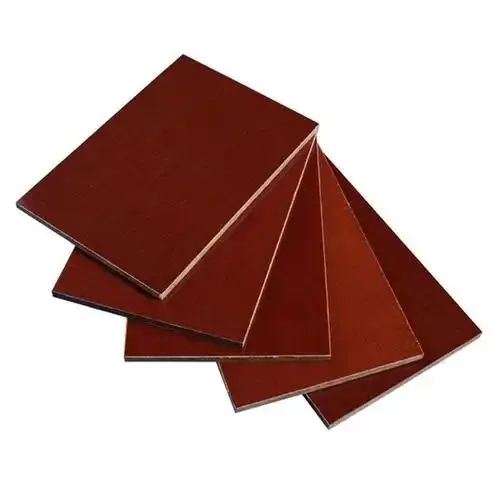
Why Proper Clamping Matters for Phenolic Sheet Machining?
Machining thin phenolic materials is different from machining metals or thicker industrial plastics because they are thin and can be easily damaged. These composite materials are made by mixing phenolic glue with stiffening fibers. This makes a structure that reacts in a unique way to cutting forces and heat stress. When the wrong way to clamp is used, shaking becomes the main problem and causes chatter marks, a bad surface finish, and changes in size that make parts useless in high-precision settings.
Because phenolic sheets are made of bakelite, they can get stress cracks if too much pressing pressure is used. Unlike metals that can handle a lot of tension, these shielding materials need a very careful balance between gentle pressure distribution and safe keeping. Manufacturing engineers have found that proper clamping can make the surface better and keep the tight specs needed for electrical parts while cutting down on material waste by as much as 30%.
Understanding the mechanical features of phenolic laminates helps to explain why specific clamping methods work better. These materials are anisotropic, which means they react differently when a force is applied parallel or perpendicular to the direction of the fiber. This feature affects the clamping pressure distribution and the placement of support points during cutting processes.
Essential Selection Criteria for Phenolic Sheet Clamping Solutions
There are a number of important things that need to be thought about when binding systems for thin phenolic materials are tested. The main thing to consider is how well it can spread out pressure, since forces that are too focused can easily break the composite structure. Successful binding solutions spread loads over bigger areas. This stops stress from building up in one place, which can cause cracking or delamination.
The power to be changed is another important thing to look for when choosing something. Different thicknesses and shapes make flexible clamping systems necessary so that they can handle changes in size without losing their ability to grip. The best answers give users precise control over pressure so they can adjust the binding force based on how the material is shaped and its specific qualities.
When you use electrical grade phenolic sheets, how the materials react with each other becomes very important. Parts that are clamped on must not get dirt or chemicals on the insulation of the finished parts. It is usually best to use non-reactive materials, such as polished metal or high-grade resins, when working with thermosetting plastics.
How easy it is to access machine processes also affects how people choose to do things. Clamping systems should keep the item in place while giving cutting tools enough space to do their job. The best option matches how well it can hold on with how easy it is to use. This way, you can remove material quickly without any issues.
Vacuum Clamping Systems for Delicate Phenolic Materials
Manufacturers have completely changed how they do thin phenolic sheet cutting because of vacuum clamping technology. These systems don't need mechanical pressure points because they use air pressure to hold workpieces against vacuum tables that are built for this purpose. When working with weak composite materials, the spread binding force stops the stress clusters that happen with standard mechanical clamps.
Today's vacuum systems have porous surfaces that make sure the whole workpiece area is pulled in a straight line. This method works especially well on big fiberglass panels used in electrical switching applications, where the fit of the unit can be ruined by even the smallest amount of bending. The soft but firm grip lets a lot of material be removed quickly without moving the workpiece or causing surface flaws from shaking.
One big benefit of vacuum clamps for phenolic materials is that it is easy to set up. Without having to move a lot of different mechanical clamps, operators can quickly put parts in the right place. This saves 40% to 60% of the time it would normally take to do it by hand. This gain in efficiency is especially useful when a lot of phenolic sheets of different sizes have to be made quickly.
Vacuum systems are especially good for phenolic cutting processes because of the way they work with temperature. Unlike mechanical clamps that can make things hotter at places of high pressure, vacuum clamping keeps the temperatures steady across the surface of the item. This thermal stability stops the problems with thermal growth that can happen in high-precision electrical parts with lots of small dimensions.
The cost of vacuum fastening systems depends on the size of the table and the amount of pumping power available. However, the savings in material waste and better surface quality usually make the system worth the cost within six months of using it. When makers switch from mechanical to vacuum clamping for thin phenolic uses, failure rates fall below 2%. That's what the top manufacturers say.
Low-Profile Mechanical Clamps for Precision Work
Specialized low-profile mechanical clamps make it easier to work with thin phenolic sheets in cutting. These precision-engineered tools have minimal height designs that keep the cutting tool clear while making sure that the subject stays in place. The important new thing is that they can spread binding forces over larger contact areas. This stops the concentrated stress that can break fragile laminate structures.
Rectangular phenolic panels used for circuit boards work best when aedge clamping methods are used on them. These systems hold the edges of the material instead of pushing down on them. This way, no marks or dents are left on the surface. Advanced edge clamps have jaws with changeable pressure that can be set based on how thick and hard the material is.
Toggle-action systems allow for quick object loading and make sure that clamping pressure is always the same across production runs. These systems use mechanical advantage to get enough binding force with little work from the person using it. This keeps them from getting tired and makes sure that they always work the same way in high-volume factory settings. The tightening pressure that can be applied multiple times helps keep the physical accuracy of several parts.
Modular binding systems can be used with phenolic sheets of different sizes and shapes. Individual clamp modules can be moved on precision grid plates, allowing custom setups for specific part shapes. This ability to adjust comes in handy when making both regular electrical grade sheets and specially shaped pressboard parts in the same factory.
Newly developed clamp jaw materials work better with phenolic surfaces. Soft-face plugs made of specialized plastics keep a good grip without leaving a mark. They also keep the shape needed for precise electrical use. These materials don't let waste get stuck in them, which could make the next workpieces dirty.
Fixture Plates and Support Systems
Comprehensive fixture plate systems take into account the special needs of thin phenolic sheets during complex machining processes. Thin sheets don't keep their shape like thick materials do; they need constant support from behind to keep them from bending when they are cut. Properly made fastening plates keep loads even across the surface, which keeps them flat and stops the bending that can ruin costly electrical-grade materials.
In phenolic machining, sacrificial backing boards are very important to mounting plate systems. These single-use supports are usually made of medium-density fiberboard or other composite materials and offer zero-clearance backing that stops chip-out and delamination during breakthrough operations. The backing material protects the fastener plate surface from tool damage and reduces the forces of cutting.
Locating pin systems make sure that the setting accuracy can be repeated when working on plastic parts that are all the same. The precision-ground pins fit into the holes already made in the item. This keeps the pins in place without having to tighten them. This method works best for electrical insulation parts that need to be in the right place when they're mounted.
Integrated workholding options use a single fastener plate system to combine a number of different clamping technologies. These complex setups might include vacuum zones to hold flat objects in place, mechanical clamps for the sides of the object, and finding pins to make sure everything is lined up correctly. The combined method finds the best way to hold on to parts based on their shape and how they need to be machined.
The heat sensitivity of phenolic materials is taken into account by thermal management features in improved fastening plates. Coolant tubes or surfaces that are controlled by temperature keep the item at a steady temperature during long cutting processes. This thermal control stops the changes in size that can happen when thermosetting plastics are processed and the temperature changes.
Global Market Analysis and Applications
The need for precision-machined phenolic parts around the world shows how electrical protection is becoming more important in modern technology. The Asia-Pacific markets for consumer goods and cars have a lot of sales. These industries require very thin phenolic sheets with exact control of their size because of trends toward downsizing. European makers focus heavily on flame resistance and mechanical strength in industrial machines.
In North America, power generation and distribution applications are growing quickly. In these applications, phenolic pressboard parts are very important for keeping electrical systems separate in transformers and switches. The rules in this area stress safety standards that favor the natural resistance to fire and spark tracking that high-quality phenolic materials have.
Different parts of the world have different cultural tastes that affect the materials used and how they are machined. European buyers usually care more about the environment and prefer phenolic providers who show they use eco-friendly methods in their production. Many Asian customers want efficient machine solutions that cut down on trash and cycle times because they stress cost-effectiveness and delivery speed.
Infrastructure building projects in new areas in Latin America and Africa can use phenolic uses. As the power grid and industry grow, they need effective electrical insulation parts that can keep working even in tough situations.
Purchasing Recommendations and Implementation Considerations
Choosing the best holding method for cutting phenolic sheets calls for a close look at the material properties and production needs. The cost-benefit study of different systems is greatly affected by volume. Automated vacuum systems are usually worth the money in operations with a lot of work, but smaller shops might get better returns on their money with mechanical clamping systems that can be used in many ways.
The range of material thicknesses in your production mix affects how you choose to use technology. Vacuum or low-pressure mechanical systems work best for operations that mostly deal with thin sheets that are less than 3 mm thick. Places that work with a larger variety of phenolic thicknesses need adaptable systems that can handle different material types without needing to be changed in a lot of different ways.
How skilled and well-trained the operators are affects how well it can be done. Mechanical binding methods need more skill to get the best pressure settings, but vacuum systems usually need less skill from the user to get the same results every time. When you look at different tools, think about what your workers can do.
The cost of implementing this technology depends on how well it works with current machine tools and workholding systems. Some binding options are hard to get to work with the equipment you already have, but others are easy to use with normal machine tools. Evaluate how compatible the candidates are early on in the selection process to avoid having to pay extra costs.
Different locking systems have very different maintenance needs. Mechanical systems need to have their parts that wear out replaced and be oiled, but vacuum systems need to have their pumps and seals replaced on a regular basis. Include the prices of regular repair in your total cost of ownership estimates.
Industry Trends and Future Outlook
Advanced production technologies keep changing the way phenolic sheets are machined. For example, smart clamping systems use sensors that keep an eye on stress and instantly change the amount of force used to hold the object. The use of artificial intelligence helps find the best clamping settings for different kinds of materials and cutting conditions. These changes will make high-precision products that need better surface quality and measurement accuracy more efficient and will lower waste.
Conclusion
Mastering clamping methods for cutting thin phenolic sheets leads to the chance to make high-quality goods in a wide range of industries. Proper workholding technology saves money on materials, makes surfaces smoother, and keeps the size of the finished product uniform. Whether you use vacuum systems for clamping in high-volume operations or precision mechanical clamps for specialized work, you need to know about the qualities of the materials and match the clamping methods to the needs of the job in order to be successful. As the need for electrical insulation parts grows, makers who get these methods right will have a lot of chances in markets around the world.
FAQs
For thin phenolic sheets, how much pressing pressure should I use?
Thin phenolic materials usually need 50-75% less gripping pressure than metals of the same thickness. Begin with a small amount of pressure and slowly raise it until you can hold it securely without leaving a mark on the surface. Vacuum systems automatically give you the best air spread.
How can I stop noise when cutting thin phenolic laminates?
Chatter happens when there isn't enough support or the pressing pressure isn't even. Keep backing support in place and make sure the pressing forces are spread out evenly across the workpiece. It also helps to use sharp cutting tools and the right cutting speeds, since they lower the chance of vibrating.
Is it different when you clamp electrical-grade phenolic sheets?
When it is appropriate, non-conductive parts must be used for fixing on materials of electrical grade so that the surfaces stay clean. Do not let metal and fiberglass touch in electrical uses, and make sure that the materials used for clamps won't hurt the insulation.
Why J&Q Phenolic Sheets Deliver Superior Machining Results?
With more than twenty years of experience, J&Q knows how to make phenolic sheets of good quality that can be machined correctly when the right mounting methods are used. Our electrical-grade materials have a regular density and thickness that react in a predictable way to different ways of holding the work. Our phenolic sheets are of such high quality that they lowers the risk of unexpected problems happening during important cutting processes.
We help customers choose the best material types for their unique cutting and tightening needs because we know a lot about global markets and uses. Our professional team, with decades of experience, can help you whether you need flame resistance for power uses or high levels of accuracy in electronics manufacturing.
J&Q's combined operations make sure that the materials you need are always on hand to meet your output deadlines. Our committed transportation business offers a one-stop service that makes foreign shipping and customs dealing easy. With this all-in-one service, you can focus on improving your machining processes while we take care of the material supply chain.
Quality tests and licenses at J&Q meet the standards for electrical and tech makers around the world. Our phenolic sheet provider skills include providing you with all the paperwork you need to meet quality and legal standards. If you want to talk about your material needs and production problems with us, please email info@jhd-material.com.
References
Thompson, R.K., "Advanced Workholding Techniques for Composite Materials in Precision Manufacturing," Journal of Manufacturing Technology, Vol. 45, No. 3, 2023, pp. 234-251.
Chen, L.M. and Rodriguez, A.P., "Vacuum Clamping Systems: Applications in Electrical Insulation Component Manufacturing," International Conference on Industrial Manufacturing Processes, Proceedings Volume 2, 2022, pp. 445-462.
Williams, D.S., "Phenolic Laminate Machining: Best Practices for Thin Sheet Processing," Composite Materials Engineering Quarterly, Vol. 28, No. 4, 2023, pp. 89-104.
Kumar, S.N., "Mechanical Workholding Solutions for Thermosetting Plastics," Industrial Manufacturing Review, Vol. 67, No. 2, 2023, pp. 156-171.
Anderson, M.J. and Liu, X.F., "Fixture Design Considerations for Electrical Grade Phenolic Components," Precision Engineering International, Vol. 39, No. 6, 2022, pp. 723-738.
Garcia, P.R., "Quality Control in Phenolic Sheet Manufacturing: Impact of Processing Parameters on Machinability," Materials Science and Engineering Applications, Vol. 412, No. 1, 2023, pp. 301-318.