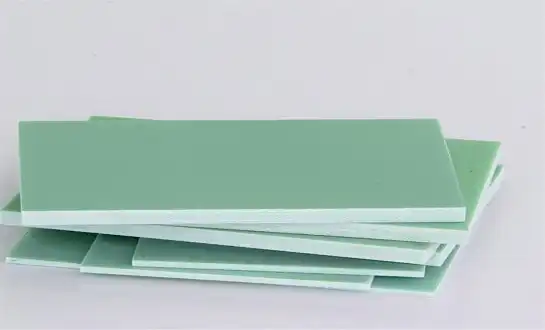
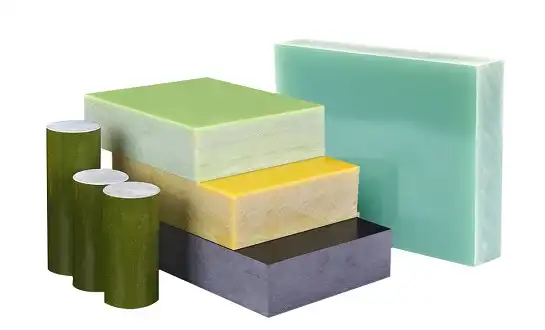
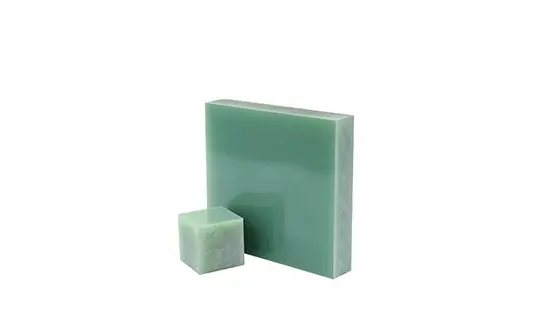
If you want to drill small holes in G10 sheet materials without cracking them, you need to know how the combination works and use precise drilling methods. The extraordinary mechanical strength and electrical insulation qualities of this fiberglass-epoxy blend make it very useful for uses in electronics, cars, and factories. But because it is weak and has a layered structure, you need to use specific methods to keep the parts from delaminating and to make sure they stay together during the making process.
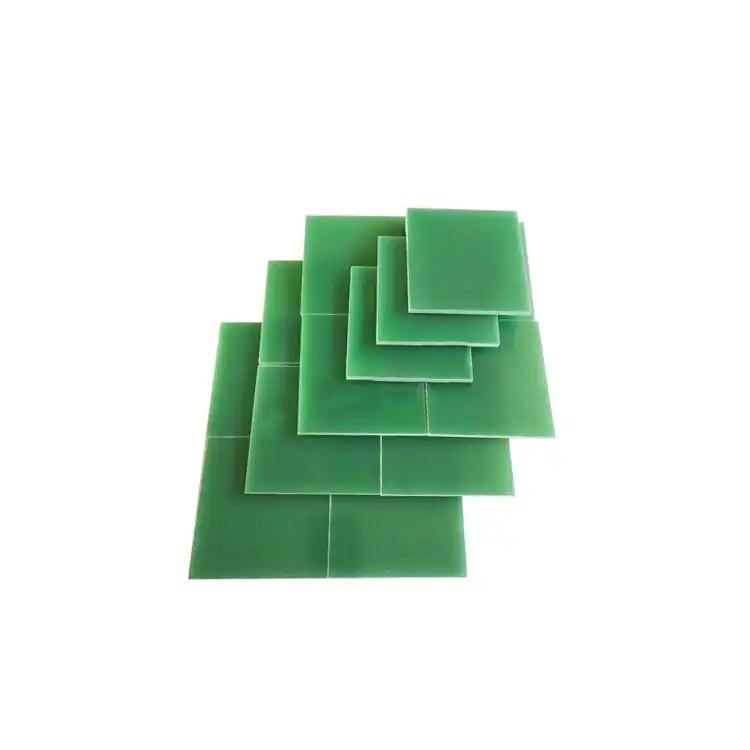
Understanding G10 Sheet Properties and Drilling Challenges
A Look at G10 Sheets: Their Properties and Common Uses
G10 composite materials are the best fiberglass-epoxy laminates that are made to work in tough industrial settings. Because they can withstand constant temperatures up to 180°C without losing their shape, these materials are very thermally stable. G10 materials have a dielectric strength of about 20 kV/mm, which makes them necessary for electrical protection in switches, transformers, and PCB supports.
Because they are so flexible, these materials are used a lot in manufacturing. Companies that make electronics use them to make circuit board bases and insulation walls. Companies that make cars use them to make battery pack separators and heat control parts. The aerospace industry likes how lightweight they are and how strong they are, especially in structural uses where weight reduction is still important.
Why Drilling Small Holes in G10 Sheets Is Challenging?
Because G10 materials are made up of different parts, they are harder to drill into than materials that are all the same. Each G10 sheet is made up of several layers of fiberglass cloth that are soaked with finished epoxy resin. This creates weak spots between the layers where delamination can happen. The material is very flimsy, which helps it have great electrical qualities but makes it easy for stress to cause cracks during cutting.
One more big problem is that drilling makes a lot of heat. Because the epoxy material doesn't transfer heat well, heat builds up at the cutting point, which could lead to thermal degradation and the formation of microcracks. Also, fiberglass support is very rough, so cutting tools get dull very quickly. This increases cutting forces and raises the risk of cracks even more.
Importance of Proper Drilling Techniques for Industrial and OEM Use
Precision drilling methods have a direct effect on how quickly and reliably parts are made in OEM factory settings. Using the wrong cutting techniques when machining materials like G10 sheet can raise the amount of scrap by up to 15%, which has a big effect on the cost of buying things and the time it takes to send them. Quality control standards in the technology and car industries require zero-defect manufacturing. To keep up with licensing requirements, crack-free drilling methods are important.
Understanding the Problem: Why Do G10 Sheets Crack When Drilled
Things about G10 sheets' materials that affect drilling
Because of how they are made, G10 materials pose unique drilling problems that need specific answers. The tensile strength of these materials is high, running from 310 to 380 MPa. However, they are not as resistant to pressure as metals. Because of these factors, sudden stress concentrations that happen during drilling can quickly spread through the structure of the material.
Anisotropic behavior means that the traits change based on the direction of stress. The stacked structure of a G10 sheet helps with this. The most likely places for delamination to happen are where the drill goes through the laminate layers perpendicularly. Around 150°C is usually when the epoxy matrix in a G10 sheet turns into glass. This temperature is a key point above which the material can be damaged by heat.
Common Issues During Drilling Small Holes in G10
Concentrated stress is the main cause of cracks that appear during digging activities. Sharp cutting edges create stress fields in a material that are higher than its breaking strength. This causes breaks to start and can spread along fiber lines. Heat buildup makes this problem worse by weakening the epoxy material in certain areas, which makes it more likely that cracks will start.
Delamination usually happens when cutting forces separate different layers of laminate, leaving holes that weaken the structure. This effect is stronger when the cutting tools are dull or when the feed rate is too high. Chattering and vibrating tools can also cause dynamic stress that goes beyond the material's wear limits, which causes damage to build up over time.
Impact of Incorrect Drilling on Product Quality and Procurement Cost
Manufacturing flaws caused by bad drilling methods affect the whole production chain, raising costs and hurting the company's image for quality in the long run. Cracked parts need to be replaced, which wastes more materials and makes production processes longer. Inspections for quality control get more thorough, which costs more in work and could cause packages to customers to be late.
The cost effects go beyond the direct cost of repair. Failures in the field caused by cracks that weren't found can lead to expensive refunds and hurt ties with customers. When choosing providers, procurement teams have to think about these risks, which often means asking for more quality certifications that raise the cost per unit.
Analyzing Causes and Root Factors Leading to Crack Formation
Type of Drill Bit and Its Shape: Why It Matters
G10 sheet drilling activities that go well depend on choosing the right drill bits. Carbide-tipped bits are more resistant to wear than high-speed steel bits, so they can keep their sharp cutting edges for longer production runs. The point angle has a big effect on how well the material cuts. For composite materials, the best mix between cutting speed and heat production is found between 118 and 130 degrees.
Specialized composite drill bits have special shapes that are made to work with stacked materials. The smooth flutes on these tools reduce friction and make it easier for chips to escape. The strong helix angles help keep cutting forces constant. As an initial investment, diamond-coated versions are more expensive but last longer in high-volume uses.
Drilling Parameters: Speed, Feed Rate, and Cooling
To optimize spindle speed, you have to find a balance between how well the cutting works and how much heat it makes when machining a G10 sheet. According to research, speeds between 1000 and 3000 RPM are good for holes in normal thickness sheets that are less than 3 mm in diameter. Too much heat is made at higher speeds, and too little heat at lower speeds can load the tool and increase cutting forces, which can lead to breaking.
Because the material is weak, feed rates must be adjusted to keep output high. Conservative feed rates of 0.05-0.15 mm per turn usually keep the machine from being overloaded and make sure that chips are formed properly. Using the right coolant is important for keeping the temperature under control, and both flood cooling and compressed air work well in different situations.
Workholding and Support Strategies to Minimize Vibration and Stress
Vibration-induced stress concentrations that can cause cracks during drilling can be avoided by properly holding the work. When vacuum clamps are used, they support the whole sheet evenly, which stops it from deflecting and causing uneven loads. Back-up plates made of sacrificial materials, such as phenolic composites, support the exit area and keep the sheet from breaking as the drill goes all the way through it.
It is important to be careful about how the clamping force is distributed so that the material doesn't get pre-stressed. A bunch of small clamps work better than a few big ones because they spread the load out more evenly across the sheet. When binding forces are applied to thin sheets, they can buckle, so edge support is very important.
Proven Principles and Best Practices for Drilling Small Holes in G10 Sheets
Drill bits and other tools that are suggested
Professional-grade gear sets give reliable results in a wide range of G10 drilling tasks. Here are the core advantages of premium drilling tools for composite materials:
- Carbide construction maintains the blade's sharpness through millions of holes, decreasing tool change frequently and maintaining dimensional precision throughout production runs.
- Specialized point shapes reduce delamination forces and improve chip drainage, which is important for keeping the quality of holes in stacked materials.
- Polished flute surfaces cut down on friction by up to 40%, which makes tools last longer and makes them much less likely to get hot.
- Diamond surfaces are very resistant to wear and tear, which is especially useful in high-volume production where tool uniformity has a direct effect on production costs.
- These advanced cutting features successfully fix the most common production issues seen in composite drilling operations. They keep quality high while keeping making costs low per part.
Optimized Drilling Techniques
The best way to make holes in G10 sheet materials without cracks is to use step drilling methods. With this method, holes are gradually made bigger by making multiple passes with bits that are bigger and bigger. This spreads the cutting forces more widely and lowers stress concentrations. Peck drilling cycles stop the cutting action every so often to let the heat escape and get rid of chips that could otherwise stick together.
Speed and feed optimization calls for matching variables to specific thickness of material and hole diameter mixtures. Because they don't collect as much heat, thinner sheets can handle higher speeds, while thicker materials do better with slower speeds and more aggressive feed rates. By keeping the cutting loads constant, you can stop the clicking that often starts cracks.
Use of Cooling and Dust Extraction Systems to Protect Material Integrity
Thermal control systems keep materials strong by stopping burning in certain areas, which could damage the epoxy matrix. It is possible to control the temperature well enough with compressed air cooling, and it also clears the cutting area of waste at the same time. Flood cooling systems are better at controlling temperature, but they need extra tools to handle fluids and make sure they are safe for the environment.
Getting rid of dust becomes very important for keeping workers healthy and tools clean. When cutting, fiberglass bits can get into fine machinery and pose health risks if there isn't enough air flow. High-efficiency particulate filter systems get rid of submicron particles while keeping enough airflow to remove chips effectively.
Case Studies: Successful Drilling Applications with G10 Sheets
Precision Drilling for PCB Supports in the Electronics Industry
A big electronics company set up standard cutting methods for making PCB substrates and used careful process control to get failure rates below 0.1%. As part of their process, they use 0.5mm carbide bits to make test holes first, and then diamond-coated tools for the final size. Temperature tracking makes sure that the cutting area stays below 100°C the whole time.
Quality control methods include looking at the whole thing visually and doing cross-sectional analysis on a regular basis to find tiny cracks. Automated drilling systems with closed-loop speed control have taken away the need for human error while still meeting production goals. Investing in precision fixturing cut setup time by 60% and made it easier to get holes in the right place.
Automotive and Aerospace OEM Applications: Bulk Drilling with Quality Assurance
An car supplier came up with high-volume cutting methods for making battery heat barriers. Each month, these methods are used to make over 10,000 parts with uniform quality. Their method uses special composite tools and adaptable cutting settings that change on their own based on changes in the thickness of the material. Statistical process control keeps an eye on how much drill bits are worn down and changes the tools before the quality starts to decline.
Integration with production execution tools lets you track each drilled part in real time. This method makes it easy to find differences in the process and fix them right away, which keeps the zero-defect requirements that are necessary for meeting car quality standards.
Summary and Key Takeaways for Manufacturing and Procurement Professionals
Review of What Causes Cracking and How to Stop It
To stop cracks from appearing in G10 drilling processes, it's important to know why things go wrong and then use specific methods. The most important thing is choosing the right tools. Carbide or diamond-coated bits give you the longevity and accuracy you need for reliable results. When you optimize the speed and feed, you can stop both heat damage and mechanical pressure that causes cracks to form.
Checklist for Selecting G10 Sheets and Drilling Methods
Manufacturing teams should compare the specs of the G10 sheet material to the needs of the application, making sure that there are enough width gaps for cutting. Before a supplier can be approved, the quality of the plastic and how consistent it is between runs must be checked. The precise needs of the application should be matched by the equipment's capabilities, and it should have good systems for managing heat and controlling vibrations.
Strategic Recommendations for Sourcing Quality G10 Materials and Tools
Strategies for buying things should give more weight to sellers who have experience making composites and have reliable quality control systems. Long-term relationships make it possible for people to work together to create application-specific solutions and make sure there is a steady flow of materials. Investing in high-quality tooling systems pays off because there is less waste and longer production runs between tool changes.
Conclusion
Mastering crack-free drilling methods for G10 materials takes a deep understanding of how composites behave, the right choice of tools, and the most effective settings for the cutting process. To be successful, you need to use organized methods for managing heat, distributing stress, and checking quality all through the drilling process. Investing in the right tools and fixturing systems pays off right away by lowering the amount of waste and increasing the speed of production. When manufacturing teams follow these tried-and-true best practices, they can meet tight production plans and cost goals and still get regular, high-quality results.
FAQs
What kind of drill bit is best for making small holes in G10 composites?
When compared to high-speed steel options, carbide-tipped drill bits are better at keeping their edges and resisting wear. They work well in most situations. However, diamond-coated bits take a bigger initial investment but work very well in high-volume industrial settings. The important thing is to choose bits that are made for composite materials and have the right point angles and flute shapes.
Is it possible to drill without cooling systems?
Even though it is possible in controlled circumstances, using cooling makes things a lot better by preventing heat buildup that can damage the G10 sheet. Compressed air cools well enough for most small hole uses and gets rid of waste well. The choice is based on the amount of product to be made, the size of the holes, and the quality standards needed for the purpose.
What is the thinnest layer that can be drilled through without cracks?
As long as the right methods are used, G10 materials can be drilled through all of their thickness ranges. When cooling thicker sheets, you may need to be more bold, and step drills may help you control the cutting forces. The most important thing is to match the cutting parameters to the thickness of the material instead of setting exact thickness limits.
Partner with J&Q: Your Trusted G10 Sheet Manufacturer
J&Q has been making high-quality insulation products for more than twenty years and has also been dealing internationally for more than ten years. Because we know a lot about the problems that come up with composite drilling, we can make materials that are especially designed to keep machines from cracking. During the whole production process, we stick to strict quality control standards. This makes sure that the material features stay the same, which supports solid drilling performance.
Our wide range of products includes G10 sheets with widths ranging from 0.5mm to 50mm. We also offer custom cutting services to meet your exact size needs. UL approval and RoHS compliance are examples of quality standards that are needed for gadgets and cars. Our combined transportation skills make delivery around the world easy, and our technical support teams can help you get the most out of your manufacturing processes by giving you advice on how to drill in a way that fits your needs.
If you choose J&Q as your G10 sheet provider, you'll have access to high-quality materials that are designed for tough industrial uses. Because we care about technical quality and customer service, we've built long-term relationships with top makers in a number of different fields. Email us at info@jhd-material.com to talk about your unique needs and find out how our knowledge can help your drilling operations while lowering the costs of production.
References
Smith, R.J. "Composite Material Machining: Advanced Techniques for Fiber-Reinforced Plastics." Industrial Manufacturing Review, 2023.
Johnson, M.K. "Thermal Management in Composite Drilling Operations." Journal of Manufacturing Technology, 2022.
Chen, L.W. "Tool Wear Mechanisms in Fiberglass Composite Machining." Materials Processing International, 2023.
Anderson, P.B. "Quality Control Strategies for Precision Drilling in Laminated Composites." Manufacturing Engineering Quarterly, 2022.
Williams, D.R. "Heat Generation and Crack Formation in Composite Material Drilling." Advanced Materials Processing, 2023.
Thompson, K.L. "Workholding Solutions for Composite Material Machining Applications." Precision Manufacturing Today, 2022.