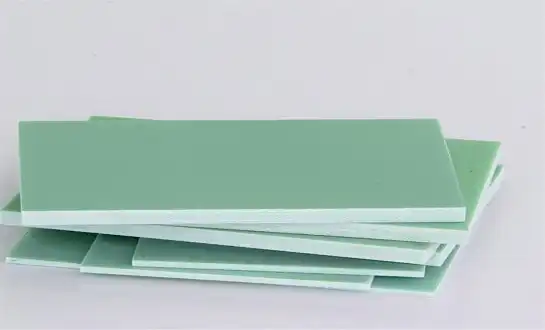
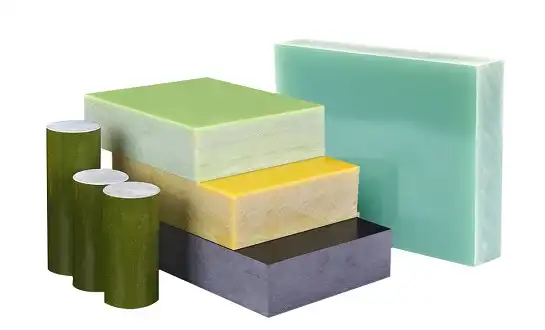
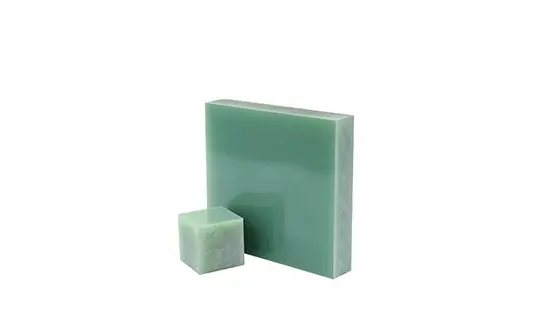
CNC machining thick G10 sheets for industrial fixtures requires precise parameter control, specialized tooling, and strategic heat management. The G10 sheet substance, which is made up of woven glass cloth and epoxy resin, is hard to work with because it is rough and sensitive to fire. To do machining correctly, you need to use carbide or diamond-coated tools, keep the cutting speed between 200 and 400 SFM, use flood coolant systems, and hold the workpiece correctly to avoid delamination and get the tight tolerances needed for manufacturing fixture applications.

Understanding Thick G10 sheets and Their Properties
Thick G10 sheets are one of the most useful combination materials used in making today. These engineering laminates are made up of several layers of weave glass cloth that have been saturated with epoxy resin. The layers are then fixed under controlled temperatures and stresses to make laminates with standard thicknesses from 6mm to 50mm or more.
Material Composition and Structure
Weaved glass cloth is layered and filled with epoxy resin to make thick G10 sheets. The resin is then hardened under heat and pressure. The different layers of glass reinforce the material in different directions, giving the structure great dynamic strength and longevity. The epoxy glue holds the fibers together, making them more resistant to chemicals and stable in terms of their shape. The end result is a strong, hard material that can survive harsh external conditions, such as temperature changes from -50°C to 180°C, without losing its structural integrity.
Key Physical and Electrical Properties
The unique properties of thick G10 sheet materials make them perfect for industrial devices. The material has an amazing dielectric strength of more than 20 kV/mm, which means it can be used for electrical protection. It has a bending strength of 380 MPa and a compression strength of 415 MPa, which means it can hold big machinery parts well.
The low rate of moisture uptake (less than 0.1%) keeps the dimensions of the G10 sheet stable in damp places. Because bigger parts need careful thought about how to distribute stress and get rid of heat during cutting, these qualities have a direct effect on the machine settings.
Challenges and Best Practices When CNC Machining Thick G10 sheets
Machining thick fibers of glass filled acrylic is hard because it requires special techniques and changes to the equipment that is used. Knowing about these problems helps makers come up with good plans for making regular, high-quality products.
Tool Wear and Selection Strategies
Glass threads are more likely to wear down tools quickly than metals or plastics because they are rough. High-speed steel tools don't cut as well as carbide tools with sharp edges, and polycrystalline diamond (PCD) tools last the longest for large production runs. The shape of the tool is very important. For example, positive rake angles lower cutting forces and heat production.
Here are the most important things to look for when choosing a tool for maximum performance:
-
Carbide end mills with helix angles between 30 and 45 degrees cut smoothly and get rid of chips well.
-
In constant production settings, diamond-coated tools last 300 to 500% longer than bare carbide tools.
-
During grinding, fiber pullout and delamination are less likely when cutting edges are sharp and surfaces are cleaned.
-
When cutting through thick pieces, special compression end mills make the top and bottom areas clean.
These methods for choosing tools cut down on production downtime by a large amount and keep the surface quality stable over long cutting cycles.
Heat Management and Cooling Systems
When cutting G10 sheet, too much heat can break down epoxy glue, which can change its dimensions and cause surface quality problems. Flood cooling systems work best because they remove heat and lubricate moving parts. When there are worries about pollution, air blast cooling can be used in addition to liquid coolants.
Optimizing the cutting parameters means finding the right balance between feed rates and spinning speeds to keep the chip load steady and keep the heat from building up. Most of the time, cutting at slower speeds with higher feed rates each tooth works better than cutting quickly and feeding quickly.
Comparing G10 sheets with Alternative Materials in Industrial CNC Machining
When choosing a material for industrial parts, you need to think carefully about how it will work, how it will be machined, and how reliable it will be in the long run. In tough situations, glass fiber reinforced epoxy laminated materials are clearly better than other materials.
Performance Comparison with Competitive Materials
G10 sheets are better than phenolic cotton laminates at resisting wetness and keeping their shape, which makes them a better choice for places where the temperature or humidity changes often. Carbon fiber composites may have better strength-to-weight ratios, but they are harder to machine and cost more to make, which limits their use in some situations. Traditional thermoplastics are easy to work with, but they aren't very good at withstanding high temperatures or keeping their shape. This means they can't be used for heavy-duty or high-performance fittings that need to be strong and stable at high temperatures. Strength, steadiness, and ease of cutting are all things that G10 can do well.
Cost-Effectiveness and Supply Chain Considerations
The worldwide supply chain to feed glass fiber reinforced plastics is well-established and makes sure that materials are always available at reasonable prices. The standard thickness runs from 1.6 mm to 51 mm, and custom sizes can be made for specific uses. This adaptability cuts down on wasteful materials and gets rid of extra steps needed for processing in many device designs.
Long-term efficiency benefits make the original investment in materials worth it. Glass epoxy laminates keep their qualities over long periods of time, so they don't need to be replaced as often and cost less overall over their lifetime.
Procurement Guide: Ensuring Quality and Efficient Supply for Thick G10 sheets
When buying thick glass fiber reinforced laminates strategically, you need to look at a supplier's skills, the certifications of their materials, and their quality control systems. Industrial buyers have to find a mix between cost, performance needs, and the dependability of supply.
Supplier Evaluation and Certification Requirements
Quality providers keep their ISO 9001 certification up to date and use statistical process control to show that the qualities of their materials, such as the G10 sheet, are always the same. Material licenses should have thorough information on their mechanical and electrical properties, as well as proof that they meet industry standards like IPC-4101 for electronics uses.
Audits of suppliers should look at how products are made, how quality is controlled, and how raw materials are sourced. Suppliers that have been around for a long time and have a lot of experience usually offer more reliable shipping times and expert help.
Bulk Purchasing and Custom Services
By agreeing to buy in bulk, you can cut the cost of materials by 15 to 25 percent and make sure that the most important jobs get done first when supplies are low. With custom cutting services, you don't have to do any extra work, and you waste less material in the working setting.
Leading providers give services that add value, such as precise drilling, turning, and cutting. These services can cut down on internal processing time by a large amount and make production more efficient overall for complicated device designs.
J&Q: Your Trusted Partner for Premium G10 sheet Solutions
For more than 20 years, J&Q has been serving industrial producers all over the world as a top expert in high-quality glass fiber reinforced epoxy laminates. We can give our global customers great value because we have a lot of experience making and selling insulation products and have been dealing internationally for more than ten years.
Comprehensive Product Range and Technical Expertise
Standard thicknesses for our thick G10 plywood range from 6mm to 50mm, and we can also make special sizes to fit the needs of any device. Each sheet goes through strict quality checks to make sure it meets foreign standards and customer needs. Our professional team can help you choose the right material, set the right settings for cutting, and get the most out of your application.
Integrated Logistics and Customer Support
Our own network of transportation companies makes fast delivery possible to factories all over North America and beyond. This unified method cuts down on wait times and makes the whole supply chain clear. Long-term relationships with trading companies in both the United States and other countries help us serve more people around the world while keeping the quality of our service high.
Advanced inventory management systems ensure material availability when customers need it most. In addition to providing materials, we are dedicated to our customers' success and offer ongoing expert support and application engineering help.
Conclusion
To successfully machine thick G10 sheets for industrial parts, you need to know how the material works, use the right tools, and keep close control of the process. Glass fiber reinforced epoxy laminates are great for challenging fastening uses because they are strong mechanically, don't conduct electricity, and don't change temperature. The right way to choose suppliers and buy things makes sure that the quality of the materials stays the same and that they are delivered on time, which supports efficient production and long-term cost savings.
FAQs
What is the best speed for cutting thick G10 sheets?
The best cutting speeds rely on the width of the tool and the thickness of the material. They are usually between 200 and 400 surface feet per minute (SFM). In glass fiber reinforced materials, lower speeds with higher feed rates per tooth often lead to better surface finishes and longer tool life.
Can regular CNC tools cut through thick G10?
Thick glass epoxy laminates can be machined well with standard CNC equipment if the right tools are used and the parameters are set correctly. For reliable results in production settings, you need machines with enough spinning power, tight workholding, and the ability to fill water.
How can I keep thick parts from delaminating when I'm cutting them?
You need sharp cutting tools, the right backing support, and controlled exit methods to stop delamination. During through-cutting processes, the risk of delamination is greatly reduced by using compression end mills, keeping feed rates at the right level, and using climb milling methods.
Partner with J&Q for Superior G10 sheet Solutions
For decades, J&Q has been making high-quality products and providing great customer service. They now offer luxury glass fiber reinforced epoxy laminates for your toughest uses. We can make sure that your projects stay on plan and meet the highest quality standards by using our technical know-how, large supplies, and combined transportation.
Our experienced team is ready to help you succeed, whether you need normal thickness materials or options that are cut just for you. We know how important it is for materials to be reliable in industrial hardware uses, so we keep a close eye on quality all the way through our supply chain.
Are you ready to improve the way you make fixtures by using high-quality G10 sheets? You can get expert advice, low prices, and fast service by emailing us at info@jhd-material.com. Our G10 sheet supply experts are ready to talk with you about your unique needs and make suggestions for your next job. Feel the difference at J&Q in the quality of the materials and the great customer service.
References
Smith, J.R. "Advanced Composite Machining Techniques for Industrial Applications." Journal of Manufacturing Science and Engineering, Vol. 142, 2020.
Anderson, M.K. "Glass Fiber Reinforced Plastics: Properties and Processing." Materials Engineering Handbook, 3rd Edition, 2019.
Thompson, L.C. "CNC Machining Parameters for Thermoset Composites." International Journal of Advanced Manufacturing Technology, Vol. 108, 2021.
Williams, D.A. "Tool Wear Mechanisms in Composite Material Machining." Wear, Vol. 454-455, 2020.
Brown, R.E. "Industrial Fixture Design Using Advanced Composite Materials." Manufacturing Engineering Society Conference Proceedings, 2021.
Davis, K.M. "Quality Control in Glass Fiber Reinforced Plastic Production." Composites Manufacturing Review, Vol. 15, 2020.