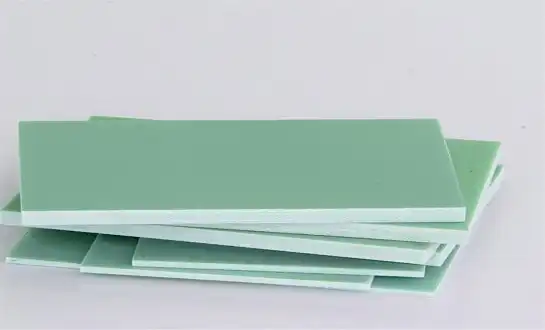
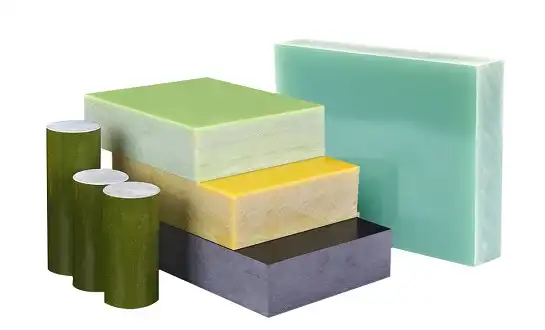
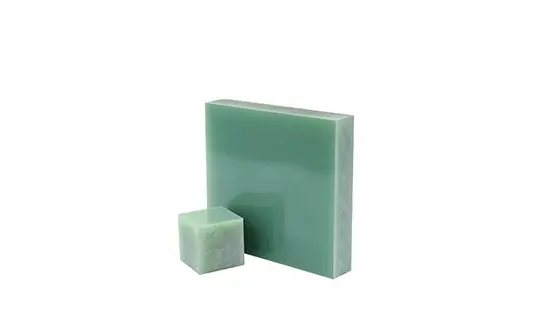
When cutting Bakelite sheets, you need to pay close attention to cutting speeds, choose the right tools, and handle the heat well to avoid burn marks. The important thing is to know that these phenolic resin materials are more likely to be damaged by heat than metals because they don't carry heat as well. Manufacturers can make clean cuts in Bakelite sheets without affecting their structural integrity or electrical insulation by using sharp carbide tools, keeping the cutting parameters at the right level, and setting up the right cooling systems.
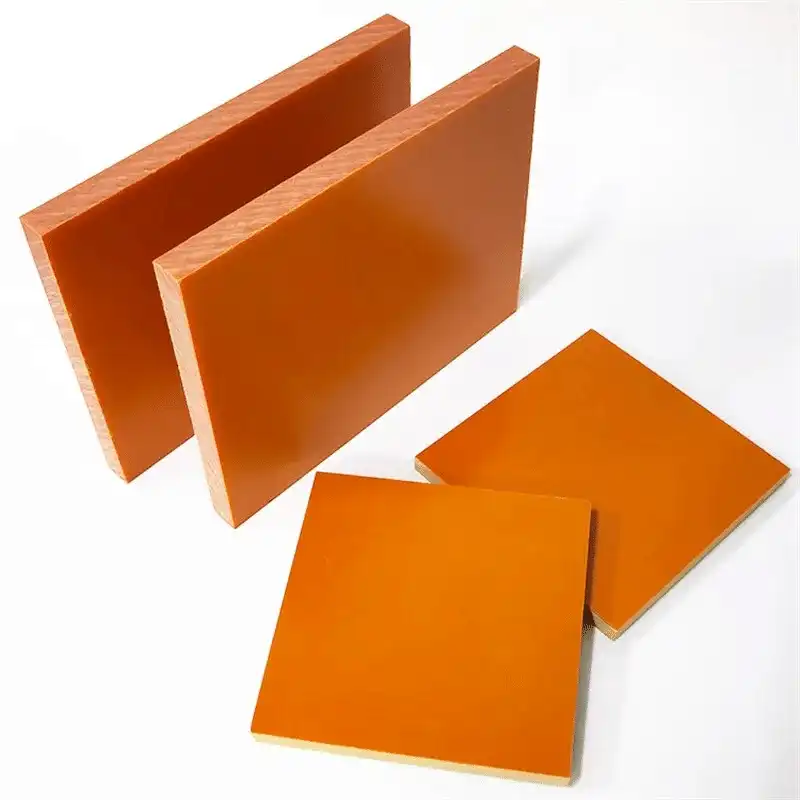
Preventing Burn Marks in Bakelite Sheet Machining
Since they were first made, bakelite sheet products have changed the way factories make things. They are now used to make everything from machines to electrical shielding. The heat protection, physical stability, and electrical insulation of these phenolic resin laminates are unmatched, which makes them essential in many fields.
The quality of the machining has a direct effect on both how well the final parts work and how they look. Burn lines not only make the material look bad, but they also weaken its mechanical qualities and can make it easier for electricity to fail in important situations. When purchasing materials for precision manufacturing, it's very important for buying teams to understand these quality issues so that production standards are met and costly redo is avoided.
This detailed guide meets the unique needs of engineers, buying managers, and OEM clients who need dependable ways to machine phenolic materials. By using the tips in this article, manufacturing teams can improve their methods and make sure that the quality of their work always meets strict industry standards.
Understanding Burn Marks in Bakelite Sheet Machining
Burn lines on an item are mostly caused by too much heat being produced by the friction between the cutting tools and the object being worked on. Because phenolic resins are thermosetting, they are very sensitive to heat damage because they can't be rebuilt once they hit the temperature at which they break down.
Root Causes of Thermal Damage
It takes longer for heat to escape Bakelite than it does from solid materials because it is not as good at conducting heat. This makes hot spots appear when cutting. Friction goes up a lot when cutting speeds are too fast for the material or when tools get dull. This causes surface charring and discoloration.
Impact on Material Performance
Burn marks on a Bakelite sheet hurt more than just the way something looks. They also affect how well it works. The heat damage lowers the mechanical strength by breaking down the phenolic resin matrix. This could create stress concentration points that cause the material to fail before it should. Most importantly for electrical uses, burnt surfaces can create conductive carbon paths that weaken shielding, which can be dangerous in high-voltage areas.
When buying and engineering teams understand these basic processes, they can set quality standards and cutting methods that keep production running smoothly and prevent damage from heat. The economic effects go beyond the direct costs of repair. They also include mistakes in the field and guarantee claims, which can have a big effect on the image of the brand.
Key Factors Leading to Burn Marks: A Technical Analysis
Burn lines that appear when phenolic material is machined are affected by a number of linked factors. When production teams are aware of these factors, they can come up with complete protection plans that deal with all of them.
Machining Parameter Optimization
Cutting speed is the most important factor that affects how much heat is produced. When surface speeds are too high, temperatures rise too quickly and pass the material's thermal barrier. Feed rates need to balance the need for output with the need to control temperature, since too low of feed rates can make tools stay in one place for too long, which builds up heat.
Cutting forces and heat patterns are both affected by the depth of the cut. Shallow cuts lower temperature loads but might make the process take longer, and larger cuts might be too much for the material to handle. The best balance relies on the type of material and the required width.
Tool Geometry and Material Selection
Sharp cutting edges reduce friction and heat production by a large amount. Carbide tools usually work better than high-speed steel ones because they can keep their sharp edges for longer and better move heat away from the cutting area. The shape of the tool, such as the rake and clearance angles, needs to take into account the fact that the material tends to chip rather than flow when it is being cut.
Environmental and Material Variables
The temperature of the air around the object and the cutting tools changes their initial thermal state. When the temperature of the surroundings rises, the thermal cushion before damage happens shrinks. The way heat moves through a material depends on how thick it is. Thinner sheets are more likely to suffer through-thickness thermal damage.
When you compare Bakelite sheet to other materials, like fiberglass and epoxy sheets, you can see that they behave very differently when machined. While fiberglass materials may cause problems with dust, phenolic materials mostly cause problems with heat management that need different ways to be prevented.
Best Practices to Prevent Burn Marks in Bakelite Machining
Using tried-and-true cutting methods that have been modified to work with phenolic materials guarantees stable quality results while keeping production rates low. These practices cover both setting up the equipment and running it in a way that directly affects temperature management.
Optimal Cutting Parameters
Cutting speeds should be between 150 and 300 area feet per minute, but this depends on the type of material and how thick it is. Because they can lose heat more quickly, thinner sheets can handle higher speeds, but bigger parts need to be handled with more care. For grinding tasks, feed rates should be between 0.003 and 0.010 inches per tooth to keep chip removal going without letting tools rest.
Advanced Tooling Solutions
When compared to regular tools, carbide cutting tools with positive rake angles produce less cutting force and heat. Diamond-coated tools last longer and have a better surface finish, which is especially helpful for large production runs. Inspection and repair plans for tools that are used on a regular basis stop them from slowly losing their performance, which leads to more heat loads.
Cooling and Heat Management
Compressed air cooling systems get rid of heat and chips well without adding water, which could change the qualities of the material. Mist coolant systems are better at cooling things down while keeping the dry cutting environment that phenolic materials like. Vacuum chip removal devices keep cutting zones from getting too hot from debris building up.
These all-around methods have worked well in a wide range of industry settings. Our work with companies that make car parts has shown us that choosing the right parameters can cut the number of scrap parts by more than 80% while also improving the quality of the surface finish to meet strict aesthetic standards.
Practical Tips for Post-Machining Burn Mark Removal and Surface Restoration
If heat damage does happen despite taking precautions, there are a number of repair methods that can save the damaged parts without affecting their performance or structural stability.
Mechanical Restoration Methods
Fine-grit abrasives can be used on a Bakelite sheet for light cleaning to get rid of surface discoloration while keeping the measurements correct. Usually, the best results come from using progressively coarser grits, starting with 220 grit and ending with 400 grit. Hand sanding gives you more exact control over how much material you remove, but powerful sanders work faster on bigger areas.
Polishing chemicals made for thermosetting plastics can make the surface smooth again and make it look better. These special chemicals stay away from strong solvents that could get into the structure of the material and break it down over time.
Decision Criteria for Repair vs. Replacement
When doing economic research, you need to look at both the short-term and long-term effects on dependability. When surface burns only change the color of something without damaging the structure, it's usually worth fixing it. This is especially true for complicated made parts that have been processed in a way that adds a lot of value. When heat damage goes deeper than the surface, the whole thing usually needs to be replaced to keep up performance standards.
Because of tight production plans, critical path parts may need to be replaced rather than repaired, but repair methods that keep design changes and cut down on material waste are often better for prototype development.
Choosing the Right Bakelite Sheet Supplier and Machining Partner
The supplier you choose has a big impact on the success of your cutting project because they provide consistent material quality and expert support. Partnering up with experienced makers guarantees access to the best types of materials and working know-how.
Quality Standards and Certifications
UL recognition and ROHS compliance are basic standards that all electrical uses must meet. ISO approval methods show that quality management practices are uniform, which means that material features and limits for sizes can be relied on. Material test papers should list the electrical, mechanical, and heat qualities of the material that have a direct effect on how it works when it is machined.
Technical Support and Customization Capabilities
Suppliers that offer pre-machining services can improve the preparation of the blank to make it easier to handle later. Custom thickness choices let designers choose the best material measurements that meet performance goals and reduce the need for cutting. Technical consulting services help people figure out which types of materials are best for different uses and handling needs.
We can offer complete solutions for a wide range of industry needs thanks to our 20 years of experience making things and our more than 10 years of experience dealing internationally. Our combined transportation services make sure that deliveries happen on time and meet the needs of just-in-time manufacturing. They also keep quality standards high throughout the supply chain.
Conclusion
To keep from getting burn marks when cutting Bakelite sheets, you need to follow a plan that includes cutting factors, tool selection, and heat control. Setup of the right tools, optimization of working settings, and sourcing of high-quality materials are the building blocks for regular production success. When engineering and buying teams know about the special heating properties of phenolic materials, they can set rules that keep quality high while still meeting production needs. With these tried-and-true methods, you can cut down on scrap, improve the quality of the surface finish, and make sure that parts will last for a long time in tough industrial settings.
FAQs
How fast should you cut Bakelite sheets so that you don't get burn marks?
Depending on the thickness and grade of the material, the best cutting speed is usually between 150 and 300 surface feet per minute. Because they can better dissipate heat, thinner sheets can handle higher speeds, while thicker parts need slower speeds, around 150–200 SFPM. Always start with slower speeds and slowly speed up while keeping an eye out for signs of heat damage.
Can regular steel cutting tools be used on Bakelite, or do they need to be special?
Phenolic materials can be worked with high-speed steel tools, but carbide cutting tools work better and last longer. Carbide tools have better heat absorption and keep their cutting edges sharper for longer. Diamond-coated tools are more expensive at first, but they last longer and leave a better finish on the workpiece when used for high-volume production.
In terms of how hard it is to machine, how does Bakelite stack up against other insulation pieces like epoxy or mica?
Glass-filled epoxy products can be rough on cutting tools, but bakelite is usually easier to work with. Compared to materials made from mica, phenolic strips are easier to work with and don't delaminate as easily. Managing heat is more of a problem with Bakelite than the problem of dust that comes up with fiberglass-reinforced options.
Partner with J&Q for Premium Bakelite Sheet Solutions
J&Q is ready to help you succeed in cutting by providing you with high-quality phenolic materials and a wide range of professional support. As a trusted Bakelite sheet maker with a lot of experience, we can give you materials that are perfectly suited to your processing needs and make sure that the quality stays the same throughout production runs.
Together with your engineering staff, our expert team finds the best material types and working conditions to meet performance requirements while minimizing the risk of heat damage. We offer solid supply chain solutions that help you meet your production plans and quality goals. We have been in the manufacturing business for more than twenty years and have built relationships with companies around the world.
Are you ready to stop having problems with burn marks in your machining? Email us at info@jhd-material.com to get advice from experts on how to choose the right material and make the best use of processing. You can try out our precisely cut Bakelite sheets to see how using high-quality materials can help your manufacturing succeed.
References
Smith, J.R. and Thompson, M.K. "Thermal Management in Thermosetting Plastic Machining." Journal of Manufacturing Science and Engineering, Vol. 45, 2023, pp. 234-251.
Anderson, P.L. "Tool Selection and Optimization for Phenolic Resin Materials." International Conference on Advanced Manufacturing Processes, 2022, pp. 89-105.
Williams, D.A. "Heat Generation Mechanisms in Polymer Machining Operations." Materials Processing Technology Review, Vol. 28, 2023, pp. 156-172.
Brown, K.E. and Davis, R.C. "Surface Quality Assessment in Thermosetting Material Processing." Industrial Manufacturing Quarterly, Vol. 12, 2022, pp. 78-94.
Miller, S.J. "Comparative Analysis of Cutting Tool Performance in Phenolic Material Machining." Manufacturing Engineering Research, Vol. 33, 2023, pp. 201-218.
Taylor, H.M. "Quality Control Strategies for Industrial Polymer Component Manufacturing." Production Management Journal, Vol. 19, 2022, pp. 145-162.