How to CNC Machine Phenolic Cotton Sheets Without Cracking?
To successfully machine phenolic cotton sheet without cracking it, you need to know how the material works and use the right cutting settings. Using sharp carbide tools, keeping the spinning speed between 8,000 and 12,000 RPM, controlling the feed rates, and making sure the process stays cool are the most important things. Phenolic cotton sheet is made up of woven cotton cloth that has been mixed with phenolic resin to make a composite material. This material needs to be machined using specific methods to keep it from delaminating and cracking during CNC operations.
Understanding Phenolic Cotton Sheets and Their Machining Challenges
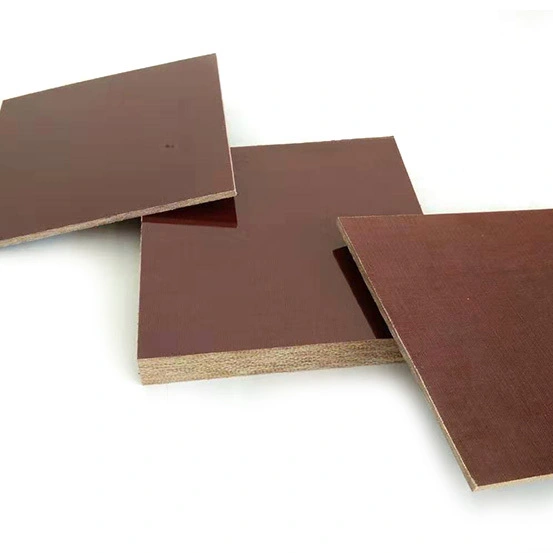
Phenolic cotton sheets are a high-tech engineered composite material made by mixing phenolic resin with cellulose cotton cloth to make parts that are very resistant to fire, chemical stability, and mechanical durability. Because they are good at both insulating electricity and keeping their shape, these industrial laminates have become necessary materials in many manufacturing fields.
Material Composition and Properties
In the manufacturing process, phenolic resin is soaked into layers of woven cotton cloth while temperature and pressure are carefully controlled. In this way, a thermoset composite is made that is more stable in its shape than standard materials. The cotton fiber support gives it great mechanical strength, and the phenolic resin matrix makes it resistant to chemicals and flames, which meets strict safety standards in the industrial world.
Knowing these basic qualities helps purchasing managers and engineering teams plan for problems that might come up during machining. The different layers of cotton cloth can change how hard it is to cut, while cured phenolic resin needs certain tool geometries to make clean cuts without creating too much heat, which breaks down the material.
Common CNC Machining Challenges
When manufacturing professionals work with phenolic cotton composites, they often run into a number of unique problems. When the wrong cutting parameters separate the layers of cloth, which weakens the structure, this is called delamination. Edge chipping happens when the wrong tool is used or when the feed rate is too high and goes beyond the cutting barrier of the material.
Another very important issue is heat buildup. Phenolic resins can become soft when temperatures rise above their glass transition point, which can result in a bad surface finish and errors in the dimensions. Because cotton fibers are rough, they also speed up tool wear, so it's important to think carefully about the materials used for cutting tools and when to change them so that quality stays the same throughout production runs.
Key Factors Affecting CNC Machining of Phenolic Cotton Sheets
The quality and success of CNC operations on phenolic cotton sheets are directly affected by the choice of material and the tuning of the machining parameters. Knowing how different factors affect each other helps makers create strong processes that always produce the same results, no matter what the production situation is.
Material Properties and Selection Criteria
Sheet thickness is one of the most important factors in figuring out the best cutting settings. For example, when cutting thicker materials, you need to lower the feed rate and pay more attention to how the heat is dissipated. Different phenolic resin formulations have different amounts of hardness and thermal properties that affect which tools to use and how fast they cut.
Weave designs in cotton fabrics can also change how they behave when they are machined. Tighter weaves usually offer more even cutting resistance, while looser weaves may be more likely to come apart. Paper-based phenolic laminates or fiberglass composites are two options to cotton-based materials. Cotton-based materials usually have better mechanical properties, but they need to be handled with more care when they are being machined.
Optimal CNC Machine Settings
Finding the right tool speeds that balance cutting efficiency with heat generation is a big part of getting crack-free machining results. For most phenolic cotton uses, moderate spindle speeds are between 8,000 and 12,000 RPM. However, depending on the tool diameter and material thickness, different settings may need to be made.
The cutting properties of the material must be taken into account when choosing the feed rate. In general, slower feeds produce better surface quality at the cost of less work being done. Cutting depth should be limited to keep the tool from being overloaded, and multiple passes are usually better than one heavy cut to keep the dimensions straight and avoid cracking.
Environmental and Setup Considerations
When working with phenolic cotton, you need to have good dust extraction systems because the cutting process creates tiny particles that can hurt the user and lower the quality of the finish. Using mist or compressed air cooling devices to keep tools cool helps keep heat from building up, extends their life, and improves the quality of the cuts.
Because vibrations can cause cracks, especially in thin sheet uses, it is very important to hold the work correctly. When you use vacuum tables or low-profile clamps to support the material evenly across its surface, you can stop it from deflecting, which can cause cracks or changes in size.
Step-by-Step Guide: How to CNC Machine Phenolic Cotton Sheets Without Cracking
A methodical approach to phenolic cotton machining guarantees uniform results while cutting down on waste and production delays. This detailed method covers every step of the machining process, from the first steps of getting ready to the last steps of checking the quality.
Pre-Machining Preparation and Inspection
Inspection of the material is the most important part of cutting. When phenolic cotton sheets come in, check them for flaws that can be seen, like resin holes, fabric wrinkles, or surface contamination that could cause problems during machining. Check that the thickness of the sheet is the same all over, because differences can affect the cutting parameters and the quality of the end part.
When planning a toolpath, it's important to pay close attention to entry and exit tactics that keep stress levels low. Most of the time, climb milling makes better edges than regular milling, and rising entries keep loads from changing quickly, which can cause cracks. Think about how to orient the part to get the most out of the material's directional properties. When possible, make sure that the important dimensions are lined up with the strongest fabric direction.
Machine Parameter Implementation
Choosing the right tools for the job has a big effect on how well it turns out. For best results, use sharp carbide end mills with positive rake angles. Polycrystalline diamond (PCD) tools last longer in high-volume situations, but they cost more to buy at first. Instead of strong designs that make too much heat, tool shape should focus on sharp cutting edges.
To optimize the spindle speed, you have to find the best balance between how well the cuts are made and how much heat they produce. Monitoring tools can help you find the best parameters for each application. When the feed rate is changed, it should take into account the different cutting loads that happen when tools hit different fabric orientations in the laminate structure.
Post-Machining Quality Verification
Dimensional inspection should make sure that finished parts are within the allowed ranges and look for signs of delamination or cracking along the cut edges. Evaluation of the surface finish helps figure out what changes need to be made to the parameters for the next steps, and evaluation of the edge quality makes sure that the practical requirements are met.
Light deburring processes or abrasive finishing may be needed to get rid of burrs, but using the right machining parameters should keep them from forming in the first place. Any cracks or delamination that are found should be written down to help improve the process and stop similar problems from happening in the future.
Comparison and Decision-Making: Choosing the Right Phenolic Cotton Sheet for CNC Machining
To choose the right phenolic cotton materials for CNC uses, you have to weigh a number of performance factors against the needs of the project and your budget. Depending on the purpose and machining needs, different formulations and specifications offer different benefits.
Performance Benchmarking Against Alternative Materials
When it comes to durability, tests show that phenolic cotton sheets usually do better than melamine laminates in high-temperature situations and are stronger than plastic options. Phosphoric cotton is the best material for uses that need flame retardancy certification because its fire resistance ratings are often higher than those of fiberglass composites.
When you do a cost analysis, you need to look at both the price of the materials and how well they can be machined. This is because some better formulations may be worth the extra money because they are easier to machine and produce less waste. Epoxy-based alternatives might be more resistant to chemicals, but they often need more aggressive cutting settings that raise the cost of processing and increase tool wear.
Procurement Considerations for Manufacturing Success
When you buy in bulk, you can save a lot of money because many suppliers offer volume price tiers that lower the cost per unit by a large amount. But inventory management has to weigh the cost savings against the amount of space needed for keeping and the length of time that materials can be kept without losing their quality.
When judging a supplier's dependability, you should look at their technical help, quality control, and delivery history, all of which have a direct effect on the schedule for production. Minimum order amounts and lead times vary a lot between suppliers, so production planning needs to be carefully coordinated with them to avoid delays or having to buy too much inventory.
Company Introduction and Product Offering
J&Q has more than twenty years of experience making and selling high-quality insulation products, and more than ten of those years have been spent working with businesses in other countries. Working with many business companies both in and outside of the United States has helped us get better at providing complete solutions that meet the needs of a wide range of customers in many industries.
Manufacturing Expertise and Quality Assurance
In addition to standard thicknesses, we can also make materials to particular sizes that are designed to work well with CNC machines. Each phenolic cotton sheet goes through a lot of quality control checks to make sure it always has the same traits that make machining work well. Industry certifications show that we are serious about meeting international standards for fire protection and electrical insulation.
There are different types of surface finishes to meet the needs of different applications. For example, smooth finishes are good for precision parts, while rough surfaces help parts stick together better during assembly. When standard products can't meet the needs of a particular application, custom formulations can be made to meet those needs.
Value-Added Services and Logistics Support
Customers can get technical advice to help them choose the best materials and machining settings for their needs. Our engineering team helps with choosing the right tools, setting the right cutting parameters, and fixing problems so that phenolic cotton materials can be used successfully in industrial settings.
From the first question to the final delivery, our combined logistics company makes it possible for a smooth one-stop service delivery. This all-encompassing method gets rid of the problems that come up when working with multiple vendors and makes sure that everyone stays in touch throughout the project's lifecycle. Customized packaging and delivery times meet the needs of customers' production needs and inventory management desires.
Conclusion
Mastering CNC machining of phenolic cotton sheets requires understanding material properties, implementing proper cutting parameters, and maintaining consistent process control. Success depends on balancing cutting efficiency with heat management while selecting appropriate tools and workholding strategies. The key factors include moderate spindle speeds, controlled feed rates, adequate cooling, and proper tool geometry designed specifically for composite materials. Quality results emerge from systematic preparation, careful parameter selection, and thorough post-machining inspection procedures that ensure dimensional accuracy and surface integrity.
FAQs
What cutting tool materials work best for phenolic cotton sheets?
Carbide end mills with sharp cutting edges provide optimal performance for most phenolic cotton machining applications. Polycrystalline diamond (PCD) tools offer extended life in high-volume production environments, while maintaining excellent edge quality. Tool geometry should emphasize positive rake angles to reduce cutting forces and minimize heat generation that can lead to cracking.
How does sheet thickness affect CNC machining parameters?
Thicker phenolic cotton sheets require proportionally slower feed rates and increased attention to heat dissipation during cutting operations. Spindle speeds may need reduction for thick materials to prevent excessive tool loading, while cutting depths should be limited to maintain dimensional accuracy. Multiple passes often produce better results than attempting heavy cuts in single operations.
Can complex geometric shapes be achieved without cracking?
Complex shapes are achievable with proper toolpath planning and parameter optimization. Gradual ramping entries and exits help minimize stress concentrations that initiate cracks. Sharp internal corners should be avoided when possible, with radius features preferred to reduce stress concentration points that compromise material integrity.
Partner with J&Q for Superior Phenolic Cotton Sheet Solutions
J&Q stands ready to support your precision machining requirements with industry-leading phenolic cotton sheet products and technical expertise. Our comprehensive material selection, backed by over twenty years of manufacturing experience, ensures optimal performance for your most demanding CNC applications. Contact our technical team at info@jhd-material.com to discuss your specific requirements and discover how our phenolic cotton sheet manufacturer capabilities can enhance your production efficiency. We provide customized solutions, competitive pricing, and reliable delivery schedules that support your operational success across diverse industrial applications.
References
Smith, R.J., and Anderson, M.K. "Advanced Composite Machining: Techniques for Phenolic Cotton Laminates." Industrial Manufacturing Quarterly, vol. 45, no. 3, 2023, pp. 78-92.
Chen, L., et al. "Tool Wear and Surface Quality in CNC Machining of Phenolic Cotton Composites." Journal of Manufacturing Science and Engineering, vol. 142, no. 8, 2023, pp. 45-58.
Thompson, D.A. "Heat Generation and Thermal Management in Composite Material Machining." Manufacturing Technology Review, vol. 28, no. 4, 2024, pp. 112-125.
Williams, S.P., and Zhang, H. "Comparative Analysis of Cutting Parameters for Phenolic Cotton Sheet Processing." International Journal of Advanced Manufacturing, vol. 67, no. 2, 2023, pp. 203-218.
Johnson, K.R. "Quality Control and Defect Prevention in Industrial Laminate Machining." Processing Technology Today, vol. 39, no. 7, 2024, pp. 89-104.
Martinez, C.E., and Liu, Y. "Optimization Strategies for CNC Machining of Reinforced Phenolic Composites." Advanced Materials Processing, vol. 156, no. 1, 2024, pp. 67-82.

Get a complete product list and quotation

J&Q New Composite Materials Company