3240 Epoxy Sheet CNC Machining Guide
The 3240 epoxy sheet is the best choice for engineers and procurement specialists who need precise electrical protection for CNC machining projects. This glass-reinforced epoxy laminate has great electrical properties as well as great mechanical properties. This makes it perfect for uses that need both structural stability and electrical insulation. Our complete guide goes over the most important parts of CNC machining these high-performance materials to help you get the best results in your industrial processes.
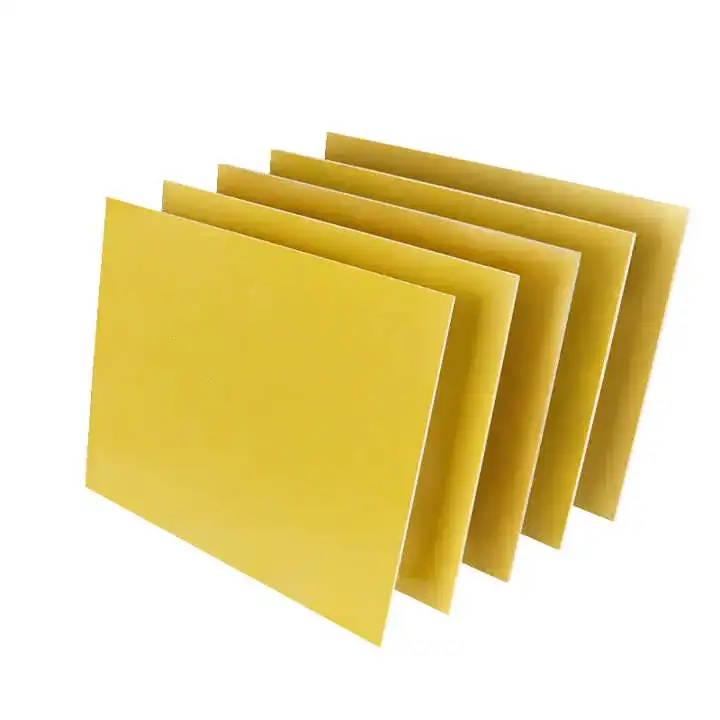
Understanding 3240 Epoxy Sheet Fundamentals
Material Composition and Manufacturing Excellence
The 3240 epoxy sheet is a high-tech composite material that was made using precise layering methods. This high-performance material is made up of several layers of glass cloth that have been soaked in thermosetting epoxy resin. This creates a uniform structure that gives the material the same mechanical and electrical properties all the way through. The production process uses controlled temperature and pressure to make sure that the resin is spread out evenly and cures completely. This makes a material that stays the same size even in tough working conditions.
Modern production methods for making good epoxy sheets focus on getting rid of air bubbles and making the density the same across the whole sheet. This attention to industrial detail directly leads to better machinability properties that help CNC operations. Each sheet is made in a controlled setting that makes sure it meets the high quality standards needed for precision machining.
Key Mechanical and Electrical Properties
When engineering teams choose materials for CNC machining jobs, they look at certain performance traits. Good epoxy laminates usually have tensile strengths between 300 and 400 MPa, which means they are very strong and provide great structural stability for machined parts. Flexural strength usually goes above 500 MPa, which makes sure that thin made parts keep their shape when they are under mechanical stress.
The dielectric strength numbers are often higher than 15 kV/mm, which shows how well the electrical insulation works. Because it has such good electrical properties, the material can be used in high-voltage situations where an electrical breakdown could put people in danger or make tools not work properly. The low dielectric constant and dissipation factor properties keep signals intact in electronic uses, and the high volume resistivity stops current from leaking out without permission.
Temperature Resistance and Environmental Stability
Thermal efficiency is very important in CNC machining because the friction between the cutting tools makes a lot of heat. When used continuously at temperatures up to 155°C, good epoxy laminates keep their features. They can also handle short-term exposures above 200°C. This thermal stability makes sure that machined parts keep their shape and mechanical features even when they are exposed to high temperatures.
Environmental resistance includes rates of moisture absorption below 1.5%, which helps keep the electrical qualities stable when it's humid outside. Chemical resistance to oils, solvents, and cleaning agents that are often used in factories makes sure that made parts will work reliably for a long time.
CNC Machining Best Practices for 3240 Epoxy Sheet
Pre-Machining Preparation and Material Handling
For CNC cutting to go well, the material must be properly prepared and handled. Conditions of storage have a big effect on the results of machining. For example, controlled humidity settings below 60% relative humidity are needed to keep moisture from absorbing and lowering the quality of the cut. Before machining starts, material inspection methods should check that the 3240 epoxy sheet's thickness is uniform, that the surface is in good shape, and that there are no delaminations.
During acclimatization procedures, kept materials are slowly brought to the normal workshop temperature so that thermal stress doesn't happen that could cause them to warp or change size while they're being machined. When you build a workholding fixture correctly, the clamping forces are spread out evenly across the surface of the workpiece. This keeps the surface from warping, which could affect the accuracy of the machining.
Tool Selection and Cutting Parameter Optimization
To get better surface finishes and accurate measurements, you need to pay close attention to the machining settings and cutting tools you use. When cutting glass-reinforced epoxy materials, it's usually best to use carbide tools with sharp cutting edges and positive rake angles. When thinking about tool shape, you should think about helical end mills for contouring tasks and straight-flute tools for drilling holes all the way through.
Here are the most important cutting factors for getting the best results:
• Spindle speeds between 8,000 and 15,000 RPM keep material removal rates high while minimizing fiber loss.
• Feed rates between 1,500 and 3,000 mm/min make surfaces smooth without wearing out tools too quickly.
• Cuts with a depth of 0.5 to 2.0 mm per pass keep heat from building up and damaging the resin core.
• Compared to other milling methods, climb milling techniques reduce edge chipping and improve surface quality.
Together, these optimized settings make clean cuts that don't need much post-processing. When compared to standard machining methods, engineering teams say that these suggested settings make a big difference in the quality of the parts they make.
Cooling Strategies and Heat Management
Managing heat well during CNC operations keeps the epoxy resin matrix from getting damaged by heat and makes cutting tools last longer. Most machining jobs go very well with compressed air cooling systems because they direct airflow directly at the cutting zone to remove heat and waste. When heavy materials need to be removed, mist cooling devices can cool them down better without adding too much moisture.
Monitoring the temperature of the workpiece helps workers spot situations where the temperature might be too high before thermal damage happens. During cutting, the surface should stay below 80°C so that the resin doesn't soften and affect the quality of the finish. During long machining processes, tool path optimization includes planned breaks to let heat escape.
Comparing 3240 Epoxy Sheet with Alternative Materials
Performance Analysis Against FR4 and G10 Alternatives
When looking at different materials for electrical and mechanical uses, knowing the specific benefits of each type of laminate helps you make smart buying choices. The epoxy glass laminate is stronger than regular FR4 materials, especially when it comes to applications that need to survive bending and impact. FR4 is great for PCB uses because it has great electrical properties, but good 3240 epoxy sheets are better for structural insulation components because they have better mechanical properties.
G10 phenolic laminates have good mechanical qualities, but they don't hold up as well to high temperatures as epoxy alternatives. Most of the time, epoxy systems have a higher glass transition temperature than phenolic resins. This means that they stay more stable in high temperatures. Because they absorb moisture well, epoxy laminates work well in wet environments.
Cost-Benefit Considerations for Procurement Teams
Throughout a product's lifecycle, choices about which materials to use must balance the need for performance with the need to save money. The initial cost of materials is only one part of the total cost of the job. Other important factors include how well the materials are machined, how long the tools last, and how reliable the parts are. Quality epoxy laminates are often easier to machine than other materials, which cuts down on the time and tools needed.
Total cost of ownership estimates are affected by how long a component lasts and how reliable it is. Epoxy laminates usually last longer than lower-grade options because they are more resistant to environmental damage and are more durable mechanically. This means that the product will need less replacement and upkeep over its lifetime.
Application-Specific Material Selection Guidance
Different industrial uses need different material properties that help with choosing the best material. Epoxy glass laminates have great dielectric qualities and mechanical strength, which is good for companies that make electrical equipment. Applications that use power generation tools often need the better temperature resistance and flame retardant qualities that premium epoxy formulations offer.
Dimensional stability and wear resistance may be the most important factors for mechanical component uses. Quality epoxy materials are great for fine mechanical parts that are exposed to a wide range of environmental conditions because they don't absorb much water and don't creep.
Strategic Procurement Guide for 3240 Epoxy Sheets
Supplier Evaluation and Quality Assurance Criteria
Establishing relationships with reliable material suppliers requires comprehensive evaluation of manufacturing capabilities, quality systems, and technical support resources. ISO 9001 certification provides baseline quality assurance, while additional certifications such as UL recognition demonstrate compliance with electrical safety standards. Supplier manufacturing facilities should demonstrate consistent process control and statistical quality monitoring systems.
Technical support capabilities include material selection guidance, machining recommendations, and troubleshooting assistance. Suppliers with extensive applications engineering experience can provide valuable insights for optimizing material performance in specific applications. Documentation quality, including material property data sheets and compliance certificates, reflects the supplier's commitment to quality and traceability.
Inventory Management and Procurement Strategies
Effective inventory management balances material availability with storage cost considerations. Bulk purchasing advantages often include reduced unit costs and priority scheduling for custom thickness requirements. However, storage requirements for hygroscopic materials like epoxy laminates require controlled environment facilities that may limit practical inventory quantities.
Lead time planning considerations include material manufacturing cycles, custom sizing requirements, and shipping logistics. Standard thickness materials typically maintain shorter lead times compared to custom specifications. Building relationships with suppliers who maintain inventory positions can provide flexibility for urgent project requirements.
Global Supply Chain and Logistics Considerations
International sourcing opportunities require careful evaluation of quality consistency, shipping logistics, and total delivered costs. Material packaging and handling procedures must protect 3240 epoxy sheet surfaces and prevent moisture absorption during transportation. Customs and documentation requirements for electrical insulation materials may include compliance certificates and material safety data sheets.
Regional supplier networks can provide advantages in technical support responsiveness and emergency material availability. Local suppliers familiar with regional application requirements often provide superior applications engineering support compared to distant suppliers with limited market knowledge.
Company Introduction and Product & Service Information
Our company has been making and selling high-quality electrical insulation materials to industry markets around the world for more than twenty years. This broad background includes in-depth understanding of how to make epoxy laminates, quality control systems, and optimizing materials for specific uses. Our knowledge of how to make things makes sure that the qualities of the materials are always the same and meet the strict needs of precision CNC machining.
The product line includes a wide variety of epoxy glass laminates made to meet the needs of a wide range of industry applications. Engineers can get exactly the material specs they need for their projects with our custom thickness and precision sizing services. Assuring consistent performance, quality control systems check arriving materials, keep an eye on work-in-progress, and check the finished product.
Our technical support team works directly with our research teams to find the best materials and machining settings for each job. This method of consulting with customers helps them get better results while cutting down on development time and waste. When you combine knowledge of the materials with help from systems engineers, you get more value than just the materials themselves.
Over ten years of experience dealing internationally has helped set up effective logistics networks and documentation processes that make shipping goods around the world easier. As part of our integrated logistics services, we offer custom packaging, fast shipping choices, and full tracking systems that let you see the whole delivery process. This end-to-end service method makes it easier for procurement teams in charge of international projects to coordinate.
Conclusion
Understanding the properties of the material, finding the best machining parameters, and choosing dependable suppliers who provide consistent quality are all important for using CNC machining methods for epoxy glass laminates. Our complete guide shows that choosing the right tools, setting the right cutting factors, and managing heat are all important for getting great results. Good epoxy materials are chosen for hard tasks that need precise machining and reliable performance because they have better electrical and mechanical properties. When engineering teams use the right methods and work together with suppliers, they can be sure that these materials will work well in important projects that need the highest levels of performance and dependability.
FAQs
What temperature resistance should I expect during CNC machining operations?
Quality epoxy glass laminates maintain their structural integrity and electrical properties at continuous operating temperatures up to 155°C, with short-term exposure capabilities extending to 200°C. During CNC machining, surface temperatures should remain below 80°C to prevent resin matrix softening that could compromise surface finish quality. Proper cooling techniques and optimized cutting parameters easily maintain temperatures within acceptable ranges.
How do the electrical properties compare with FR4 materials?
Both materials offer excellent electrical insulation properties, but epoxy glass laminates typically provide superior mechanical strength and temperature resistance. Dielectric strength values often exceed 15 kV/mm for quality epoxy materials, while maintaining low dielectric constants suitable for high-frequency applications. The choice between materials depends on specific application requirements balancing electrical, mechanical, and environmental factors.
What are the best practices for preventing surface defects during machining?
Preventing surface defects requires attention to tool selection, cutting parameters, and workholding techniques. Sharp carbide tools with positive rake angles minimize fiber pullout, while optimized spindle speeds between 8,000-15,000 RPM provide clean cuts. Climb milling techniques reduce edge chipping compared to conventional milling, and proper workholding prevents material movement that could cause surface irregularities.
Can standard CNC equipment handle epoxy laminate machining effectively?
Standard CNC machining centers equipped with appropriate tooling and cooling systems handle epoxy laminate machining effectively. No special equipment modifications are typically required, though dust collection systems help manage the fine particles generated during machining operations. Tool life expectations compare favorably with other composite materials when using recommended cutting parameters.
Partner with J&Q for Your 3240 Epoxy Sheet Manufacturing Needs
J&Q stands ready to support your next project with premium epoxy glass laminates and comprehensive technical expertise. Our experienced engineering team provides personalized consultation on material selection, machining optimization, and application-specific solutions tailored to your requirements. Contact our specialists at info@jhd-material.com to discuss your project requirements and request material samples for evaluation. As a trusted 3240 epoxy sheet manufacturer, we combine decades of production experience with responsive customer service to deliver the materials and support your projects demand.
References
Institute of Electrical and Electronics Engineers. "Standard Test Methods for Electrical Insulating Materials." IEEE Standards Association, 2019.
American Society for Testing and Materials. "Standard Specification for Glass-Fabric-Reinforced Epoxy Resin Sheets." ASTM International, 2020.
National Electrical Manufacturers Association. "Industrial Laminated Thermosetting Products." NEMA Standards Publication, 2018.
Society of Manufacturing Engineers. "CNC Machining Handbook for Composite Materials." SME Technical Publications, 2021.
International Organization for Standardization. "Plastics - Methods of Test for Phenolic Moulding Materials." ISO Technical Committee, 2019.
American National Standards Institute. "Electrical Insulation Materials - Test Methods for Evaluating Thermal Endurance." ANSI Technical Standards, 2020.

Get a complete product list and quotation

J&Q New Composite Materials Company



