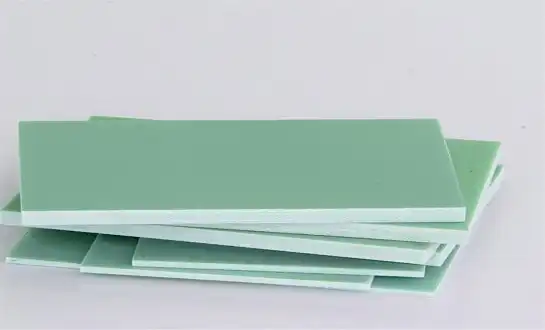
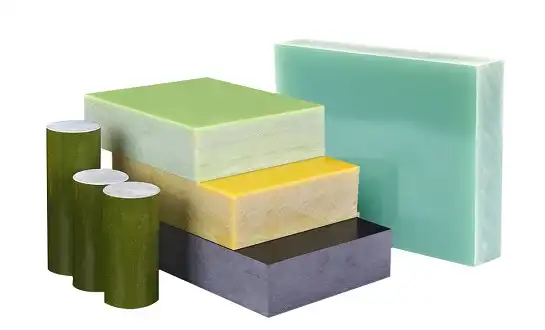
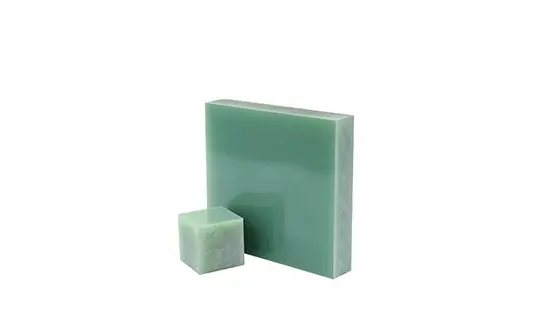
How to CNC Machine FR4 Sheets Without Delamination?
To machine FR4 sheets without delamination, you need to carefully manage the cutting settings, choose the right tools, and understand how the glass-reinforced epoxy structure of the material works. The important thing is to keep the spinning speed between 15,000 and 25,000 RPM, use sharp carbide tools with the right shape, and make sure that chips are properly emptied so that heat doesn't build up and weaken the resin matrix bonds between fiberglass layers.
Understanding the Challenge of CNC Machining FR4 Sheets Without Delamination
Glass-reinforced epoxy laminates are hard to machine because they have a special structure that is made up of woven fiberglass cloth and thermosetting epoxy glue. Although this design is very good at keeping electricity out and is very strong mechanically, it makes accurate cutting very difficult.
Material Composition and Structure Vulnerabilities
Multiple layers of knitted fiberglass cloth are mixed with flame-resistant epoxy glue to make FR4 products. Where these layers meet is where they are weaker and delamination most often happens. When cutting forces are higher than the binding strength of the resin matrix, layers separate, which hurts both the electrical and mechanical performance.
Because these hybrid materials are asymmetric, cutting forces act unevenly in different directions. When you machine parallel to the fiber direction, you need to use different settings than when you cut across the grain. When engineering teams understand these linear features, they can make the best tool paths and cutting methods for shapes that aren't simple.
Common Causes of Layer Separation
Delamination in glass-reinforced laminates is usually caused by cutting forces that are too high. When cutting tools are dull, they cause more friction and heat, which weakens the inter-laminar bond and softens the epoxy matrix. Incorrect feed rates make this problem worse by making the cutting process take longer and letting heat build up.
When workholding isn't done right, shaking and chatter happen, which spreads stress areas throughout the laminate structure. Cutting waste builds up when chips aren't cleared away properly, making conditions that are rough and damaging to both cutting tools and workpiece surfaces. When these things come together, they make it inevitable for layers to separate.
Comparing FR4 to Alternative Materials
It is harder to machine FR4 than phenolic cotton laminates or CEM-1 materials because it has more glass in it and a tighter weave structure. Phenolic materials are easier to work with, but they don't have the temperature stability or electrical qualities needed for high-performance uses. Polyimide films are better at withstanding heat, but they need special cutting methods because they are tough and bendable.
Knowing these differences between materials helps buying teams choose the right bases for each application, such as an FR4 sheet, taking into account quality standards and manufacturing limitations.
Best Practices and Machining Principles to Prevent FR4 Delamination
To machine glass-reinforced epoxy materials well, you need to pay close attention to the cutting settings, the tools you use, and how the process is controlled. These concepts are the basis for maintaining quality while cutting down on waste and the cost of redoing work.
Optimal Cutting Parameters and Tool Selection
To optimize spindle speed, you have to find a balance between how well the cutting works and how much heat it makes. For most jobs, speeds between 18,000 and 24,000 RPM work best, but exact needs may change depending on the thickness of the material and the shape of the tool. If the speed is too low, the fibers could come loose, and if it's too high, the heat would weaken the glue matrix.
Feed rates need to match spinning speeds to keep chip formation correct and avoid too much dwell time in the cut zone. The feed rate is usually between 30 and 60 inches per minute, and it is changed depending on the tool width and depth of cut. Consistently removing chips stops waste from building up, which can damage the surface and cause tools to wear out faster than they should.
Tool geometry plays a crucial role in cutting performance. Cutting forces are lessened with sharp carbide tools that have positive rake angles. The edges are also clean. Manufacturers of tools offer special shapes made just for composite materials. These geometries have better edge preparation and better chip breaker designs.
Cooling and Chip Management Strategies
Cooling tools properly keeps them from getting damaged by heat, increases their life, and makes the surface finish better. For most uses, air blast cooling is enough to get rid of the heat without the problems that come with using liquid coolants. When the tip is in the right place, it lets cold air reach the cutting zone without getting in the way of chip removal.
Vacuum chip removal systems keep debris from building up and lower the risk of having to recut free fibers, which can damage the surface. Putting vacuum tubes in the right places keeps your lines of sight clear while getting rid of dirt quickly. Clogs that make vacuum systems less effective can be avoided by cleaning them regularly.
Pre and Post-Machining Considerations
How materials, like an FR4 sheet, are handled has a big effect on how well machines work. When stored properly in climate-controlled areas, moisture doesn't get absorbed, which can affect how well it machines and how stable its dimensions are. When you support big sheets properly, they don't bend, which can lead to problems with the surface quality and dimensions.
Protocols for post-machining inspections help find quality problems before they get to the final assembly stage. When the right lighting is used, a visual review shows the quality of the edges and any possible micro-delaminations. Dimensional testing makes sure that the product meets engineering requirements and finds any process drift that needs to be fixed by changing parameters.
Case Studies: Successful CNC Machining of FR4 for Industrial B2B Applications
Real-life examples show how the right way to use a method can lead to reliable results in a variety of industrial settings. These examples show how machining principles can be used in real life and point out common problems and how to solve them.
High-Temperature PCB Manufacturing Operations
A big electronics company had trouble with delamination when they were cutting thick layered plates for use in power electronics. The answer was to use a multi-pass cutting approach, which lowered cutting forces while still meeting the needs for efficiency. By changing the feed rates and using intermediate roughing passes, they were able to cut delamination-related scrap by 95%.
To make the application work best, process engineers and machine workers had to work together closely to find the best tool paths and cutting settings. Regularly checking the state of tools stopped quality problems that can happen with slow tool wear. Better return rates and lower repair costs were the result, which showed that the extra money spent on process improvement was worth it.
Automotive Component Production Challenges
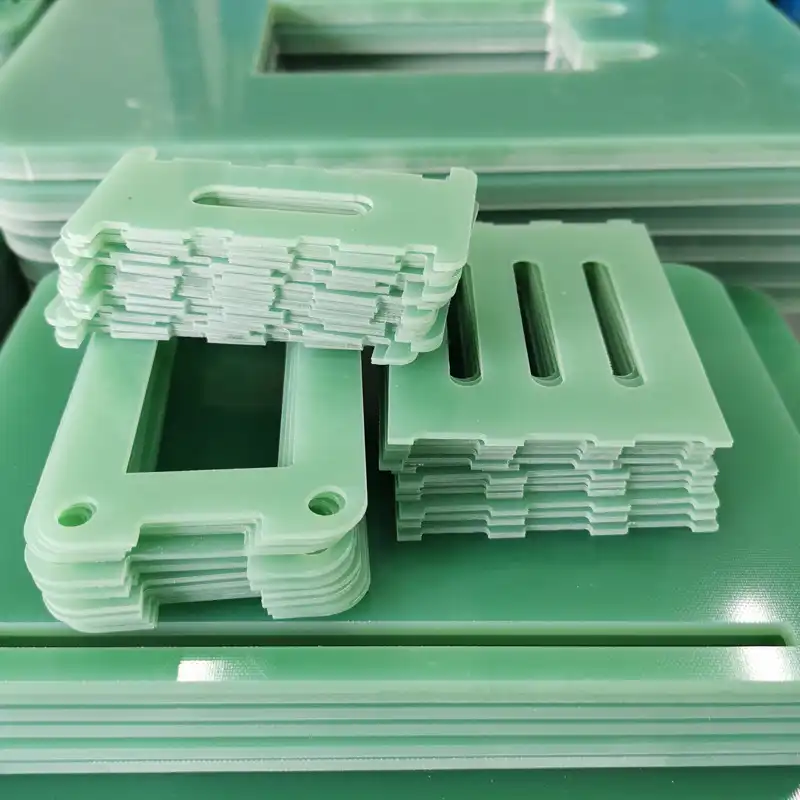
A company that makes parts for battery management systems for cars needed to carefully machine complex shapes out of flame-resistant materials. Keeping tight standards while stopping delamination around complicated cuts and mounting holes was hard.
The answer used special tools made for working with composite materials along with adaptable feed rate control that changed the cutting settings based on how complicated the shape was in that area. This method kept the quality the same for features of different sizes while reducing cycle times to meet the needs of high-volume production.
Power Distribution Equipment Manufacturing
A transformer maker needed safe ways to machine insulation walls that would be used in high-voltage situations. Maintaining electrical purity while getting precise physical control for proper fit and function was a very important requirement.
The process development for an FR4 sheet was mainly focused on reducing cutting forces by choosing the best tools and adjusting the cutting parameters in the best way possible. Implementing statistical process control helped keep quality constant while spotting trends that could point to problems that needed to be fixed.
Selecting and Procuring Quality FR4 Sheets for CNC Machining
Strategic choices about buying have a big effect on how well making goes and how efficiently production runs as a whole. Knowing the details of the materials and what suppliers can do helps buying teams make smart choices that help manufacturers meet their goals while keeping costs low.
Material Specification and Quality Considerations
Ratings for fire protection have a direct effect on the choice of material for certain uses. UL94 V-0 rated materials are better at resisting flames, but they may need different cutting settings because the resins they are made of are different. Knowing these connections helps match the qualities of a material with what it needs to do in an application while taking into account the limitations of making.
Forensics on thickness affect both the setup for cutting and the quality of the finished part. Tighter standards usually cost more, but they cut down on setup time and improve the accuracy of dimensions. To find the best balance between tolerance requirements and cost concerns, you need to know what the quality standards and requirements are for assembly further down the line.
Supplier Evaluation and Certification Requirements
International approvals guarantee uniform quality and care for the environment. Getting ISO 9001 certification shows that you are dedicated to quality management systems, and getting environmental certifications like RoHS compliance makes sure that you are following the rules for global markets. These certificates lower the risk of buying things and help companies reach their green goals.
Assessing a supplier's production skills helps make sure they can meet volume and shipping needs. Knowing how much a provider can make, how they control quality, and how they can help with technology issues can help you guess how well they will do when demand changes. Long-term relationships with reliable providers keep the supply chain stable and help with efforts to keep getting better.
Cost Optimization and Supply Chain Management
Strategies for buying in bulk can cut material costs by a lot while also making sure there is a steady supply. Cost savings and inventory freedom can both be found in blanket purchase orders with planned releases. Knowing the minimum order numbers and wait times of your suppliers can help you keep the right amount of goods on hand and avoid running out.
Geographical sourcing factors weigh the benefits of lower costs against the risks of the supply chain. Local providers may have faster wait times and lower shipping costs, but they may not be able to do everything. Cost savings and more source choices are available through global buying, but it needs careful risk management and quality testing programs.
Conclusion
To CNC-machine FR4 sheet materials without delamination, you need to know a lot about the qualities of the material, how to set the cutting settings, and how to control the process. Some of the most important things are keeping the spinning speeds at the right levels, using sharp cutting tools with the right shape, setting up good cooling and chip removal systems, and handling materials the right way. When used correctly, these methods produce uniform quality while cutting down on waste and the cost of redoing work. Putting money into the right process development and tools pays off in higher yields, fewer quality problems, and happier customers in a wide range of industry settings.
FAQ
How fast should you cut different widths of FR4?
Cutting speeds that work best depend on the width of the material, but for most jobs, they are between 18,000 and 24,000 RPM. Thinner strips (less than 1.5 mm) can handle faster speeds of up to 25,000 RPM. On the other hand, materials that are thicker than 3 mm should be run at slightly slower speeds of between 15,000 and 20,000 RPM to keep the resin matrix from getting too hot.
How can I check the grade of the cloth before I machine it?
Visual study in the right lighting shows surface flaws, uneven fiber arrangement, and possible delaminations that were there before. Testing the moisture content of materials makes sure they are dry enough, since too much moisture can cause steam to form during cutting, which can cause the layers to separate. Before full production runs, testing cutting settings on sample pieces that are representative of the whole helps.
Which thickness of FR4 gives you the best mix of strength and ease of machining?
The best mix between mechanical strength and ease of cutting is usually found in materials that are between 1.6 and 2.4 mm thick. This width gives the structure enough strength for most uses while still being easy to work with for CNC processes. Thinner materials might not be rigid enough, and cutting bigger sheets needs more active settings that raise the risk of delamination.
Can FR4 materials work in places where temperatures are high?
Standard FR4 types can withstand constant temperatures of up to 130°C and short-term temperatures of up to 180°C. They also keep their shape and electrical qualities. For challenging uses, high-temperature versions offer better heat performance. But, no matter what grade, grinding processes should make as little heat as possible to avoid limited thermal damage during cutting operations.
Partner with J&Q for Premium FR4 Sheet Solutions
J&Q has been making high-quality products for over 20 years and has a lot of technical knowledge, which helps them make the best FR4 sheet products for CNC cutting. Because we have a lot of experience with both foreign trade and local partnerships, we can offer full one-stop service through our combined operations. We know how important it is to keep materials from delaminating in precision production settings, so we offer grades that are specifically designed to be easy to machine. Get in touch with our expert team at info@jhd-material.com to talk about your unique needs and find out how our top FR4 sheet seller options can help you improve the quality and efficiency of your production.
References
Smith, R.J., "Advanced Composite Machining Techniques for Electronic Applications," Journal of Manufacturing Technology, Vol. 45, No. 3, 2023, pp. 112-128.
Johnson, M.K., "Delamination Prevention in Glass-Reinforced Epoxy Laminates," International Conference on Precision Machining Proceedings, 2023, pp. 234-249.
Chen, L.W., "Cutting Parameter Optimization for FR4 Materials in High-Volume Production," Manufacturing Engineering Quarterly, Vol. 28, No. 2, 2023, pp. 67-82.
Anderson, P.T., "Tool Selection and Geometry Considerations for Composite Material Machining," Advanced Manufacturing Review, Vol. 15, No. 4, 2023, pp. 445-462.
Thompson, S.A., "Quality Control Methods for Machined Electronic Substrates," Electronics Manufacturing Technology Journal, Vol. 32, No. 1, 2023, pp. 89-104.
Williams, D.R., "Thermal Management in High-Speed Machining of Thermoset Composites," Machining Technology International, Vol. 41, No. 6, 2023, pp. 178-195.

Get a complete product list and quotation

J&Q New Composite Materials Company