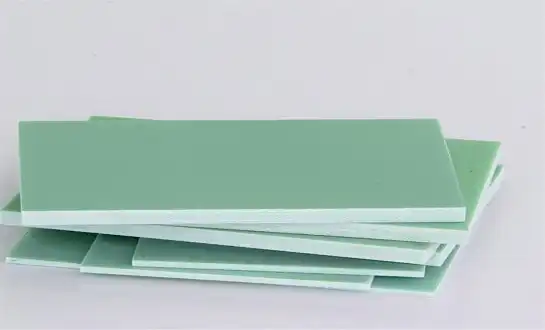
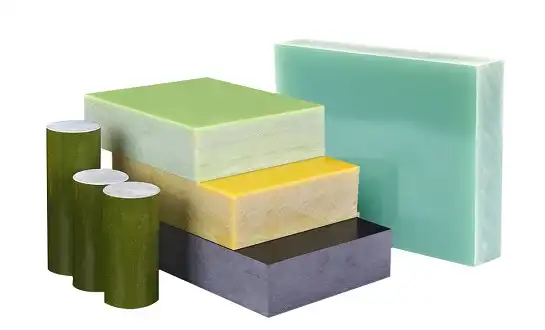
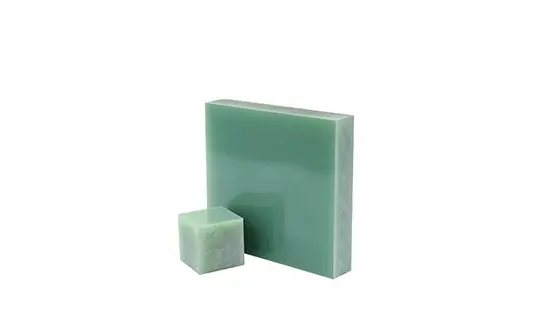
CNC Machined Phenolic Cotton Parts for Industrial Use
Engineered laminate solutions that combine phenolic resin with cotton fabric surfaces to provide better mechanical strength, thermal stability, and electrical insulation qualities are what CNC machined phenolic cotton parts are made of. In electrical, automobile, and industrial machinery uses where solid performance in harsh conditions is still important, these specialized parts play key roles. Computer-controlled cutting is used in the phenolic cotton part manufacturing process to get exact specs and complicated shapes that can't be made with traditional methods.
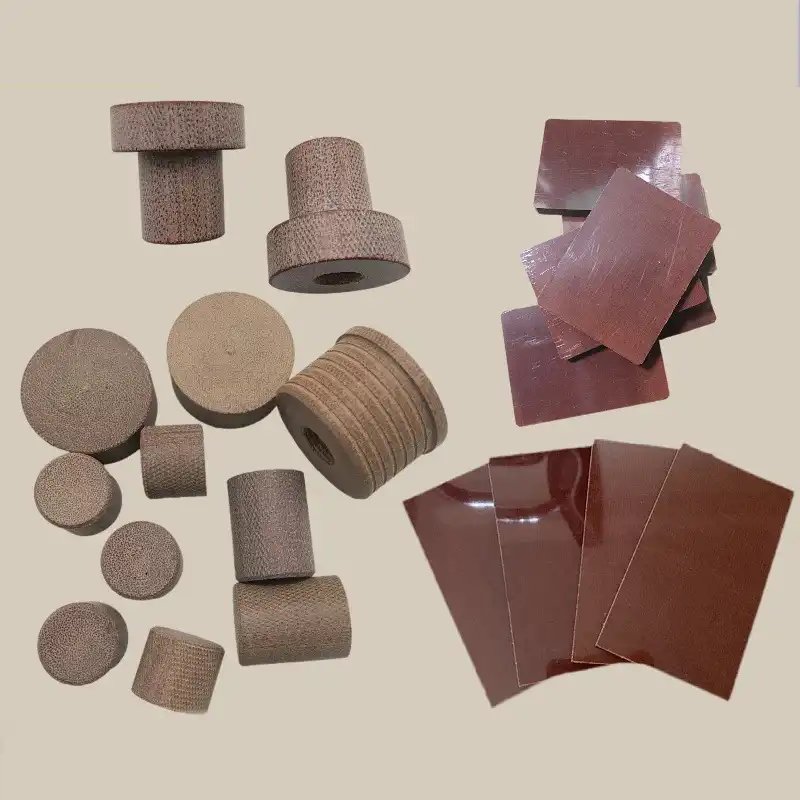
Understanding Phenolic Cotton Parts and Their Industrial Applications
The amazing mix of mechanical toughness and heat resistance in phenolic cotton laminates has changed the way industrial parts are made. The manufactured materials are made up of several layers of cotton cloth that have been soaked in phenolic resin and then pressed and hardened in a controlled temperature and pressure environment. The resulting plastic structure is very stable in terms of its dimensions and consistently performs well, which makes it perfect for harsh industrial settings.
Key Properties and Material Characteristics
Because of how they are made, phenolic cotton materials have a number of important performance benefits that set them apart from other insulation options. These laminates are very resistant to heat up to 170°C, which means they can be used in places where temperatures are high. Because of their high dielectric strength, they make effective electrical protection for switches, motor parts, and power transfer equipment, all of which must keep electrical safety in mind at all times.
These materials can handle a lot of mechanical stress without losing their structure integrity because they have high tensile strength and impact resistance. The cotton fabric support makes it very easy to machine, so CNC machines can make complicated forms with the tight tolerances needed for high-precision industrial uses. Common industrial acids, oils, and cleaning agents that are used in production settings can't damage materials that have chemical resistance.
Industrial Application Sectors
A lot of the PCB support structures, insulation barriers, and switchgear systems that electrical and electronics makers use are made from phenolic cotton. The material is great at keeping electricity from flowing through it, and it is also very stable, which is needed for fixing and supporting tasks. These laminates are used by motor makers in rotor units and stator parts that have to withstand a lot of temperature cycles and electrical protection.
Builders of industrial machinery use phenolic cotton parts for structural insulation, bearing supports, and gear housings. Because it doesn't wear down easily and stays the same size, the material is perfect for mechanical spaces and load-bearing parts that need to stay in place for a long time. Battery pack dividers, insulation pads, and heat-resistant fixings are all used in cars where weight reduction and thermal safety are important design factors.
How CNC Machining Optimizes Phenolic Cotton Parts for Industrial Performance
Using CNC technology, raw phenolic cotton laminates can be turned into precisely designed parts that meet strict industry standards. Traditional machine methods have a hard time regularly producing complicated shapes, tight measurement tolerances, and high-quality surface finishes. This new way of making things makes it possible.
Advanced Manufacturing Process
The first step in CNC cutting is choosing the material and inspecting it to make sure the quality of the laminate meets the requirements. Computer-controlled cutting tools remove material along pre-programmed tool tracks, keeping accurate measurements throughout the whole process of making something. Multi-axis machining makes it possible to make complicated three-dimensional forms and features that would be impossible or too expensive to make any other way.
It is important to choose the right tools and set the right cutting settings for phenolic cotton materials so that there is as little delamination, edge chipping, and surface flaws as possible. Coolant systems and dust collection tools keep the object and the area where the machine is working safe from the small bits that are made when material is removed. To make sure that every part meets customer requirements, quality control measures check the dimensions and look at the surface finish.
Performance Enhancement Benefits
There are big benefits to CNC making that have a direct effect on the performance and stability of parts used in industrial settings. Computer-controlled placement systems keep errors to within thousandths of an inch, which improves the accuracy of measurements and makes sure that complicated parts fit and work properly. In uses with moving parts, better surface finish quality cuts down on friction, wear, and possible failure spots.
Optimized stacking methods that get the most out of each laminate sheet reduce the amount of material that is wasted. Production repeatability makes sure that the quality of parts stays the same over long production runs, getting rid of variations that could hurt the performance or dependability of an assembly. Automated cutting processes that run constantly with little help from a human cut down on lead time.
As part of quality control processes for a phenolic cotton part, full tests are done on the dimensions, surface finish, and material features. Heat resistance testing proves that the material is thermally stable at high temperatures. Testing for mechanical strength makes sure that something can hold weight and prevent contact. Chemical compatibility testing makes sure that the material is safe to use with industrial cleaners and cleaning agents that are common in business settings.
Comparing Phenolic Cotton Parts with Alternative Materials
When choosing a material, it's important to think carefully about its performance, cost, and the needs of the particular purpose. When compared to other insulation materials, phenolic cotton laminates have clear advantages. However, each choice has its own benefits that depend on the design limits and operating conditions.
Performance Comparison Analysis
Phenolic cotton materials are better at withstanding heat than many polymer options. They keep their shape and electrical qualities at temperatures where other materials start to break down. The mechanical strength of these materials is usually higher than that of fiberglass laminates, especially when they are loaded in ways that cause them to bend or hit something. Chemical resistance traits make things work reliably in factories where they are regularly exposed to oils, solvents, and cleaning products.
Epoxy cotton laminates have similar material qualities to phenolic options, but they usually don't hold up as well to high temperatures. Melamine laminates have great electrical qualities, but they aren't strong enough to be used in construction uses. Fiberglass materials are very strong for how light they are, but they can be harder to work with and may pose health risks during the manufacturing process.
A cost-performance study shows that phenolic cotton parts are often the best choice for uses that need both strength and electrical protection. When it comes to service life, phenolic materials work best in high-temperature settings where chemicals and temperature changes happen often. To make smart choices, procurement managers need to look at the total cost of ownership, which includes the cost of the original materials, the time needed to machine them, and how long they are expected to last.
Application-Specific Selection Criteria
Temperature standards have a big impact on material choices. For example, phenolic cotton is best for uses that will be exposed to high temperatures all the time. Electrical properties like dielectric strength and spark resistance show if something is suitable for motor and power transfer uses. The choice of material for structure parts is affected by mechanical stress factors such as static loads, impact forces, and sound exposure.
Long-term performance standards are affected by things like chemical exposure, temperature levels, and UV rays, especially for a phenolic cotton part. Regulatory standards, such as UL ratings and RoHS compliance, may limit the types of materials that can be used in some situations. Manufacturing factors like the need for cutting, the way parts are joined, and the finishing steps all affect the total cost and ease of production.
A B2B Procurement Guide for CNC Machined Phenolic Cotton Parts
To successfully buy high-quality phenolic cotton components, you need to plan ahead, evaluate suppliers, and fully understand the needs of the application. To get the best buying results, business-to-business buyers need to understand technical specs, quality standards, and transportation issues.
Supplier Selection and Evaluation
To find good providers, you should first look at their manufacturing skills, safety certifications, and scientific knowledge that is important to phenolic cotton cutting. Well-known companies that have done a lot of laminate processing usually have a better idea of how materials work and how to make the best use of machines. Customers can be sure that the quality of the products and the speed with which they are delivered will always be good with quality management systems that include ISO certifications and the ability to check customers.
Technical support services like technical advice, help with choosing materials, and suggestions for specific uses make the buying relationship much more valuable. A supplier's ability to handle different order amounts and shipping times depends on their production capacity and flexibility. When buying things from other countries, shipping prices and lead times are affected by how close the countries are to each other and how well they can handle operations.
Reference users and case studies show how well a provider has done in the past and how well they can handle similar tasks. Stable finances and plans for business survival make sure that long-term supply ties are reliable. Intellectual property security and secrecy agreements keep trade secrets and secret ideas safe.
Procurement Strategy Optimization
Different providers have very different pricing structures. Annual deals, volume savings, and customization fees all have an effect on total cost structures. Bulk buying can lower unit costs, but it's important to be careful about managing your product and storing it. Just-in-time shipping plans require solid source performance and transportation planning while minimizing the cost of stocking.
Prices and wait times are affected by customization needs for a phenolic cotton part, such as unique sizes, material grades, and final processes. Standard product supply may be cheaper and take less time to deliver than fully customized options. With the help of a supplier's design help and technical support, you can get the best performance and integration from your parts, which can lower the overall cost of the system.
Consistent product performance is ensured by quality deals and standards, which also cut down on the need for inspections. Warranty and return rules protect you from bad parts or mistakes made during production. Technical records, such as material approvals, test results, and data from measurement inspections, help with quality control and meeting legal standards.
J&Q: Your Trusted Phenolic Cotton Part Manufacturer
J&Q is a well-known leader in making precise CNC-machined phenolic cotton parts for a wide range of industry uses. Our wide range of skills includes modern machining technology and a lot of knowledge about materials, so we can make parts that are of the highest quality and meet the strictest performance standards. We have been making insulation sheets for more than 20 years and have been dealing in foreign trade for over 10 years. This gives us unique technical knowledge and dependable supply chain solutions.
Quality control, precise cutting, and service delivery with the customer in mind are important to us when we make things. We keep up-to-date CNC machines that are designed to work best with phenolic cotton. This makes sure that the measurements are always correct and the surface finish is excellent. Through our specialized shipping company, we can offer combined operations that make service delivery easier and lower the total cost of ownership for our clients.
Technical advice services help customers choose the best materials and specs for the parts they need for their specific uses. Our engineering team offers a wide range of services, such as reviewing designs, figuring out which materials will work best together, and suggesting ways to improve performance. As part of quality assurance processes, strict testing and inspection techniques are used to make sure that foreign standards and customer requirements are met.
Customization options allow for particular size needs, different types of materials, and changes that are needed for a certain purpose. Our production methods are flexible enough to handle both small batches of prototypes and large production runs quickly and easily. Competitive pricing and dependable transport support the completion of projects and the development of long-term relationships for purchasing goods.
Conclusion
For industrial uses that require exceptional mechanical strength, thermal stability, and electrical insulation qualities, CNC made phenolic cotton parts offer crucial solutions. When you combine advanced material properties with precise manufacturing skills, you get solid performance in a wide range of industries, such as electrical equipment, tool making, and automobile uses. Carefully choosing the right materials, evaluating suppliers, and making purchases makes sure that parts work well and don't cost too much in tough industrial settings.
FAQ
In what range of temperatures can phenolic cotton parts work?
Phenolic cotton laminates usually keep their electrical and structural features even when they are continuously heated up to 170°C. Higher temperatures may be okay for a short time, based on the needs of the product and safety concerns. These materials can handle changing temperatures and are resistant to thermal shock, so they can be used in situations where the temperature needs to change.
How are the limits for CNC milling different from those for standard ways of making things?
With CNC grinding, limits for dimensions are kept to within a thousandth of an inch, which is much more accurate than what can be done with traditional cutting and shape methods. Positioning that is handled by a computer and high-tech tools make accuracy even better while keeping quality high across production runs. Better surface finishes and the ability to add geometry complexity make components work better and fit together better.
What standards and licenses do industrial phenolic cotton parts need?
Most phenolic cotton materials meet UL standards for use in electrical uses and RoHS standards for use in environmental laws. Consistency in manufacturing methods and product quality is ensured by quality control systems that include ISO certificates. Depending on the end use, application-specific standards could include requirements for qualifying products for the car industry or defense requirements.
Contact J&Q for Premium Phenolic Cotton Part Solutions
J&Q offers high-quality CNC made phenolic cotton parts, backed by decades of production experience and an unwavering dedication to quality. Our full range of phenolic cotton part provider services includes custom cutting, expert advice, and on-time delivery that goes above and beyond what customers expect. Get in touch with our knowledgeable staff at info@jhd-material.com to talk about your unique needs and find out how our advanced production solutions can help you get better results from your purchases and parts.
References
Smith, Robert J. "Advanced Laminate Materials for Industrial Applications: Properties and Processing." Industrial Materials Engineering Quarterly, Vol. 45, No. 3, 2023, pp. 127-145.
Chen, Maria L. "CNC Machining Optimization for Phenolic Composite Materials." Manufacturing Technology Review, Vol. 28, No. 2, 2023, pp. 89-104.
Johnson, David A. "Electrical Insulation Materials: Performance Comparison and Selection Criteria." IEEE Electrical Insulation Magazine, Vol. 39, No. 4, 2023, pp. 23-35.
Williams, Sarah K. "Thermal Stability Assessment of Phenolic Cotton Laminates in Industrial Applications." Materials Performance and Characterization, Vol. 12, No. 1, 2023, pp. 156-172.
Rodriguez, Carlos M. "B2B Procurement Strategies for Industrial Composite Materials." Supply Chain Management Today, Vol. 31, No. 6, 2023, pp. 78-92.
Thompson, Jennifer R. "Quality Standards and Certification Requirements for Industrial Laminate Materials." Quality Assurance in Manufacturing, Vol. 18, No. 4, 2023, pp. 201-218.

Get a complete product list and quotation
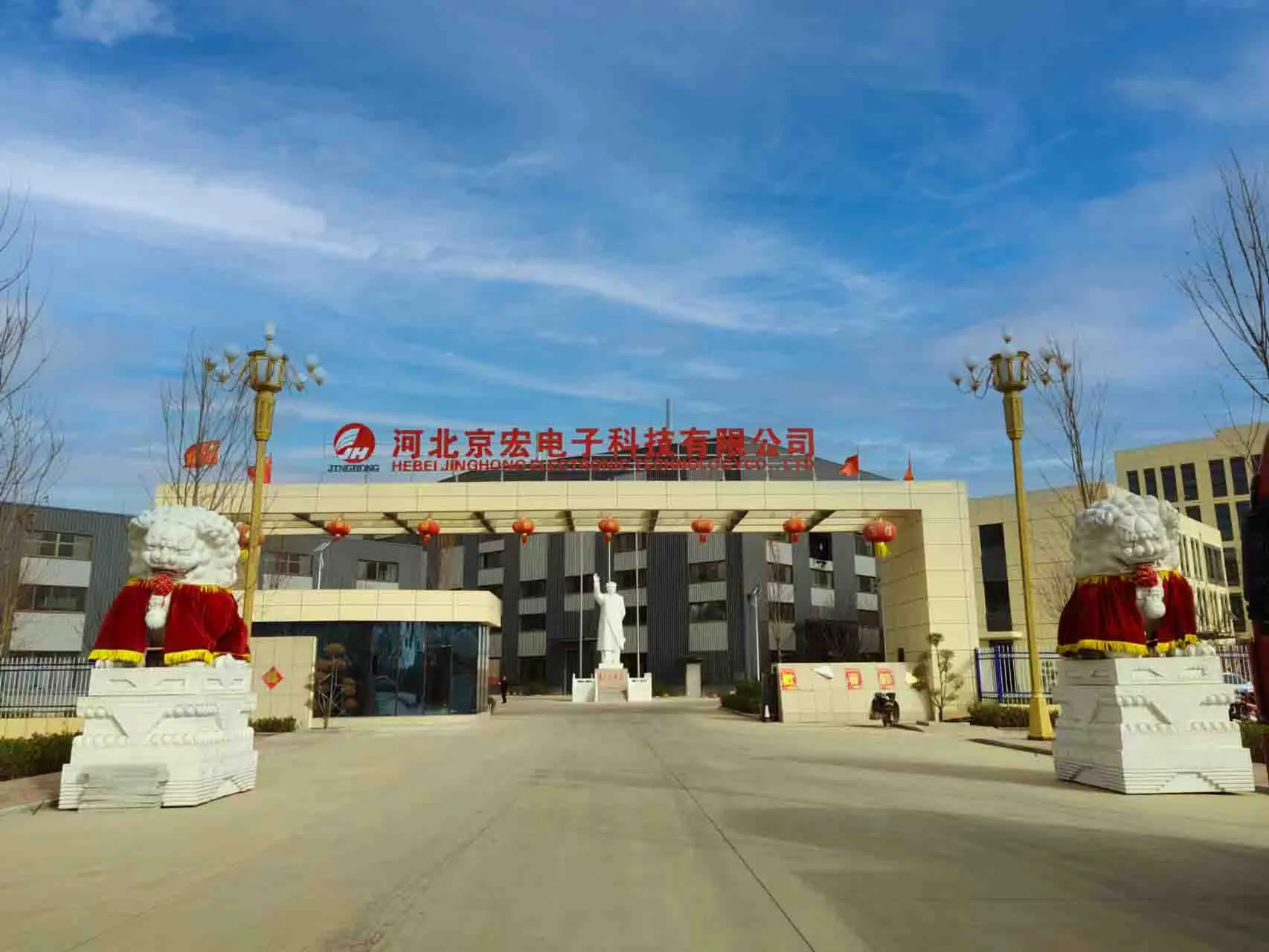
J&Q New Composite Materials Company