How to Avoid Costly Mistakes When Selecting Insulation Sheets?
To avoid making mistakes that cost a lot of money when choosing an insulation sheet, you need to carefully look at its thermal qualities, material make-up, and the needs of the specific application. The most common mistakes are not checking the dielectric strength standards, not checking the UL certification requirements, and not checking the long-term thermal stability in real-world circumstances. To choose the right material, you need to know how working temperature ranges, mechanical stress tolerance, and electrical insulation performance are related. This will help you make the most reliable and cost-effective system.
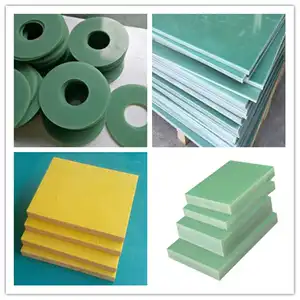
Understanding the Problem: Common Mistakes in Selecting Insulation Sheets
When procurement workers try to choose electrical insulation materials, they often run into big problems that cost a lot of money and slow down operations. These mistakes happen because people don't understand the features of materials well enough, don't evaluate suppliers well enough, or don't pay attention to important compliance requirements that have a direct effect on the performance and safety of the product.
Misunderstanding Material Properties and Specifications
Many engineering managers make the mistake of mixing up the different types of laminate and the uses they are meant for. Different types of FR4 sheets, epoxy boards, and phenolic materials have different temperature, electrical, and mechanical properties that make them useful for different tasks. A lot of the time, materials fail in high-temperature settings because people don't understand the difference between glass transition temperatures and ongoing working temperatures.
Different uses have very different dielectric strength needs, but buying teams often forget to include these important details. A material that works well in low-voltage settings might fail horribly in high-voltage switching settings, damaging the equipment and putting people in danger.
Overlooking Compliance and Certification Requirements
UL approval and ROHS compliance are important standards that must be met for many electricity uses, especially in North American markets. Not having the right licenses can stop production lines, cause product launches to be late, and put companies at risk of being sued. Some buyers don't find out about missing certifications until after they've received orders, which can cost a lot and cause projects to be delayed.
As regulatory bodies look more closely at supply lines, approval of quality management systems becomes more and more important. Materials that don't have the right paperwork can't be tracked, which can affect whole product lines during quality investigations or checks.
Key Criteria to Evaluate When Choosing Insulation Sheets
To choose the right insulation sheet materials, you need to carefully look at a number of performance factors that have a direct effect on how well they work and how much they cost. Understanding these evaluation factors helps you make smart decisions and lowers the chance of making costly mistakes when choosing materials.
Thermal Performance and Temperature Resistance
When choosing materials for electrical insulation jobs, operating temperature ranges are the most important thing to keep in mind. The glass transition temperature tells you how a material will react to thermal stress, and the continuous working temperature tells you how reliable it will be in the long term. When materials are heated past their melting points, they lose their shape, their electrical strength decreases, and they eventually break.
Different types of plastic have very different levels of heat protection. Phenolic cotton sheets can usually handle temperatures up to 120°C, but some types of epoxy can work effectively at temperatures above 180°C. Knowing these temperature limits stops materials from breaking down too quickly and keeps systems reliable throughout the span of a product.
Electrical and Dielectric Properties
The dielectric strength of an object tells you how well it can handle electrical stress without breaking. In high-voltage situations, where shielding failure can damage equipment and pose safety risks, this trait becomes very important. Values for volume resistivity and surface resistivity show how leaking current behaves and how well an electrical system works over time.
When switching, where electrical arcing can happen during regular operation, arc resistance qualities become very important. Materials with better arc resistance keep their shielding qualities for longer and offer more safety in places where electricity is used a lot.
Mechanical Strength and Machinability
The flexural strength and impact resistance of a material show how well it can handle mechanical stress during use and fitting. In industrial machines, insulation materials are often put through vibration, shock, and mechanical loading, which can break them if they don't have the right mechanical qualities.
CNC machinability affects how much it costs to make things and how precise they can be. Materials that are easy to machine cut down on the time it takes to make things, make sure the dimensions are correct, and keep tools from wearing out too quickly. Poor machinability raises the cost of production and can cause differences in size that lower the quality of the process.
Comparative Analysis of Popular Insulation Sheets for B2B Applications
As a result of their unique pros and cons, different insulation materials are only good for certain uses. By understanding these traits, buying experts can better match materials to the needs of an application.
Epoxy-Based Laminate Performance Characteristics
Epoxy laminates, as an insulation sheet, have great electrical qualities and are also very strong and stable in terms of temperature. These materials work really well in situations where they need to be dielectrically strong and keep their shape even when the environment changes. In many epoxy laminates, the glass cloth reinforcement improves the mechanical properties while keeping the great electrical performance.
Epoxy laminates are great for car and power electronics uses where thermal stress happens often because they don't break down when temperatures change. The material's ability to keep its qualities over a wide range of temperatures makes it effective in harsh conditions.
Phenolic Materials for Industrial Applications
Phenolic cotton laminates are very strong and don't break down easily, which makes them perfect for mechanical parts and structure insulation. These materials offer low-cost options for uses where electricity standards are not as strict but mechanical performance is still important.
Phenolic materials are safer in places where fire protection is important because they can put out their own fires. In situations where electrical problems could lead to an explosion, this trait is especially useful in power transfer and industrial machines.
Specialized High-Performance Options
Specifically designed fills and supports are used in advanced composite materials to improve their performance. For tough jobs, these materials often offer better heat conductivity, better dimensional stability, or better chemical protection.
The creation of halogen-free formulations tackles worries about the environment while keeping performance levels. These materials support efforts to be more environmentally friendly and provide reliable shielding in sensitive settings.
Best Practices to Avoid Costly Mistakes in Procurement and Application
Using organized buying methods and building strong relationships with suppliers can greatly lower the chance of making mistakes when choosing materials and the costs that come with them. These practices include evaluating suppliers, checking the quality, and keeping an eye on their ongoing performance.
Supplier Evaluation and Quality Verification
Setting up thorough criteria for qualifying suppliers for insulation sheet guarantees consistent material quality and reliable transport performance. When judging a supplier, you should look at their quality control systems, professional skills, and past work with similar projects. Audits and performance reviews done on a regular basis hold suppliers accountable and find problems before they affect production.
As part of quality control processes, incoming inspection techniques must be used to check that important material properties are met. Electrical properties, mechanical properties, and measurement accuracy should all be checked against the standards set by testing programs. Reviewing the paperwork makes sure that the right certificates and tracking information are sent with the goods.
Application-Specific Testing and Validation
Before committing to full-scale production, trying prototypes in real-world settings can show any possible compatibility problems. In environmental testing, materials are put through changes in temperature and humidity, as well as mechanical stress that are similar to what they would face in the real world. This testing finds possible failure modes and confirms hopes for long-term dependability.
Accelerated aging tests that predict how a material will behave in the long run should be part of performance evaluation. These tests show how things might break down and help figure out the right safety factors for important uses.
Inventory Management and Quality Control
The right way to store things keeps their qualities and stops them from breaking down during inventory times. Controlling temperature and humidity keeps things safe from damage from the environment that could make them less useful. Inventory turnover systems make sure that materials are used within the time frames that are suggested to keep their best qualities.
As part of quality control, kept products should be tested on a regular basis to make sure they keep their properties. Regular testing and samples find problems that might be caused by keeping before the materials are used in production.
Conclusion
To choose the right insulation sheets, you need to know a lot about the properties of the materials, the needs of the application, and the skills of the provider. The most expensive mistakes are made when expert evaluations aren't done well enough, suppliers aren't qualified enough, and compliance standards aren't met. Setting up strong relationships with suppliers, using structured evaluation methods, and strict quality control processes can greatly lower the risks of procurement while still ensuring the best performance and cost-effectiveness of materials.
FAQ
What are the main ways that epoxy and phenolic shielding are different?
Epoxy laminates usually have better electrical qualities and can handle higher temperatures, which makes them perfect for high-performance electrical uses. Phenolic materials are very strong mechanically and don't cost a lot of money. They are good for structure insulation and mechanical parts that don't need to be electrically perfect.
How do I find the temperature number that works best for my situation?
To choose the right temperature number, you need to know both the highest working temperatures and the conditions of constant exposure. When choosing materials, think about the effects of thermal cycles, changes in the atmospheric temperature, and safety gaps. For ratings on constant working temperatures and glass transition temperatures, look at the technical data sheets.
What kinds of approvals should I look for in materials used for electrical insulation?
In North American markets, UL recognition is still needed for electricity uses. ROHS compliance makes sure that products are safe for the environment, and ISO quality management certifications show that products are checked for quality on a regular basis. Some examples of application-specific certifications are grades for flame protection or standards set by the car industry.
Partner with J&Q for Premium Insulation Sheet Solutions
J&Q uses its more than twenty years of experience making things and ten years of experience dealing internationally to give you the best insulation sheet options that are tailored to your needs. Our thorough quality control systems make sure that the features of our materials stay the same and that they work reliably in a wide range of situations. We offer a seamless one-stop service from the initial advice to the final delivery thanks to our established partnerships that span multiple countries and our combined logistics capabilities. To choose the best materials and lower the total cost of ownership, our expert team works closely with engineering managers and sourcing specialists. Get in touch with us at info@jhd-material.com to talk about your insulation sheet needs and find out how our proven knowledge can help your project succeed while reducing the risks of buying.
References
International Electrotechnical Commission. "Specification for Industrial Rigid Laminated Sheets Based on Thermosetting Resins for Electrical Purposes." IEC 61212 Standards Documentation, 2019.
American Society for Testing and Materials. "Standard Test Methods for Electrical Insulating Materials." ASTM D149-20 Testing Protocols and Performance Criteria, 2020.
Institute of Electrical and Electronics Engineers. "Guide for the Selection and Application of Insulation Systems for Electrical Equipment." IEEE Standards Association Technical Report 1043, 2021.
National Electrical Manufacturers Association. "Industrial Laminated Thermosetting Products Performance Standards." NEMA LI 1-2018 Industry Guidelines, 2018.
Underwriters Laboratories. "Recognition Requirements for Electrical Insulating Materials in Industrial Applications." UL 746A Safety Standards Documentation, 2019.
Society of Plastics Engineers. "Engineering Properties of Thermoset Composites for Electrical Applications." SPE Technical Papers Manufacturing Division, 2020.

Get a complete product list and quotation

J&Q New Composite Materials Company



